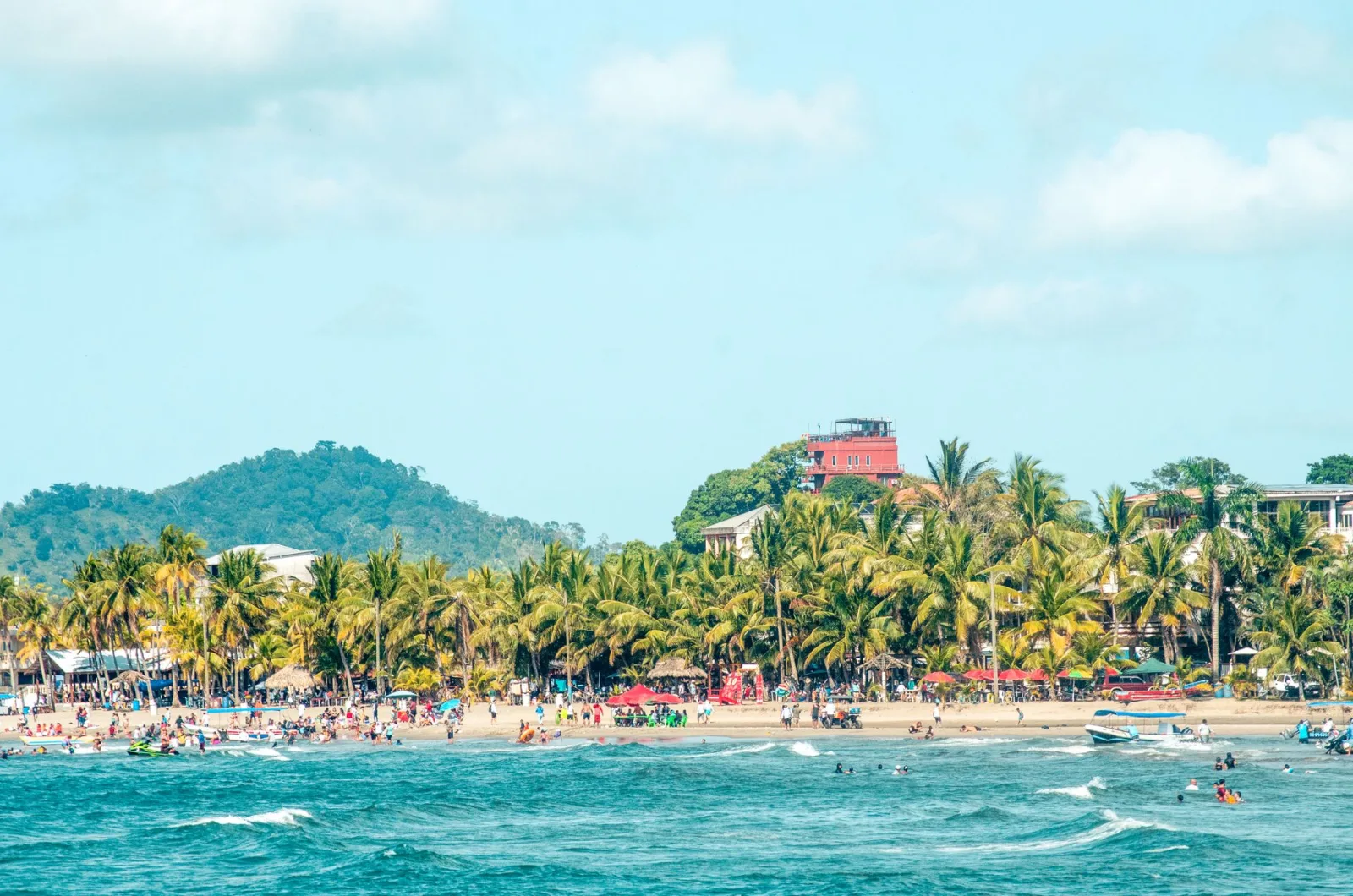
A pristine white sand beach in Manuel Antonio with clear blue skies and calm waters during the Costa Rican dry season

Costa Rica Dry Season Guide
Weather, Wildlife & Travel Tips 2026

Plan your trip during the "Verano". Discover regional weather patterns, peak wildlife sightings, and essential booking tips for Indian travelers.

Updated for 2026 Travelers
Written by Sunita Lal — North America Travel Specialist
Reviewed by Anita Pattigili · North America Travel Reviewer
Last updated after reviewing:
  • 2026 updated rainfall averages and microclimate variations for the Pacific and Central Valley during the December–April dry season
  • Current national park capacity limits and online reservation requirements for peak dry season travel (December–March)
  • Latest flight routing and pricing trends from India to San José during the peak December–January holiday window

Last updated: April 2026

The "Verano": Understanding Costa Rica's Dry Season
Locally known as "Summer", the dry season is the most popular time to visit, offering guaranteed sunshine and perfect beach weather.

Local Insight: The dry season runs from December to April. During this period, the Pacific coast and Central Valley experience virtually zero rainfall, making it ideal for outdoor adventures, zip-lining, and beach holidays. This aligns perfectly with India's winter holidays, but it also means peak crowds. For a complete overview of how this fits into your trip, check our Costa Rica Travel Guide.

Peak Months

  • December: The rains taper off, landscapes are still incredibly green, and the holiday crowds arrive late in the month.
  • January – February: The absolute peak of the dry season. Guaranteed blue skies, but also the highest prices and largest crowds.
  • March – April: Extremely hot and dry on the Pacific coast. Landscapes start to turn brown, but wildlife viewing is exceptional.
India Travel Alignment

The Costa Rican dry season perfectly overlaps with India's winter vacation window (December–January) and spring break (March–April). This makes it a highly convenient time for Indian families and corporate groups to travel without taking extra leave.

However, because demand is so high, flights from India and top eco-lodges must be booked 4 to 6 months in advance. Check our Trip Cost Guide for peak season pricing.

Regional Weather Breakdown: Where to Go
Costa Rica's diverse topography creates distinct microclimates. Here is what to expect in each region during the dry season.

Pacific Coast & Central Valley

Includes: Manuel Antonio, Tamarindo, San José, Arenal

This region experiences the classic dry season pattern. Expect hot, sunny days with zero rainfall from January to March. Temperatures in the lowlands (Manuel Antonio) reach 30–35°C, while the Central Valley (San José) remains a pleasant spring-like 20–26°C.

Cloud Forests & Highlands

Includes: Monteverde, Santa Elena

While the Pacific side is baking, the cloud forests remain cool and misty. The dry season (January–April) actually offers the clearest views and best hiking conditions here, as the heavy fog that characterizes the green season lifts more frequently. Expect temperatures of 15–24°C.

Caribbean Coast

Includes: Tortuguero, Puerto Viejo

The Caribbean side has a reversed weather pattern. While the Pacific is dry, the Caribbean can still experience rain. However, February, March, and April are statistically the driest and sunniest months on this coast, making it a fantastic alternative if you want to avoid Pacific coast crowds.

Wildlife & Nature Highlights During the Dry Season
The dry season is arguably the best time for wildlife photography and spotting in Costa Rica.

Animal Congregations

As the dry season progresses, smaller water sources dry up. This forces wildlife to congregate around the remaining rivers and lakes.

  • Monkeys & Sloths: Highly visible in Manuel Antonio and Arenal as they forage near permanent water.
  • Crocodiles: Massive populations visible along the Tárcoles River bridge year-round, but especially active in the dry sun.
  • Iguanas: Basking everywhere on the Pacific coast beaches and rocks.

Birding & Marine Life

  • Resplendent Quetzal: March and April are the peak breeding season in Monteverde. Their vibrant plumage is most striking, and they are highly active building nests.
  • Humpback Whales: The December–March window aligns perfectly with the winter migration of humpback whales to the warm waters of the Pacific coast (Uvita and Marino Ballena).
  • Sea Turtles: Leatherback turtles nest at Tortuguero from March to July, overlapping with the end of the Pacific dry season.

Want to time your trip for specific wildlife sightings? Check our detailed Best Time to Visit Guide for a month-by-month wildlife calendar.

Pros & Cons of Traveling in the Dry Season
Is the peak season worth the premium price tag for Indian travelers? Here is the honest breakdown.

The Pros

  • Guaranteed Sunshine: No ruined beach days or muddy hiking trails. Perfect for outdoor photography.
  • Optimal Wildlife: Animals are easier to spot, and the Quetzal breeding season is a birdwatcher's dream.
  • Road Conditions: All rural roads, including the route to Monteverde, are dry and easily passable in standard vehicles.
  • Festive Vibe: The country is lively, especially during the Christmas, New Year, and Easter (Semana Santa) holidays.

The Cons

  • Peak Pricing: Eco-lodges and domestic flights are at their most expensive. Expect to pay 20–30% more than in the green season.
  • Crowds: Popular spots like Manuel Antonio National Park and the Arenal hanging bridges can feel congested.
  • Booking Pressure: Top-tier lodges (like Nayara Springs) sell out 6+ months in advance for December/January.
  • Brown Landscapes: By late March and April, the Pacific side grass and trees can look dry and brown due to the lack of rain.
Packing Essentials for the Dry Season
What to pack when the sun is shining but the equatorial UV is intense.

Clothing & Gear

  • Reef-Safe Sunscreen: The sun is incredibly strong. Bring high SPF, biodegradable sunscreen to protect coral reefs.
  • Lightweight, Breathable Fabrics: Linen and moisture-wicking materials are essential for the humid Pacific coast heat.
  • Swimwear & Rash Guards: You will be in the water often; rash guards prevent sunburn while snorkeling or surfing.
  • Warm Layers for Monteverde: Even in the dry season, the cloud forest evenings drop to 15°C. Pack a fleece or light sweater.

Health & Documents

  • Hydration Pack: Staying hydrated is critical in the dry heat. A reusable water bottle with a filter is eco-friendly and cost-effective.
  • Binoculars: Essential for spotting wildlife in the dry canopy where leaves are sparse.
  • Park Reservations: Print or save digital copies of your pre-booked national park entry tickets.
Peak Season Booking Alerts for Indian Travelers
If you are traveling between December and April, these logistical hurdles require advance planning.

The "Holiday Blockout"

The window from December 20th to January 5th is the absolute peak of the peak. During this time, many eco-lodges enforce minimum stay requirements (e.g., 3 or 5 nights), and prices can double. If your schedule allows, shifting your trip to late January or February offers the same great weather with slightly better availability.

Semana Santa (Easter Week)

Easter week (usually March or April) is Costa Rica's biggest domestic holiday. All beaches are packed with locals, and many businesses close on Good Friday. Flights and shuttles during this week book out months in advance. Plan your itinerary to either embrace the festive culture or avoid the major beach towns entirely during this week.

Need help securing eco-lodges during the peak season? Our Costa Rica packages include pre-booked, CST-certified accommodations and seamless internal transport logistics.

View Costa Rica Tour Packages →
Frequently Asked Questions — Costa Rica Dry Season
Quick answers to the most common weather and timing questions from Indian travelers.
1What months make up the dry season in Costa Rica?
The dry season, locally known as "Verano" (summer), runs from December to April. The peak of the dry season with the most guaranteed sunshine is from January to March, making it the absolute best time for beach holidays and wildlife spotting.
2Is the dry season the most expensive time to visit Costa Rica?
Yes, the dry season is the peak tourist season. Eco-lodge rates and domestic flight prices are at their highest, especially between December 20th and January 5th. For Indian travelers, booking 4 to 6 months in advance is crucial to secure the best rates and availability.
3Does it rain at all during the Costa Rican dry season?
While it is called the dry season, brief, passing showers can still occur, especially in transitional months like December and April. However, the Caribbean coast (Tortuguero, Puerto Viejo) can experience rain year-round, and February to April are actually their driest months.
4What wildlife is best seen during the dry season?
The dry season is exceptional for wildlife. As water sources shrink, animals congregate around remaining rivers and lakes, making sloths, monkeys, and iguanas much easier to spot. It is also the prime breeding season for the Resplendent Quetzal in the Monteverde Cloud Forest (March–April).
5Do I need to book national parks in advance during the dry season?
Absolutely. Parks like Manuel Antonio have strict daily capacity limits. During the peak dry season (December–April), tickets frequently sell out days or even weeks in advance. You must book online via the official SINAC website or through a certified tour operator.

Note: Weather patterns are subject to change due to global climate shifts and phenomena like El Niño or La Niña, which can severely shorten or lengthen the dry season. Always check short-term forecasts and verify park reservation availability before finalizing your itinerary.

Plan Your Costa Rica Dry Season Trip

Fill out the enquiry form below and our travel experts will help you plan your Costa Rica eco-adventure during the peak dry season.

Get a customized itinerary optimized for the best weather, wildlife sightings, and secure eco-lodge bookings during the December–April window.

Enquire About This Package