Current street food hygiene standards and safe eating practices for Indian travelers in 2026
Availability and quality of strict vegetarian (Com Chay) and vegan options across major Vietnamese cities
Updated pricing for local meals, street food, and specialty coffees in Hanoi and Ho Chi Minh City
Fact-checked April 2026
Last updated: April 2026
A Culinary Journey Through Vietnam
Why Vietnamese cuisine is a delightful surprise for the Indian palate.
Vietnamese cuisine is globally renowned for its freshness, balance, and heavy use of herbs. Unlike the rich, cream-heavy, and intensely spiced curries of India, Vietnamese food relies on the harmony of five fundamental tastes: sweet, sour, salty, bitter, and umami. Fish sauce (Nuoc Mam) is the backbone of most dishes, providing a deep savory flavor. For Indian travelers, the food is light on the stomach, highly affordable, and surprisingly adaptable.
Understanding what to eat and where to find it is crucial for a smooth trip. To see how these daily meal costs fit into your overall budget, check our detailed Vietnam trip cost from India breakdown.
Must-Try Vietnamese Dishes
The iconic meals you cannot leave the country without tasting.
National Favorites
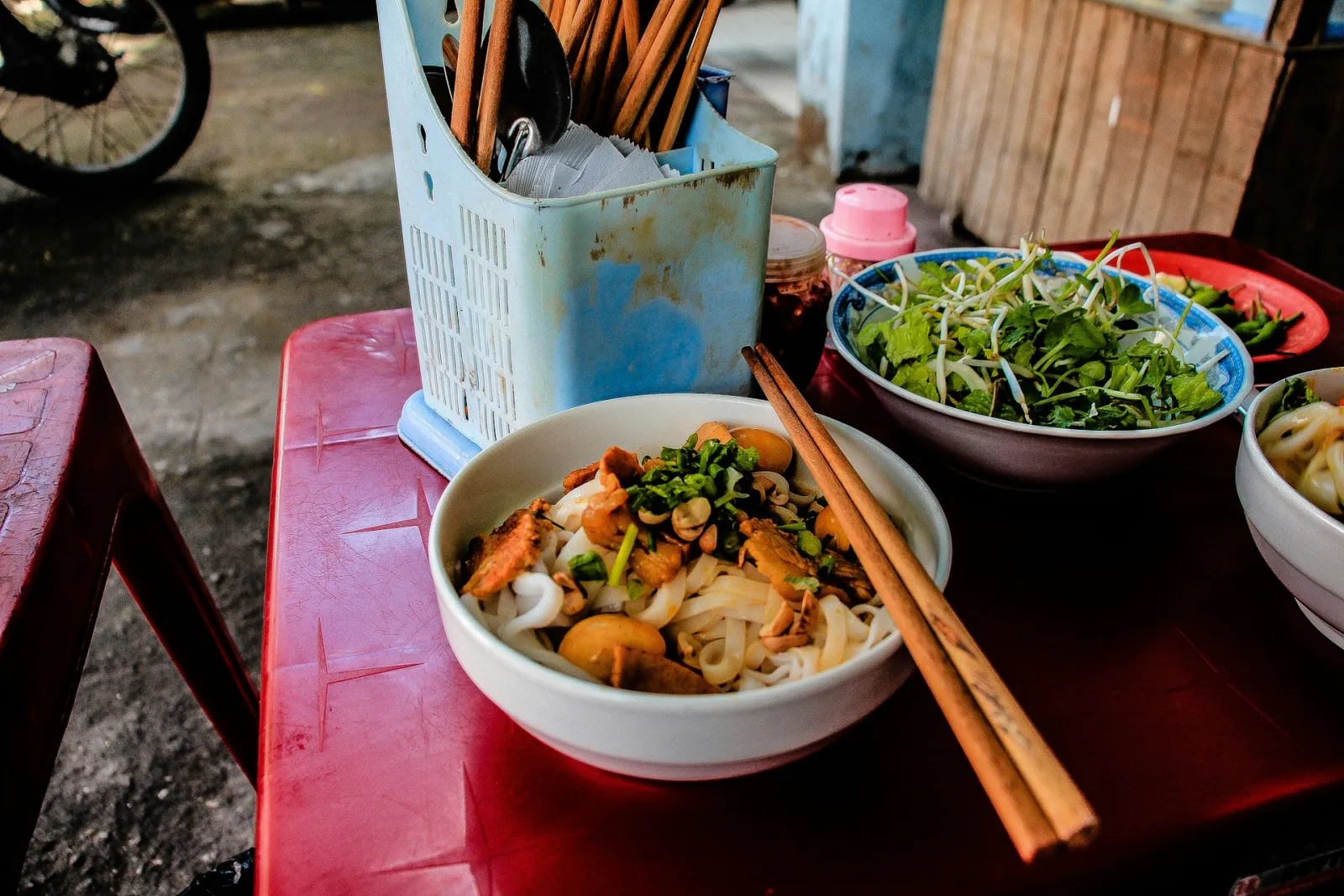
Pho (pronounced "Fuh"): The national dish. A fragrant beef or chicken broth simmered for hours with star anise and cinnamon, served with flat rice noodles, fresh herbs, and lime. The Northern (Hanoi) version is savory and pure; the Southern version is sweeter and heavily garnished.
Banh Mi: A legacy of French colonization. A crispy, airy baguette stuffed with pate, cold cuts, grilled pork, pickled daikon, carrots, cucumber, and cilantro. It is the ultimate quick, cheap, and delicious meal.
Bun Cha: Famous in Hanoi. Grilled fatty pork patties and slices served in a warm, sweet-and-sour dipping broth alongside a massive basket of fresh herbs and rice vermicelli noodles.
Goi Cuon (Fresh Spring Rolls): Rice paper rolls filled with shrimp, pork, vermicelli, and fresh mint, dipped in a rich peanut or hoisin sauce. A light, healthy alternative to fried rolls.
Vegetarian & Vegan Guide for Indians
Navigating meat-free options in a heavily pork-and-fish-sauce-based cuisine.
Finding "Com Chay"
Strict vegetarians and vegans will find Vietnam surprisingly accommodating, thanks to the strong influence of Mahayana Buddhism. The magic word to look for on signboards is "Chay" (vegetarian).
Pho Chay: Vegetable broth noodle soup with tofu and mushrooms.
Com Chay: Vegetarian rice plates with mock meats (made from seitan or soy), tofu, and stir-fried greens.
Banh Mi Chay: Baguettes filled with tofu, vegan pate, and vegetables.
Buddhist Restaurants: Look for temples or restaurants displaying the Buddhist swastika symbol (卍) or lotus flower. These spots serve 100% plant-based meals, often buffet-style, for under ₹150.
Caution: Even in vegetable dishes, regular restaurants may use fish sauce (Nuoc Mam) or oyster sauce for seasoning. Always explicitly state "No fish sauce" (Khong nuoc mam) or seek dedicated "Chay" establishments.
Street Food Safety & Hygiene
How to enjoy Vietnam's legendary street food culture without upsetting your stomach.
Golden Rule: Follow the locals. A stall with a long line of Vietnamese people waiting for food guarantees high turnover, meaning the ingredients are fresh and the food hasn't been sitting out.
Safe Eating Practices
Cooked is Best: Opt for dishes that are boiled or grilled in front of you, like Pho or Bun Cha. The boiling broth kills any potential bacteria.
Herb Handling: Fresh herbs are served with almost every meal. If you have a highly sensitive stomach, you may want to skip the raw herbs or briefly dip them in the boiling broth.
Ice: Ice in reputable cafes and restaurants is commercially produced (tube ice with a hole in the middle) and safe. Avoid crushed ice from street carts.
Water: Never drink tap water. Always rely on sealed bottled water, which is cheap and available everywhere.
If you are visiting the capital, our Hanoi city guide highlights the safest and most iconic street food alleys in the Old Quarter.
Vietnam Coffee Culture
Vietnam is the world's second-largest coffee exporter. Here is how to drink it like a local.
Iconic Brews
Ca Phe Sua Da: The classic iced coffee. Strong, dark Robusta drips through a metal filter (phin) directly onto sweetened condensed milk, then poured over ice. It is intensely sweet and highly caffeinated.
Ca Phe Trung (Egg Coffee): A Hanoi specialty. Whipped egg yolk, sugar, and condensed milk are blended with robusta coffee, creating a rich, tiramisu-like dessert drink. Must-try at Giang Cafe.
Ca Phe Cot Dua (Coconut Coffee): Coffee blended with fresh coconut milk and ice, creating a refreshing, tropical smoothie-like beverage.
Frequently Asked Questions — Vietnam Food Guide
Quick answers to culinary queries from Indian travelers.
1Is Vietnamese food spicy like Indian food?
No, traditional Vietnamese food is not inherently spicy. It focuses on the balance of five fundamental tastes: sweet, sour, salty, bitter, and umami. Chili is usually served on the side as a condiment, allowing you to control the heat level to suit your palate.
2Can strict vegetarian Indians find food in Vietnam?
Yes, absolutely. Look for the word "Chay" (vegetarian) on signboards. Buddhist vegetarian restaurants are common in Hanoi, Hoi An, and Ho Chi Minh City, offering excellent meat-free dishes like Pho Chay (vegetarian noodle soup) and Com Chay (vegetarian rice) at very affordable prices.
3Is street food in Vietnam safe for Indian stomachs?
Street food is generally safe if you follow basic hygiene rules. Choose stalls with high turnover (indicating fresh ingredients), ensure the food is cooked hot in front of you, and avoid raw salads or unpeeled fruits washed in tap water. Stick to bottled water and hot beverages like tea or coffee.
4Are there Indian restaurants in Vietnam?
Yes, major cities like Hanoi and Ho Chi Minh City have several authentic Indian restaurants serving North Indian, South Indian, and Jain food. However, we highly recommend trying local Vietnamese cuisine, which is fresh, light, and highly adaptable to Indian palates.
5What is the average cost of a meal in Vietnam?
Vietnam is incredibly budget-friendly. A hearty bowl of street-side Pho or a Banh Mi costs between ₹80 and ₹150. A meal at a local air-conditioned restaurant costs ₹200 to ₹400 per person, while mid-range dining ranges from ₹500 to ₹1,000.
Want to experience the best of Vietnam's culinary scene without the planning stress? Let our experts build a food-focused itinerary for you.
Note: Food allergies (especially peanuts and shellfish) are common in Vietnamese cuisine. If you have severe allergies, carry a translated medical card explaining your condition in Vietnamese to show at restaurants.
Fill out the enquiry form below and our travel experts will help you plan a seamless Vietnam tour, including curated food tours and restaurant reservations.
Get assistance with Vietnam e-Visa, flight bookings, hotel reservations, and complete Vietnam tour packages.