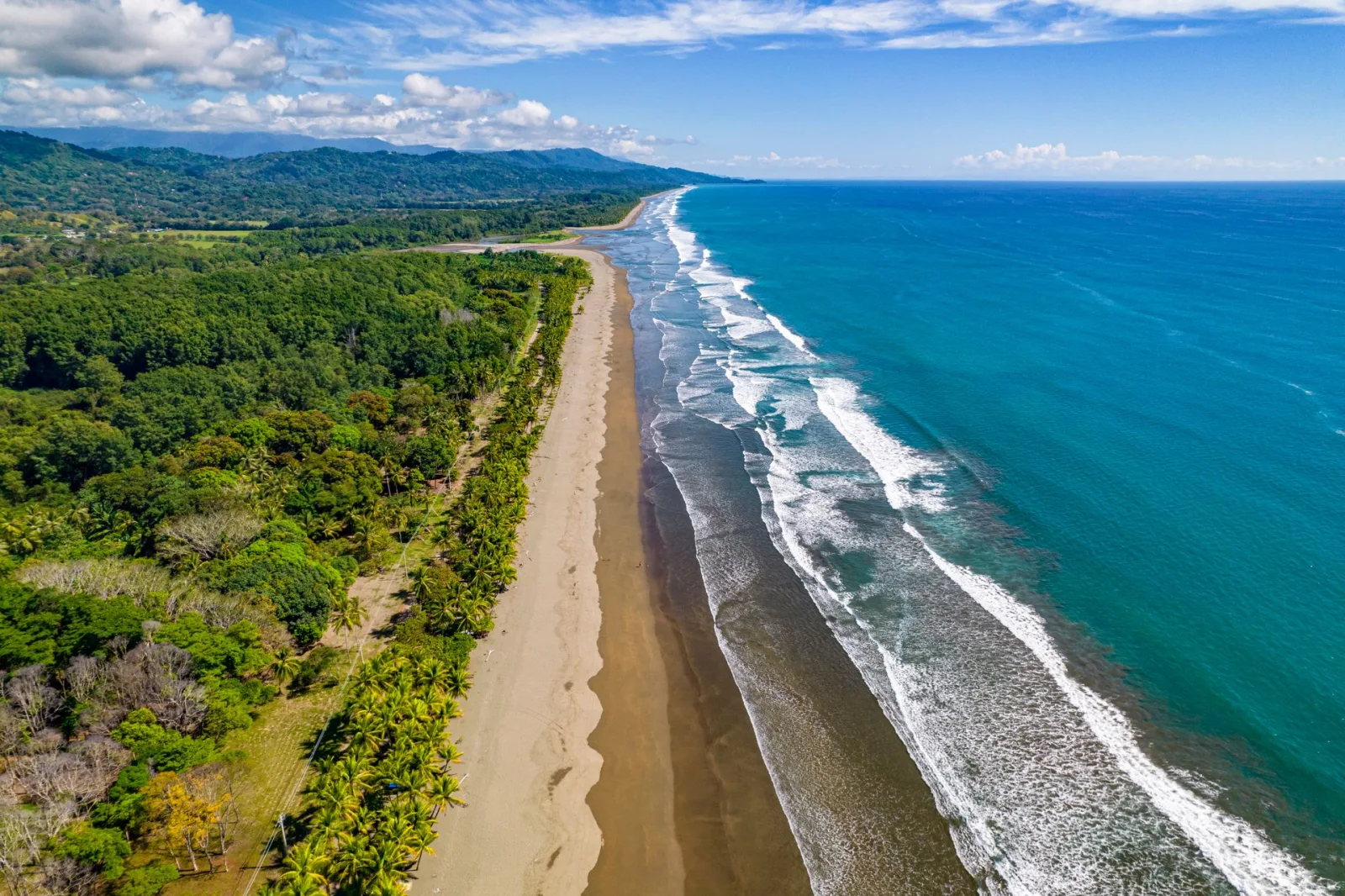
A powerful, lush waterfall cascading down a mossy cliff in the Costa Rican rainforest during the green season

Costa Rica Green Season Guide
Weather, Wildlife & Budget Tips 2026

Experience the "Invierno". Discover how to travel during the rainy season for massive savings, lush landscapes, and incredible wildlife events.

Updated for 2026 Travelers
Written by Sunita Lal — North America Travel Specialist
Reviewed by Anita Pattigili · North America Travel Reviewer
Last updated after reviewing:
  • 2026 updated sea turtle nesting calendars for Tortuguero and Ostional National Parks during the green season
  • Current road conditions and 4x4 requirements for rural routes like Monteverde and the Osa Peninsula during peak rainfall months
  • Latest eco-lodge green season discount structures and closure schedules for September and October

Last updated: April 2026

The "Invierno": Understanding Costa Rica's Green Season
Locally known as "Winter", the green season brings life to the rainforests, massive waterfalls, and incredible budget travel opportunities.

Local Insight: The green season runs from May to November. While the name "rainy season" might sound daunting, it is actually a favorite time for experienced travelers. The rain revitalizes the landscape, turning everything a vibrant, emerald green. For Indian travelers, this period aligns with the monsoon season back home, but Costa Rica's pattern of sunny mornings and afternoon showers makes it highly manageable. For a complete overview of how this fits into your trip, check our Costa Rica Travel Guide.

The Rain Pattern

  • May & June: The rains begin, but landscapes are still lush from the transition. Great for seeing baby animals.
  • July: Features the "Veranillo de San Juan" (Little Summer), a magical 2-3 week dry spell in mid-July.
  • August – October: The peak of the rainy season. Heavy afternoon downpours, but mornings are often clear.
  • November: The rains taper off, waterfalls are still massive, and the landscape transitions back to dry.

Budget Travel Alignment

The green season is the ultimate "hack" for Indian travelers wanting to experience Costa Rica's premium eco-tourism without the premium price tag. Eco-lodges drop their rates by 20–30%, and flights from India are often cheaper during these months.

To see exactly how much you can save, check our detailed Costa Rica Trip Cost from India guide.

Regional Weather Breakdown: Where to Go
Costa Rica's diverse topography creates distinct microclimates. Here is what to expect in each region during the green season.

Pacific Coast & Central Valley

Includes: Manuel Antonio, Tamarindo, San José, Arenal

This region experiences the classic green season pattern. Expect bright, sunny mornings perfect for beach time or national park tours, followed by heavy, dramatic thunderstorms between 2:00 PM and 5:00 PM. Temperatures remain warm (24–32°C).

Caribbean Coast (The Secret Escape)

Includes: Tortuguero, Puerto Viejo

The Caribbean side has a completely reversed weather pattern. While the Pacific is pouring, September and October are statistically the driest and sunniest months on the Caribbean coast. If you are traveling during peak rain, head to Tortuguero for a guaranteed beach and canal experience.

Cloud Forests & Highlands

Includes: Monteverde, Santa Elena

The cloud forests are wet year-round, but the green season brings constant mist and frequent rain. Mornings are your best window for clear views and birdwatching. The rain makes the forest incredibly lush, but trails can be very muddy and slippery.

Wildlife & Nature Highlights During the Green Season
The rain brings out unique wildlife behaviors that you simply cannot see during the dry season.

Sea Turtle Nesting

The green season is the ultimate time for marine life.

  • Green Turtles: Thousands arrive to nest on the beaches of Tortuguero National Park (July – October).
  • Olive Ridley "Arribadas": Massive, synchronized nesting events occur at Ostional Wildlife Refuge (August – December).
  • Leatherback Turtles: The largest turtle species nests at Tortuguero from March to July.

Whales & Baby Animals

  • Humpback Whales: The Pacific coast (Uvita, Marino Ballena) hosts humpback whales from August to October, offering incredible boat tours.
  • Baby Season: Many species, including monkeys, sloths, and deer, time their births for the green season to take advantage of the abundant food. You are much more likely to see babies clinging to their mothers.
  • Frogs & Amphibians: The rain brings out the iconic Red-Eyed Tree Frogs and countless other amphibian species that are hidden during the dry months.

Want to time your trip for specific wildlife sightings? Check our detailed Best Time to Visit Guide for a month-by-month wildlife calendar.

Pros & Cons of Traveling in the Green Season
Is the rain worth the rewards? Here is the honest breakdown for Indian travelers.

The Pros

  • Massive Savings: Eco-lodges offer 20–30% discounts, and some include free nights or spa credits.
  • Lush Landscapes: The rainforests are vibrant, waterfalls are at their most powerful, and photography is stunning.
  • Fewer Crowds: You will have national parks, hanging bridges, and hot springs largely to yourself.
  • Unique Wildlife: Turtle nesting, whale watching, and baby animals are exclusive to this season.

The Cons

  • Afternoon Rain: You must plan your outdoor activities for the morning. Afternoons are for relaxing or indoor tours.
  • Road Conditions: Rural roads, especially to Monteverde or the Osa Peninsula, can become deeply rutted and muddy. A 4x4 is mandatory if driving.
  • High Humidity: The combination of heat and rain makes it very humid. Quick-dry clothing is essential.
  • Lodge Closures: Some remote eco-lodges close for renovations during the quietest months (September and October).
Packing Essentials for the Green Season
How to stay comfortable when the humidity is high and the afternoon showers are heavy.

Clothing & Gear

  • Lightweight Rain Jacket: A breathable, packable poncho or jacket is essential for sudden afternoon downpours.
  • Quick-Dry Fabrics: Avoid heavy cotton. Moisture-wicking materials will dry quickly in the humid air.
  • Waterproof Bag Cover: Protect your camera and electronics from sudden splashes during hikes.
  • Sturdy Sandals/Water Shoes: Trails will be muddy. Closed-toe water shoes or hiking sandals with good grip are ideal.

Health & Comfort

  • Insect Repellent: The rain brings out mosquitoes. A high-DEET repellent is crucial, especially for evening night walks.
  • Dry Bags: Pack your clothes in waterproof dry bags inside your suitcase to prevent musty smells from humidity.
  • Microfiber Towel: Dries quickly and is essential if your eco-lodge doesn't provide pool/beach towels.
Green Season Booking Deals & Alerts
How to maximize your savings and avoid logistical pitfalls during the rainy months.

Eco-Lodge Specials

Many luxury eco-lodges offer "Stay 3, Pay for 2" or "Free Night" promotions during the green season. This is the only time you can experience properties like Nayara Springs or Belmar Hotel at a fraction of their peak season cost. Always check the lodge's official website for "Green Season Specials" before booking.

September & October Closures

The months of September and October are the quietest. While this means the best deals, it also means some remote eco-lodges (particularly in the Osa Peninsula or Tortuguero) close entirely for annual maintenance and renovations. Always verify that your chosen accommodation is open before finalizing your itinerary for these months.

Want to secure massive green season discounts? Our Costa Rica packages include pre-booked, CST-certified eco-lodges with exclusive rainy season perks.

View Costa Rica Tour Packages →
Frequently Asked Questions — Costa Rica Green Season
Quick answers to the most common weather and timing questions from Indian travelers.
1What months make up the green season in Costa Rica?
The green season, locally known as "Invierno" (winter) or the rainy season, runs from May to November. The heaviest rainfall typically occurs in September and October, while May and November are considered transitional months with less rain.
2Does it rain all day during the Costa Rican green season?
No, it rarely rains all day. The typical pattern on the Pacific coast and in the Central Valley is bright, sunny mornings followed by heavy, dramatic thunderstorms in the late afternoon or evening. This allows you to enjoy morning wildlife tours and beach visits without interruption.
3Is the green season a good time to visit Costa Rica?
Yes, the green season is highly recommended for budget travelers and nature lovers. Accommodation prices drop by 20-30%, waterfalls are at their most powerful, and the rainforests are incredibly vibrant. It is also the prime time for sea turtle nesting and whale watching.
4Which part of Costa Rica is driest during the green season?
The Caribbean coast (Tortuguero, Puerto Viejo) has a reversed weather pattern. While the Pacific side is rainy, September and October are actually the driest and sunniest months on the Caribbean coast, making it a fantastic escape during peak rainfall.
5Do I need a 4x4 vehicle during the green season?
If you are driving yourself, a 4x4 vehicle is absolutely mandatory during the green season, especially for routes to Monteverde, the Osa Peninsula, or remote beaches. The unpaved roads can become deeply rutted, muddy, and impassable for standard 2WD sedans.

Note: Weather patterns are subject to change due to global climate shifts and phenomena like El Niño or La Niña, which can severely alter rainfall totals. Always check short-term forecasts and verify eco-lodge operating schedules before finalizing your itinerary for September and October.

Plan Your Costa Rica Green Season Trip

Fill out the enquiry form below and our travel experts will help you plan your Costa Rica eco-adventure during the budget-friendly green season.

Get a customized itinerary optimized for morning wildlife tours, massive savings on luxury eco-lodges, and seamless internal transport logistics.

Enquire About This Package