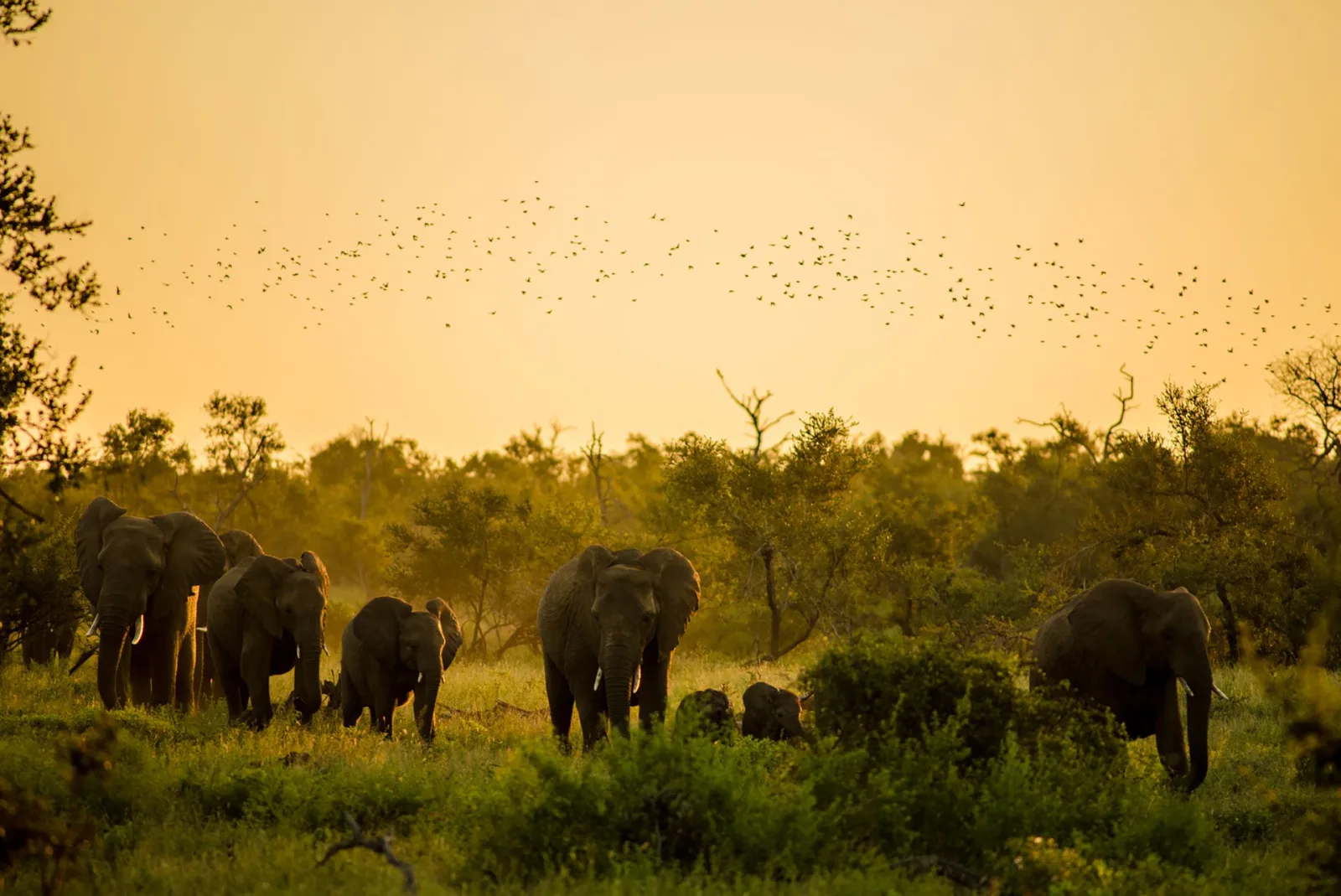
A large herd of African elephants walking along a dirt road in Addo Elephant National Park, South Africa

Addo Elephant Park Guide
for Indian Travelers 2026

Discover the ultimate malaria-free Big 7 safari experience, self-drive tips, and Port Elizabeth logistics.

Written by Vishal Narayan — Africa Travel Specialist
Reviewed by Veena Rathore · Africa Travel Reviewer
Last updated after reviewing:
  • 2026 Addo Elephant National Park conservation fee updates and gate time adjustments
  • Latest malaria-free certification and Big 7 (including Great White Sharks and Southern Right Whales) viewing seasons
  • Port Elizabeth (Gqeberha) airport to Addo transfer protocols and self-drive rental requirements for Indian nationals
Why Choose Addo Elephant National Park?
The perfect malaria-free, family-friendly safari alternative for Indian travelers.

The Addo Advantage

For Indian travelers seeking an authentic African safari without the need for malaria prophylaxis, Addo Elephant National Park is the premier destination. Located just a 1-hour drive from Port Elizabeth (Gqeberha), it is South Africa’s third-largest national park and uniquely boasts the highest density of elephants in the country.

Unlike the vast expanses of Kruger, Addo is compact, making wildlife sightings highly predictable and less frustrating for first-time safari-goers or families with young children. It also integrates seamlessly into a Garden Route road trip. For a broader comparison, see our guide on malaria-free safari options.
The Unique "Big 7" of Addo
The only national park in the world to conserve seven of the world's most iconic species.

Land and Marine Giants

  • The Big 5 (Land): African Elephant (Addo has over 600, including rare tuskless individuals), Lion, Leopard, Rhinoceros, and Cape Buffalo.
  • Great White Shark: Found in the Algoa Bay marine section of the park. Cage diving tours can be booked from nearby Port Elizabeth.
  • Southern Right Whale: Migrates along the Addo coastline between June and November, offering spectacular shore-based or boat-based whale watching.

This unique combination of terrestrial and marine conservation makes Addo an unparalleled eco-tourism destination for Indian nature enthusiasts.

Self-Drive vs. Guided Safari in Addo
Choosing the right exploration method for your travel style and budget.

Self-Driving (Highly Recommended)

Addo is exceptionally well-suited for self-driving. The main tourist routes (like the Alexandria and Kabouga sections) are well-maintained gravel or tar roads, easily navigable in a standard 2WD sedan. A small SUV is only recommended if you plan to venture into the more remote, sandy sections of the park.

  • Pros: Ultimate flexibility, highly budget-friendly, and elephants frequently approach the vehicles closely (a thrilling, safe experience).
  • Cons: Requires an International Driving Permit (IDP) and confidence in left-hand driving. You are responsible for spotting wildlife.

Guided Game Drives

For travelers who prefer not to drive or want expert commentary, SANParks offers guided game drives departing from the main rest camp.

  • Pros: Expert trackers use radio contact to locate elusive species like leopards. Open-air vehicles provide better photography angles. No driving stress.
  • Cons: Fixed schedules, higher cost per person, and less flexibility to linger at a sighting.

Alternatively, numerous reputable tour operators in Port Elizabeth offer half-day or full-day Addo safari packages including hotel pickup, which is highly convenient for Indian tourists.

Logistics & Cost for Indian Travelers
Practical information on getting to Addo and managing your budget.
Expense Category Estimated Cost (ZAR / INR)
Conservation Fee (per adult/day)ZAR 440 (approx. ₹2,000)
Car Rental (Port Elizabeth, per day)ZAR 400 – 700 (approx. ₹1,800 – ₹3,100)
Fuel (Port Elizabeth to Addo return)ZAR 250 (approx. ₹1,100)
Guided Game Drive (optional, per person)ZAR 450 – 600 (approx. ₹2,000 – ₹2,700)
Self-Catering Chalet (per night, sleeps 4)ZAR 1,200 – 2,500 (approx. ₹5,300 – ₹11,000)

Logistics Tip: Fly into Port Elizabeth International Airport (PLZ). It is only a 45-minute flight from Cape Town or Johannesburg. From the airport, it is a straightforward 70km (1-hour) drive via the N2 highway to the park's main gate. For more on car rentals, see our South Africa car rental guide.

Best Time to Visit Addo Elephant Park
Maximizing your wildlife sightings and coastal experiences.

Seasonal Breakdown

  • May to September (Winter/Dry Season): The absolute best time for terrestrial game viewing. Sparse vegetation and animals congregating at waterholes make spotting the Big 5 highly reliable. This is also the peak season for Southern Right Whale watching along the coast.
  • October to April (Summer/Wet Season): Lush green landscapes and the birth season for many animals (including elephant calves). However, dense bush can make spotting smaller predators like leopards more challenging. Afternoon thunderstorms are common.

Because Addo is malaria-free, it is a viable and safe destination for Indian families year-round, unlike Kruger which carries higher risk in summer.

Frequently Asked Questions — Addo Elephant Park
Quick answers to the most common questions from Indian travelers planning an Addo safari.
1Is Addo Elephant Park a good alternative to Kruger for Indian families?
Yes, Addo is an excellent alternative, especially for families with young children or travelers wishing to avoid malaria medication. It is completely malaria-free, more compact, and offers guaranteed elephant sightings alongside lions, leopards, rhinos, and buffalo.
2What is the "Big 7" at Addo Elephant Park?
Addo is the only national park in the world that conserves the "Big 7": the traditional Big 5 (elephant, lion, leopard, rhino, buffalo) plus the Great White Shark and the Southern Right Whale, found in the adjacent marine protected areas.
3Can Indian tourists self-drive in Addo Elephant Park?
Yes, self-driving is highly popular and very safe in Addo. The main roads are well-maintained gravel or tar. Indian travelers can rent a standard 2WD sedan or small SUV in Port Elizabeth (Gqeberha) for the 1-hour drive to the park.
4How much does it cost to visit Addo Elephant Park from India?
A self-drive day visit costs approx. ZAR 440 (₹2,000) per adult for conservation fees, plus car rental and fuel. Guided half-day tours from Port Elizabeth start around ZAR 1,500 (₹6,700) per person, making it highly affordable compared to private Kruger safaris.
5What is the best time to visit Addo Elephant Park?
The dry winter months (May to September) are best for game viewing, as animals gather around waterholes and vegetation is sparse. However, Addo offers year-round elephant sightings, and winter is also the peak season for Southern Right Whale watching along the coast.
6Are there vegetarian food options at Addo rest camps?
Yes, the main rest camp features a restaurant with vegetarian options like pasta, salads, and vegetable curries. For more control, many Indian travelers opt for self-catering chalets and buy groceries in Port Elizabeth before entering the park.

Want a seamless, guided Addo Elephant Park experience combined with the Garden Route? Our South Africa packages handle all transfers, park fees, and expert guides.

Book Your South Africa Safari Package →

Note: SANParks conservation fees, gate times, and road conditions are subject to change. Always verify current park regulations and book self-catering accommodations well in advance via the official SANParks website. This guide provides general advice and does not replace official park rules.

Plan Your Addo Elephant Park Safari

Fill out the enquiry form below and our travel experts will help you design a seamless Addo Elephant Park itinerary, including guided drives or self-drive logistics.

We handle all bookings, ensuring your Addo safari, Port Elizabeth transfers, and Garden Route connections are perfectly coordinated.

Enquire About This Package