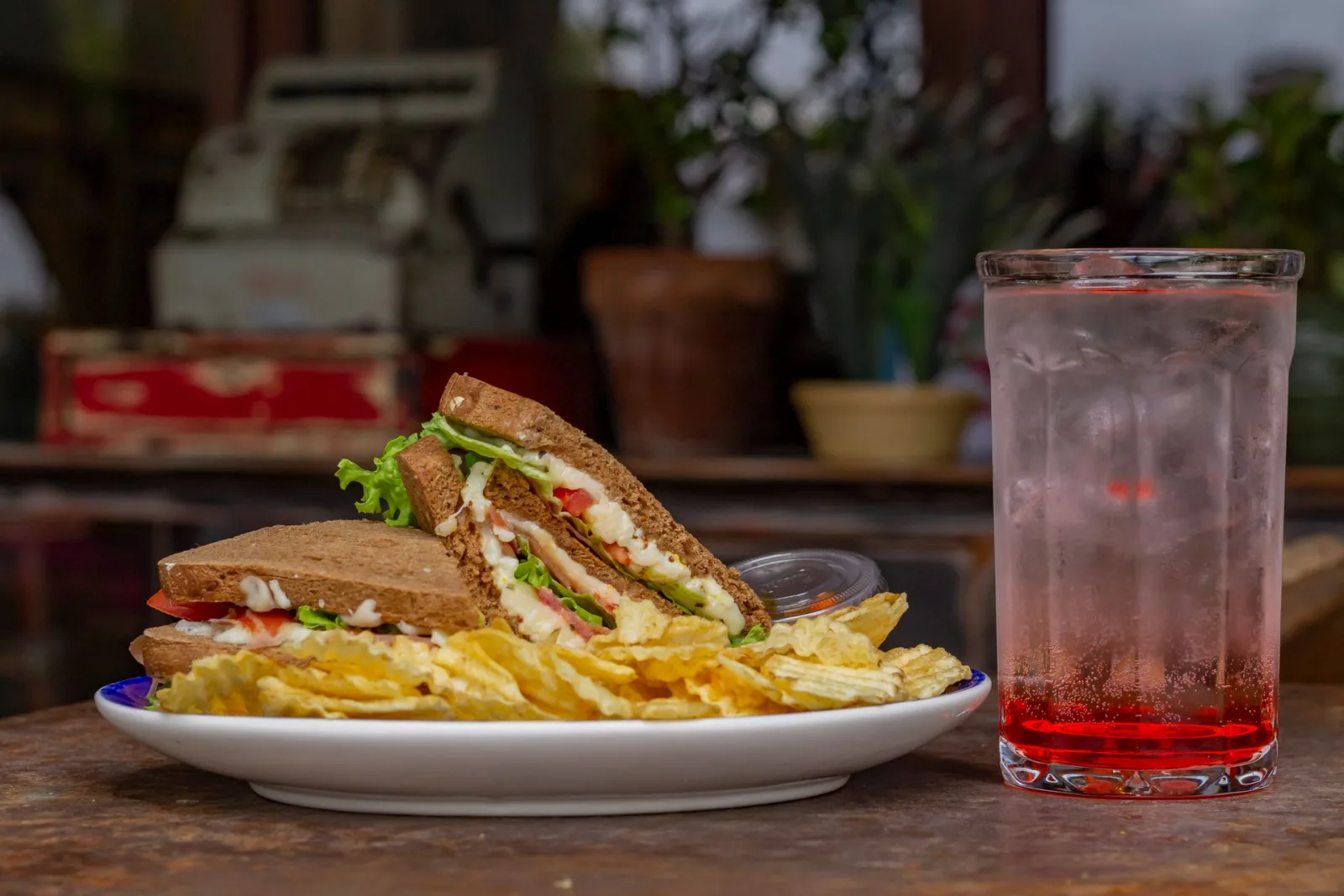
A vibrant vegetarian plate in Cuba featuring fried plantains, black beans, rice, and fresh tropical fruit

Cuba Vegetarian Travel Guide
for Indian Travelers

Navigating a meat-heavy cuisine — staple dishes, paladar tips, and survival strategies for Indian vegetarians in 2026.

Updated for 2026 Travelers
Written by Sunita Lal — North America Travel Specialist
Reviewed by Anita Pattigili · North America Travel Reviewer
Last updated after reviewing:
  • Paladar (private restaurant) vegetarian menu expansion and vegan awareness updates in Havana and Trinidad (2025-2026)
  • Cross-contamination risks and lard (manteca) usage in traditional Cuban black beans and rice
  • Casa particular host breakfast customization capabilities for strict Indian vegetarian diets

Last updated: April 2026

Vegetarian Food in Cuba: The Reality
Cuban cuisine is deeply rooted in Spanish and African traditions, where pork and chicken are central. However, with the right knowledge, Indian vegetarians can eat well. For a complete destination overview, refer to our comprehensive Cuba Travel Guide.

The Challenge

  • Meat-Centric: Almost every dish, even vegetable sides, may be flavored with pork fat, ham hock, or chicken broth.
  • Lack of Spices: Cuban food is not spicy. It relies on garlic, citrus (mojo), oregano, and slow cooking. Indian vegetarians will miss dal, curries, and complex spice blends.
  • Limited Vegan Options: Dairy (cheese, butter, milk) is heavily used. Strict vegans will find it challenging outside of high-end paladares.


The Solution

  • Focus on Staples: Rice, beans, plantains, yuca (cassava), and tropical fruits are your foundation.
  • Choose Paladares: Private restaurants are far more accommodating to dietary restrictions than state-run eateries.
  • Communicate Clearly: Learning a few key Spanish phrases is non-negotiable to avoid hidden meat ingredients.
  • Bring Backup: Carry a small kit of Indian pickles, chili powder, or instant chutney from home to add flavor to bland meals.
Safe Vegetarian Staples in Cuba
These dishes are widely available and naturally vegetarian, but always verify the preparation method.

What You Can Eat

  • Arroz Blanco (White Rice): Safe and ubiquitous. Usually cooked with just water, oil, and salt.
  • Tostones & Maduros: Twice-fried green plantains (savory) and fried sweet plantains. Excellent sources of energy.
  • Yuca con Mojo: Boiled cassava root drizzled with a garlicky citrus sauce. Ensure the mojo doesn't contain pork cracklings.
  • Ensalada Mixta: Simple salad of tomatoes, cucumbers, and lettuce. Ask for it without cheese or ham.
  • Huevos (Eggs): Omelets (tortillas) with cheese or vegetables are a common breakfast and lunch option.
  • Queso (Cheese): Local fried cheese or fresh cheese is widely available.
  • Tropical Fruits: Papaya (fruta bomba), mango, guava, and pineapple are abundant and delicious.

⚠️ Crucial Warning on Beans: Traditional Cuban black beans and rice (Moros y Cristianos) are almost always cooked with manteca (pork fat) or ham hock. You must explicitly ask if the beans are vegetarian before eating them. For a full breakdown of dining costs and options, see our Cuba Food Guide.

Dining at Paladares (Private Restaurants)
Why private restaurants are your best friend, and how to order safely.

Why Paladares?

State-run restaurants have limited menus and poor service. Paladares, on the other hand, rely on tourist satisfaction and are much more willing to accommodate dietary restrictions.

  • Customization: Chefs in paladares can often prepare a custom vegetable pasta, pizza, or rice dish if you ask in advance.
  • Quality: The ingredients are fresher, and the hygiene standards are generally higher.
  • Atmosphere: You will find better vegetarian options in upscale paladares in Havana (Vedado, Miramar) and Trinidad compared to rural areas.

How to Order

Do not just say "vegetarian." In Cuba, this might still result in fish or chicken broth being used. Use this exact phrase:

  • "Soy vegetariano. No como carne, pollo, pescado, ni caldo de pollo."
  • Translation: "I am vegetarian. I do not eat meat, chicken, fish, or chicken broth."
  • For Vegans: Add "Soy vegano. No como lácteos ni huevos." (I am vegan. I do not eat dairy or eggs).
  • Verify the Oil: Ask if they use butter or oil to cook your vegetables. Specify "aceite" (oil) instead of "mantequilla" (butter).
Staying in Casas Particulares
How your homestay host can become your personal chef. For booking strategies, see our Cuba Casas Particulares Guide.

The Casa Advantage

Staying in a licensed casa particular (homestay) is the ultimate hack for Indian vegetarians.

  • Custom Breakfasts: Most casas offer a homemade breakfast for ₹300–₹400. You can easily request fresh fruit, eggs, toast, and cheese without worrying about hidden meats.
  • Dinner on Request: If you inform your host a day in advance, they can go to the local market and prepare a custom vegetarian dinner (pasta, rice, vegetables, eggs) for a reasonable fee.
  • Local Knowledge: Your host can point you to the nearest market to buy fresh fruit, nuts, or specific vegetables if you have access to a kitchen.
  • Communication: Write down your dietary restrictions in Spanish and give it to your host upon check-in. This prevents daily misunderstandings.
Vegetarian Survival Tips for Indians
Practical advice to ensure you don't go hungry or miss the flavors of home.

What to Pack from India

Cuban markets lack Indian staples. Bring a small "flavor kit" in your checked luggage:

  • Spices: Turmeric, red chili powder, cumin, and coriander powder in small, sealed packets.
  • Pickles & Chutneys: Mango pickle, lemon pickle, or instant tamarind chutney to mix with plain rice.
  • Instant Noodles/Dal: A few packets of Maggi or instant dal mix for emergency late-night hunger.
  • Tea Bags: Cuban coffee is strong, but good quality Indian chai tea bags are impossible to find.

Snacking on the Go

Between meals, you will need snacks. Keep these in your day bag:

  • Fruit: Buy fresh papaya, mango, or guava from street vendors. They are cheap and filling.
  • Nuts & Seeds: Available in supermarkets, though expensive. Bring your own from India if possible.
  • Bread & Cheese: Local bakeries sell basic bread. Pair it with local cheese for a quick lunch.
  • Pizza: Cuban pizza is thick-crust and cheesy. It is a reliable vegetarian street food option.

Want a stress-free Cuba trip with pre-vetted vegetarian-friendly casas and paladar recommendations?

View Cuba Tour Packages →
Frequently Asked Questions — Cuba Vegetarian Guide
Quick, honest answers to dietary and food questions from Indian travellers.
1Is it easy to find pure vegetarian food in Cuba?
Cuban cuisine is heavily meat-focused, but vegetarians will not go hungry. Staples like rice, beans, plantains, cheese, and eggs are available everywhere. However, you must be vigilant about hidden animal fats, especially in beans. Private restaurants (paladares) are much more accommodating than state-run eateries.
2Are Cuban black beans and rice (Moros y Cristianos) vegetarian?
Not always. Traditional Cuban black beans are often cooked with "manteca" (pork fat) or ham hock for flavor. You must explicitly ask if the beans are vegetarian ("¿Los frijoles son vegetarianos?") before ordering. If not, stick to white rice and fried plantains.
3How do I tell a Cuban waiter I am strictly vegetarian?
Learn this phrase: "Soy vegetariano. No como carne, pollo, pescado, ni caldo de pollo." (I am vegetarian. I do not eat meat, chicken, fish, or chicken broth). This is crucial because vegetable dishes are sometimes cooked with chicken broth or bacon bits.
4Can I get Indian-style vegetarian food in Cuba?
No. You will not find Indian spices, dal, or curries in Cuba. The flavor profile relies on garlic, citrus (mojo), oregano, and slow cooking. If you miss spicy food, carry a small supply of Indian pickles, chili powder, or instant chutney from home.
5Do paladares in Havana offer vegan options?
Yes, upscale paladares in Havana and Trinidad increasingly offer vegan options or are willing to modify dishes. However, dairy (cheese and butter) is heavily used in Cuban cooking. Strict vegans must clarify that they do not eat dairy or eggs ("Soy vegano, no como lácteos ni huevos").

Note: Food availability and restaurant practices can vary significantly between Havana, Trinidad, and rural areas. The information provided is based on current on-ground realities for tourists. Always communicate your dietary restrictions clearly and verify ingredients before eating.

About This Cuba Vegetarian Guide

This guide provides Indian vegetarian travelers with practical, on-ground insights for navigating Cuba's culinary landscape. Researched using recent traveler experiences and updated for 2026 dining realities.

Expert Verified

Every dietary tip and Spanish phrase is cross-checked with recent vegetarian traveler experiences in Cuba.

Regularly Updated

Paladar vegetarian options and local food realities are reviewed quarterly to reflect current on-ground conditions.

Plan Your Vegetarian-Friendly Cuba Trip

Fill out the enquiry form below and our travel experts will help you plan a customized Cuba itinerary featuring verified vegetarian-friendly casas and paladar recommendations.

Get assistance with casa reservations, private transfers, guided city tours, and complete Cuba packages tailored to your dietary needs.

Enquire About This Package