Guatemala dry season weather patterns and road accessibility updates for 2026
Semana Santa (Holy Week) dates and accommodation booking requirements for Antigua 2026
Indian traveler advisories and peak season flight availability to Guatemala City (GUA) 2026
Fact-checked April 2026
Last updated: April 2026
The Guatemalan "Verano" (Summer)
Running from November to April, the dry season offers clear skies, minimal rain, and ideal conditions for exploring the country's diverse landscapes.
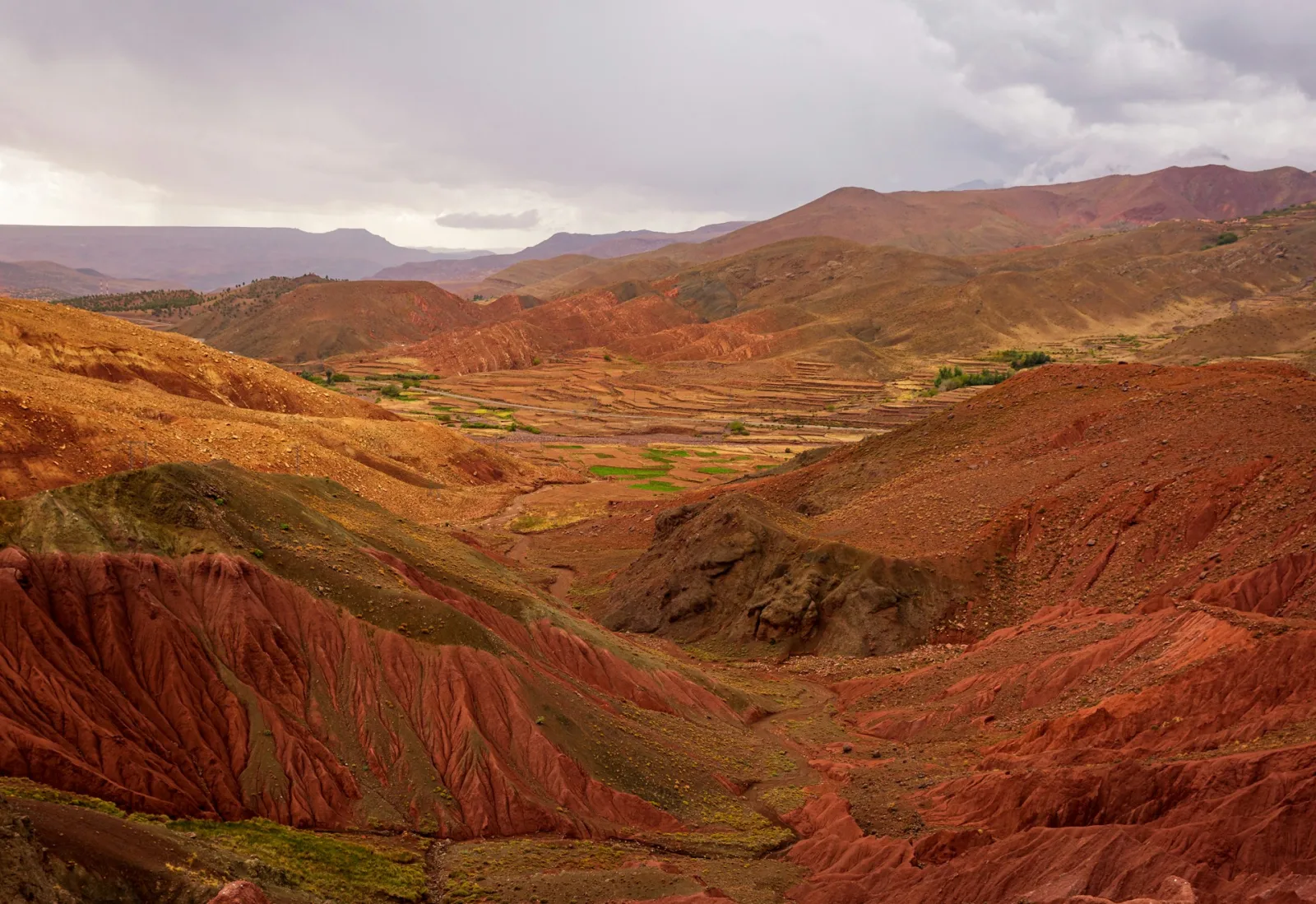
The dry season is universally considered the best time to visit Guatemala. Locally referred to as "Verano" (summer), this period guarantees sunny days across the highlands and accessible roads to remote jungle ruins. For Indian travelers, this window perfectly aligns with the winter school holidays (December–January), making it a highly popular—but busy—time to visit. To understand how this fits into your overall routing, refer to the ultimate Guatemala travel guide.
Dry Season Weather by Region
Guatemala's diverse topography means the dry season feels very different depending on where you are.
Antigua & The Highlands
Known as the "Land of Eternal Spring," the highlands enjoy mild, pleasant days and crisp, cool nights.
Daytime: 20–25°C (68–77°F) — Sunny and comfortable for walking.
Nighttime: 8–12°C (46–54°F) — Requires a warm fleece or jacket.
Verdict: Perfect weather for exploring colonial architecture and coffee farms.
Tikal & The Petén Lowlands
The northern jungle region is hot, dry, and intensely sunny during these months.
Daytime: 28–35°C (82–95°F) — Hot and dry, with zero rain.
Nighttime: 18–22°C (64–72°F) — Comfortable and clear.
Verdict: The absolute best time for Tikal sunrise tours, as the jungle trails are dry and accessible.
Lake Atitlán
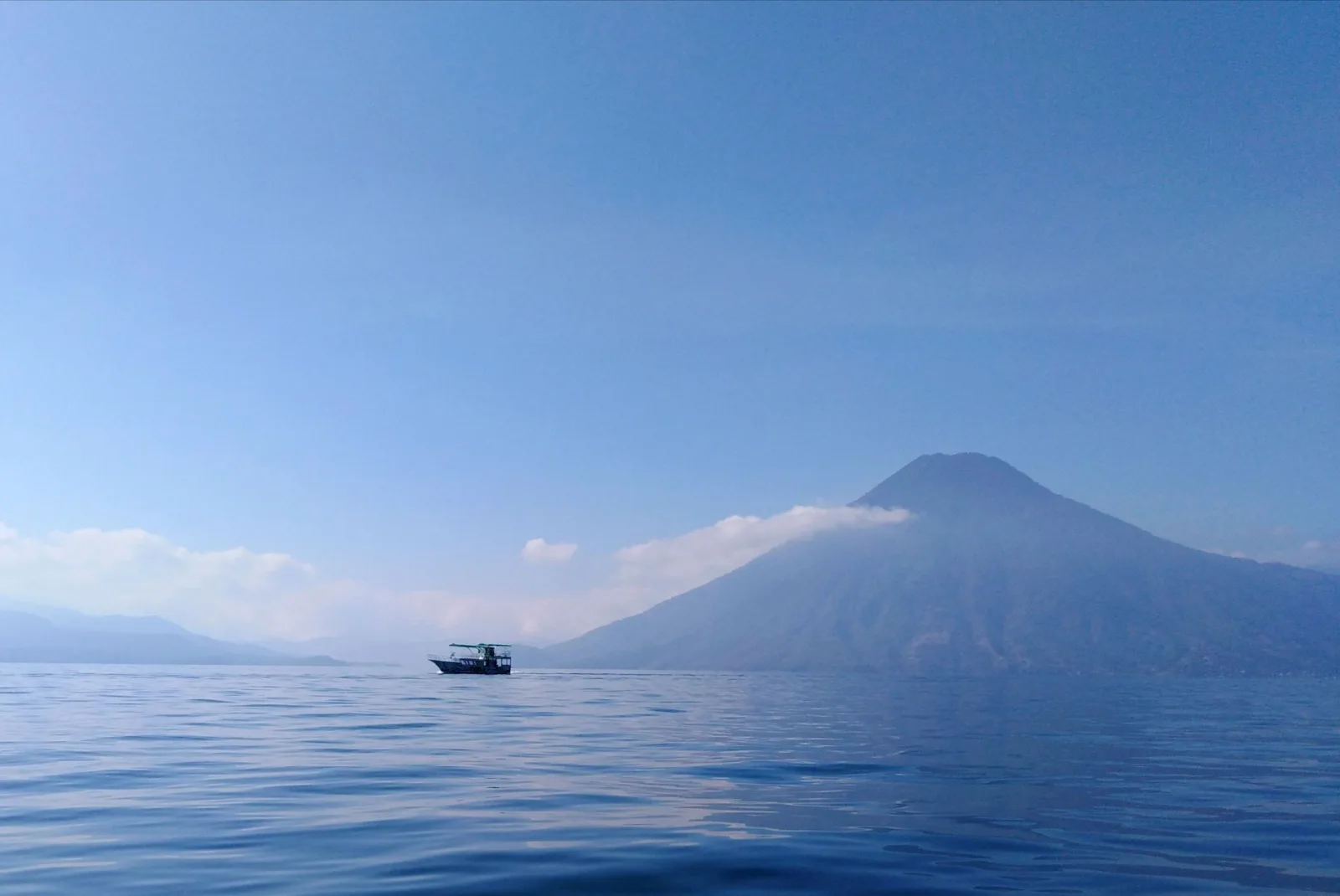
The lake region experiences bright, sunny days with very little wind or rain.
Daytime: 22–28°C (72–82°F) — Ideal for boat tours and kayaking.
Nighttime: 10–14°C (50–57°F) — Cool and breezy off the water.
Verdict: Excellent visibility for photography and enjoying the volcano views.
Major Festivals During the Dry Season
The dry season coincides with some of Guatemala's most vibrant and culturally significant celebrations.
Semana Santa (Holy Week)
Occurring in March or April, this is the most spectacular festival in Guatemala. Antigua famous for its intricate "alfombras" (sawdust carpets) and massive religious processions.
Impact: Hotels in Antigua book out 6–8 months in advance, and prices triple.
Tip: If you want to experience it, book immediately. If you prefer quiet, avoid Antigua entirely during this week.
Día de los Santos (Nov 1–2)
Marking the start of the dry season, this holiday honors the deceased. The town of Sumpango hosts the famous Festival de Barriletes Gigantes (Giant Kite Festival).
Highlight: Massive, colorful kites made of bamboo and paper are flown to communicate with spirits.
Logistics: A popular day trip from Antigua or Guatemala City.
Peak Season Tips for Indian Travelers
How to navigate the crowds and secure the best logistics during the most popular time to visit.
Booking & Logistics
Because the dry season aligns with Indian winter holidays, demand from international and domestic tourists is at its highest.
Flights: Book international flights from India 4–6 months in advance. Fares peak in December and January.
Hotels: Boutique hotels in Antigua and lakefront properties in Atitlán sell out fast. Secure your rooms by August for December travel.
Shuttles: Pre-book your tourist shuttles and domestic flights to Tikal. Walk-up availability is rare during peak weeks.
Packing for the Dry Season
The lack of rain means dust and intense sun, but the altitude still brings cold nights.
Sun Protection: The high-altitude sun is deceptive. Pack SPF 50+, sunglasses, and a wide-brimmed hat.
Dust Mask/Scarf: Dirt roads in the dry season can be very dusty. A lightweight scarf is useful for shuttle rides.
Layers: T-shirts for the afternoon, but a warm down jacket or fleece is mandatory for early morning Tikal tours and chilly Antigua evenings.
Want a hassle-free Guatemala trip during the peak dry season? Our packages include pre-booked shuttles, boutique hotels, and guided tours.
Quick answers to weather and timing questions from Indian travelers.
1What months make up the dry season in Guatemala?
The dry season, locally known as "Verano" (summer), runs from November to April. During this period, skies are generally clear, humidity is lower, and rainfall is minimal, making it the most popular time for tourism.
2Is the dry season the best time for Indian tourists to visit Guatemala?
Yes, the dry season is widely considered the best time to visit. The clear skies are perfect for exploring the Tikal ruins, hiking volcanoes like Pacaya, and enjoying boat tours on Lake Atitlán. Additionally, it aligns with Indian winter holidays (December–January), though you must book well in advance.
3How crowded is Guatemala during the dry season?
It is the peak tourist season, so major attractions like Antigua, Lake Atitlán, and Tikal will be busier. The absolute peak is during Christmas, New Year, and Semana Santa (Holy Week in March/April). For a balance of good weather and smaller crowds, target the shoulder months of November or late April.
4What should I pack for the Guatemalan dry season?
Pack layers! In the highlands (Antigua, Atitlán), days are warm and sunny (20–25°C) but nights are chilly (10–12°C). Bring a warm fleece or jacket. For the lowlands (Tikal), it will be hot and dry (25–35°C), so pack lightweight, breathable clothing, a wide-brimmed hat, and strong sunscreen.
5Are flights and hotels more expensive during the dry season?
Yes, international flights from India and boutique hotel rates in Antigua and Atitlán will be at their highest between December and February. To secure the best rates and availability, Indian travelers should book their flights and accommodations 4 to 6 months in advance.
Note: While the dry season offers the best weather, it is also the busiest time. Always verify your shuttle and hotel bookings well in advance, and carry plenty of water to stay hydrated in the dry, sunny climate. For a complete overview of national logistics and alternative travel windows, refer to the ultimate Guatemala travel guide.