Hawaii ESTA & US Visa processing delays for Indian passport holders (Jan 2026)
Inter-island ferry suspensions & new direct flight routes from Delhi/Mumbai
Honolulu hotel tax changes & updated visitor bureau guidelines for 2026
Fact-checked April 2026
Last updated: April 2026
Capture Hawaii Like a Pro: Photography Tips for Indian Travelers
Practical guidance for capturing stunning Hawaii travel photos — from golden hour timing to cultural respect.
Hawaii offers some of the world's most photogenic landscapes — from volcanic sunrises to turquoise beaches. For Indian travelers, capturing these moments requires understanding local light conditions, cultural sensitivities, and practical gear protection. This cluster page focuses exclusively on photography logistics: best shooting locations, camera settings for tropical conditions, drone regulations, and respectful cultural photography. For complete Hawaii planning, see the parent Hawaii Travel Guide for Indians.
Best Photography Locations in Hawaii
Curated spots for sunrise, sunset, landscapes, and cultural photography across the islands.
Location
Island
Best Time
India Traveler Tip
Diamond Head Summit
Oahu
Sunrise (5:30–6:30 AM)
Arrive early for parking; use wide-angle for Waikiki skyline; bring tripod for low light
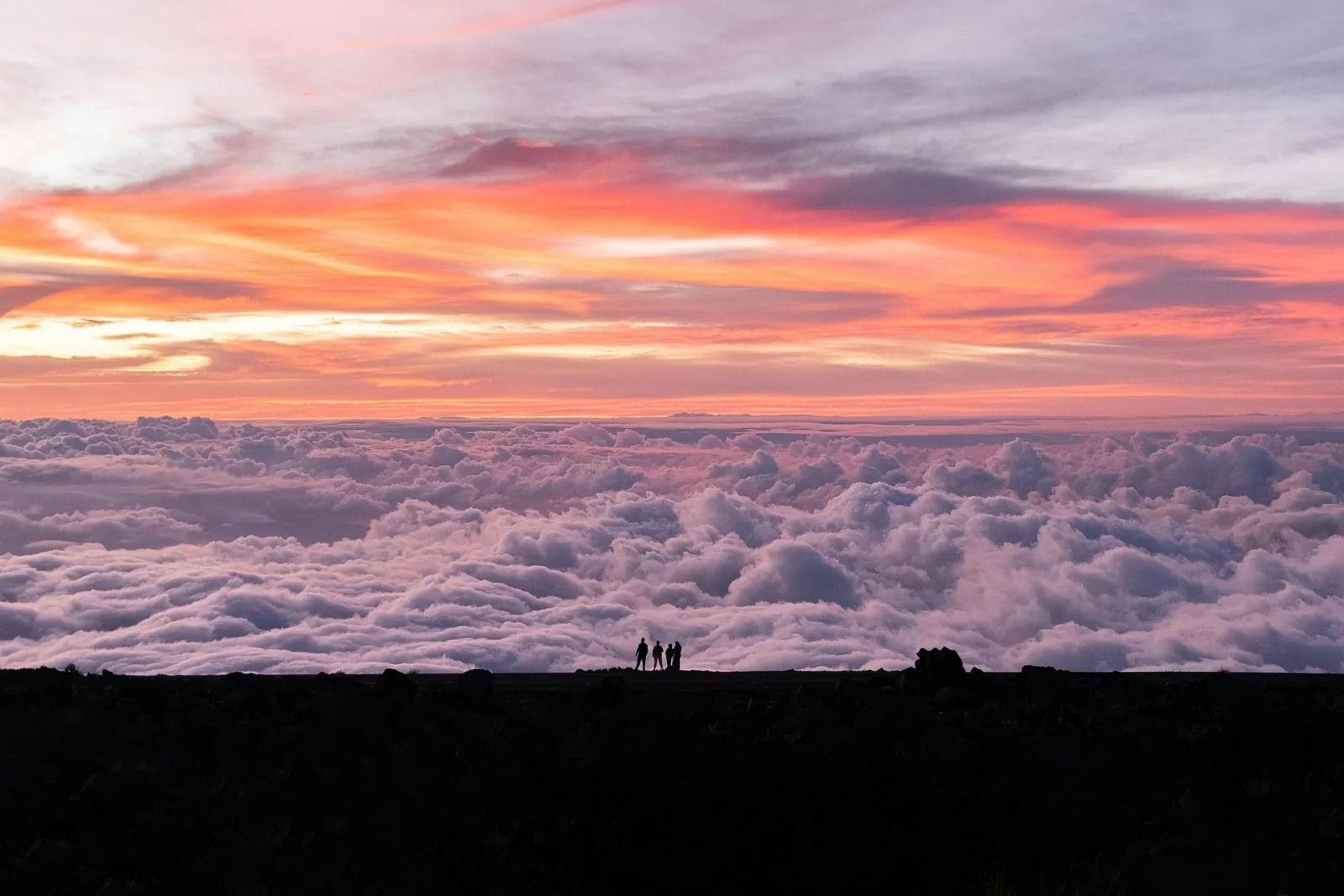
Haleakalā Summit
Maui
Sunrise (reservation required)
Book 60 days ahead; temps near freezing — dress warmly; use telephoto for crater details
Waimea Canyon Lookouts
Kauai
Late afternoon (golden light)
Multiple viewpoints along road; use polarizing filter to reduce haze; bring extra batteries
Punaluʻu Black Sand Beach
Big Island
Mid-morning or late afternoon
Spot sea turtles from distance; use telephoto for wildlife; respect no-touch rules
Road to Hana Waterfalls
Maui
Midday (waterfalls backlit)
Use ND filter for long exposures; bring rain cover for gear; shoot from safe viewpoints
Pro Tip: Download offline maps with photo spot coordinates — cell service is limited in remote Hawaii locations.
Camera Settings for Hawaii's Tropical Conditions
Practical settings guidance for landscapes, seascapes, and cultural photography.
Recommended Settings
Landscapes: Aperture priority, f/8–f/11, ISO 100–200, tripod for stability
Seascapes: Slow shutter (1/15–1s) with ND filter for smooth water; polarizer for reflections
Sunrise/Sunset: Manual mode, ISO 400–800, f/5.6–f/8, bracket exposures for HDR
Wildlife: Telephoto lens (200mm+), continuous autofocus, burst mode for action
Cultural Events: Silent shutter mode, no flash at lūʻau or ceremonies, respect posted rules
Tropical Humidity: Silica gel in camera bag, avoid rapid temp changes, clean lenses daily
For complete Hawaii adventure activity guidance including photography tours, see the Hawaii Adventure Guide.
Drone Photography Rules in Hawaii for Indian Travelers
FAA regulations, state park restrictions, and cultural considerations for aerial photography.
Important: Many Hawaii state parks and all National Park Service areas prohibit drone use without special permits. Always check signage and official websites before flying.
Key Drone Regulations
FAA Registration: Required for drones >250g; register at faa.gov before travel
Flight Limits: Below 400ft AGL, visual line-of-sight, away from airports and crowds
National Parks: Prohibited in all NPS areas (Volcanoes NP, Haleakalā NP) without permit
State Parks: Most prohibit drones; check Hawaii DLNR website for specific park rules
Wildlife: Maintain 100+ ft distance from sea turtles, birds, and marine mammals
Cultural Sites: Avoid flying over heiau (temples) or sacred areas out of respect
Insurance: Consider liability coverage for drone operations in tourist areas
Tip: Scout locations on foot first — many iconic Hawaii views are better from ground level
Cultural Etiquette for Photography in Hawaii
Respectful photography practices for Hawaiian culture, people, and sacred sites.
Respectful Photography Practices
People: Always ask permission before photographing individuals, especially at cultural events
Lūʻau & Ceremonies: Follow event rules — many prohibit flash or restrict photography during sacred moments
Heiau (Temples): Some sacred sites prohibit photography; look for signage and respect local customs
Wildlife: Maintain safe distances from sea turtles, monk seals, and birds — never chase for photos
Private Property: Respect "No Trespassing" signs; many iconic Hawaii views are on private land
Tip: Learn basic Hawaiian phrases like "E kala mai" (excuse me) when asking to photograph people
For complete Hawaii cultural guidance including lūʻau etiquette, see the Hawaii Lūʻau Guide.
Frequently Asked Questions — Hawaii Photography for Indians
Direct answers to photography logistics, gear, and cultural questions from Indian travelers.
1What are the best times for photography in Hawaii?
Golden hour (sunrise ~5:30–6:30 AM, sunset ~6:30–7:30 PM HST) offers the best light. Blue hour before sunrise and after sunset is ideal for cityscapes and seascapes.
2Are drones allowed in Hawaii for Indian travelers?
Yes, but with restrictions. FAA rules apply: register drones >250g, fly below 400ft, avoid airports and national parks. Many Hawaii state parks prohibit drones — check signage.
3What camera settings work best for Hawaii landscapes?
Use aperture priority (f/8–f/11) for landscapes, ISO 100–400 for daylight, shutter speed 1/125s or faster for handheld. Use a tripod for sunrise/sunset long exposures.
4Can I photograph people and cultural sites in Hawaii?
Always ask permission before photographing people. At cultural sites like heiau (temples) or lūʻau, respect posted rules — some ceremonies prohibit photography.
5How do I protect my camera gear in Hawaii's humid climate?
Use silica gel packs in your camera bag, avoid rapid temperature changes, and clean lenses daily. Salt air can corrode metal parts — wipe gear after beach shoots.
Planning a photography-focused Hawaii trip? Our packages include sunrise location guidance, cultural etiquette briefings, and gear protection tips for Indian travelers.
Note: Photography regulations, park rules, and cultural guidelines change frequently. Verify current drone policies, site restrictions, and event photography rules before travel. Always prioritize respect for people, culture, and environment over getting the perfect shot.
About This Hawaii Photography Guide
This photography guide provides India-specific guidance for capturing Hawaii travel photos. Content covers location recommendations, camera settings, drone regulations, and cultural etiquette. Updated quarterly for accuracy.
Verified Photography Data
Location recommendations, drone regulations, and cultural guidelines are cross-checked against Hawaii DLNR, National Park Service, and FAA resources for 2026 accuracy.
India-Specific Photography Focus
Guidance addresses Indian traveler priorities: gear protection in tropical climates, cultural respect protocols, FAA drone registration from India, and golden hour timing aligned with Hawaii time zones.
Fill out the enquiry form below and our travel experts will help you plan your Hawaii photography vacation with sunrise location guidance, cultural etiquette briefings, and gear protection tips.
Includes US visa guidance, inter-island flights, photography-friendly resorts, and location sequencing for Indian travelers seeking stunning travel photos.