Aerial view of the Zocalo and Metropolitan Cathedral in Mexico City

Mexico City Travel Guide
Neighborhoods, Transport & Food

Your hyper-local guide to navigating CDMX safely, eating well, and exploring the cultural heart of Mexico.

Written by Sunita Lal — North America Travel Specialist
Reviewed by Anita Pattigili · North America Travel Reviewer
Last updated after reviewing:
  • Mexico City Metro Line 1 expansion and new security protocols for 2025-2026
  • Frida Kahlo Museum (Casa Azul) online ticketing and capacity limits update
  • Air quality index (AQI) trends and wildfire smoke impacts in CDMX during dry season
Welcome to Mexico City (CDMX)
A megalopolis built on an ancient Aztec lake, blending pre-Hispanic ruins with world-class modern culture.

The City at a Glance

Mexico City is not just a stopover; it is a destination that demands at least 3 full days. Sitting at an altitude of 2,240 meters (7,350 ft), it offers a mild, spring-like climate year-round.

  • Population: Over 22 million in the greater metropolitan area.
  • Vibe: Cosmopolitan, artistic, and deeply historical. Often called the "Paris of Latin America."
  • Language: Spanish (English is widely spoken in tourist zones like Roma and Condesa).
  • Currency: Mexican Peso (MXN). Carry USD from India to exchange locally.

For a complete breakdown of how CDMX fits into your broader vacation, read our comprehensive Mexico Travel Guide.
Safe Neighborhoods to Stay in CDMX
Where should Indian tourists stay? Safety, walkability, and access to vegetarian food are key factors.

Top Areas for Indians

  • Roma & Condesa: The best areas for first-timers. Tree-lined streets, Art Deco architecture, incredibly safe, and packed with vegan/vegetarian cafes. Walkable and vibrant.
  • Polanco: The upscale "Beverly Hills" of CDMX. Very safe, luxury shopping, and high-end dining. Excellent for families and honeymooners on a premium budget.
  • Centro Histórico: The cultural heart. Best for budget travelers who want to be steps away from the Zócalo and major museums. Can be noisy and crowded; stick to well-lit main streets at night.
  • Coyoacán: A bohemian, village-like feel in the south. Home to the Frida Kahlo Museum. Quieter, very safe, and great for a relaxed stay.
Must-See Attractions in Mexico City
From ancient pyramids to surreal art museums, CDMX has more museums than any other city in the world.

The Essential List

  • Zócalo & Templo Mayor: The massive main square and the ruins of the Aztec capital Tenochtitlan right in the city center.
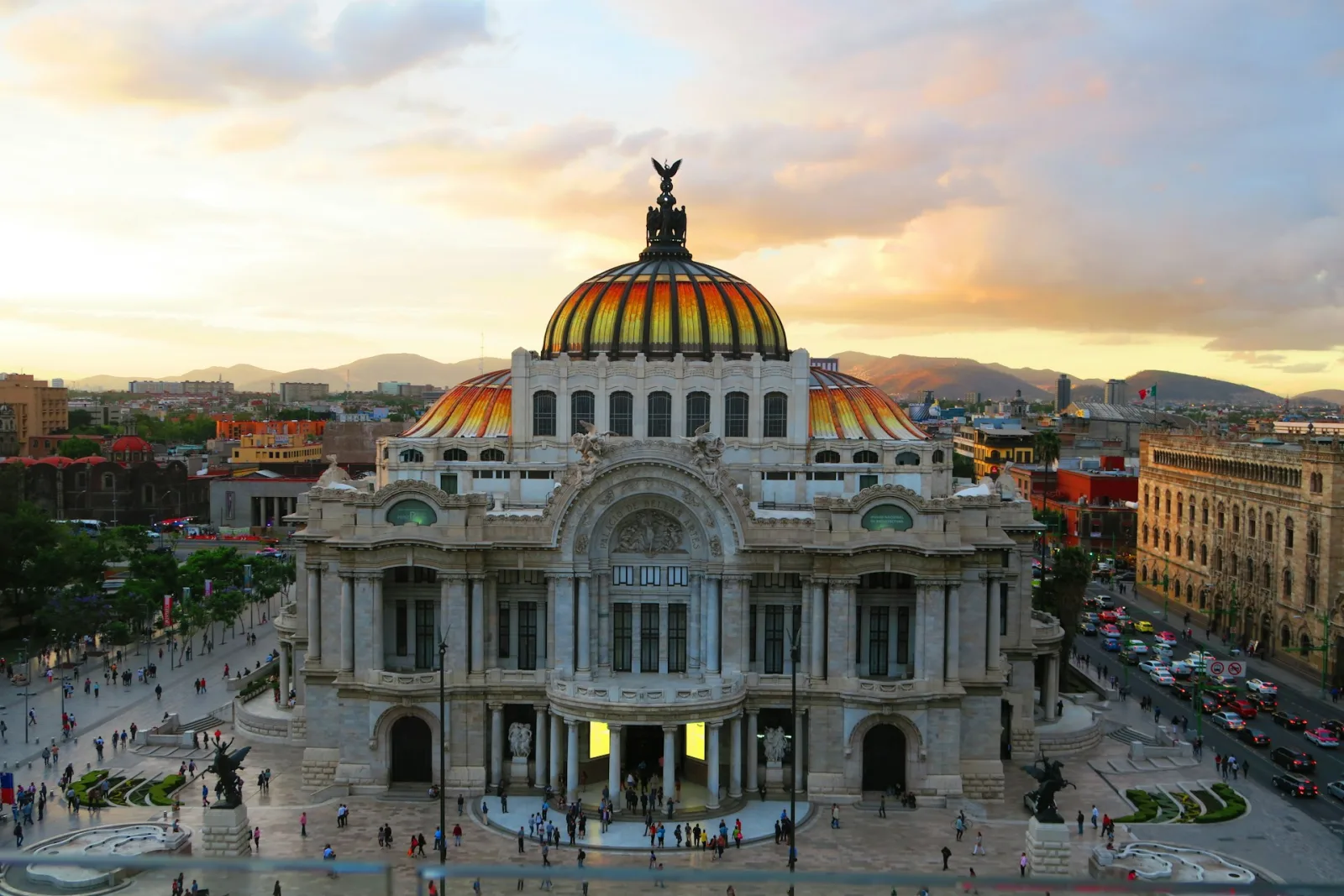
  • Palacio de Bellas Artes: Stunning white marble cultural center with breathtaking Diego Rivera murals inside.
  • Teotihuacan Pyramids: A 1-hour drive outside the city. Climb the Pyramid of the Sun and walk the Avenue of the Dead. Go early to beat the heat and crowds.
  • Frida Kahlo Museum (La Casa Azul): The iconic blue house in Coyoacán. Mandatory: Book tickets online weeks in advance; they do not sell at the door.
  • Chapultepec Park & Castle: A massive urban park featuring a hilltop castle with panoramic views and excellent museums.

Wondering how to fit these into your schedule? Check our optimized Mexico Itinerary Guide for day-by-day routing.

Getting Around Mexico City
Navigating CDMX is affordable and efficient if you use the right mix of apps and public transit.

Transport Options

  • Uber & DiDi: The safest and most convenient way to get around. Fares are incredibly cheap compared to India (₹150–₹400 for cross-city rides). Always use the app; do not hail street taxis at night.
  • Metro (Subway): Costs a flat ₹25 per ride regardless of distance. It is extensive and fast. Tip: Use the "Women and Children" designated cars during peak hours for a more comfortable ride.
  • Metrobus: Dedicated bus lanes that bypass traffic. Great for traveling along major avenues like Insurgentes.
  • Walking: Roma, Condesa, and Polanco are highly walkable. The Centro Histórico is best explored on foot during daylight hours.

For a detailed breakdown of transport costs and how to budget for domestic flights to your next destination, see our Mexico Trip Cost from India guide.

Vegetarian Food in Mexico City
CDMX is a paradise for vegetarians and vegans, offering both traditional Mexican dishes and modern plant-based cuisine.

Where to Eat

Traditional Mexican street food is heavily vegetarian-friendly. Look for quesadillas (cheese), elotes (street corn), nopales (cactus salad), and tacos de frijol (bean tacos).

  • Mercado de Jamaica: The city's main flower and produce market. Incredible fresh fruit, juices, and cheap vegetarian market meals.
  • Mercado de San Juan: A gourmet food market. While famous for exotic meats, it has excellent gourmet cheese, olive, and produce stalls.
  • Roma & Condesa Cafes: Neighborhoods like Roma Norte are packed with dedicated vegan and vegetarian restaurants (e.g., Larios, Cicciolina).
  • Churros: Grab fresh churros from the famous stand in the Alameda Central park — completely vegetarian and delicious.
Safety & Practical Tips for Indians
Essential logistics to keep in mind before and during your stay in the capital.

Crucial Advice

  • Altitude Sickness: CDMX is at 2,240m. You may feel breathless or get a mild headache on Day 1. Drink plenty of bottled water, avoid alcohol on your first night, and rest.
  • Water: Never drink tap water. Even use bottled water for brushing your teeth if you have a sensitive stomach.
  • Petty Theft: Pickpocketing can happen in crowded areas like the Metro or the Zócalo. Keep your phone in your front pocket and don't flash expensive cameras or jewelry.
  • Air Quality: During the dry season (March-May), the air quality can be poor due to surrounding wildfires. Check the AQI app if you have respiratory sensitivities.
  • Tipping: 10-15% is standard in sit-down restaurants if a service charge isn't included.

Want a hassle-free Mexico City experience? Our packages include hotels in safe neighborhoods, guided tours, and all transfers.

View Mexico Tour Packages →

Is Mexico City safe for Indian tourists? Yes, neighborhoods like Roma, Condesa, and Polanco are very safe. Use Uber/DiDi at night and exercise standard big-city awareness.

How many days in CDMX? Minimum 3 full days. Day 1: Centro Histórico. Day 2: Teotihuacan & Frida Kahlo. Day 3: Chapultepec & Roma/Condesa.

Is the water safe to drink? No. Always drink bottled water and avoid ice in street drinks unless you are sure it's purified.

Mexico City Guide — Frequently Asked Questions
Quick answers to common questions about navigating, staying, and eating in CDMX.
1Is Mexico City safe for Indian tourists?
Yes, the main tourist neighborhoods like Roma, Condesa, Polanco, and the Centro Histórico are generally safe for Indian tourists. Standard precautions apply: use Uber or DiDi at night, avoid displaying expensive jewelry, and stay aware of your surroundings in crowded areas like the Metro.
2How many days do I need in Mexico City?
You need a minimum of 3 full days to cover the highlights of Mexico City. Day 1 for the Centro Histórico and Zócalo, Day 2 for Teotihuacan pyramids and the Frida Kahlo Museum, and Day 3 for Chapultepec Park and the trendy Roma/Condesa neighborhoods.
3What is the best area to stay in Mexico City for Indians?
Roma and Condesa are the best areas for first-time visitors. They are safe, walkable, filled with excellent vegetarian-friendly restaurants, and have a vibrant cafe culture. Polanco is ideal for luxury travelers, while the Centro Histórico is best for those on a strict budget who want to be near major museums.
4Is the Mexico City Metro safe to use?
The Mexico City Metro is extremely cheap (₹25 per ride) and efficient. It is generally safe during the day, but it gets incredibly crowded during rush hours (8-10 AM and 6-8 PM). Women can use the dedicated "Women and Children" cars for added comfort and safety.
5Can vegetarians find good food in Mexico City?
Absolutely. Mexico City is one of the most vegetarian-friendly cities in Latin America. You can find excellent vegan and vegetarian restaurants in Roma and Condesa. Traditional markets like Mercado de Jamaica offer fresh produce, and local street food like quesadillas, elotes (corn), and nopales (cactus) are naturally vegetarian.
6Do I need to worry about altitude sickness in CDMX?
Mexico City sits at 2,240 meters (7,350 feet). Some Indian travelers may experience mild altitude sickness (headache, shortness of breath) on the first day. To acclimatize, drink plenty of bottled water, avoid heavy meals and alcohol on your first night, and take it easy during the first 24 hours.

Note: Neighborhood safety dynamics can change. Always check recent local advisories and ask your hotel concierge for the safest routes when exploring new areas. Prices for transport and food are approximate and subject to inflation.

About This Mexico City Guide

This hyper-local guide is a specialized resource within our comprehensive Mexico Travel Guide. It helps Indian travelers navigate the complexities of Mexico City with confidence, focusing on safety, logistics, and cultural immersion.
Expert Curated Data

Neighborhood recommendations and transport tips are verified by travel professionals who regularly lead group tours through CDMX.

Regularly Updated

Museum booking rules, Metro security updates, and restaurant recommendations are reviewed annually to reflect the latest 2026 travel realities.

India-Specific Context

All advice is tailored to Indian travelers, covering altitude acclimatization, vegetarian food availability, and safe transit options for first-time visitors.

Plan Your Mexico City Trip

Fill out the enquiry form below and our travel experts will help you plan a customized Mexico tour featuring the best of CDMX.

Get assistance with safe hotel selections, museum tickets, guided city tours, and complete Mexico packages.

Enquire About This Package