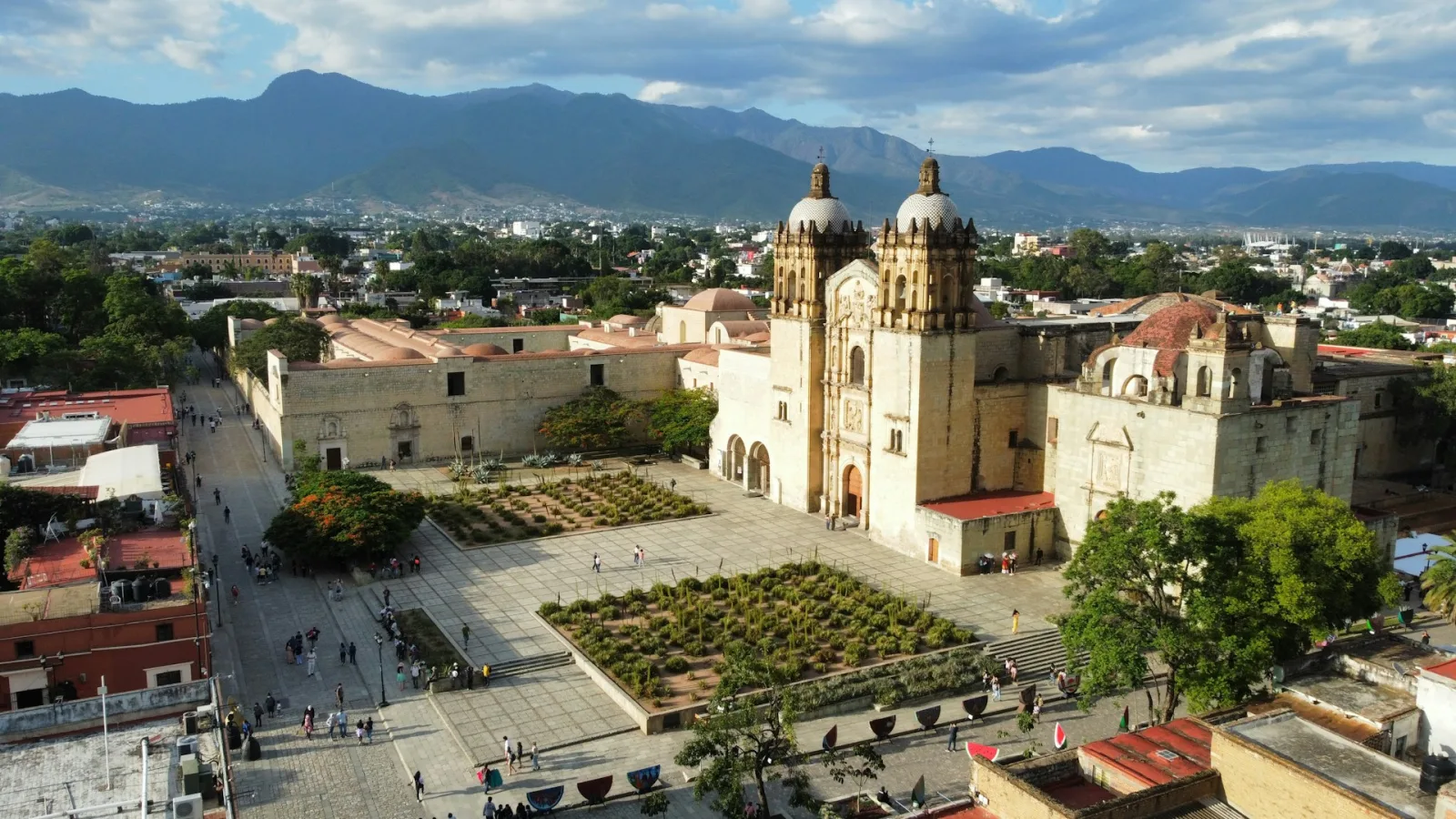
Colorful colonial architecture and the Santo Domingo church in Oaxaca City, Mexico

Oaxaca Travel Guide
Culture, Food & Mezcal

Your hyper-local guide to Mexico's culinary and artisan capital, blending ancient Zapotec heritage with vibrant modern life.

Written by Sunita Lal — North America Travel Specialist
Reviewed by Anita Pattigili · North America Travel Reviewer
Last updated after reviewing:
  • Guelaguetza festival dates and Oaxaca crowd management updates for 2025-2026
  • Monte Albán archaeological site new entry time slots and capacity limits
  • Oaxaca artisan market pricing and Mezcal denomination of origin regulations
Welcome to Oaxaca
The soul of Mexico — where indigenous traditions, world-class gastronomy, and artisan crafts collide.

The City at a Glance

Oaxaca (pronounced wah-HAH-kah) is a colonial city nestled in a high valley in southern Mexico. It is the capital of the state of the same name and is widely considered the cultural and culinary heart of the country.

  • Altitude: 1,550 meters (5,090 ft) — generally mild, but bring a jacket for cool evenings.
  • Vibe: Bohemian, artistic, deeply traditional, and incredibly welcoming. A UNESCO World Heritage site.
  • Language: Spanish, alongside 16 indigenous languages (Zapotec and Mixtec are most common).
  • Currency: Mexican Peso (MXN). Cash is king in local markets and artisan villages.

For a complete breakdown of how Oaxaca fits into your broader vacation, read our comprehensive Mexico Travel Guide.
Oaxacan Culture & Artisan Crafts
Oaxaca is Mexico's premier destination for traditional arts. Every village surrounding the city specializes in a unique craft.

Masterpiece Crafts

  • Alebrijes: Fantastically carved and painted wooden animal spirits. The village of San Martín Tilcajete is the epicenter of this art form.
  • Barro Negro (Black Pottery): Unique, shiny black clay pottery from San Bartolo Coyotepec, fired in a special reduction kiln.
  • Textiles: Hand-woven rugs and tapestries using natural dyes (like cochineal and indigo) in Teotitlán del Valle.
  • Huipiles: Traditional, heavily embroidered dresses worn by indigenous women, each pattern representing a specific village.

Looking for the best places to buy these crafts? Check our Mexico Shopping & Markets Guide for tips on bargaining and authentic sourcing.

Oaxacan Food & Mezcal
Oaxaca is known as the "Land of the Seven Moles." Its cuisine is so significant it is recognized by UNESCO.

The Culinary Holy Grail

Oaxacan food is complex, spicy, and deeply rooted in indigenous Zapotec traditions. It is a must-do for any Indian food lover.

  • Mole: A rich, complex sauce made with up to 30 ingredients, including chili peppers, spices, nuts, and chocolate. Try Mole Negro, Mole Rojo, and Mole Amarillo.
  • Tlayudas: Often called "Oaxacan pizza." A massive, crispy tortilla topped with bean paste, Oaxacan string cheese (quesillo), avocado, and your choice of meat or veggies.
  • Chapulines: Toasted grasshoppers seasoned with chili, lime, and garlic. A crunchy, protein-rich local delicacy.
  • Quesillo: The famous Oaxacan string cheese, used in almost every dish. Vegetarian-friendly and delicious.

Mezcal Tasting

Oaxaca produces over 80% of the world's Mezcal. It is an artisanal spirit, sipped slowly, not shot.

  • Mezcal vs. Tequila: Tequila is made only from Blue Agave. Mezcal can be made from over 30 agave varieties and is traditionally roasted in underground pits, giving it a signature smoky flavor.
  • Tasting Rooms: Visit In Situ or Mezcaloteca in the city center for guided tastings with expert sommeliers.
  • Distillery Tours: Take a half-day tour to family-run palenques (distilleries) in the surrounding valleys to see the traditional production process.
  • Worm Myth: High-quality Mezcal never has a "worm" in the bottle. That is a marketing gimmick for low-quality products.

Want to dive deeper into Mexican cuisine? Read our complete Mexico Food & Cuisine Guide.

Top Attractions in & Around Oaxaca
From ancient Zapotec ruins to petrified waterfalls, Oaxaca's surroundings are as stunning as its city center.

The Essential List

  • Monte Albán: The ancient Zapotec capital perched on a flattened mountaintop overlooking the valley. Go at opening time (8 AM) to avoid crowds and heat.
  • Hierve el Agua: "Petrified waterfalls" — natural mineral rock formations that look like cascading water, featuring infinity pools overlooking the valley.
  • Santo Domingo de Guzmán: A stunning 16th-century church with an interior covered in intricate gold leaf. The attached cultural museum is excellent.
  • Mercado 20 de Noviembre: A bustling market where you pick your raw meat or veggies at the butcher, and they grill it for you right there over open coals.
  • Árbol del Tule: A massive Montezuma cypress tree with the stoutest trunk of any tree in the world, located just outside the city.

Wondering how to fit these into your schedule? Check our optimized Mexico Itinerary Guide for day-by-day routing.

Getting Around Oaxaca
Navigating Oaxaca City is easy on foot, but exploring the surrounding villages requires local transport.

Transport Options

  • Walking: The historic center of Oaxaca is compact, flat, and highly walkable. Most restaurants, museums, and markets are within a 15-minute walk of the Zócalo.
  • Taxis & Uber: Taxis are cheap and plentiful. Uber also operates in Oaxaca and is often slightly cheaper. Always agree on a fare before getting into a street taxi if it doesn't have a meter.
  • Colectivos: Shared vans that depart from specific corners in the city to surrounding villages (e.g., to Teotitlán del Valle or San Bartolo Coyotepec). Very cheap (₹50–₹150) but can be confusing for first-timers.
  • Guided Tours: For sites like Hierve el Agua or the Mezcal route, booking a small group van tour is the most stress-free and cost-effective option for Indian travelers.

For a detailed breakdown of transport costs and how to budget for your trip, see our Mexico Trip Cost from India guide.

Safety & Practical Tips for Indians
Essential logistics to keep in mind before and during your stay in Oaxaca.

Crucial Advice

  • Safety: Oaxaca is exceptionally safe for tourists. Violent crime is rare. The main risk is petty theft in crowded markets — keep your valuables secure.
  • Altitude: At 1,550m, Oaxaca is milder than Mexico City, but you may still feel slightly breathless on your first day. Stay hydrated.
  • Spice Levels: Oaxacan food can be very spicy. Learn to say "Sin picante, por favor" (No spice, please) if you have a low tolerance, though many traditional moles have a mild, complex heat.
  • Cash is Essential: While nice restaurants take cards, you need cash (Pesos) for markets, street food, village artisans, and colectivos. ATMs in the city center are reliable.
  • Siesta Time: Many small shops and markets close between 2 PM and 4 PM. Plan your shopping accordingly.

Planning your trip around the weather and festivals? Check our Best Time to Visit Mexico guide for month-by-month details.

Want a hassle-free Oaxaca experience? Our packages include boutique hotels, guided mezcal tours, and all village transfers.

View Mexico Tour Packages →

Is Oaxaca safe for Indian tourists? Yes, Oaxaca is one of the safest cities in Mexico. The historic center is highly walkable and heavily populated with tourists and locals.

How many days in Oaxaca? Minimum 3 full days. Day 1: City center & markets. Day 2: Monte Albán & Mezcal route. Day 3: Hierve el Agua & artisan villages.

What is the food like? Oaxaca is the culinary capital of Mexico, famous for its seven moles, tlayudas, and artisanal mezcal. Vegetarian options are abundant and delicious.

Oaxaca City Guide — Frequently Asked Questions
Quick answers to common questions about navigating, eating, and exploring Oaxaca.
1Is Oaxaca safe for Indian tourists?
Yes, Oaxaca is widely considered one of the safest cities in Mexico. The historic center is heavily walkable, well-lit, and populated with tourists and locals until late at night. Standard big-city precautions apply, but violent crime against tourists is extremely rare.
2How many days do I need in Oaxaca?
You need a minimum of 3 full days in Oaxaca. Day 1 for the city center, Santo Domingo church, and local markets. Day 2 for the Monte Albán archaeological site and a mezcal distillery tour. Day 3 for a day trip to Hierve el Agua and a weaving village like Teotitlán del Valle.
3What is the best time to visit Oaxaca?
October to April offers the best dry weather. However, if you want to experience the spectacular Guelaguetza indigenous festival, you must visit in late July. Note that Día de los Muertos (Nov 1-2) is also massive in Oaxaca, requiring hotel bookings 6-8 months in advance.
4Can vegetarians find good food in Oaxaca?
Absolutely. Oaxaca is a paradise for vegetarians. You will find incredible cheese quesadillas, tlayudas (Oaxacan pizzas) without meat, stuffed peppers (chiles rellenos), and fresh avocado. The city also has a growing number of dedicated vegan and vegetarian cafes.
5What is the difference between Mezcal and Tequila?
All Tequila is Mezcal, but not all Mezcal is Tequila. Tequila is made exclusively from Blue Agave and mostly produced in Jalisco. Mezcal can be made from over 30 types of agave and is traditionally produced in Oaxaca using underground pit roasting, giving it a distinct smoky flavor.
6Do I need to book Monte Albán in advance?
While you can usually buy tickets at the gate, it is highly recommended to book your entry slot online in advance, especially during peak season (Dec-Apr) or festivals. The site has strict capacity limits and specific entry times.
7How do I get from Oaxaca City to Hierve el Agua?
The best way to reach Hierve el Agua is by joining a guided group tour or hiring a private driver from Oaxaca City. The drive takes about 2 hours on winding mountain roads. Public colectivos are available but require multiple transfers and are not recommended for first-time visitors.

Note: Artisan prices in Oaxaca vary wildly based on quality and authenticity. Always buy directly from the artisans in their village workshops for the best price and to ensure you are supporting the local economy. Prices for food and transport are approximate and subject to inflation.

About This Oaxaca City Guide

This hyper-local guide is a specialized resource within our comprehensive Mexico Travel Guide. It helps Indian travelers navigate the complexities of Oaxaca with confidence, focusing on culture, cuisine, and authentic experiences.

Expert Curated Data

Neighborhood recommendations, artisan village routes, and mezcal tasting tips are verified by travel professionals who regularly lead cultural tours through Oaxaca.

Regularly Updated

Archaeological site booking rules, festival dates, and transport logistics are reviewed annually to reflect the latest 2026 travel realities.

India-Specific Context

All advice is tailored to Indian travelers, covering vegetarian food availability, spice level management, and safe transit options for first-time visitors to southern Mexico.

Plan Your Oaxaca Trip

Fill out the enquiry form below and our travel experts will help you plan a customized Mexico tour featuring the cultural heart of Oaxaca.

Get assistance with boutique hotel selections, artisan village tours, mezcal tastings, and complete Mexico packages.

Enquire About This Package