Welcome to the Samaná Peninsula (2026 Guide)
Where lush mountains meet the Atlantic Ocean — the Dominican Republic's premier eco-tourism destination.
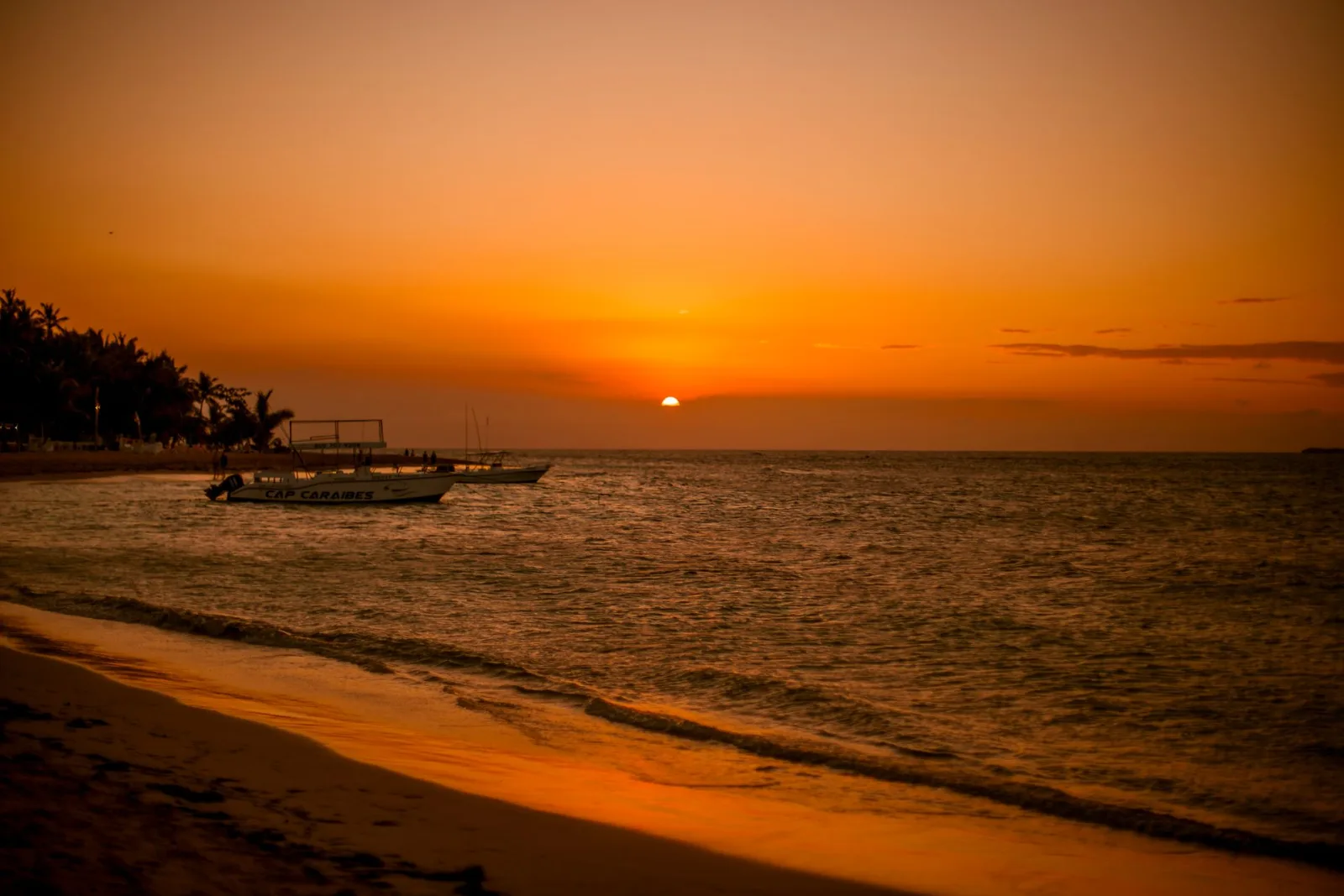
Unlike the manicured resort zones of Punta Cana, the Samaná Peninsula is wild, mountainous, and deeply connected to nature. It is the destination for Indian travelers seeking adventure, wildlife encounters, and a more authentic, bohemian Caribbean experience. From the spectacular humpback whale migration to the hidden jungle waterfalls, Samaná offers a completely different side of the Dominican Republic.
Most itineraries allocate 1 to 2 days here as an excursion from a Punta Cana base, or as a dedicated stop on a longer DR road trip. For a complete breakdown of how to fit Samaná into your vacation, refer to our comprehensive Dominican Republic Travel Guide.
Top Attractions & Must-Do Experiences
From marine giants to hidden jungle cascades, Samaná is packed with natural wonders.
Between mid-January and late March, over 2,000 humpback whales migrate to the warm waters of Samaná Bay to mate and give birth. It is one of the most spectacular wildlife events in the Caribbean.
- Tours: 3 to 4-hour boat excursions depart daily from Samaná city and Las Terrenas.
- Best Time: Early morning departures offer the calmest seas and highest chance of sightings.
- Regulations: Strict rules govern boat distances to protect the whales; always book with certified operators.
For a detailed month-by-month weather breakdown to plan your wildlife trip, see our Best Time to Visit the Dominican Republic guide.
Hidden deep in the jungle, this stunning 40-meter waterfall is a highlight of any Samaná visit. The journey to the base is an adventure in itself.
- The Trek: You can hike (approx. 45 mins) or ride a local guide on horseback through the jungle and across rivers.
- Swimming: You can swim in the natural pool at the base of the falls, though the water is refreshingly cold.
- Guides: Hiring a local guide is mandatory for the horseback route and highly recommended for the hiking trail to ensure safety.
Nature, Beaches & Eco-Tourism
Explore the bohemian beach towns and protected national parks of the peninsula.
Beyond the major attractions, the peninsula offers incredible landscapes and a laid-back coastal vibe.
- Las Terrenas: A bohemian beach town with a strong European expat influence. It features excellent seafood restaurants, boutique hotels, and beautiful, albeit sometimes rough, beaches like Playa Bonita and Playa Cosón.
- Los Haitises National Park: A vast protected area featuring dramatic limestone karst formations, dense mangrove forests, and ancient Taíno cave paintings. Accessible only by boat from Samaná Bay.
- Cayo Levantado (Bacardí Island): A picturesque island in Samaná Bay offering pristine white sand and calm waters, often included in catamaran tours.
Food & Dining in Samaná
Fresh seafood, coconut-infused dishes, and international fusion in Las Terrenas.
The cuisine in Samaná heavily features fresh catches from the Atlantic and the region's abundant coconut palms.
- Pescado con Coco: Fresh fish cooked in a rich, creamy coconut sauce. A must-try coastal specialty.
- Congo: A traditional dish from the Samaná peninsula featuring fish, coconut milk, and plantains.
- Fresh Lobster & Spiny Lobster: Widely available in Las Terrenas and Samaná city, often grilled with garlic butter.
- International Fusion: Las Terrenas boasts a surprising number of high-quality Italian, French, and Mediterranean restaurants catering to the expat community.
Vegetarian Note: Las Terrenas is the most vegetarian-friendly area outside of Punta Cana resorts, with several cafes offering plant-based bowls, pastas, and fresh juices.
Safety & Transport for Indian Travelers
Navigating the winding mountain roads and coastal towns safely.
- General Safety: Samaná is generally very safe. The communities are tight-knit and rely heavily on tourism.
- Jungle Treks: Always go with a certified guide for El Limón or Los Haitises. The terrain can be slippery, and river levels can change rapidly.
- Ocean Currents: Many beaches in Samaná (especially on the Atlantic side) have strong rip currents. Always swim where locals swim and heed warning flags.
- Night Travel: Avoid driving the mountain roads between towns after dark, as lighting is minimal and roads can be winding.
- From Punta Cana: The most comfortable way for Indian tourists to reach Samaná is via a pre-booked private transfer. The drive takes 2.5 to 3.5 hours via the new highway.
- Local Transport: Within towns like Las Terrenas, everything is walkable. For longer distances, local "conchos" (shared taxis) and motoconchos (motorcycle taxis) are available.
- Car Rental: Renting a car is an option for confident drivers, but be prepared for narrow, winding mountain roads and occasional potholes.
- Flights: Samaná has two small airports (El Catey - AZS and Arroyo Barril - EPS), but commercial flights are limited. Road transfer is the standard approach.
For a step-by-step route on how to combine Samaná with the rest of the country, see our Dominican Republic Itinerary Guide.
Practical Travel Tips
Essential information to make your eco-adventure in Samaná smooth and enjoyable.
The best time to visit Samaná depends on your goals. For whale watching, you must visit between January and March. For general beach and jungle exploration, the dry season (December to April) offers the most reliable weather. The region is lush and green year-round due to its high rainfall, so pack a light rain jacket regardless of when you visit.
Since Samaná is focused on nature and adventure, your packing list should reflect that:
- Footwear: Water shoes or sturdy sandals with good grip for waterfall river crossings. Comfortable hiking shoes for El Limón.
- Clothing: Quick-dry clothing, swimwear, and a lightweight rain jacket or poncho.
- Protection: Biodegradable sunscreen (to protect the delicate ecosystems), insect repellent (jungle areas have mosquitoes), and a wide-brimmed hat.
- Gear: A waterproof dry bag for your phone and camera on boat tours and waterfall trips.
Frequently Asked Questions — Samaná Peninsula
Quick answers to the most common nature and adventure questions from Indian travelers.
1Is the Samaná Peninsula safe for Indian tourists?
Yes, the Samaná Peninsula is very safe for Indian tourists. The region is heavily focused on eco-tourism and nature. Towns like Las Terrenas and Samaná city are relaxed and welcoming. Standard precautions apply: avoid isolated areas at night and use trusted local guides for jungle treks.
2How do I get to Samaná from Punta Cana?
The drive from Punta Cana to the Samaná Peninsula takes about 2.5 to 3.5 hours via the newly improved highway (Autovía del Este) and the scenic coastal road. Private transfers are highly recommended for Indian travelers, as public transport can be slow and involves multiple changes.
3When is the best time for whale watching in Samaná?
The absolute best time for whale watching in Samaná Bay is from mid-January to late March. During this window, thousands of humpback whales migrate to the warm Caribbean waters to mate and give birth. Boat tours depart daily from Samaná city and Las Terrenas.
4Do I need a guide to visit El Limón waterfall?
While you can hike to El Limón waterfall independently, hiring a local guide (or opting for the horseback riding tour) is highly recommended. Guides ensure you stay on the correct path through the jungle, help you navigate the river crossings safely, and provide insights into the local flora and fauna.
5Is Las Terrenas better than Punta Cana?
It depends on your travel style. Punta Cana is ideal for luxury, all-inclusive resorts and calm, swimmable beaches. Las Terrenas in Samaná offers a bohemian, eco-chic vibe, dramatic landscapes, and a more authentic Dominican atmosphere, but with fewer large resorts and rougher ocean currents.
Note: Weather conditions in the jungle can change rapidly. Always check local forecasts and heed the advice of your guides regarding river crossings and ocean swimming. Ensure your e-Ticket and visa are sorted well in advance of your arrival in the Dominican Republic.