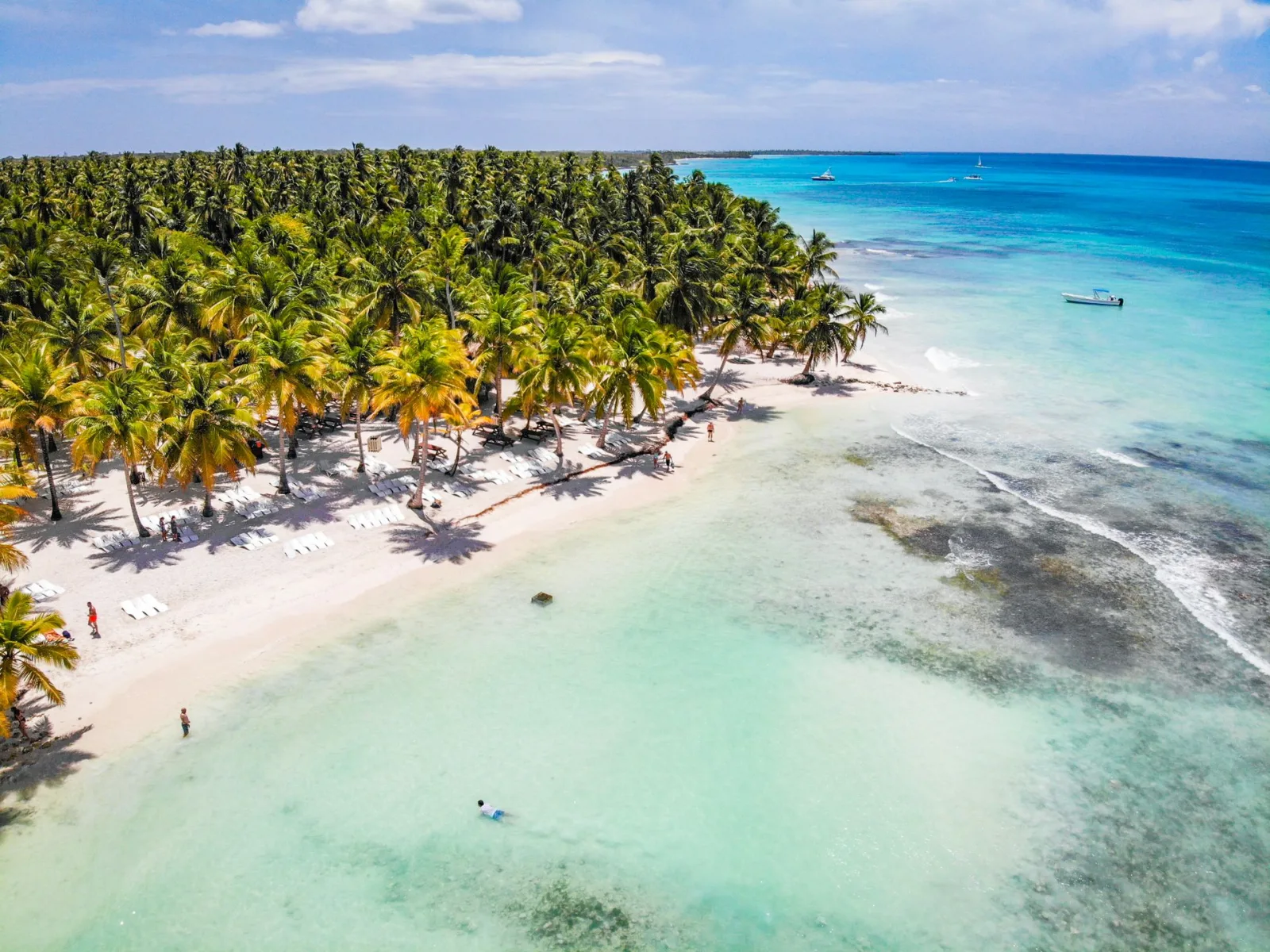
Aerial view of turquoise lagoon and overwater bungalows on a Fiji island at sunrise

Fiji Travel Guide
for Indian Travelers

Visa, cost, itinerary & tips — your complete guide to planning a trip to Fiji from India in 2026.

Updated for 2026 Travelers
Written by Keerthi Reddy — Oceania Travel Specialist
Reviewed by Monika Kulkarni · Oceania Travel Reviewer
Last updated after reviewing:
  • Fiji visa-free extension for Indian passport holders (2025)
  • Nadi International Airport domestic transfer route updates
  • Indian traveler advisories for Mamanuca & Yasawa islands 2026

Last updated: April 2026

Fiji Trip Cost from India (Detailed Breakdown)
Realistic cost breakdown for flights, visa, resorts, food, and total budget for 2026

Cost Breakdown 2026

  • Return Flights: ₹85,000 – ₹1,40,000
  • Visa / Entry Fee: FREE (Visa-free for 120 days)
  • Resorts (per night): ₹5,000 – ₹18,000
  • Food (per day): ₹2,000 – ₹5,000
  • Local Transport & Transfers (per day): ₹800 – ₹2,500
  • Activities & Island Hops: ₹12,000 – ₹28,000 total
  • Travel Insurance: ₹1,500 – ₹3,000
  • Total (7–8 days): ₹1.2L – ₹2.5L per person

Fiji offers excellent value for Indian travelers. While luxury resorts are pricey, local dining, transport, and visa-free entry keep overall costs competitive with other tropical destinations.

Best Departure Cities

  • Delhi (DEL) — Best connections via Singapore, Sydney, or Auckland
  • Mumbai (BOM) — Competitive fares via Dubai or Singapore
  • Bangalore (BLR) — Good options via Singapore Airlines or Air India
  • Chennai (MAA) — Fewer direct connections, requires 2 layovers
  • Kolkata (CCU) — Limited routing, typically via Bangkok or Singapore

Delhi and Mumbai offer the most seamless routing to Nadi International Airport (NAN) with minimal layovers.

Ready to plan your Fiji island getaway? Let us handle flights, resorts, transfers, and tours.

View Fiji Tour Packages →
Flight Routes from India to Fiji
Flights from India to Fiji take 18–24 hours with one or two layovers. Here are the most popular routes.

Delhi to Nadi

  • Route 1: DEL → Singapore (SIN) → Nadi (NAN) (Singapore Airlines + Fiji Airways)
  • Route 2: DEL → Sydney (SYD) → Nadi (Qantas + Fiji Airways)
  • Route 3: DEL → Auckland (AKL) → Nadi (Air India + Air New Zealand)
  • Duration: 19–23 hours
  • Price Range: ₹90,000 – ₹1,50,000

Mumbai to Nadi

  • Route 1: BOM → Dubai (DXB) → Sydney (SYD) → Nadi (Emirates + Qantas)
  • Route 2: BOM → Singapore (SIN) → Nadi (Air India + Fiji Airways)
  • Route 3: BOM → Hong Kong (HKG) → Nadi (Cathay Pacific + Fiji Airways)
  • Duration: 20–26 hours
  • Price Range: ₹85,000 – ₹1,45,000

Note: Nadi International Airport (NAN) is the main international gateway. Domestic seaplanes and ferries connect islands from Nadi Port or Suva Wharf. Check Oceanic travel guides for more regional information.

Fiji vs Maldives Cost for Indian Travelers
How does Fiji compare to the Maldives on cost? Here is a practical comparison for Indian travelers planning a tropical getaway.
Expense Fiji (7 days) Maldives (7 days)
Flights₹85K – ₹1.4L₹75K – ₹1.2L
VisaFREE (120 days)FREE (30 days)
Resorts/night₹5K – ₹18K₹8K – ₹25K+
Food/day₹2K – ₹5K₹4K – ₹8K
Local Transport & Transfers₹800 – ₹2.5K/day₹2K – ₹6K/day
Total Trip₹1.2L – ₹2.5L₹1.5L – ₹3.5L
Flights
Fiji₹85K – ₹1.4L
Maldives₹75K – ₹1.2L
Visa
FijiFREE
MaldivesFREE
Resorts/night
Fiji₹5K – ₹18K
Maldives₹8K – ₹25K+
Food/day
Fiji₹2K – ₹5K
Maldives₹4K – ₹8K
Total Trip
Fiji₹1.2L – ₹2.5L
Maldives₹1.5L – ₹3.5L

Fiji offers significantly better value on-ground (food, island transport, cultural experiences) compared to the Maldives. The slightly higher flight cost is offset by lower daily expenses and free 120-day visa.

Best Time to Visit Fiji from India
Fiji can be visited year-round, but the best time depends on your island preferences and travel goals.
Month Fiji Season Nadi / Viti Levu Mamanucas & Yasawas Suva (Capital) India Travel Note
JanWet Season PeakHot, humid 24–30°CCyclone risk, dramatic skiesHeavy afternoon showersIndia winter holidays — book early
FebWet Season PeakHot 24–31°CHigh humidity, lush greenVery wetOff-peak pricing available
MarLate Wet ✓Warm 23–30°C, rain easingGood, fewer stormsImproving weatherHoli window — moderate crowds
AprTransition ✓Mild 22–28°C, idealClearing skies, calm seasPleasant, cooler nightsShoulder season — best value
MayDry Season Start ✓✓Dry, 20–26°CExcellent visibility, calmClear, low rainPeak Indian travel month — book 4 months ahead
JunDry SeasonCool 19–25°C, pleasantPerfect for snorkelingClear, mildGood post-summer window
JulPeak DryCooler 18–24°CCrowded, ideal weatherDry, crispIndia school holidays — peak demand
AugLate DryCool 18–24°CExcellent diving conditionsClear, low humidityGood pre-autumn window
SepDry End ✓Warming 20–27°CGood, fewer crowdsWarming upPost-monsoon window — moderate
OctWet StartHot 21–28°CIncreasing rainHumidity risingDiwali holidays — moderate
NovWet TransitionHot 23–29°CCyclone season beginsHeavy showers likelyOff-peak — good deals
DecWet PeakHot, humid 24–31°CStorm risk, vibrant natureVery wet, festiveIndia holidays — book 6 months ahead
8-Day Fiji Itinerary for Indian Travelers
A perfect week-long Fiji itinerary covering Nadi, Coral Coast, Mamanuca Islands, and Suva highlights.

Day-by-Day Plan

  • Day 1: Arrive at Nadi — transfer to Coral Coast resort, sunset beach walk
  • Day 2: Sigatoka Sand Dunes, river safari, traditional village visit
  • Day 3: Coral Coast relaxation, snorkeling, sunset cruise preparation
  • Day 4: Ferry to Mamanuca Islands — check into beachfront resort, pool day
  • Day 5: Island hopping, snorkeling at pristine reefs, castaway picnic on uninhabited sandbar
  • Day 6: Return to Nadi — explore Port Denarau, shopping, cultural dinner
  • Day 7: Day trip to Suva — Fiji Museum, Colo-i-Suva Forest Park, return to Nadi
  • Day 8: Nadi local market, souvenir shopping, transfer to airport, departure

Planning Notes

  • Island transfers: Book ferries and seaplanes in advance during peak dry season (May–October)
  • Budget option: Skip luxury Mamanucas — focus on Coral Coast + Nadi for a highly affordable beach holiday
  • Currency: Carry USD cash for easy exchange, though FJD is widely available at ATMs and resorts
  • Language: English and Fijian widely spoken. Hindi is understood in many areas due to Indian diaspora
  • Connectivity: Local SIMs (Vodafone FJ, Digicel) available at Nadi Airport with affordable data packs
  • Vegetarians: Indian vegetarian food widely available in Nadi, Lautoka, and most resorts
  • Book ahead: For May–August travel, book resorts and domestic ferries 3–5 months in advance

Want a hassle-free Fiji island holiday? Our packages include flights, resorts, transfers, and guided tours.

Book Fiji Tour Package →
Fiji Visa for Indians — Complete Guide & Travel Essentials
Essential information for Indian travelers — from Fiji visa requirements and time zones to plug adapters and local transport apps.

Tip: Carry USD cash — exchange rates are often better than using ATMs outside major towns in Fiji.

Fiji Visa for Indians — 2026 Update

Update (2025): Indian passport holders are granted visa-free entry to Fiji for up to 120 days (4 months) for tourism. No prior application or fee required. Simply present valid travel documents at Nadi Immigration. Source: Fiji Immigration Department.

  • Eligibility: All Indian passport holders traveling for tourism
  • Duration permitted: 120 days (4 months) on arrival
  • Required documents: Passport (valid 6+ months, 2 blank pages), confirmed return/onward flight, proof of funds, confirmed accommodation
  • Processing time: Immediate upon arrival at Nadi International Airport
  • Cost: FREE (Visa-free entry)
  • Extension: Possible via Fiji Immigration office if you wish to stay beyond 120 days
  • Business/Work visa: Requires prior application; not covered under tourist visa-free policy
CLICK TO KNOW MORE ABOUT FIJI ENTRY REQUIREMENTS

Time Zone

Fiji follows Fiji Time (FJT), which is UTC+12 and 7.5 hours ahead of Indian Standard Time (IST). There is no daylight saving time, so the difference remains constant year-round.

  • Fiji Time (FJT): UTC+12
  • Fiji is 7.5 hours ahead of Indian Standard Time (IST)
  • When it is 12:00 PM in Fiji, it is 4:30 AM in India
  • Fiji does not observe Daylight Saving Time
  • Business hours typically run from 8 AM to 5 PM FJT on weekdays
  • Banks operate from 9 AM to 4 PM on weekdays
  • Most shopping centers open from 9 AM to 8 PM daily
  • Restaurants serve lunch from 11 AM–2 PM and dinner from 6:30 PM onwards

Country Code

To call Fiji from India, use the international dialing code +679 followed by the local number.

  • International Dialing Code: +679
  • To call Fiji from India, dial: 00-679-XXXXXXX
  • Nadi area code: None (direct dialing)
  • Suva area code: None (direct dialing)
  • Emergency services: 911 (Police/Ambulance/Fire)
  • Tourist police: +679 672 2525
  • Major telecom providers: Vodafone Fiji and Digicel
  • Tourist SIM cards available at Nadi Airport arrivals
  • Free Wi-Fi available in most resorts, cafes, and public spaces

Socket & Plugs

Fiji uses Type I electrical outlets with 240V at 50Hz. Indian travelers will need a plug adapter.

  • Type I — 240V, 50Hz
  • Fiji uses Type I (Australian 3-pin angled) outlets
  • Standard voltage is 240V with a frequency of 50Hz
  • Indian Type C or D plugs require a universal or Type I adapter
  • Universal travel adapters available at Nadi Airport and local electronics shops
  • Most resorts provide adapters at the front desk on request
  • Most modern devices (laptops, phone chargers) support 100–240V
  • Surge protectors recommended for sensitive electronics

Indian High Commission in Fiji

The High Commission of India in Suva provides consular services for Indian nationals.

  • Address: Lot 2, Nasese Road, Suva, Fiji
  • Contact: +679 331 4400 / 331 4401
  • Email: [email protected]
  • Emergency (24/7): +679 992 6000
  • Working Hours: Mon–Fri, 9:00 AM – 5:00 PM
  • Services: passport renewal, emergency certificates, assistance to Indian nationals
  • Register with MADAD portal before travel for advisories and assistance

Fiji Embassy in India

Fiji does not have an embassy in India. Consular matters are handled by the Fiji High Commission in New Delhi or through neighboring embassies.

  • Consular Contact: Managed via High Commission in Suva
  • Visa Info: Visa-free entry granted on arrival for Indian tourists
  • Emergency Contact: +679 331 4400 (Suva High Commission)
  • Email: [email protected] (Regional)
  • Working Hours: Mon–Fri, 9:00 AM – 5:00 PM FJT
  • Note: Always verify travel requirements via official Fiji Immigration before departure
  • Tourist Board: Fiji Visitor Bureau ([email protected])
  • Working Hours: Standard business hours, online support 24/7

Car Driving Orientation

Left-Hand Drive (Same as India)

  • Fiji follows left-hand driving, identical to India's system
  • International Driving Permit (IDP) recommended along with valid home country license
  • Speed limits: 40–50 km/h in urban areas, 60–70 km/h on rural highways
  • Seat belts mandatory for driver and front passengers
  • Driving under influence strictly prohibited (zero tolerance)
  • Car rental available at Nadi Airport and major resorts
  • Local transport (taxis, buses) recommended for city travel
  • Road conditions generally good on main islands but winding in rural areas

App Based Taxi

Uber is NOT available. Use Local Taxis & Resort Transfers

  • Uber does not operate in Fiji
  • Registered taxis are metered and widely available in Nadi, Lautoka, and Suva
  • Resort shuttle services and private transfers are the primary transport option
  • Payment options include cash (FJD or USD), credit cards at larger operators
  • Average fare from Nadi Airport to Coral Coast: FJD 40–70
  • Public buses operate on main island routes but are less frequent in tourist zones
  • Always agree on fare or ensure meter is running before departure
  • Ferry bookings (South Sea Cruises, Yasawa Express) essential for island hopping

Need help with Fiji travel planning? Our team assists with flight routing, resort bookings, and domestic transfers.

Fiji Travel Planning →
Fiji Culture, Language & Local Customs
Understand Fijian language, local slang, and cultural norms to connect better with locals.

Official Language

Fijian (Vosa Vakaviti) & Fiji Hindi — Official Languages + English

  • Fijian is the primary indigenous language, with regional dialect variations
  • Fiji Hindi is widely spoken by the Indo-Fijian community
  • English is the official language of business, tourism, and government
  • Most resort staff and tourism operators speak fluent English
  • Learning basic Fijian greetings like "Bula" and "Vinaka" is highly appreciated
  • Signage in tourist areas is primarily in English
  • Local radio and television broadcast in English, Fijian, and Hindi
  • Translation apps work well with basic English coverage

Local Vocabulary

Understanding these Fijian greeting terms helps connect with locals and show cultural respect.

  • Bula — Hello / Welcome / Life (universal greeting)
  • Vinaka — Thank you
  • Moce — Goodbye
  • Siga vinaka — Good day
  • Yalo vinaka — Good spirit / Well being
  • Talanoa — Casual conversation or storytelling
  • Kava — Traditional ceremonial drink
  • Sevusevu — Formal gift ceremony to village chief
  • Tabua — Sacred whale tooth, symbol of high value
  • Mana — Spiritual power or authority
  • Lolo — Coconut milk

Toilet Signs

Public restrooms are called "Bathroom" or "Toilet" in Fiji. Signs typically display standard pictograms or "Men/Women".

  • Public toilets in resorts are modern and well-maintained
  • Some public facilities charge a small fee (FJD 1–2) in busy areas
  • Shopping malls, restaurants, and resorts have free restrooms
  • Always carry tissues as some rural facilities may not have toilet paper
  • Western-style seated toilets are standard throughout Fiji
  • Portable eco-toilets used on remote island camps
  • Always ask permission before using village facilities
  • Accessible/family restrooms available in modern Suva and Nadi centers

Interesting Facts

Fiji comprises over 330 islands and is home to one of the world's largest soft coral ecosystems.

  • Fiji spans across the International Date Line, making it one of the first places to see each new day
  • The country has the highest consumption of coconuts per capita in the Pacific
  • Traditional Fijian dancing (Meke) is a UNESCO-recognized cultural heritage practice
  • Fiji has the world's largest concentration of manta rays in the Beqa Lagoon
  • Kava (yaqona) ceremonies are central to Fijian social and political life
  • Fiji invented the modern scuba diving certification standard through PADI operations
  • The country has more registered rugby players per capita than any other nation
  • Fiji's national rugby team won Olympic gold in 2016 and 2020
Fiji Shopping & Markets Guide
From South Sea pearls and traditional crafts to local markets and handmade souvenirs.

Shopping Hours

Most Shops: 9:00 AM – 6:00 PM (Weekdays)

  • Shopping malls and supermarkets typically operate from 9:00 AM to 8:00 PM, seven days a week
  • Sunday shopping is limited; many independent village shops close
  • TappooCity (Nadi) and Suva Central are popular shopping hubs
  • Local markets operate in the morning (6 AM – 12 PM) for fresh produce
  • Resort boutiques open from 10 AM to 9 PM daily
  • Flea markets and artisan stalls operate on weekends, typically 10 AM – 5 PM
  • Best shopping season: July–August (dry season peak) and December (holiday sales)
  • Tax-free shopping available for tourists on purchases over FJD 150

Flea Markets

Fiji's local markets offer unique souvenirs including woven mats, carved wood, kava bowls, and handmade jewelry.

  • Nadi Municipal Market — Fresh produce, spices, traditional crafts (mornings)
  • Suva Flea Market — Weekend artisan stalls, vintage finds, local art
  • Lautoka Market — Indo-Fijian goods, spices, textiles, handmade items
  • Coral Coast Handicraft Market — Direct from artisans, woven goods, shells
  • Port Denarau Night Market — Evening food stalls, souvenirs, live music
  • Cash (Fijian Dollars) preferred at local markets; cards accepted at larger stalls
  • Bargaining is acceptable but should be respectful and light-hearted

Famous Brands

Shopping for South Sea pearls offers excellent value, along with Fijian rum, traditional crafts, and coconut-based products.

  • South Sea Pearls: High-quality cultured pearls from Fiji's waters
  • Kava Bowls & Sets: Traditional coconut shells, carved wooden tanoa
  • Woven Mats (Salusalu): Handmade from pandanus leaves, ceremonial value
  • Fiji Bitter / Gold Rum: Award-winning local spirits
  • Coconut Oil & Cosmetics: Pure, organic skincare products
  • Tapa Cloth: Traditional bark fabric with hand-painted designs
  • Shell & Coral Jewelry: Ethically sourced, handmade designs
  • Fijian Coffee: Small-batch, high-altitude beans from Taveuni

Supermarkets

Major supermarket chains like Morris Hedstrom (MH), Prouds, and New World offer wide product ranges with competitive prices.

  • Morris Hedstrom (MH) — Largest local chain, widespread, good prices
  • Prouds — Premium supermarket, excellent fresh produce and imported goods
  • New World — Modern layout, wide product range, competitive pricing
  • Lifestyle Stores — Budget-friendly local grocers in Nadi and Lautoka
  • Most supermarkets open from 8 AM to 8 PM; some 24-hour outlets in Suva
  • Local products affordable and high quality (tropical fruit, spices, seafood)
  • Bottled water recommended on outer islands; tap water safe in major towns
Fiji Food & Cuisine Guide
Fijian cuisine blends Pacific island traditions, Indian influences, and fresh seafood flavors.

Do: Try kokoda, lovo feasts, and fresh tropical fruits — Fijian cuisine is a highlight of the trip.

Famous Cuisines

Fijian cuisine reflects its Pacific roots, with strong Indian, Chinese, and European influences shaping daily meals.

  • Kokoda — Fiji's national dish, raw fish marinated in lime juice, coconut milk, and chili
  • Lovo — Traditional earth oven feast with meat, root vegetables, and taro wrapped in leaves
  • Rourou — Taro leaf curry cooked with coconut milk, a staple side dish
  • Curry & Roti — Indo-Fijian influence, widely available in Nadi and Lautoka
  • Fish & Chips — Popular coastal street food, fresh local catch
  • Cassava (Taro) — Staple carbohydrate, served boiled, fried, or in stews
  • Palusami — Taro leaves baked with coconut cream and onions
  • Tropical Fruits — Pineapple, mango, papaya, coconut, and guava widely consumed
  • Seafood — Lobster, crab, prawns, and reef fish feature heavily in local diets

Famous Fruits

Summer (November–March) offers the best fruit variety and prices. Local roadside stalls offer fresh, organic produce at excellent prices.

  • Mangoes — Sweet, juicy, abundant from November to February
  • Papaya (Pawpaw) — Available year-round, used in salads and juices
  • Pineapple — Fiji pineapples are exceptionally sweet, grown locally
  • Coconut (Niu) — Fresh water, meat, and oil used in almost every dish
  • Passionfruit (Lolo) — Tart, used in desserts, juices, and sauces
  • Banana — Multiple varieties, staple fruit across islands
  • Guava — Common in tropical regions, used fresh or in jams

National Dish — Kokoda

Kokoda is Fiji's signature dish — fresh raw fish marinated in citrus and coconut milk, reflecting Pacific culinary traditions.

  • Kokoda is more than food — it's a cultural staple and coastal tradition
  • Prepared by curing fresh reef fish in lime juice, then mixing with coconut milk, tomatoes, onions, and chili
  • Traditional versions use mahi-mahi, tuna, or snapper caught locally that morning
  • Served chilled in coconut shells or banana leaves
  • Accompanied by cassava chips, taro, or fresh crusty bread
  • Families and villages prepare kokoda for communal gatherings and festivals
  • Best spots: Beachfront resorts in Mamanucas, Nadi local eateries, Port Denarau night markets
  • Vegan/vegetarian adaptations use fresh papaya or jackfruit as fish substitutes

Avg Cost Of Food

Budget travelers can eat well for FJD 15–30 per day at local eateries and markets. Tipping is not mandatory but appreciated for good service.

  • Street Food/Local Curry: FJD 5–8 per serving
  • Kokoda (single portion): FJD 10–15
  • Resort Buffet Breakfast: FJD 25–40
  • Mid-range Restaurant: FJD 20–35 per person
  • Fine Dining/Seafood: FJD 40–60+ per person
  • Local Beer (Fiji Bitter): FJD 4–6
  • Coconut (Fresh): FJD 2–3
  • Tropical Juice: FJD 4–6

Tipping: Not expected, but 10% is appreciated in upscale resorts. Service charge sometimes included in tourist areas.

Fiji Weather & Packing Tips
Fiji has a tropical climate with distinct wet and dry seasons. Pack accordingly for your island destinations.

Tip: Pack reef-safe sunscreen, light clothing, and a light rain jacket — Fiji's weather shifts quickly between dry and wet seasons.

Weather

Fiji has a tropical climate with two distinct seasons: dry and wet, influenced by Pacific trade winds.

  • Nadi & Viti Levu: Dry season (May–Oct, 18–26°C), wet season (Nov–Apr, 24–31°C, high humidity)
  • Mamanuca & Yasawa Islands: Consistent 24–30°C, lower rain in dry season, higher storm risk Nov–Mar
  • Suva (Capital): Rainfall year-round, cooler 20–28°C, higher humidity, frequent afternoon showers
  • Taveuni (Garden Island): Lush, cooler 20–26°C, highest rainfall, best for hiking and nature
  • Vanua Levu: Drier than Suva, 22–29°C, excellent for diving and rainforest exploration
  • Best time overall: May to October (dry, clear, calm seas)
  • Dry season (May–Oct): Ideal for snorkeling, island hopping, beach activities
  • Wet season (Nov–Apr): Lush greenery, fewer crowds, occasional cyclone risk

Clothes To Wear

Fijians dress casually and comfortably. Pack light, breathable fabrics suitable for tropical heat and sudden showers.

For Nadi & Coral Coast:

  • Light, quick-dry clothing for hot humid days (cotton, linen, moisture-wicking synthetics)
  • Light jacket or long-sleeve shirt for cooler evenings and resort dining
  • Rain jacket or compact umbrella (sudden tropical showers common)
  • Comfortable walking sandals and water shoes for reef walking
  • Smart-casual attire for fine dining resorts (collared shirts, sundresses)
  • Wide-brim hat, polarized sunglasses, high-SPF reef-safe sunscreen

For Island Hopping & Remote Camps:

  • Quick-dry swimwear and rash guards for extended snorkeling
  • Light waterproof dry bag for electronics and documents
  • Sturdy sandals or lightweight hiking shoes for jungle trails
  • Insect repellent with DEET or picaridin for rainforest areas
Fiji Heritage & Cultural Highlights
Sacred sites, traditional ceremonies, and cultural landmarks that capture Fiji's Pacific identity.

UNESCO & Heritage Sites

Fiji has rich cultural heritage spanning ancient settlements, traditional villages, and colonial landmarks. Many sites offer guided cultural tours.

  • Navala Village — Traditional Fijian bures (huts) with thatched roofs, living museum
  • Levuka — UNESCO-listed historic colonial port town on Ovalau Island
  • Sri Siva Subramaniya Swami Temple — Largest Hindu temple in the Southern Hemisphere (Nadi)
  • Fiji Museum — Suva's premier collection of Lapita pottery, tribal artifacts, and shipwreck history
  • Ratu Mara Cultural Center — Suva, traditional arts, dance, and kava ceremonies
  • Beqa Lagoon — Fire-walking village (Nanuku), centuries-old spiritual tradition

National Symbols

The Tagimaucia flower grows only on Fiji's highlands. The dove symbolizes peace and the nation's spiritual heritage.

  • National Animal: Fiji Crested Iguana (endemic species)
  • National Bird: Fiji Goshawk (Tulaba)
  • National Flower: Tagimaucia (rare highland orchid)
  • National Sport: Rugby Union (7s Olympic gold medalists)
  • National Drink: Kava (Yaqona)
  • National Dish: Kokoda
  • National Dance: Meke (traditional storytelling dance)

Films & Documentaries

Fiji's pristine reefs and island landscapes have attracted international filmmakers. The country supports a growing local film industry.

  • The Blue Lagoon (1980) — Iconic beach film partially shot on Fiji's Taveuni Island
  • Return to the Blue Lagoon (1991) — Sequel featuring Fijian coastal scenery
  • Cast Away (2000) — Inspiration for remote island survival sequences
  • Survivor: Fiji (Season 14) — Reality TV showcasing Yasawa islands
  • Fiji: The Paradise Islands (2015) — Documentary series on marine conservation
  • Bula: Life in Fiji (2018) — Independent cultural documentary series

Cultural Festivals

Festivals typically feature traditional music, kava ceremonies, and community gatherings. Many festivals welcome international visitors.

  • Fiji Hibiscus Festival — August, Suva, floral displays, cultural performances
  • Diwali Celebrations — October/November, nationwide, Indo-Fijian cultural showcase
  • Fiji Day — October 10, Independence commemorations, parades, traditional feasts
  • Bula Festival — December, resort season opening, music, and water sports

Fiji has vibrant cultural calendar with numerous regional celebrations reflecting Melanesian and Indo-Fijian heritage.

Souvenirs

Best places to shop for souvenirs: Port Denarau night market, Nadi handicraft stalls, and resort boutiques.

  • South Sea Pearls — Cultured pearls with certification (excellent quality)
  • Woven Salusalu & Baskets — Traditional pandanus leaf crafts
  • Kava Bowls (Tanoa) — Hand-carved ceremonial coconut shells
  • Fiji Rum — Award-winning spirits, excellent gift option
  • Coconut Oil & Skincare — Organic, locally produced beauty products
  • Tapa Cloth Art — Hand-painted traditional fabric
  • Shell & Coral Jewelry — Ethically sourced, unique Pacific designs
  • Fijian Coffee — Small-batch highland beans, rich flavor profile
Notable Highlights for Indian Travelers
From world-class diving to ancient cultural traditions, discover what makes Fiji unique on the global stage.

Famous People

  • Ratu Sir Kamisese Mara (1920–2004) — Founding father and first Prime Minister of Fiji
  • Waisale Serevi (1968–) — Rugby legend, "King of Sevens", global sports icon
  • Penei Duivisavu — Traditional master carver, preserves ancient Fijian woodcraft
  • Jyoti Singh — Indo-Fijian community leader, cultural preservation advocate
  • Vijay Singh (1963–) — World-renowned professional golfer from Fiji
  • Laisenia Qarase (1941–2020) — Prominent political leader and former Prime Minister
  • Marika Koroibete (1992–) — International rugby union star
  • Frank Bainimarama (1954–) — Military leader and former Prime Minister

Cultural & Marine Innovations

Fiji has pioneered marine conservation techniques and traditional ecological knowledge that benefit Pacific island nations.

  • Traditional Kava Ceremonies — Ancient social governance system influencing modern Pacific diplomacy
  • Tabu Area Management — Indigenous marine conservation practice adopted globally
  • Coral Reef Monitoring — Local-led programs tracking climate impact on reef ecosystems
  • Seaplane Connectivity — Pioneered regional island transport model for Pacific tourism
  • Sustainable Pearl Farming — Eco-friendly aquaculture techniques pioneered in Fiji

Fiji leads Pacific conservation efforts and maintains strong cultural preservation programs.

Signature Experience — Island Hopping

  • Island hopping is Fiji's signature travel experience
  • More than transport — it's a journey through diverse ecosystems and cultural villages
  • Traditional options include: passenger ferries, catamaran charters, and seaplane transfers
  • Routes span Mamanucas (resort luxury), Yasawas (backpacker culture), and Lau Group (remote heritage)
  • The island hopper journey emphasizes community connection and environmental awareness
  • Served with fresh seafood, tropical fruits, and local storytelling during transfers
  • Best operators: South Sea Cruises, Yasawa Express, Malolo Cat
  • Book 3–6 months ahead for peak dry season transfers

Is Fiji expensive for Indians? A trip costs ₹1.2–2.5 lakh for 7–8 days including flights, visa (FREE since 2025), resorts, and food.

Do Indians need a visa? No. Indian passport holders receive visa-free entry for up to 120 days. Entry is granted free on arrival at Nadi.

Flight duration? Flights from India to Fiji typically take 18–24 hours with one or two layovers via Singapore, Sydney, or Auckland.

Is Fiji safe for Indian tourists? Generally very safe. Resort areas and Nadi are well-monitored. Standard precautions apply for valuables and night travel.

Currency? Fijian Dollar (FJD). Carry USD for easy exchange. Cards accepted widely in resorts and Nadi. UPI not available.

Frequently Asked Questions — Fiji Travel for Indians
Quick, honest answers to the most common Fiji travel questions from Indian travellers
1Do Indians need a visa for Fiji? Has anything changed recently?
No — and this is excellent news. Indian passport holders are granted visa-free entry to Fiji for up to 120 days (4 months) for tourism. Entry is free and processed immediately at Nadi International Airport upon arrival. Ensure your passport has at least 6 months validity and you carry proof of return flights and accommodation.
2Is Fiji expensive for Indian tourists?
A 7–8 day Fiji trip from India costs approximately ₹1.2–₹2.5 lakh per person including flights (₹85K–₹1.4L), visa (FREE), resort stays (₹5K–₹18K/night), food (₹2K–₹5K/day), and island tours. Fiji is moderately priced—luxury resorts cost more, but local dining and transport keep overall costs highly competitive.
3How long is the flight from India to Fiji?
Flights take 18–24 hours with one or two layovers, typically via Singapore, Sydney, Auckland, or Brisbane. There are no direct flights from India to Fiji. The Singapore routing (Singapore Airlines + Fiji Airways) is the most popular and seamless option for Indian passport holders.
4What is the best time to visit Fiji from India?
May to October (dry season) is ideal with less rain, lower humidity, and pleasant temperatures (18–26°C). November to April is the wet season with higher humidity, heavier showers, and occasional cyclone risk, but offers lush landscapes and lower resort rates. May is the single best month — ideal weather everywhere with fewer crowds.
5Is Fiji safe for Indian tourists?
Fiji is generally very safe for Indian tourists. Resort areas, Nadi, and major tourist islands are well-monitored. Standard precautions apply: secure valuables, avoid isolated areas at night, and use registered transport or resort shuttles. Indian travelers consistently report welcoming, secure experiences across all islands.
6Do Indians need a transit visa for Fiji flights?
If transiting through Australia or New Zealand, a transit visa or electronic travel authority (ETA) is typically required for Indian passport holders, even if you do not leave the airport. Transit via Singapore (SIN) generally does not require a separate transit visa if staying within the airport transit area. Plan your routing carefully.
7What is the Fiji tourist visa fee for Indians?
Fiji offers visa-free entry for Indian nationals for up to 120 days. There is no visa fee. Simply present a valid passport (6+ months validity), confirmed return ticket, and accommodation proof at Nadi Immigration. Entry is granted immediately and free of charge.
8What plug type is used in Fiji?
Fiji uses Type I (Australian 3-pin angled) outlets at 240V, 50Hz. Indian Type C or D plugs require a universal or Type I adapter. Type I adapters are readily available at Nadi Airport, local electronics shops, and most resorts. Most modern chargers auto-switch between 100–240V and will work fine.
9Can I use Indian Rupee or UPI in Fiji?
No. Indian Rupee is not accepted. The local currency is Fijian Dollar (FJD). UPI is not available. The key money tip: carry USD cash for easy exchange at banks, ATMs, or authorized money changers. International Visa/Mastercard debit and credit cards are widely accepted in resorts, Nadi, and Suva.
10What is the national dish of Fiji?
Kokoda is the national dish — fresh raw fish marinated in lime juice and coconut milk, mixed with tomatoes, onions, and chili. It reflects Fiji's Pacific island culinary heritage. Best enjoyed beachfront in the Mamanucas or at local Nadi eateries.
11What is the time difference between India and Fiji?
Fiji is 7.5 hours ahead of Indian Standard Time (IST). Fiji follows Fiji Time (FJT, UTC+12) with no daylight saving time, so the gap is constant year-round. When it is 12:00 PM in Nadi, it is 4:30 AM in India. Adjust your sleep schedule in the first couple of days to avoid jet lag.
12Can vegetarian Indians find food in Fiji?
Yes. Fiji has a strong Indo-Fijian community, so vegetarian options like dal, roti, vegetable curry, and fresh tropical salads are widely available, especially in Nadi, Lautoka, and Suva. Resorts also cater to dietary preferences upon request — simply inform them during booking.
13Which is better for first-time visitors — Coral Coast or Mamanucas?
Combine both for the best experience. Start with 3 days on the Coral Coast for cultural sites, budget-friendly stays, and mainland exploration. Then spend 3–4 days in the Mamanuca Islands for pristine beaches, snorkeling, and luxury resort experiences. If budget is limited, prioritize the Coral Coast + Nadi for a highly affordable beach holiday.
14Is Fiji better than Maldives for Indian tourists on budget?
Overall yes — Fiji costs approximately 20–30% less than a comparable Maldives trip when factoring in local dining and inter-island transport. Flight costs are similar, but Fiji offers more diverse cultural experiences, adventure activities, and free 120-day visa entry, making total trip cost (₹1.2L–₹2.5L) highly competitive.
15Does Destination To Plan offer group tour packages to Fiji?
Yes. Destination To Plan offers customised group and family tour packages to Fiji from India — including return flights, island-hopping resorts, guided tours, airport transfers, and complete travel support. Contact us via the inquiry form below or visit our Fiji tour packages page for details and pricing.
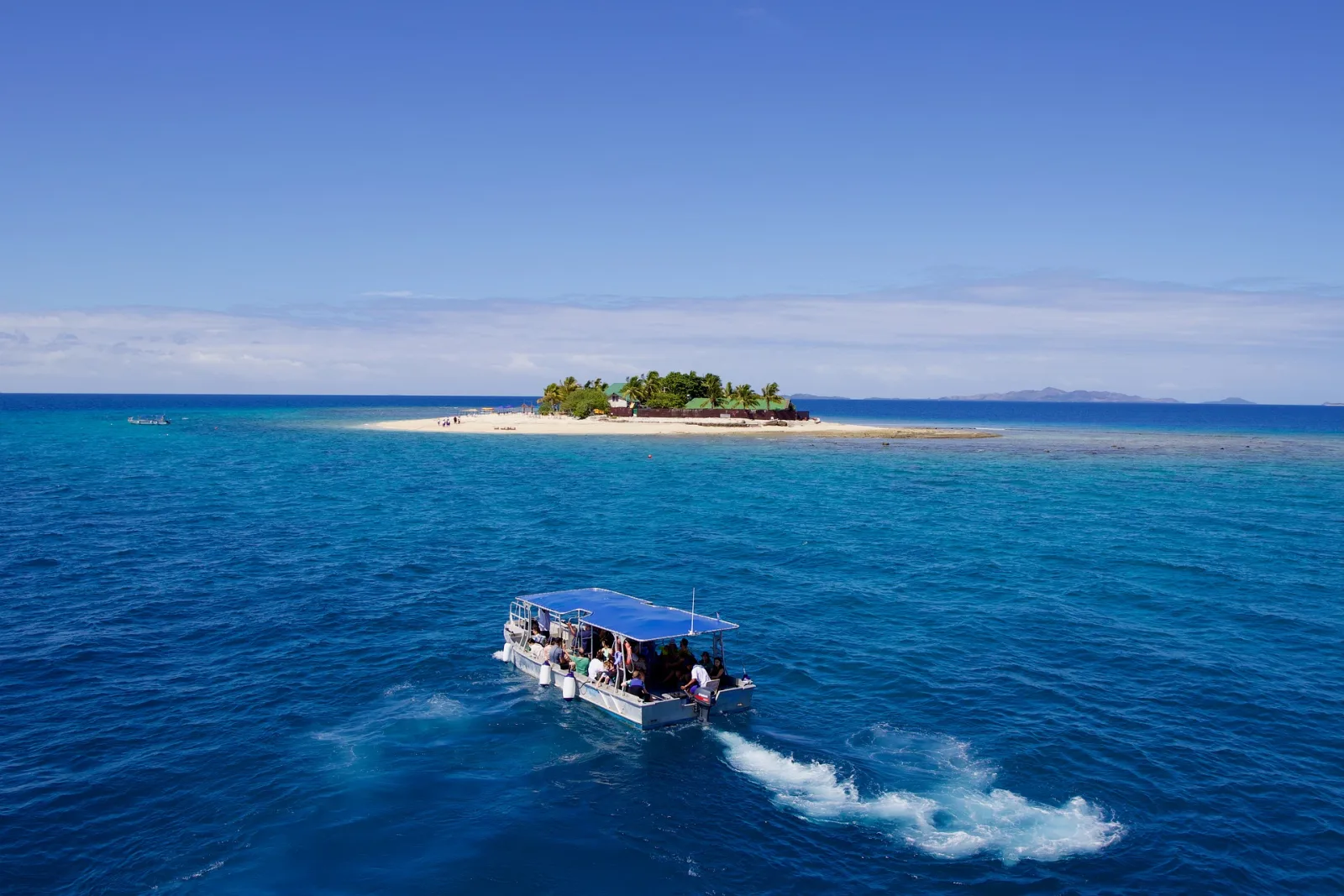
Have more questions? Our Fiji travel experts can help plan your perfect island holiday.

Talk to a Fiji Travel Expert →

Note: Information provided is subject to change. Verify visa requirements, exchange rates, opening hours, and travel advisories before your trip. Prices are approximate and may vary based on location, season, and local economic conditions. Fiji experiences seasonal weather shifts; always monitor tropical weather updates during your stay.

About This Fiji Travel Guide

This Fiji travel guide covers everything Indian travelers need from visa requirements and Nadi travel tips to island hopping, local food, weather, shopping, and top Pacific attractions. Researched, regularly updated, and trusted by group tour planners and independent travelers.

Expert Curated Content

Every section — from Fiji visa rules to Nadi shopping hours — is verified by travel professionals with South Pacific island experience.

Regularly Updated Information

Fiji travel costs, visa rules, and embassy details are reviewed and refreshed to reflect current conditions including the 2025 visa-free extension update.

Trusted by Indian Travelers

Used by group tour organizers, corporate travel planners, and independent travelers from India researching Fiji itineraries, Mamanuca trips, and Nadi city breaks.

Complete Fiji Resource

One guide covering visa requirements, cost, flights, itinerary, food, culture, weather, shopping, and heritage — all with India-specific context and 2026 accuracy.

More Travel Guides

Explore Other Destinations

Plan Your Fiji Trip from India

Fill out the enquiry form below and our travel experts will help you plan your Fiji tour — visa-free entry, flights, resorts, and island transfers.

Get assistance with entry requirements, flight bookings, Coral Coast hotels, Mamanuca and Yasawa tours, and complete Fiji packages.

Enquire About This Package