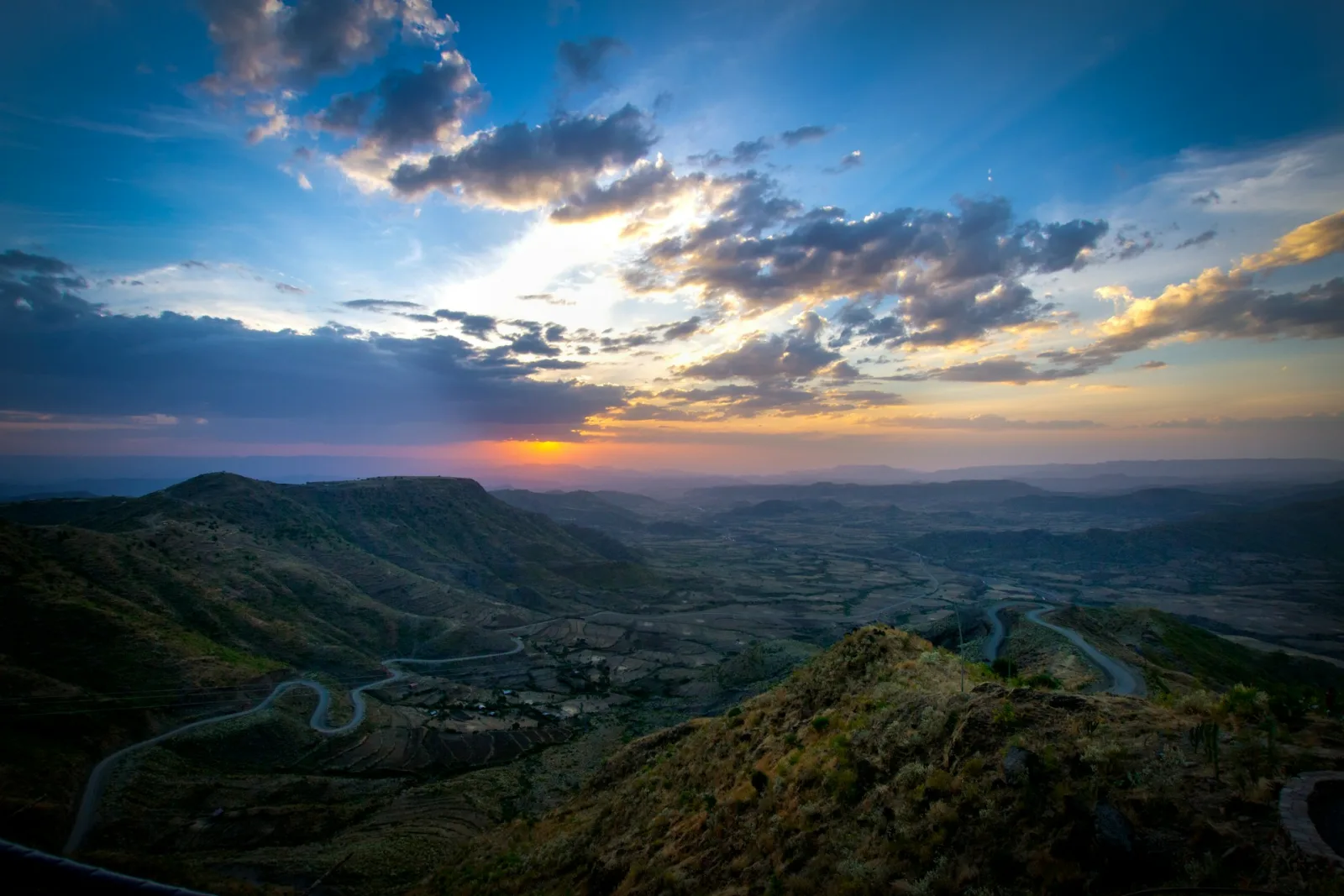
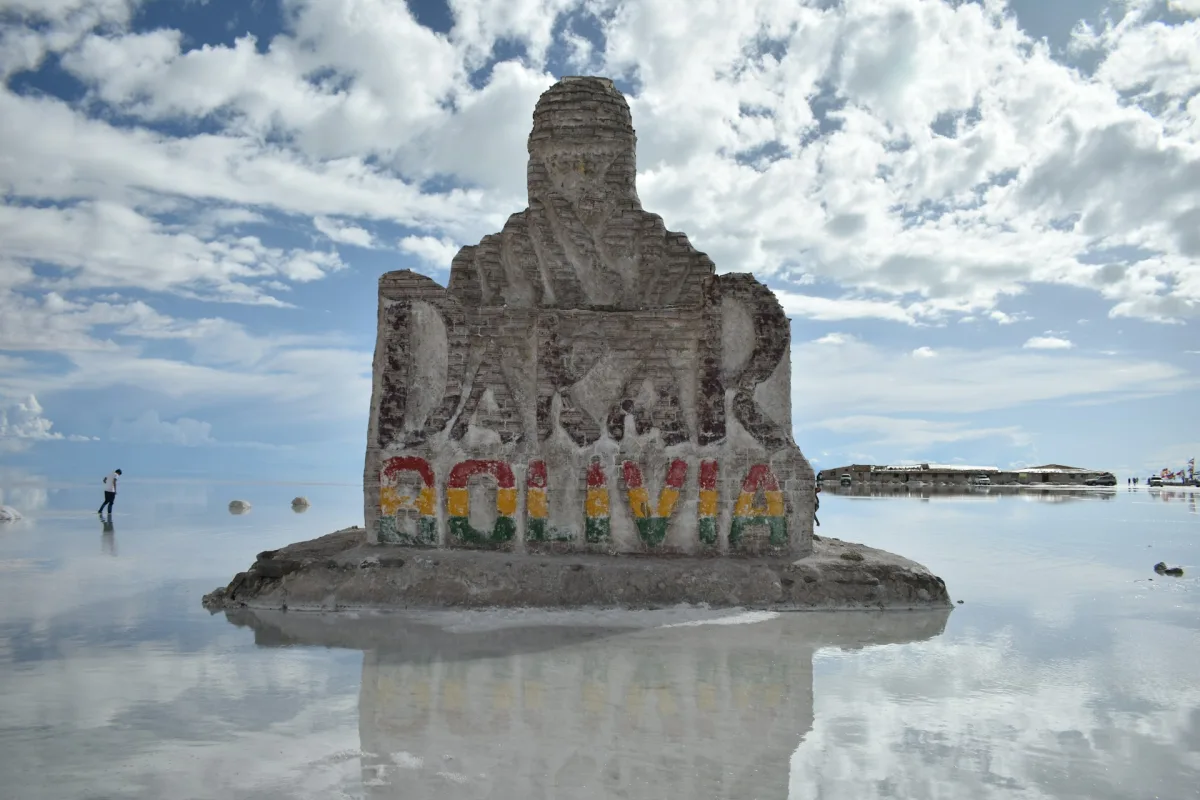
Seasonal landscape of Bolivia showing Uyuni Salt Flats mirror effect and Andean mountains under clear sky

Best Time to Visit Bolivia from India

Month-by-month weather guide for Uyuni Salt Flats, La Paz altitude, and Andean travel planning.

Written by Abbhay Singh — South America Travel Specialist
Reviewed by Abhilash Dutta · South America Travel Reviewer
Last updated after reviewing:
  • Bolivia dry season access to Uyuni Salt Flats (May–Oct 2026)
  • La Paz altitude acclimatisation windows for Indian travelers
  • Wet season road closures affecting Uyuni tour operators
Bolivia Dry Season (May–October)
Ideal for Indian travelers seeking reliable access, clear skies, and comfortable Andean trekking conditions.

Best For: Uyuni Salt Flats photography, La Paz city tours, Lake Titicaca boat trips, and high-altitude trekking with minimal rain disruption.

Weather Overview

  • La Paz/Highlands: Sunny days 15–18°C, cold nights -5 to 5°C, minimal rainfall
  • Uyuni Salt Flats: Clear white crust, excellent visibility, reliable 4WD tour access
  • Lake Titicaca: Crisp mornings, calm waters, ideal for boat tours and island visits
  • Santa Cruz/Lowlands: Warm 22–28°C, low humidity, pleasant for Amazon extensions
  • UV Index: Extreme at altitude — pack high-SPF sunscreen and UV-blocking sunglasses

India Travel Alignment

  • June–August: Aligns with Indian school summer holidays — peak demand, book 4–6 months ahead
  • May & October: Shoulder months with fewer crowds, 15–20% lower hotel rates, still excellent weather
  • Flight Pricing: Dry season fares from Delhi/Mumbai typically ₹1.3L–₹1.8L; book early for best rates
  • Uyuni Tours: Licensed operators fully operational; verify vehicle condition and oxygen kits before booking
Bolivia Wet Season (November–March)
Lush landscapes, dramatic skies, and the famous Uyuni mirror effect — with trade-offs for accessibility.

Warning: Heavy rain can cause road closures, tour cancellations, and muddy conditions. Carry waterproof gear and build flexibility into your itinerary.

MonthHighlands WeatherUyuni AccessIndia Travel Note
NovUnpredictable, warmingWater layer forms, roads closeLow season, budget flights
DecFrequent storms, muddyTours limited/cancelledHoliday pricing, fewer routes
JanCool 8–15°C, frequent rainMirror effect peak, muddy roadsIndia school holidays — book early
FebSimilar to Jan, cooler nightsWater reflections peak, tours limitedPost-republic day deals available
MarClearing, pleasant daysTours resuming, less crowdedGood shoulder window

Wet Season Pros for Indian Travelers:

  • Unique photography: Uyuni mirror effect creates surreal sky reflections
  • Fewer crowds at major attractions — more intimate experiences
  • Lush green landscapes in valleys and lowlands
  • Lower hotel rates and occasional flight deals

Wet Season Cons:

  • Unreliable road access to Uyuni — tours may be shortened or rerouted
  • Higher humidity in Santa Cruz and Amazon regions
  • Colder, damp conditions in highlands require extra layering
  • Flight delays more common during heavy rain periods
Uyuni Salt Flats: Mirror Effect vs. Classic White Crust
Choose your timing based on your photography goals and tolerance for weather uncertainty.

Mirror Effect (Wet Season)

Best Window: Late January – Early March

  • Thin water layer creates perfect sky reflections — iconic photography
  • Tours operate but may be limited to shorter routes due to muddy terrain
  • Carry waterproof boots, rain jacket, and protective camera gear
  • Book flexible dates — allow 1–2 buffer days for weather delays
  • Confirm with operators that tours include mirror-effect routes (not all do)

Classic White Crust (Dry Season)

Best Window: May – October

  • Vast white salt expanse under blue skies — dramatic, high-contrast photography
  • Reliable 4WD access to full 3-day itinerary including Laguna Colorada and geysers
  • Cold nights require thermal layers, but days are sunny and comfortable
  • Higher tourist volume — book Uyuni tours 2–3 months ahead for dry season
  • Stargazing opportunities exceptional due to clear, dry high-altitude air

Unsure which season suits your Bolivia trip? Our South America experts can help match your travel dates to your priorities — photography, trekking, or cultural immersion.

← Back to Full Bolivia Travel Guide
Altitude & Season: Planning Tips for Indian Travelers
Bolivia's high-altitude destinations require thoughtful timing and preparation — especially for first-time Andean travelers from India.

La Paz (3,640m) & Uyuni (3,656m) Acclimatisation:

  • Arrive 2 full days before high-altitude excursions to adjust
  • Dry season offers more stable weather for gradual acclimatisation walks
  • Wet season humidity can make breathing feel heavier — stay extra hydrated
  • Consult your doctor about acetazolamide (Diamox) before departure
  • Avoid alcohol and heavy meals for first 48 hours at altitude

Seasonal Packing Essentials:

  • Dry Season: Thermal base layers, down jacket, windproof shell, UV sunglasses, high-SPF sunscreen
  • Wet Season: Waterproof jacket/poncho, quick-dry clothing, waterproof boots, dry bags for electronics
  • Year-Round: Comfortable walking shoes, daypack, reusable water bottle, basic first-aid kit

India-Specific Note: If traveling from coastal Indian cities (Mumbai, Chennai, Kolkata), allow extra time for altitude adjustment. Travelers from Delhi or mountain regions may adapt slightly faster.

Frequently Asked Questions — Bolivia Weather & Timing
Quick answers to common weather and seasonal questions from Indian travelers.
1What is the best month to visit Bolivia from India?
May to October is ideal for most travelers. This dry season offers clear skies for Uyuni Salt Flats photography, comfortable trekking weather in the Andes, and reliable road access. June–August aligns with Indian school holidays but requires booking 4–6 months ahead.
2When is the Uyuni Salt Flats mirror effect visible?
The famous mirror effect occurs during the wet season (December–March) when a thin layer of water covers the salt crust. However, tours may be limited or cancelled due to muddy roads. For guaranteed access with good photography conditions, target late March or early April.
3Is Bolivia too cold for Indian travelers in winter?
Bolivian winter (June–August) means cold nights (-5 to 5°C) in La Paz and Uyuni, but sunny days (15–18°C). Pack thermal layers and a down jacket. The cold is dry and manageable with proper clothing. Lowland regions like Santa Cruz remain warm year-round.
4Should I avoid Bolivia during the rainy season?
The rainy season (November–March) brings lush landscapes and the Uyuni mirror effect, but also muddy roads, occasional tour cancellations, and higher humidity in lowlands. If you prioritize reliable access and clear skies, choose the dry season. If you want unique photography and fewer crowds, consider shoulder months (March, April).

Need help timing your Bolivia trip? Our South America team can align your travel dates with your priorities — photography, trekking, culture, or budget.

Plan Your Bolivia Trip →

Weather patterns are subject to climate variability. Verify current conditions and road access with local operators before finalizing travel plans. Altitude travel requires medical consultation for sensitive individuals.

Ready to Explore?

Contact us today to book your dream vacation. Our travel experts will help customize your itinerary.

Experience the perfect blend of adventure and relaxation.

Enquire About This Package