Frequently Asked Questions — Venezuela Food for Indian Travelers
Quick answers to dining, dietary, and culinary questions from Indian visitors
1Is vegetarian food available in Venezuela for Indian travelers?
Yes. Arepas can be ordered with cheese, black beans, or avocado. Caracas has growing vegetarian cafes in Chacao and Las Mercedes. Jungle lodges can accommodate vegetarians if notified 2 weeks ahead. Coastal areas offer fresh salads and plantains. Most fondas can prepare simple rice/beans/plantains plates on request.
2What is the national dish of Venezuela?
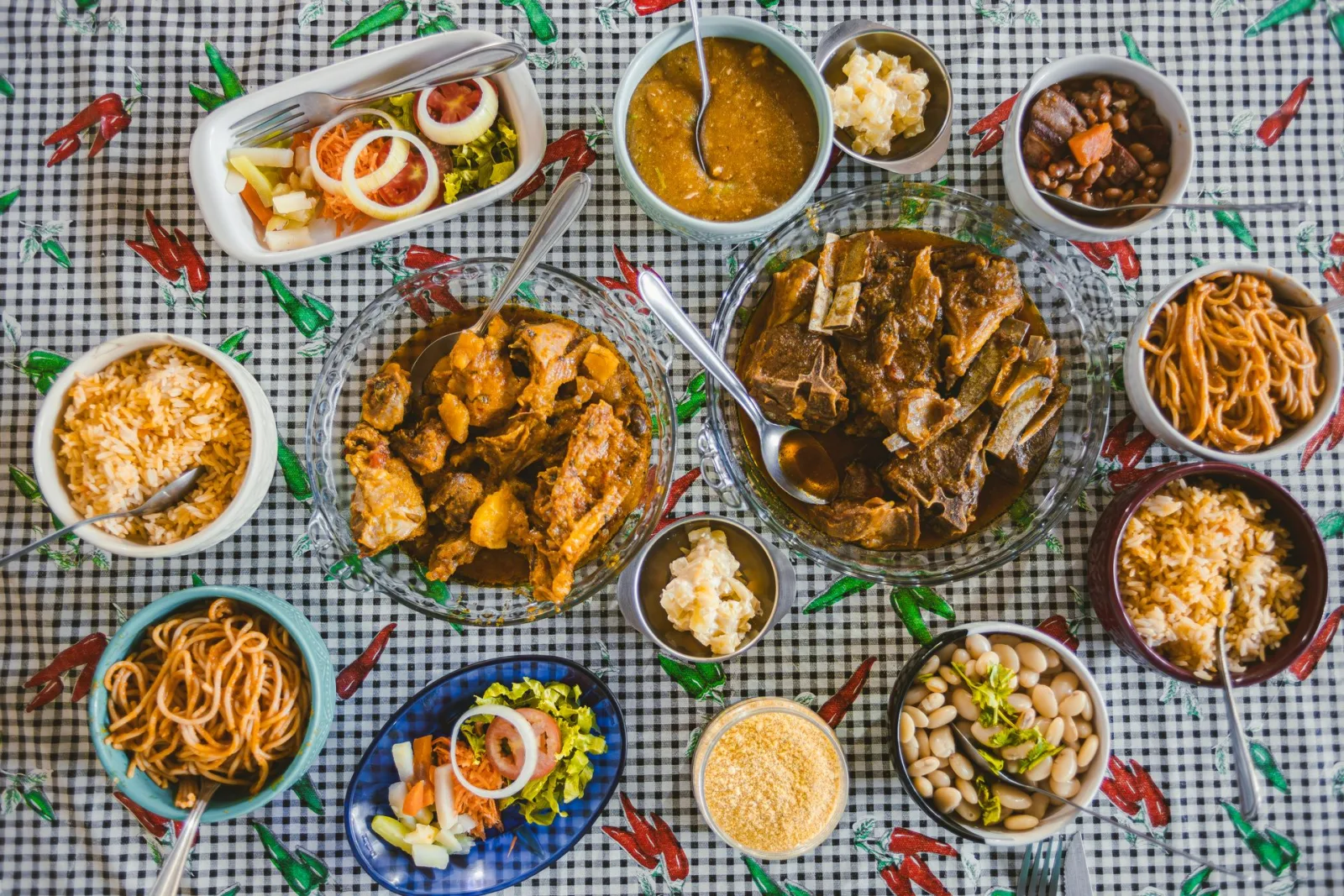
Pabellón Criollo is the national dish — white rice, black beans (caraotas), shredded beef, and fried sweet plantains served together. It symbolizes Venezuela's indigenous, African, and European heritage. Best enjoyed at local fondas and family-run restaurants. Vegetarian adaptations substitute lentils or mushrooms for beef.
3Are arepas safe for Indian stomachs?
Yes. Arepas are grilled corn cakes made from pre-cooked maize flour — naturally gluten-free and easy to digest. Choose cheese, black bean, or avocado fillings. Avoid raw vegetables if you have a sensitive stomach; opt for cooked fillings. Most travelers find arepas gentle and satisfying.
4Can I find Indian or Asian food in Venezuela?
Limited options. Caracas has a few international restaurants offering Chinese or Middle Eastern cuisine. Indian restaurants are rare. Most Indian travelers adapt well to Venezuelan cuisine — arepas, rice, beans, and plantains are familiar staples. Carry spice blends or chutneys if you prefer familiar flavors.
5What is the average cost of food in Venezuela for Indians?
Budget ₹2,000–₹5,000 per day for food. Street arepas cost ₹150–₹300 each, traditional fonda meals ₹800–₹1,200, mid-range restaurant dinners ₹1,500–₹2,500. Eco-lodges in Canaima and Los Roques typically include all meals in their nightly rate (₹8K–₹18K/night), significantly reducing daily food costs during jungle/island segments.
6Is street food safe in Venezuela for Indian travelers?
Choose busy stalls with high turnover. Arepas, tequeños, and empanadas from reputable vendors are generally safe. Avoid raw salads or unpeeled fruit from street vendors. Stick to cooked, hot foods and bottled water. Most travelers enjoy street food without issues when following basic precautions.
7What Venezuelan dishes are similar to Indian food?
Black beans (caraotas) resemble Indian dal; rice is a staple; plantains offer sweet/savory versatility like banana curry; cachapas (sweet corn pancakes) remind of Indian cheela. Spices are milder — request "picante" for heat. The corn-based foundation of Venezuelan cuisine feels familiar to Indian palates.
8Do Venezuelan restaurants use dairy or eggs in vegetarian dishes?
Yes. Cheese is common in arepas, empanadas, and cachapas. Eggs appear in breakfast dishes. Strict vegetarians should specify "sin queso, sin huevo" (without cheese, without egg) when ordering. Most kitchens accommodate with advance notice, especially in Caracas and at eco-lodges.
9Is tap water safe to drink in Venezuela?
Bottled water is recommended throughout Venezuela, including Caracas. Eco-lodges and island stays provide purified drinking water. Avoid ice in drinks outside major hotels. Carry water purification tablets for extended jungle excursions. Most travelers use bottled water exclusively without issues.
10What is mate in Venezuela and is it like Indian chai?
Venezuelan "mate" refers to herbal infusions, not the Argentine yerba mate tradition. Local teas include manzanilla (chamomile), menta (mint), and limón (lemon). They are caffeine-free and soothing — different from Indian masala chai but equally comforting. Request "té de manzanilla" for a calming evening drink.