1What is the best month to see Northern Lights in Norway from India?
October, February, and March offer the best balance of darkness, Aurora activity, and manageable weather. September and April are good shoulder options with fewer crowds.
2How many nights should Indian travelers spend in Tromsø for Northern Lights?
Allow 3–4 nights minimum in Tromsø or Lofoten. Cloud cover is unpredictable; extra nights significantly increase your chances of seeing the Aurora. Most tours offer free rescheduling if cancelled due to weather.
3Can Indian travelers see Northern Lights without a guided tour?
Yes, if you have a car and check Aurora forecasts. However, guided tours offer thermal suits, photography help, and flexible routing based on real-time weather — highly recommended for first-time Aurora hunters.
4What clothing should Indians pack for Northern Lights tours in Norway?
Pack thermal base layers (wool/synthetic), insulated waterproof parka rated to -15°C, grip boots, beanie, insulated gloves, and neck gaiter. Most tours provide thermal suits, but personal layers ensure comfort during extended viewing.
5Is it worth extending a Norway itinerary for Northern Lights from India?
Yes, if Aurora viewing is a priority. Add 2–3 days to your Oslo/Bergen itinerary for Tromsø or Lofoten. The Arctic experience complements fjord cruising and offers unique photography opportunities unavailable elsewhere in Europe.
6Do Northern Lights tours in Norway include vegetarian meals for Indian travelers?
Most operators can accommodate vegetarian requests with advance notice. Confirm dietary preferences when booking from India. Pack snacks as a backup for remote Aurora viewing locations.
7What is the KP index and how does it affect Northern Lights viewing?
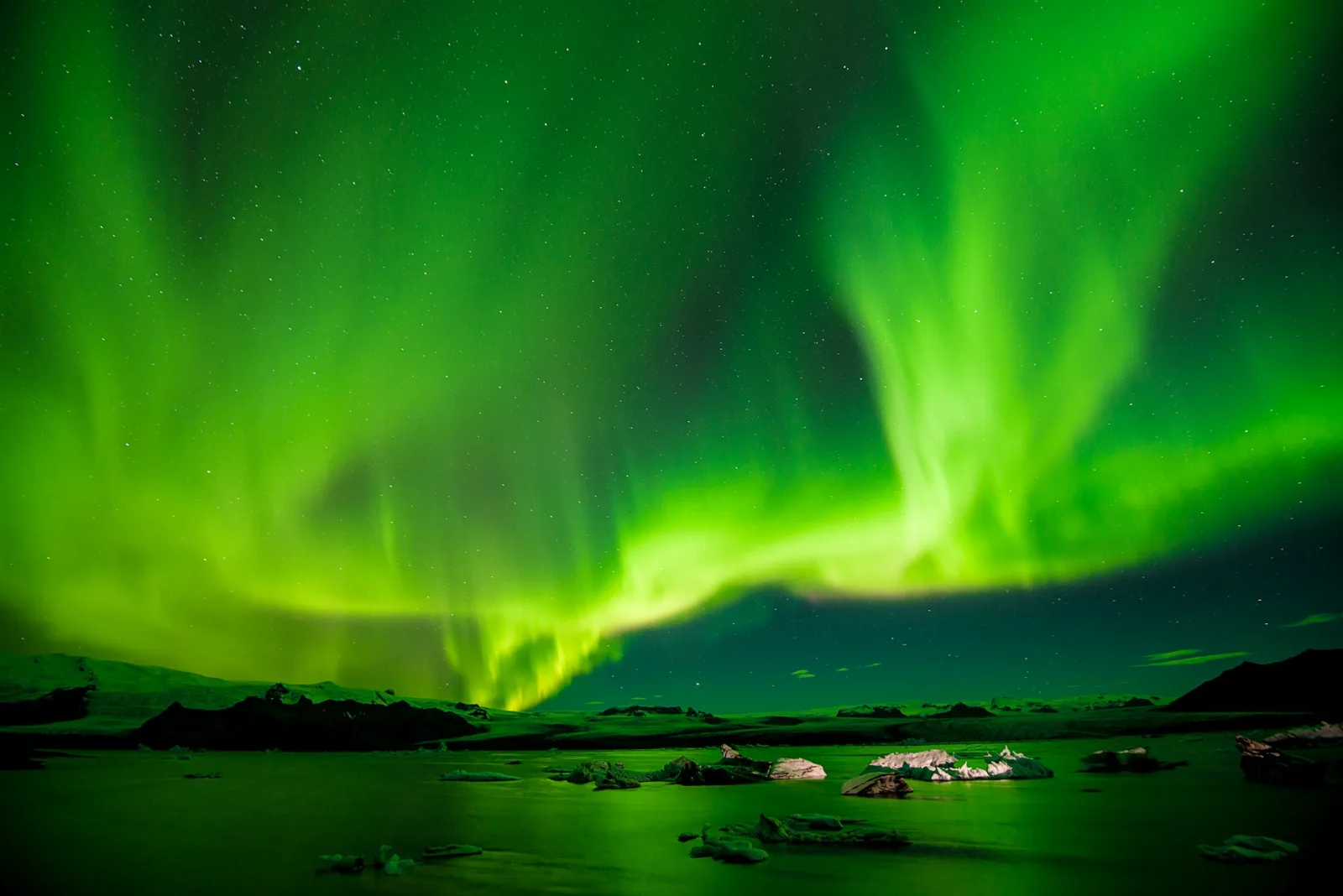
The KP index (0–9) measures geomagnetic activity. KP 3+ is generally needed for visible Aurora in Tromsø. Higher KP values increase visibility and intensity. Check apps like Aurora Forecast for real-time updates.
8Can Indian travelers photograph Northern Lights with smartphones?
Modern smartphones with night mode can capture basic Aurora shots. For better results, use a DSLR/mirrorless camera with manual settings: ISO 1600–3200, f/2.8 aperture, 10–20 second exposure. Bring a tripod and extra batteries (cold drains power fast).