Madagascar cyclone season risk assessment and regional weather updates for 2026
National park road accessibility and closure schedules during the wet season
Optimal wildlife viewing windows for Indri lemurs and humpback whales
Fact-checked April 2026
Last updated: April 2026
When is the Best Time to Visit Madagascar?
Madagascar’s massive size and diverse topography create distinct microclimates. Timing your trip correctly is crucial for road accessibility, wildlife sightings, and beach conditions.
For a complete overview of routes, visas, and itineraries, refer to our comprehensive Madagascar Travel Guide. This seasonal breakdown helps Indian travelers align their holiday windows with the island's optimal weather patterns.
Dry Season vs Wet Season: The Basics
Madagascar’s weather is broadly divided into two main seasons, which dictate road conditions and wildlife visibility.
Dry Season (April – October)
Weather: Cool, dry, and pleasant across most of the island.
Highlands (Antananarivo): Days are sunny (15–25°C), but nights can get quite cold (10°C).
Roads: All major dirt roads to national parks are passable.
Wildlife: Excellent visibility; animals gather around water sources.
Verdict: The absolute best time for Indian tourists, especially for wildlife and road trips.
Wet Season (November – March)
Weather: Hot, humid, and prone to heavy tropical downpours.
Cyclone Risk: Highest between January and March, particularly on the east and north coasts.
Roads: Many rural dirt roads become impassable mud traps; parks like Tsingy de Bemaraha close.
Wildlife: Lush and green, but lemur spotting is harder due to dense canopy and rain.
Verdict: Generally avoid unless you are strictly visiting the dry west coast in early January.
Month-by-Month Weather & Travel Guide
A detailed breakdown of what to expect each month, tailored for Indian travel schedules.
Month
Madagascar Season
Antananarivo
Nosy Be
Andasibe
India Travel Note
Jan
Wet / Cyclones
Warm, heavy rain
Hot, humid, cyclones
Lush, muddy trails
India school holidays — avoid due to rain
Feb
Wet / Cyclones
Warm, heavy rain
Hot, humid, cyclones
Lush, muddy trails
High cyclone risk, travel not recommended
Mar
Transition
Warm, rain decreasing
Good, trails improving
Moderate season, fewer crowds
Apr
Dry Season ✓
Mild, pleasant 15–25°C
Warm, sunny, ideal
Excellent, clear trails
Good post-Holi window, ideal start
May
Dry Season ✓
Cooler, dry 13–23°C
Warm, sunny, clear waters
Excellent lemur sightings
Great shoulder season, good flight deals
Jun
Dry Season ✓✓
Cool, dry 12–22°C
Pleasant, whale shark season
Excellent, cool mornings
Peak Indian travel month — book 4 months ahead
Jul
Dry Season ✓✓
Cool, dry 11–21°C
Pleasant, whale shark season
Excellent, clear skies
India school summer hols — peak demand
Aug
Dry Season ✓
Cool, dry 12–22°C
Warm, sunny, ideal beach
Excellent, baby lemurs
Good post-monsoon window in India
Sep
Dry Season ✓
Warming, dry 14–24°C
Warm, sunny, clear waters
Excellent, spring blooms
Good pre-festive window
Oct
Transition ✓
Warm, dry 16–26°C
Hot, sunny, great diving
Good, warming up
Excellent month — ideal weather everywhere
Nov
Transition
Warm, rain increasing
Hot, humid, rain starting
Good, but rain possible
Diwali window — moderate season
Dec
Wet Season
Warm, heavy rain
Hot, humid, cyclones
Lush, but muddy trails
India school holidays — avoid due to rain
Best Time for Wildlife & Lemur Spotting
Madagascar is the ultimate wildlife destination. To see its unique endemic species, timing is everything.
Andasibe-Mantadia Rainforest
Best Months: May to October.
Why: The dry season means trails are less muddy and lemur calls echo clearly through the canopy. The iconic Indri lemur is most active in the mornings during these cooler months.
Tip: September and October offer the chance to see baby lemurs clinging to their mothers.
Night Walks
Best Months: April to November.
Why: Nocturnal species like mouse lemurs and chameleons are easier to spot when it isn't pouring rain. Guides can cover more ground on dry forest floors.
To see how these wildlife windows fit into a complete route, explore our optimized Madagascar Itinerary for Indian travelers.
Best Time for Beaches & Diving in Nosy Be
Nosy Be is Madagascar's premier beach destination. The ocean conditions dictate the quality of your snorkeling and diving.
Snorkeling & Diving
Best Months: April to November.
Why: The trade winds settle, and the ocean visibility reaches its peak (up to 30 meters). Coral reefs around Nosy Tanikely are vibrant and easily accessible.
Whale Shark Season
Best Months: September to November.
Why: Plankton blooms attract massive whale sharks to the surface. Nosy Be is one of the few places in the world where you can reliably swim with them.
For detailed resort pricing and island-hopping logistics, check our comprehensive Nosy Be City Guide.
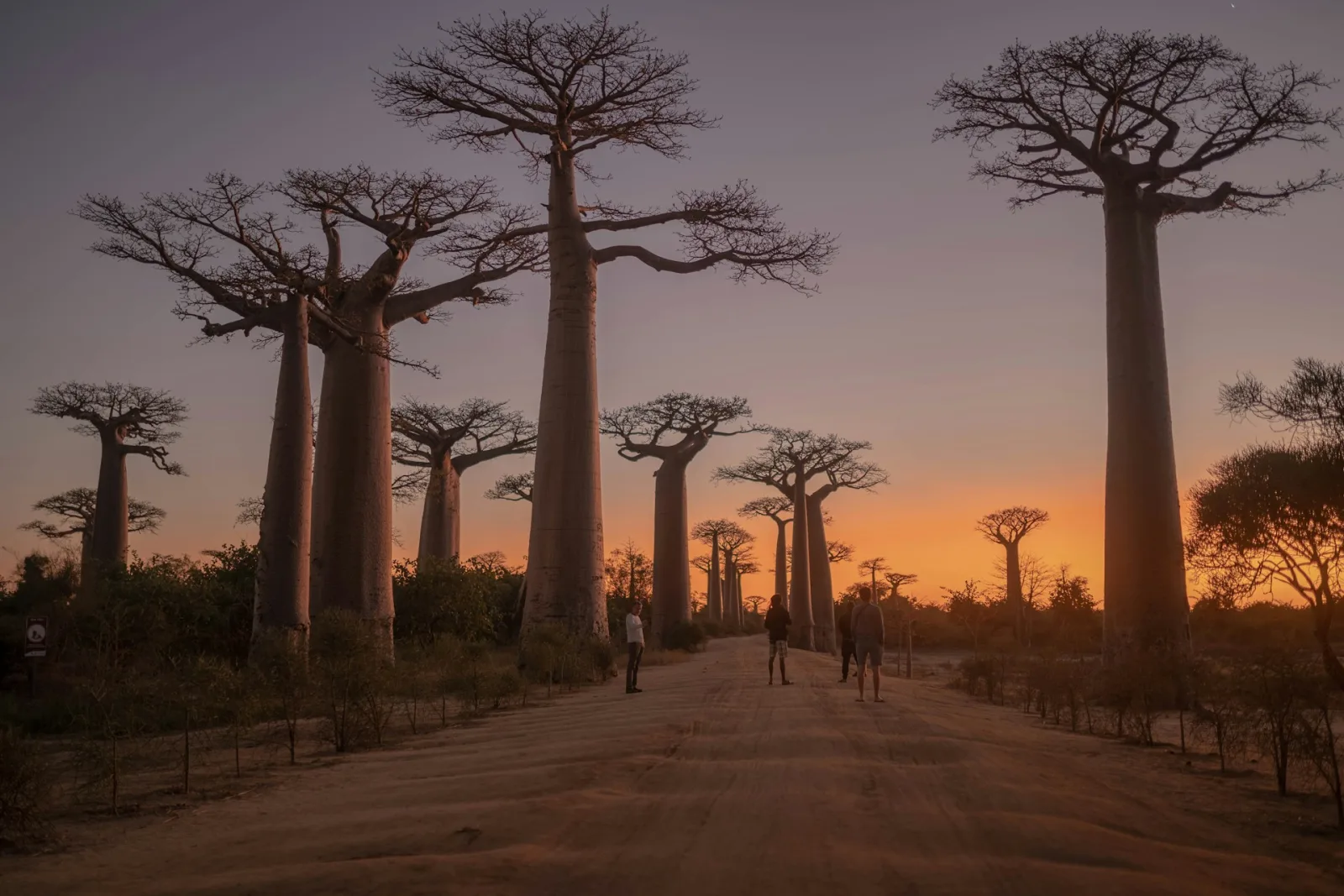
Best Time for the Avenue of the Baobabs
The iconic western landscape of Madagascar requires specific timing to access safely and capture the best photos.
The Dry West Coast
Best Months: May to October.
Why: The dirt roads from Antananarivo to Morondava are notoriously difficult during the rains. In the dry season, the journey is manageable, and the sunset views over the baobabs are unobstructed by clouds.
Note: Tsingy de Bemaraha, located further north, is strictly closed from December to June due to flooding.
Aligning with Indian Holidays
How to plan your Madagascar trip around popular Indian vacation windows.
Summer Holidays (April – June)
Verdict: Excellent.
Details: This aligns perfectly with Madagascar's dry season. May and June are particularly ideal as the landscape is still green from the previous rains, but the weather is stable. Book domestic flights early as this is a popular time for Indian families.
Diwali & Winter (Oct – Jan)
Verdict: Mixed.
Details: October is fantastic. However, by November, the rains begin to return. December and January coincide with the peak cyclone season and heavy monsoons in Madagascar. Avoid planning a Madagascar trip for the Christmas/New Year window unless you are strictly staying in a luxury resort in Nosy Be.
Budget Tip: Traveling during the shoulder months of April or November can save you up to 20% on eco-lodge rates compared to the peak June–August window. Check our Madagascar Trip Cost Guide for seasonal pricing insights.
Quick, honest answers to the most common seasonal questions from Indian travellers
1What is the absolute best month to visit Madagascar from India?
September and October are the absolute best months. The weather is warm and dry across the island, national park trails are clear for lemur spotting, and Nosy Be offers excellent beach and diving conditions before the rains begin in November.
2Is it safe to visit Madagascar during the cyclone season?
The cyclone season runs from January to March. It is generally not recommended to visit during this time, especially the east and north coasts. Heavy rains can make roads impassable, cause flight cancellations, and pose safety risks. If you must travel, stick to the dry west coast (Morondava) in early January.
3When is the best time to see lemurs in Madagascar?
The dry season from May to October is the best time for wildlife viewing. Trails in rainforests like Andasibe-Mantadia are dry and less muddy, making it easier to spot Indri lemurs and chameleons. September and October also coincide with the birth season for some lemur species.
4What is the weather like in Nosy Be during the Indian summer?
During the Indian summer (April to June), Nosy Be experiences its dry season. The weather is sunny, warm (25-30°C), and the ocean visibility is perfect for snorkeling and diving. This is peak tourist season, so book your beach resorts well in advance.
5Do national parks close during the wet season in Madagascar?
National parks do not officially close, but accessibility becomes a major issue from December to March. Dirt roads leading to parks like Isalo or Tsingy de Bemaraha can become completely impassable due to mud and flooding. Always check road conditions with your tour operator before booking.
6When is the best time for whale shark watching in Nosy Be?
The best time to swim with whale sharks in Nosy Be is between September and November. During these months, plankton blooms attract these gentle giants to the surface, offering a rare and unforgettable marine wildlife experience.
Ready to time your Madagascar eco-adventure perfectly? Our packages include flights, eco-lodges, and guided park tours tailored to the best seasonal windows.
Note: Weather patterns can vary due to global climate shifts. Verify road conditions and regional forecasts with your tour operator before finalizing your itinerary. Prices and availability peak during the dry season months.
About This Madagascar Seasonal Guide
This Madagascar weather and seasonal guide provides Indian travelers with a transparent, 2026-ready breakdown of the best times to visit for wildlife, beaches, and road trips. Researched, regularly updated, and trusted by group tour planners and independent travelers.
Expert Curated Seasonal Data
Every weather estimate and road accessibility note is verified by travel professionals with on-ground Africa experience.
Regularly Updated Forecasts
Madagascar seasonal risks, cyclone tracking, and national park opening schedules are reviewed quarterly to reflect current conditions.
Trusted by Indian Travelers
Used by group tour organizers, corporate travel planners, and independent travelers from India researching Madagascar itineraries and wildlife windows.
India-Specific Alignment
One guide covering weather, wildlife, and road conditions — all aligned with Indian holiday schedules and flight connectivity.