Uganda Weather & Safari Seasons: The Essentials
Understanding Uganda's equatorial climate to plan your perfect trip.
Despite sitting directly on the equator, Uganda’s climate is moderated by its high altitude, resulting in a pleasant, tropical climate year-round. The country experiences two dry seasons and two wet seasons. Choosing the right time to visit depends entirely on your priorities: pristine trekking conditions, budget-friendly rates, or specialized bird watching.
For a complete overview of flights, visas, and total trip costs, refer to our comprehensive Uganda Travel Guide.
Month-by-Month Weather & Travel Guide
A quick reference to help you decide when to book your Uganda safari.
| Months |
Season |
Weather Conditions |
Best For |
| Jun – Aug |
Peak Dry |
Sunny, warm days (25°C), cool nights. Minimal rain. |
Gorilla trekking, classic safaris, family trips. |
| Dec – Feb |
Secondary Dry |
Warm, pleasant (26°C). Short, unpredictable showers possible. |
Wildlife viewing, chimpanzee tracking, birding. |
| Mar – May |
Heavy Wet |
Frequent heavy rains, lush greenery, muddy trails. |
Budget travel, bird watching, photography. |
| Sep – Nov |
Short Wet |
Mixed weather. Morning sun, heavy afternoon showers. |
Shoulder season discounts, primate tracking. |
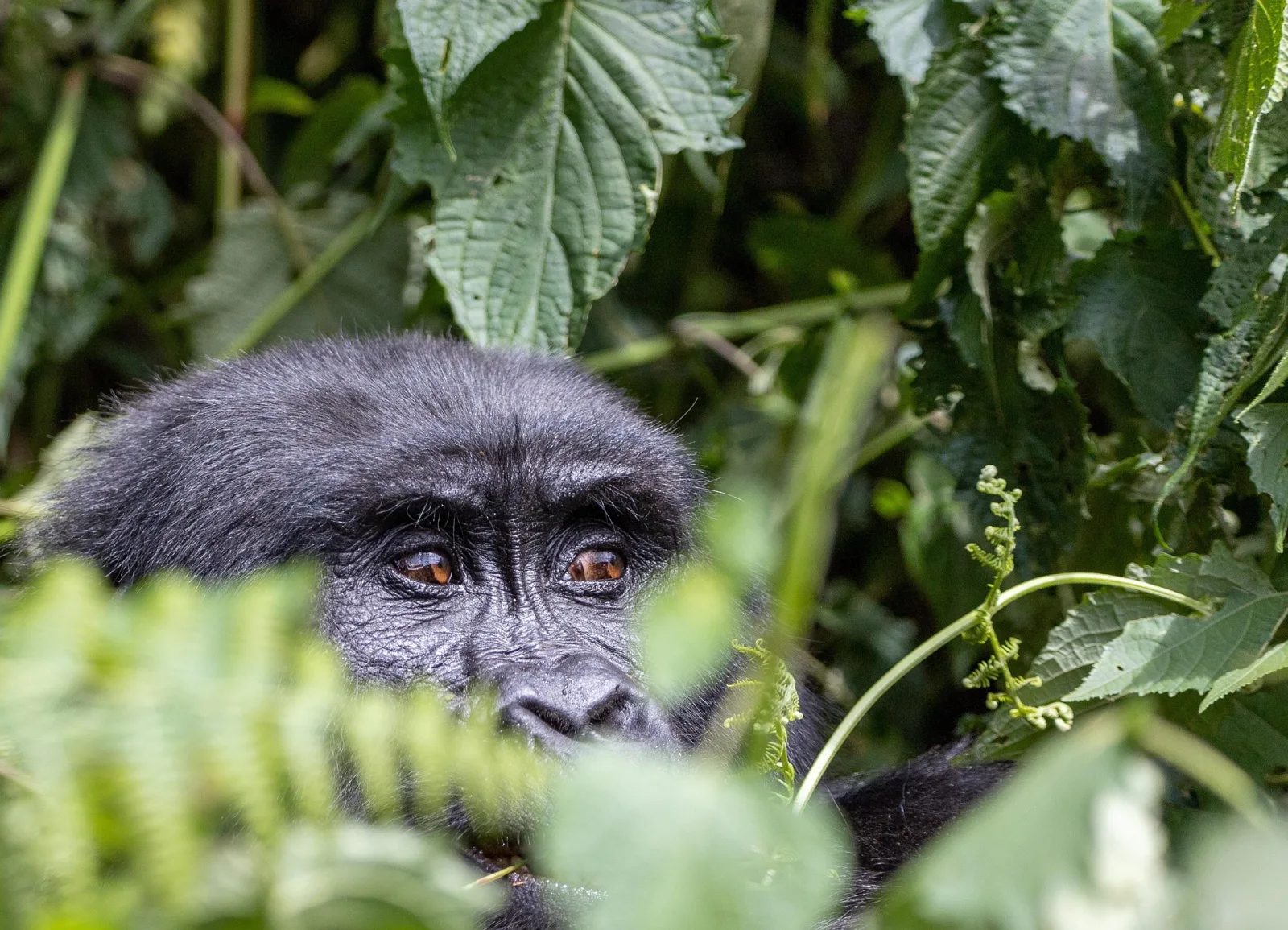
Best Time for Gorilla Trekking in Bwindi
How the seasons impact the $800 mountain gorilla experience.
Months: June to August & December to February
- Trail Conditions: The forest floor in Bwindi is significantly drier, reducing the risk of slipping on mud and roots.
- Accessibility: Roads leading to the park headquarters are passable without a 4x4.
- Porter Availability: Local porters are highly available to help carry your daypack and pull you up steep, slippery sections.
- Verdict: Highly recommended for first-time visitors, older travelers, or those with limited mobility.
Months: March to May & September to November
- Trail Conditions: Trails become steep, slippery, and physically demanding. Stinging nettles are more prevalent.
- Permit Discounts: The Uganda Wildlife Authority (UWA) occasionally offers "Gorilla Safari" discount permits (up to 30% off) during the low season.
- Crowds: Fewer tourists mean a more private, exclusive experience in the forest.
- Verdict: Best for fit, adventurous travelers on a budget. Ensure your Uganda trip budget accounts for specialized wet-weather gear.
Best Time for Wildlife Safaris & Game Drives
Optimizing your Queen Elizabeth and Murchison Falls itineraries.
For classic African safaris, the dry seasons (June–August and December–February) are unequivocally the best. As water sources dry up across the savanna, wildlife is forced to congregate around permanent water bodies like the Kazinga Channel in Queen Elizabeth National Park or the banks of the Nile in Murchison Falls. The vegetation also thins out, making it much easier to spot leopards, tree-climbing lions, and elephants.
Birding Note: If you are a keen bird watcher, the wet seasons (April–May and October–November) are actually superior. Migratory birds arrive, plumage is in breeding colors, and the forests are alive with activity. Ensure your Uganda visa is sorted well in advance if traveling during these popular birding months.
Seasonal Packing Guide for Indian Travelers
What to pack based on when you visit Uganda.
- Lightweight, breathable long trousers and long-sleeved shirts (sun and insect protection).
- High SPF sunscreen, wide-brimmed hat, and polarized sunglasses.
- A light fleece or sweater for early morning game drives (it gets surprisingly cold at 5 AM).
- Comfortable, broken-in hiking shoes for gorilla trekking.
- Waterproof hiking boots with excellent ankle support (essential for mud).
- Waterproof gaiters to keep mud and debris out of your boots.
- Heavy-duty, breathable rain jacket and waterproof pants.
- Gardening gloves (to protect hands from stinging nettles and slippery branches).
- A warm, insulated jacket for the cold, misty mornings in Bwindi.
When is the best time to visit Uganda? The dry seasons from June to August and December to February offer the best weather for gorilla trekking and wildlife safaris, with dry trails and excellent animal viewing.
Is Uganda good to visit in the rainy season? Yes, the wet seasons (March–May, Sep–Nov) are excellent for bird watching and budget travelers seeking lodge discounts, though gorilla trekking trails become very muddy and physically demanding.
What is the weather like in Bwindi? Bwindi Impenetrable National Park is at a high altitude. It is cool year-round (11°C–23°C). Mornings are often misty and cold, requiring a warm fleece regardless of the season.
Uganda Weather & Timing FAQs
Quick answers to seasonal travel questions from Indian tourists.
1What is the absolute best month for gorilla trekking in Uganda?
The best months for gorilla trekking are June to August and December to February. During these dry seasons, the trails in Bwindi Impenetrable National Park are less muddy, making the hike significantly easier, and the roads accessing the parks are more passable.
2Is the wet season worth visiting Uganda?
Yes, the wet seasons (March to May and September to November) are excellent for bird watching, photography (lush green landscapes), and budget travelers, as some lodges offer lower rates. However, gorilla trekking trails can be very muddy and physically demanding.
3How does the dry season affect safari game drives?
During the dry season, vegetation thins out and animals congregate around remaining water sources like the Kazinga Channel or the Nile River. This makes wildlife spotting in Queen Elizabeth and Murchison Falls National Parks significantly easier and more rewarding.
4What should I pack for a wet season gorilla trek?
For a wet season trek, pack waterproof hiking boots with good ankle support, waterproof gaiters, a high-quality rain jacket, and gardening gloves to grip slippery, stinging-nettle-covered vegetation. The high altitude of Bwindi also means cold mornings, so a warm fleece is essential.
Ready to time your Uganda safari perfectly? Let our experts build your itinerary around the best seasons.
Plan Your Uganda Safari →
Disclaimer: Weather patterns can be unpredictable due to global climate shifts. While the dry and wet seasons generally follow the patterns outlined above, rain can occur at any time of year in Uganda's equatorial climate. Always pack layers and waterproof gear regardless of the season.