Aerial view of lush green hills and Bwindi Impenetrable National Park, Uganda

Uganda Travel Guide
for Indian Travelers

Visa, cost, gorilla trekking permits & safari tips — your complete guide to planning a trip to Uganda from India in 2026.

Updated for 2026 Travelers
Written by Vishal Narayan — Africa Travel Specialist
Reviewed by Veena Rathore · Africa Travel Reviewer
Last updated after reviewing:
  • Uganda e-Visa processing times and East African Tourist Visa updates (2025)
  • Bwindi Impenetrable National Park gorilla trekking permit price changes
  • Flight connectivity updates via Addis Ababa or Dubai to Entebbe International Airport

Last updated: April 2026

Uganda Trip Cost from India (Detailed Breakdown)
Realistic cost breakdown for flights, visa, lodges, gorilla permits, and total budget for 2026

Cost Breakdown 2026

  • Return Flights: ₹70,000 – ₹1,10,000
  • Visa Fee: ₹4,000 – ₹8,500 (e-Visa $50 or East African Visa $100)
  • Gorilla Trekking Permit: ~₹65,000 ($800 USD, mandatory for Bwindi)
  • Safari Lodges (per night): ₹8,000 – ₹20,000 (mid-range)
  • Food (per day): ₹2,000 – ₹5,000
  • Local Transport & Game Drives: ₹3,000 – ₹6,000/day (shared 4x4)
  • Travel Insurance: ₹1,500 – ₹3,000
  • Total (7–10 days): ₹1.8L – ₹3.5L per person

Uganda is slightly more expensive than Kenya for gorilla trekking due to the high permit cost, but overall mid-range safari lodges and park fees offer excellent value for Indian travelers.

Best Departure Cities

  • Delhi (DEL) — Best connectivity via Addis Ababa (Ethiopian) or Dubai (Emirates)
  • Mumbai (BOM) — Good connections via Doha (Qatar Airways) or Nairobi (Kenya Airways)
  • Bangalore (BLR) — Limited options, usually via Dubai or Addis Ababa
  • Hyderabad (HYD) — Fewer direct routes, 1-2 layovers common
  • Chennai (MAA) — Options via Dubai or Addis Ababa

Delhi and Mumbai offer the most competitive fares and shortest layovers to Entebbe International Airport (EBB).

Ready to plan your Uganda safari? Let us handle flights, visas, gorilla permits, and guided tours.

View Uganda Safari Packages →
Flight Routes from India to Uganda
Flights from India to Entebbe (EBB) take 12–18 hours with one layover. Here are the most popular routes.

Delhi to Entebbe (EBB)

  • Route 1: DEL → Addis Ababa → EBB (Ethiopian Airlines) — Most popular
  • Route 2: DEL → Dubai → EBB (Emirates)
  • Route 3: DEL → Doha → EBB (Qatar Airways)
  • Route 4: DEL → Nairobi → EBB (Kenya Airways)
  • Duration: 12–16 hours
  • Price Range: ₹70,000 – ₹1,00,000

Mumbai to Entebbe (EBB)

  • Route 1: BOM → Addis Ababa → EBB (Ethiopian Airlines)
  • Route 2: BOM → Doha → EBB (Qatar Airways)
  • Route 3: BOM → Dubai → EBB (Emirates)
  • Duration: 14–18 hours
  • Price Range: ₹75,000 – ₹1,10,000

Note: Entebbe International Airport (EBB) is located about 40 km from Kampala. Most safari tours include airport transfers. Check Africa travel guides for more regional information.

Uganda vs Kenya Safari Cost for Indian Travelers
How does a Uganda safari compare to a Kenya safari on cost? Here is a practical comparison for Indian travelers.
Expense Uganda (7 days) Kenya (7 days)
Flights₹70K – ₹1.1L₹50K – ₹90K
Visa₹4K – ₹8.5K (e-Visa)₹2.5K – ₹3.5K (eTA)
Gorilla Permit~₹65K ($800 USD)N/A
Lodges/night₹8K – ₹20K₹10K – ₹25K
Food/day₹2K – ₹5K₹2.5K – ₹6K
Total Trip₹1.8L – ₹3.5L₹1.5L – ₹3L
Flights
Uganda₹70K – ₹1.1L
Kenya₹50K – ₹90K
Visa
Uganda₹4K – ₹8.5K
Kenya₹2.5K – ₹3.5K
Lodges/night
Uganda₹8K – ₹20K
Kenya₹10K – ₹25K
Total Trip
Uganda₹1.8L – ₹3.5L
Kenya₹1.5L – ₹3L

Uganda offers a more intimate, less crowded wildlife experience and the unique gorilla trekking opportunity. While the gorilla permit increases the upfront cost, mid-range lodge prices and park fees in Uganda are often lower than in Kenya's Maasai Mara.

Best Time to Visit Uganda from India
Uganda can be visited year-round, but the dry seasons offer the best wildlife viewing and trekking conditions.
Month Uganda Season Kampala/Jinja Bwindi (Gorillas) Queen Elizabeth NP India Travel Note
JanDry ✓Warm, sunny 25–30°CGood, trails dryExcellent wildlife viewingGood post-New Year window
FebDry ✓Warm, sunny 25–30°CGood, trails dryExcellent wildlife viewingModerate season
MarWetRainy, humidMuddy, challengingGood, fewer crowdsAvoid if possible
AprHeavy WetHeavy rain, humidVery muddy, difficultGood, lush sceneryAvoid
MayWetRainy, coolingMuddy, challengingGood, fewer crowdsBudget season from India
JunDry Peak ✓✓Pleasant 23–28°CBest conditionsBest wildlife viewingPeak Indian travel month — book 4 months ahead
JulDry Peak ✓✓Pleasant 23–28°CBest conditionsBest wildlife viewingIndia school summer hols — high demand
AugDry Peak ✓Pleasant 23–28°CBest conditionsBest wildlife viewingPeak season, book early
SepTransitionalWarming, light rainGood, trails firmingGoodGood post-monsoon window
OctWetRainy, humidMuddy, challengingGood, lush sceneryModerate season
NovWetHeavy rain, humidVery muddy, difficultGood, fewer crowdsAvoid
DecDry ✓Warm, sunny 25–30°CGood, trails dryExcellent wildlife viewingIndia school holidays — peak demand
7-Day Uganda Safari Itinerary for Indian Travelers
A perfect one-week Uganda itinerary covering Kampala, Jinja, Queen Elizabeth National Park, and Bwindi gorilla trekking.

Day-by-Day Plan

  • Day 1: Arrive at Entebbe (EBB) — transfer to Kampala, rest, evening city tour
  • Day 2: Drive to Jinja — Source of the Nile boat cruise or white-water rafting
  • Day 3: Drive to Queen Elizabeth National Park — afternoon game drive
  • Day 4: Morning Kazinga Channel boat cruise, drive to Ishasha for tree-climbing lions
  • Day 5: Drive to Bwindi Impenetrable National Park — rest and prepare for trek
  • Day 6: Mountain gorilla trekking (full day), optional Batwa cultural experience
  • Day 7: Drive back to Entebbe — visit Uganda Wildlife Education Centre, depart

Planning Notes

  • Gorilla Permits: Must be booked 3–6 months in advance through a registered tour operator
  • Budget option: Skip Bwindi — a 5-day Queen Elizabeth + Murchison Falls safari is more cost-effective
  • Currency: Carry crisp USD notes (printed after 2013) for exchange or emergencies
  • Language: English is widely spoken. Learning basic Luganda phrases is appreciated
  • Connectivity: Local SIM cards (MTN or Airtel) available at Entebbe Airport on arrival
  • Health: Yellow Fever vaccination certificate is mandatory. Malaria prophylaxis is highly recommended
  • Book ahead: For Jun–Aug and Dec–Jan travel, book flights, lodges, and permits 4–6 months in advance

Want a hassle-free Uganda safari? Our packages include flights, lodges, gorilla permits, transfers, and guided game drives.

Book Uganda Safari Package →
Uganda Visa for Indians — Complete Guide & Travel Essentials
Essential information for Indian travelers — from Uganda e-Visa requirements and time zones to plug adapters and local transport.

Tip: Carry crisp USD cash (printed after 2013) — exchange rates are better, and some lodges/permits require USD.

Uganda Visa for Indians — 2026 Update

Update (2025): Indian nationals can apply for a Uganda e-Visa online (approx. $50) or an East African Tourist Visa ($100) which allows multiple entries into Uganda, Kenya, and Rwanda. Source: Uganda e-Visa Portal.

  • e-Visa (Single Entry): $50 USD, valid for 90 days, processed online
  • East African Tourist Visa: $100 USD, valid for 90 days, covers Uganda, Kenya, and Rwanda
  • Where to apply: Official Uganda e-Visa portal (visas.immigration.go.ug)
  • Documents: Valid passport (6+ months validity), recent photo, Yellow Fever certificate, return tickets, hotel bookings, proof of funds
  • Processing time: 3–7 working days — apply at least 2 weeks in advance
  • Duration permitted: 90 days for tourism
  • Visa on Arrival: Available at Entebbe Airport, but online e-Visa is highly recommended to avoid delays
CLICK TO KNOW MORE ABOUT VISA DOCUMENTATION & FEES

Time Zone

Uganda follows East Africa Time (EAT), which is UTC+3 and 3.5 hours behind Indian Standard Time (IST). There is no daylight saving time, so the difference remains constant year-round.

  • East Africa Time (EAT): UTC+3
  • Uganda is 3.5 hours behind Indian Standard Time (IST)
  • When it is 12:00 PM in Uganda, it is 3:30 PM in India
  • Uganda does not observe Daylight Saving Time
  • Business hours typically run from 8 AM to 5 PM EAT on weekdays
  • Banks operate from 8:30 AM to 4:30 PM on weekdays
  • Most shopping centers open from 9 AM to 8 PM daily
  • Restaurants serve lunch from 12–3 PM and dinner from 7 PM onwards

Country Code

To call Uganda from India, use the international dialing code +256 followed by the area code and local number.

  • International Dialing Code: +256
  • To call Uganda from India, dial: 00-256-XX-XXXX-XXXX
  • Kampala area code: 0414
  • Entebbe area code: 0414
  • Emergency services: 999 (Police/Ambulance/Fire)
  • Major telecom providers: MTN Uganda and Airtel Uganda
  • Tourist SIM cards available at Entebbe Airport on arrival
  • Free Wi-Fi available in most hotels, lodges, and cafes

Socket & Plugs

Uganda primarily uses Type G (British 3-pin) electrical outlets with 240V at 50Hz. Indian travelers will need a plug adapter.

  • Type G and Type C — 240V, 50Hz
  • Uganda uses Type G (British 3-pin rectangular) and some Type C (European 2-pin) outlets
  • Standard voltage is 240V with a frequency of 50Hz
  • Indian Type D (3-pin round) plugs require a universal travel adapter
  • Universal travel adapters available at Entebbe Airport and electronics shops in Kampala
  • Most safari lodges provide adapters at the front desk on request
  • Most modern devices (laptops, phone chargers) support 100–240V

Indian Embassy in Uganda

The High Commission of India in Kampala provides consular services for Indian nationals.

  • Address: Plot 4A, Nakasero Road, P.O. Box 7081, Kampala
  • Contact: +256 414 233 633 / 233 634
  • Email: [email protected]
  • Emergency (24/7): +256 772 411 140
  • Working Hours: Mon–Fri, 9:00 AM – 5:00 PM
  • Services: passport renewal, emergency certificates, assistance to Indian nationals
  • Register with MADAD portal before travel for advisories and assistance

Uganda High Commission in India

The High Commission of Uganda in New Delhi handles diplomatic and consular matters, though e-Visas are processed online.

  • Address: B-3/2, Vasant Vihar, New Delhi 110057
  • Contact: +91-11-4166-6900
  • Email: [email protected]
  • Working Hours: Mon–Fri, 9:00 AM – 5:00 PM
  • Note: For tourist visas, Indian travelers should use the online e-Visa portal
  • Visa fee: $50 USD (single entry) or $100 USD (East African Tourist Visa)

Driving Orientation

Left-Hand Drive (Same as India)

  • Uganda follows left-hand driving, same as India's system
  • International Driving Permit (IDP) required along with valid home country license
  • Speed limits: 50 km/h in urban areas, 80–100 km/h on highways
  • Seat belts mandatory for all passengers
  • Driving under influence strictly prohibited
  • Self-drive is not recommended for first-time visitors; hiring a driver-guide is standard for safaris
  • Road conditions vary; major highways are paved, but national park roads are rough dirt tracks

App Based Taxi

SafeBoda, Uber, and Yango are Primary Ride-Hailing Apps

  • SafeBoda is the most popular and safest motorcycle taxi (boda-boda) app in Kampala
  • Uber operates in Kampala and Entebbe for car rides
  • Yango is another popular alternative with good coverage
  • Payment options include cash (UGX) or in-app wallets
  • Average fare from Entebbe Airport to Kampala city center: UGX 80,000–120,000
  • Traditional taxis (matatus) are cheap but crowded and not recommended for tourists
  • Always use registered apps or hotel-arranged transport for safety

Need help with Uganda e-Visa or gorilla permits? Our travel team assists with documentation, application, and safari bookings.

Uganda Visa & Safari Assistance →
Uganda Culture, Language & Local Customs
Understand Luganda, local customs, and cultural norms to connect better with locals.

Official Language

English and Swahili — Official Languages

  • English is the primary language of business, education, and tourism
  • Swahili is widely spoken and promoted as a regional lingua franca
  • Luganda is the most widely spoken local language, especially in Kampala and central Uganda
  • Over 40 indigenous languages are spoken across different regions
  • Learning basic Luganda greetings (e.g., "Oli otya?" for "How are you?") is highly appreciated
  • Translation apps work well in major cities with internet connectivity

Local Vocabulary

Understanding these Ugandan slang terms helps connect with locals and understand the culture better.

  • Oli otya? — How are you? (Luganda)
  • Gyendi — I am fine (Luganda)
  • Rolex — A popular street food: chapati rolled with eggs and vegetables
  • Boda-boda — Motorcycle taxi
  • Matatu — Shared minibus taxi
  • Mzungu — Foreigner/white person (used neutrally, not offensively)
  • Shillings — Refers to Ugandan Shilling (UGX), often shortened to "bob"
  • Pole pole — Slowly, take it easy (Swahili, widely understood)

Toilet Signs

Public restrooms are called "Toilets" or "Washrooms" in Uganda. Signs typically display "Toilets" with pictograms.

  • Men's toilets marked with "Men" or male symbol
  • Women's toilets marked with "Women" or female symbol
  • Public toilets in Kampala malls are generally clean and well-maintained
  • Some public facilities charge a small fee (UGX 500–1,000)
  • Shopping malls, restaurants, and hotels have free restrooms
  • Always carry tissues as some public toilets may not have toilet paper
  • Western-style seated toilets are standard in hotels and lodges; squat toilets may be found in rural areas

Interesting Facts

Uganda is known as the "Pearl of Africa" and is home to more than half of the world's remaining mountain gorillas.

  • Uganda has the youngest population in the world, with a median age of 16.7 years
  • Lake Victoria, the largest lake in Africa, is shared by Uganda, Kenya, and Tanzania
  • Jinja is officially recognized as the Source of the Nile River
  • Uganda is one of the few countries where you can track both mountain gorillas and chimpanzees
  • The Ugandan shilling is one of the most stable currencies in East Africa
  • Uganda produces some of the world's best Arabica coffee
Uganda Shopping & Markets Guide
From traditional bark cloth and coffee to artisanal crafts and vibrant local markets.

Shopping Hours

Most Shops: 8:00 AM – 6:00 PM (Weekdays)

  • Shopping malls (like Acacia Mall or Garden City) operate from 9:00 AM to 9:00 PM, seven days a week
  • Sunday shopping is common in malls but many independent shops and markets close
  • Small boutiques may close for a midday break in smaller towns
  • Supermarkets open from 8 AM to 9 PM or later
  • Craft markets and local ferias operate daily, typically 9 AM – 6 PM
  • Tax-free shopping is not widely formalized for tourists, but bargaining is expected in markets

Famous Markets

Uganda's markets offer unique souvenirs including traditional crafts, coffee, and bark cloth.

  • Owino Market (St. Balikuddembe) — Kampala's largest and most vibrant market for clothes, crafts, and local goods
  • Nakasero Market — Best for fresh produce, fruits, vegetables, and local spices
  • Kazuri Beads & Crafts — High-quality handmade jewelry and souvenirs
  • Women's Craft Market (near Sheraton) — Curated, fixed-price traditional crafts, safer for tourists
  • Buganda Road Craft Market — Good for wood carvings, baskets, and paintings
  • Cash (UGX) preferred at local markets, though mobile money (MTN/Airtel) is ubiquitous
  • Bargaining is expected and part of the culture at Owino and craft markets

Famous Brands & Products

Shopping for Ugandan coffee, tea, and traditional crafts offers excellent value and authentic cultural experiences.

  • Ugandan Coffee: World-renowned Arabica and Robusta beans (brands like Good African Coffee)
  • Bark Cloth: Traditional fabric made from mutuba tree bark, a UNESCO intangible heritage
  • Ugandan Tea: High-quality black tea from the western regions
  • Wood Carvings: Intricate sculptures of animals, especially gorillas and elephants
  • Baskets (Agaseke): Traditional Rwandan/Ugandan peace baskets, beautifully woven
  • Vanilla: High-quality, organic Ugandan vanilla beans
  • Local Art: Paintings depicting Ugandan life, landscapes, and wildlife

Supermarkets

Major supermarket chains in Kampala offer wide product ranges with competitive prices and familiar international brands.

  • Carrefour — French chain, widespread in malls, good prices and selection
  • Shoprite — South African chain, reliable for groceries and household items
  • Nakumatt — Popular local chain with multiple branches
  • Capital Shoppers — Upscale supermarket with wide product range
  • Most supermarkets open from 8 AM to 9 PM; some 24-hour outlets exist
  • Local products are affordable and high quality (coffee, tea, tropical fruits, beef)
  • Bottled water is recommended everywhere; tap water is not safe to drink
Uganda Food & Cuisine Guide
Ugandan cuisine is hearty, featuring staple crops like plantains, cassava, and beans, with rich Indian influences.

Do: Try a local "Rolex" from a street vendor and sample traditional Matoke at a reputable restaurant.

Famous Cuisines

Ugandan cuisine is heavily based on starches, with significant Indian influence due to historical migration.

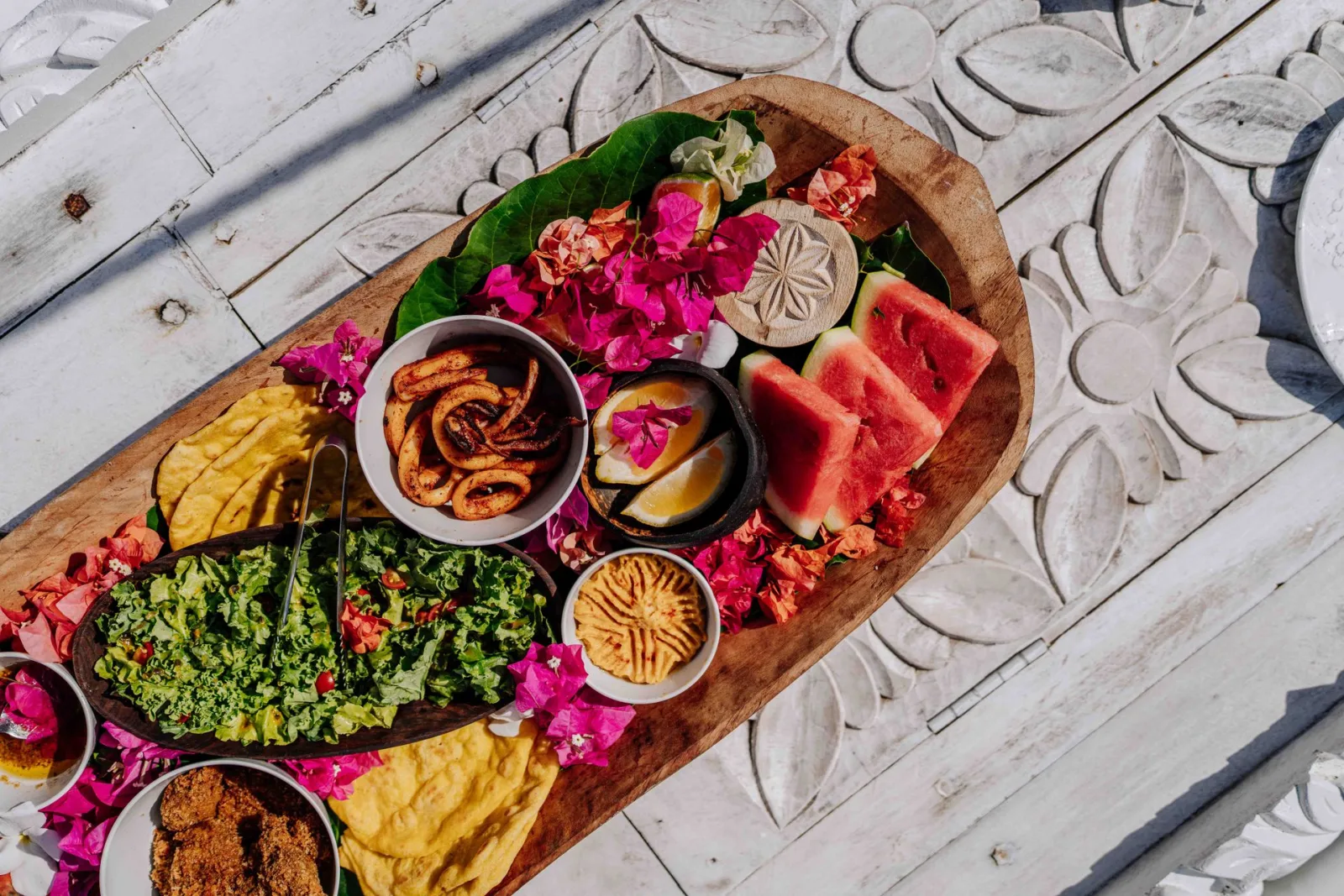
  • Matoke: Steamed green bananas, the national staple, often served with groundnut (peanut) sauce or meat
  • Rolex: The ultimate street food — a chapati rolled with eggs, onions, tomatoes, and cabbage
  • Luwombo: Traditional dish of meat or fish steamed in banana leaves, imparting a unique flavor
  • Posho (Ugali): Stiff maize porridge, served with beans or meat stew
  • Chapati: Ugandan-style flatbread, flaky and soft, a legacy of Indian influence
  • Groundnut Sauce: Rich peanut sauce served with rice, matoke, or posho
  • Rolex (the food, not the watch): Ubiquitous, cheap, and delicious street food
  • Fresh Tropical Fruits: Pineapples, passion fruit, mangoes, and jackfruit are abundant and cheap

Famous Fruits

Uganda's fertile soil and equatorial climate produce exceptional tropical fruits year-round.

  • Pineapples: Ugandan pineapples are exceptionally sweet and juicy, especially from Kayunga
  • Passion Fruit: Abundant, used in fresh juices and desserts
  • Mangoes: Seasonal (Nov–Feb), incredibly sweet and affordable
  • Jackfruit: Large, sweet, and widely available in local markets
  • Avocados: Large, creamy, and very cheap compared to international prices
  • Bananas/Plantains: Dozens of varieties, eaten ripe, cooked, or fermented

National Dish — Matoke

Matoke is Uganda's culinary cornerstone — a comforting, starchy staple that defines the local diet.

  • Matoke is made from green cooking bananas (plantains)
  • Pealed, wrapped in banana leaves, and steamed until soft
  • Often mashed and served with groundnut (peanut) sauce, bean stew, or meat
  • It is a daily meal for most Ugandans, especially in the central and western regions
  • Vegetarian-friendly and naturally gluten-free
  • Best experienced at a traditional local restaurant or a high-end lodge offering cultural dinners

Avg Cost Of Food

Budget travelers can eat well for UGX 15,000–30,000 per day at local eateries. Tipping 5-10% is appreciated in restaurants.

  • Street Food (Rolex): UGX 3,000–5,000
  • Local Restaurant Meal: UGX 15,000–30,000
  • Mid-range Restaurant: UGX 40,000–80,000 per person
  • Safari Lodge Meal: Included in package, or UGX 50,000–100,000 if à la carte
  • Fresh Fruit Juice: UGX 5,000–10,000
  • Local Beer (Nile Special): UGX 5,000–8,000

Tipping: 5-10% customary in restaurants (not mandatory). Safari guides and trackers are typically tipped $10–$20 per day.

Uganda Weather & Packing Tips
Uganda has a tropical climate. Pack for your destinations — from warm Kampala to chilly Bwindi forests.

Tip: Pack layers — Uganda's equatorial location means warm days, but high-altitude areas like Bwindi can be cold and wet.

Weather

Uganda has a tropical climate with two dry seasons and two wet seasons, moderated by its high altitude.

  • Kampala/Jinja: Warm year-round, 23–30°C. Rainy seasons: Mar–May and Sep–Nov
  • Bwindi (Gorilla Trekking): Cool and wet, 10–20°C. Rain can occur any time of year
  • Queen Elizabeth NP: Warm and dry, 20–28°C. Best wildlife viewing in dry seasons
  • Murchison Falls: Hot and dry, 25–32°C. Very warm during the day
  • Best time overall: June to August and December to February (dry seasons)
  • Wet seasons: Mar–May and Sep–Nov (lush scenery, fewer crowds, muddy trails)

Clothes To Wear

Ugandans dress modestly. Avoid overly revealing clothes in cities and villages. Pack according to your specific destinations.

For Kampala & Cities:

  • Light, breathable clothing (cotton, linen) for warm days
  • Light jacket or sweater for cool evenings
  • Modest attire (shoulders and knees covered) for village visits or religious sites
  • Comfortable walking shoes
  • Rain jacket or compact umbrella (rain is possible year-round)

For Gorilla Trekking (Bwindi):

  • Long-sleeved shirts and long trousers (to protect against stinging nettles and insects)
  • Sturdy, waterproof hiking boots with good ankle support
  • Gardening gloves (for gripping vegetation)
  • Warm fleece or down jacket (mornings are cold at high altitude)
  • Gaiters (optional, to keep mud and debris out of boots)
Uganda Heritage & Cultural Highlights
UNESCO sites, national symbols, and souvenirs that capture Uganda's rich cultural identity.

UNESCO World Heritage Sites

Uganda has 3 UNESCO World Heritage Sites, showcasing its natural and cultural significance.

  • Bwindi Impenetrable National Park (1994) — Home to half the world's mountain gorillas
  • Rwenzori Mountains National Park (1994) — "Mountains of the Moon" with unique alpine vegetation
  • Kasubi Tombs (2001) — Burial grounds of the Buganda kings, a masterpiece of organic architecture

National Symbols

Uganda's national symbols reflect its rich biodiversity and cultural heritage.

  • National Animal: Ugandan Kob (a species of antelope)
  • National Bird: Grey Crowned Crane (featured on the national flag)
  • National Tree: Mutuba tree (source of traditional bark cloth)
  • National Drink: Uganda Waragi (local gin) or fresh fruit juices
  • National Dish: Matoke (steamed green bananas)
  • National Motto: "For God and My Country"

Souvenirs

Best places to shop for souvenirs: Women's Craft Market in Kampala, Kazuri Beads, and airport duty-free.

  • Bark Cloth: Traditional, eco-friendly fabric with UNESCO heritage status
  • Ugandan Coffee: High-quality Arabica or Robusta beans
  • Wood Carvings: Hand-carved gorillas, elephants, and masks
  • Agaseke Baskets: Intricately woven "peace baskets"
  • Local Art: Paintings and batiks depicting Ugandan life and landscapes
  • Vanilla Beans: Premium, organic Ugandan vanilla
  • Beaded Jewelry: Colorful, handmade bracelets and necklaces
Notable Highlights for Indian Travelers
From iconic wildlife to historical landmarks, discover what makes Uganda the "Pearl of Africa."

Famous Figures & History

  • Winston Churchill: Coined the term "Pearl of Africa" in his 1908 book "My African Journey"
  • Idi Amin: Infamous former dictator (1971–1979), a dark but significant part of Uganda's history
  • Sylvia Nalubowa & Jennifer Ndungo: Co-founders of Good African Coffee, empowering local farmers
  • Phiona Mutesi: Chess prodigy from Katwe, subject of the Disney film "Queen of Katwe"
  • Indian Community: A significant and influential Indian-Ugandan community contributes to business, medicine, and cuisine

Unique Wildlife Facts

Uganda offers unparalleled wildlife experiences that are rare or impossible to find elsewhere in Africa.

  • Mountain Gorillas: Uganda is home to over half of the world's remaining mountain gorillas
  • Tree-Climbing Lions: Queen Elizabeth National Park (Ishasha sector) is one of only two places in Africa where lions regularly climb trees
  • Chimpanzee Tracking: Kibale Forest has the highest density of primates in Africa
  • Shoebill Stork: A prehistoric-looking bird that can be spotted in the wetlands of Mabamba Swamp
  • Big Five: While rhinos are only in a sanctuary (Ziwa), Uganda offers excellent viewing of lions, leopards, elephants, and buffalo

Adventure Activities

  • White-Water Rafting: Jinja offers some of the best Grade 5 rapids in the world on the Nile
  • Gorilla Trekking: A once-in-a-lifetime, physically demanding but deeply rewarding experience
  • Chimpanzee Habituation: Spend a full day with researchers tracking chimps in Kibale Forest
  • Boat Cruises: Kazinga Channel (Queen Elizabeth NP) offers close-up views of hippos and crocodiles
  • Hiking: Rwenzori Mountains ("Mountains of the Moon") offer challenging multi-day treks

Is Uganda expensive for Indians? A 7–10 day safari costs ₹1.8L–₹3.5L per person, including flights, e-Visa, lodges, and the mandatory $800 gorilla trekking permit.

Do Indians need a visa? Yes. Indian nationals can apply for a Uganda e-Visa ($50) or an East African Tourist Visa ($100) online before travel.

Flight duration? Flights from Delhi or Mumbai to Entebbe take 12–18 hours with one layover via Dubai, Addis Ababa, or Doha.

Is Uganda safe for Indian tourists? Generally very safe, especially in national parks and tourist areas. Use registered tour operators and avoid traveling at night in cities.

Currency? Ugandan Shilling (UGX). Carry crisp USD notes (printed after 2013) for exchange. Cards are accepted in major hotels. UPI is not available.

Frequently Asked Questions — Uganda Travel for Indians
Quick, honest answers to the most common Uganda travel questions from Indian travellers
1Do Indians need a visa for Uganda?
Yes. Indian nationals must obtain a visa. The most convenient option is the Uganda e-Visa ($50 USD), applied for online. Alternatively, the East African Tourist Visa ($100 USD) allows multiple entries into Uganda, Kenya, and Rwanda. Apply at least 2 weeks before your trip.
2Is Uganda expensive for Indian tourists?
A 7–10 day Uganda safari costs approximately ₹1.8L–₹3.5L per person. This includes flights, e-Visa, mid-range lodges, meals, and the mandatory gorilla trekking permit ($800). While the permit is costly, overall lodge and park fees are competitive compared to Kenya or Tanzania.
3How long is the flight from India to Uganda?
Flights from Delhi or Mumbai to Entebbe (EBB) take 12–18 hours with one layover. The most popular and seamless routes are via Addis Ababa (Ethiopian Airlines), Dubai (Emirates), or Doha (Qatar Airways). No transit visa is required for these layovers.
4What is the best time to visit Uganda from India?
The dry seasons, June to August and December to February, are the best times. Trails are less muddy, and wildlife viewing around water sources is excellent. October is also a good shoulder month with fewer crowds.
5Is Uganda safe for Indian tourists?
Yes, Uganda is generally very safe for Indian tourists. National parks and tourist areas are well-managed. Standard precautions apply: use registered tour operators, avoid traveling at night, and keep valuables secure in Kampala.
6Do Indians need a transit visa for Uganda flights?
No. Transit via Dubai, Doha, or Addis Ababa does not require a separate transit visa for Indian passport holders, provided you remain in the international transit area and your layover is under 24 hours.
7How much does a gorilla trekking permit cost in Uganda?
A gorilla trekking permit in Bwindi Impenetrable National Park costs $800 USD per person for foreign non-residents. It must be booked months in advance through a registered tour operator, as permits sell out quickly.
8What plug type is used in Uganda?
Uganda primarily uses Type G (British 3-pin rectangular) outlets at 240V, 50Hz. Some hotels may have Type C (European 2-pin). Indian travelers will need a universal travel adapter.
9Can I use Indian Rupee or UPI in Uganda?
No. The local currency is the Ugandan Shilling (UGX). UPI is not available. The key money tip: carry crisp USD cash (printed after 2013) for exchange or emergencies. International Visa/Mastercard cards are accepted in major hotels and lodges.
10What is the national dish of Uganda?
Matoke (steamed green bananas) is the traditional staple, often served with groundnut sauce or meat. Another popular street food is the "Rolex" — a chapati rolled with eggs and vegetables, reflecting Uganda's Indian culinary influence.
11What is the time difference between India and Uganda?
Uganda is 3.5 hours behind Indian Standard Time (IST). Uganda follows East Africa Time (EAT, UTC+3) with no daylight saving time. When it is 12:00 PM in Kampala, it is 3:30 PM in India.
12Can vegetarian Indians find food in Uganda?
Yes. Ugandan cuisine includes many vegetarian options like Matoke, sweet potatoes, beans, posho, and chapati. Major hotels and safari lodges easily accommodate vegetarian and vegan diets if informed in advance.
13Do I need a Yellow Fever vaccination for Uganda?
Yes. A valid Yellow Fever vaccination certificate is mandatory for all travelers entering Uganda. Immigration officials at Entebbe Airport will check this document, and you may be denied entry or vaccinated on the spot at a high cost if you do not have it.
14Is malaria a concern in Uganda?
Yes, malaria is endemic in Uganda. Indian travelers should consult a doctor before the trip for anti-malarial prophylaxis. Use DEET-based insect repellent, sleep under mosquito nets (provided by lodges), and wear long sleeves in the evenings.
15Does Destination To Plan offer group tour packages to Uganda?
Yes. Destination To Plan offers customised group and family safari tour packages to Uganda from India — including return flights, lodges, gorilla permits, guided game drives, airport transfers, and visa assistance. Contact us for a personalised quote.
Have more questions? Our Uganda safari experts can help plan your perfect trip.

Talk to an Uganda Travel Expert →

Note: Information provided is subject to change. Verify visa requirements, exchange rates, opening hours, and travel advisories before your trip. Prices are approximate and may vary based on location, season, and inflation. Gorilla permit prices and park fees are set by the Uganda Wildlife Authority (UWA) and can change.

About This Uganda Travel Guide

This Uganda travel guide covers everything Indian travelers need from e-Visa requirements and gorilla trekking permits to local food, weather, shopping, and top safari attractions. Researched, regularly updated, and trusted by group tour planners and independent travelers.

Expert Curated Content

Every section — from Uganda visa rules to Bwindi trekking tips — is verified by travel professionals with Africa safari experience.

Regularly Updated Information

Uganda travel costs, e-Visa rules, and embassy details are reviewed and refreshed to reflect current conditions, including UWA permit updates.

Trusted by Indian Travelers

Used by group tour organizers, corporate travel planners, and independent travelers from India researching Uganda itineraries and safari packages.

Complete Uganda Resource

One guide covering visa requirements, cost, flights, itinerary, food, culture, weather, shopping, and heritage — all with India-specific context and 2026 accuracy.

More Travel Guides

Explore Other Destinations

Plan Your Uganda Safari from India

Fill out the enquiry form below and our travel experts will help you plan your Uganda tour — e-Visa, flights, lodges, and gorilla permits.

Get assistance with e-Visa, flight bookings, Kampala hotels, Bwindi gorilla trekking, Queen Elizabeth game drives, and complete Uganda packages.

Enquire About This Package