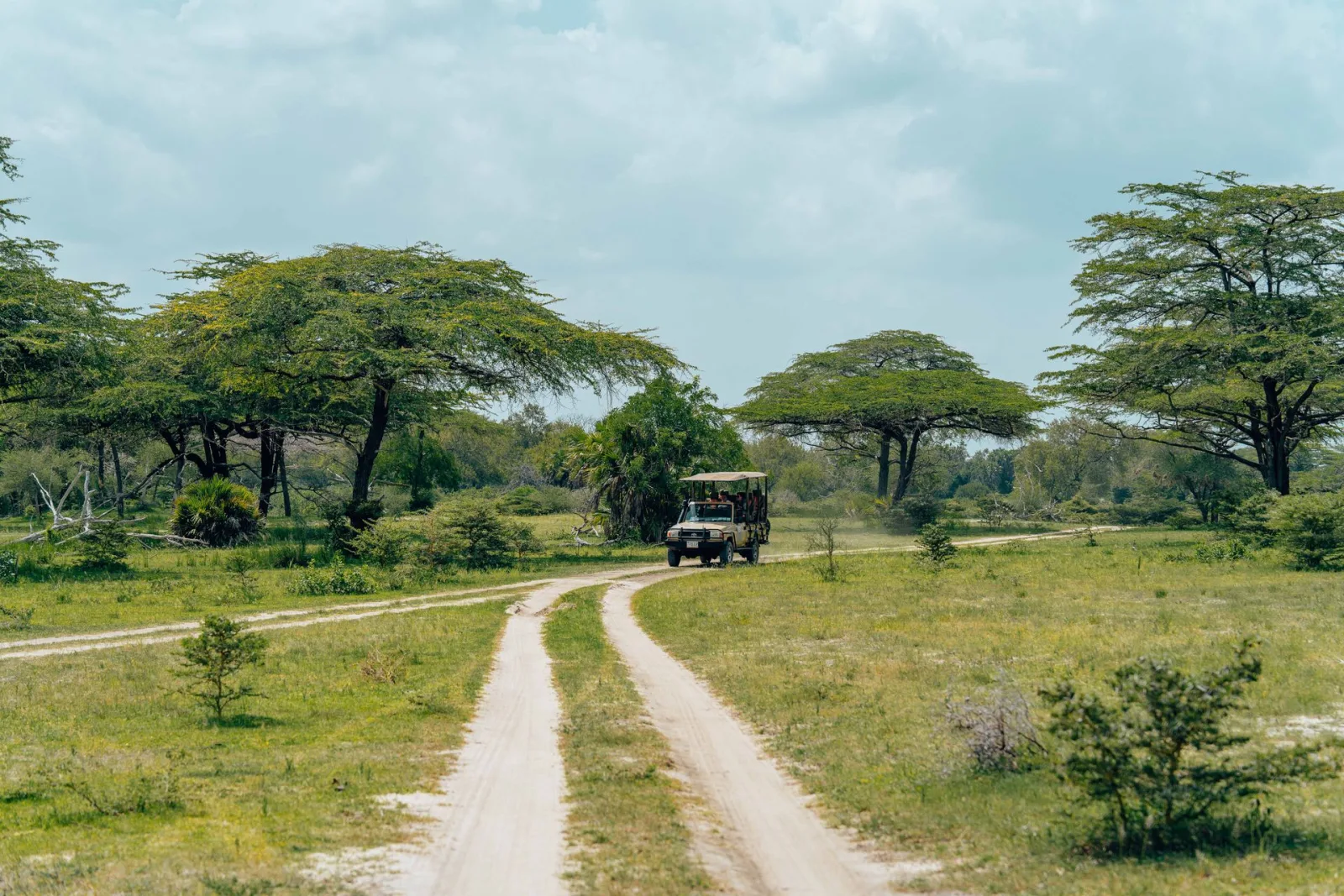
Pride of lions resting under a shaded tree in the dry, dusty savanna of the Okavango Delta, Botswana

Botswana Dry Season Safari Guide
Wildlife, Weather & Booking Tips 2026

Why May to October is the ultimate window for Indian travelers to experience the Okavango Delta floods and Chobe's massive elephant herds.

Updated for 2026 Travelers
Written by Vishal Narayan — Africa Travel Specialist
Reviewed by Veena Rathore · Africa Travel Reviewer
Last updated after reviewing:
  • Updated 2026 Okavango Delta flood peak timings for dry season safari planning
  • Revised Chobe National Park river cruise seasonal schedules for May-October
  • Current luxury lodge availability and booking windows for peak dry season 2026

Last updated: April 2026

The Peak Safari Window: May to October
Understanding why the dry season is globally recognized as the best time to visit Botswana.

The Dry Season Reality

  • Zero Rain: Expect clear, cloudless blue skies and absolutely no rainfall from May through October.
  • Thinning Bush: The lack of rain causes the dense summer foliage to dry up and thin out, drastically improving visibility for spotting predators.
  • Water Concentration: As temporary pans and natural waterholes dry up, wildlife is forced to congregate around the permanent rivers and delta channels.
  • Comfortable Temperatures: The intense heat of the summer months drops, making daytime game drives highly comfortable.

As detailed in our complete Botswana travel guide, the dry season transforms the landscape into a high-stakes wildlife arena, offering the most reliable Big Five sightings on the continent.
Wildlife Highlights by Region
What to expect in Botswana's premier parks during the peak dry months.

Okavango Delta & Moremi

  • The Flood Paradox: Between May and August, the Delta reaches its maximum flood levels. Water flows in from Angola's wet season, creating a stunning contrast of water and dry land.
  • Activities: This is the only time you can combine morning mokoro (canoe) safaris through deep channels with afternoon 4x4 game drives on the dry land islands.
  • Predator Action: Lions, leopards, and wild dogs are highly active, hunting the abundant lechwe and impala gathered near the water's edge.

Chobe National Park

  • Elephant Capital: By August and September, the Chobe River is the only reliable water source for miles. Over 30,000 elephants gather along the riverbanks.
  • River Cruises: Sunset boat safaris are spectacular, offering front-row seats to massive elephant herds swimming across the river and bathing.
  • Predator Density: The concentration of prey attracts large prides of lions and pods of hippos, making the riverfront incredibly dynamic.

To see how these wildlife patterns fit into a weekly schedule, review our 7-day Botswana itinerary for Indian travelers.

Weather Realities & Safari Packing
Preparing for the extreme temperature shifts of the dry winter season.

Temperature Extremes

  • Morning Drives (5:30 AM): Extremely cold. In June and July, temperatures can drop to 2–5°C (35–41°F). The wind chill in an open 4x4 vehicle is biting.
  • Midday (12:00 PM): The sun is intense and the landscape heats up rapidly. Temperatures easily reach 25–30°C (77–86°F).
  • Evening Drives (4:00 PM): Pleasant and warm, cooling down quickly once the sun sets around 6:00 PM.
  • The Strategy: You must dress in layers. Start the morning in a beanie, fleece, and windproof jacket, and peel them off as the day warms up.

Dry Season Packing

  • Warm Layers: A heavy fleece, a down jacket, or a windproof safari jacket is mandatory for morning drives.
  • Extremities: Pack thermal gloves, a warm beanie, and a scarf. Your hands and ears will freeze in the open vehicle.
  • Sun Protection: The dry season sun is unforgiving. High-SPF sunscreen, lip balm, and a wide-brimmed hat are essential for midday.
  • Dust Management: The dry earth kicks up fine dust. Bring a bandana or buff to cover your nose and mouth on bumpy dirt roads.

For a comprehensive checklist of what to bring, explore our detailed Botswana safari tips guide.

Booking Tips for Indian Travelers
How to secure your spot during Botswana's most competitive travel window.

When to Book

  • The 12-Month Rule: For travel in July, August, or September, you should ideally book your luxury lodges 10 to 12 months in advance.
  • Shoulder Season Advantage: If you book for May or October, you can often secure excellent lodges with only 6 to 8 months' notice, while still enjoying great wildlife.
  • Internal Flights: Light aircraft charters between Maun, the Delta, and Kasane have strict weight and seat limits. Book these simultaneously with your lodge.

Budget Considerations

  • Peak Pricing: Lodge rates are at their absolute highest between July and October. Expect to pay a 20-30% premium compared to the green season.
  • Value Proposition: While the upfront cost is higher, the sheer density of wildlife sightings means you get maximum value from your expensive park fees and guide time.
  • Indian Holidays: The dry season aligns perfectly with Indian school summer holidays (May-June) and Diwali/Christmas breaks. Demand from the Indian market is extremely high during these windows.

To understand the full financial breakdown of a peak season trip, check our Botswana trip cost from India guide.

Ready to experience the ultimate dry season safari? Our experts can secure your spot in Botswana's most exclusive lodges.

Plan My Dry Season Safari →
Frequently Asked Questions — Dry Season Safaris
Quick answers to seasonal and wildlife questions from Indian travelers.
1Why is the dry season the best time for a Botswana safari?
During the dry season (May to October), vegetation thins out and natural waterholes dry up, forcing wildlife to congregate around permanent water sources like the Okavango Delta and Chobe River. This makes spotting the Big Five incredibly easy and predictable.
2Does the Okavango Delta dry up in the dry season?
Paradoxically, no. The Okavango Delta reaches its peak flood levels between May and August. The water flows in from the Angolan highlands during Botswana's dry winter, creating a spectacular water wonderland perfect for mokoro canoe safaris alongside dry-land game drives.
3How cold does it get on a morning game drive in the dry season?
June and July nights can drop to near freezing (0–5°C). Morning game drives in open 4x4 vehicles are extremely cold due to the wind chill. You must pack a warm fleece, a windproof jacket, a beanie, and gloves. By 10 AM, it warms up to a pleasant 25°C.
4How far in advance should Indians book a dry season Botswana safari?
The dry season is Botswana's absolute peak. Luxury lodges in the Okavango Delta and Chobe have very limited capacity and sell out extremely fast. Indian travelers should book their safaris 8 to 12 months in advance to secure their preferred camps and internal charter flights.
5Is the dry season good for photography?
Yes, the dry season is widely considered the best time for wildlife photography. The lack of rain means clear, dust-free skies, and the sparse vegetation makes it much easier to spot and photograph predators and elusive species like wild dogs and leopards.

Note: The dry season is Botswana's most popular and expensive time to visit. While wildlife viewing is guaranteed to be spectacular, the extreme morning cold and high demand require careful packing and early booking. For a complete overview of all seasons, refer to our best time to visit Botswana guide.

More Travel Guides

Explore Other Destinations

Plan Your Dry Season Botswana Safari

Fill out the enquiry form below and our travel experts will help you secure your spot in Botswana's exclusive luxury lodges during the peak dry season.

Get assistance with luxury lodge bookings, internal charter flights, seasonal wildlife tracking, and complete Botswana safari packages from India.

Enquire About This Package