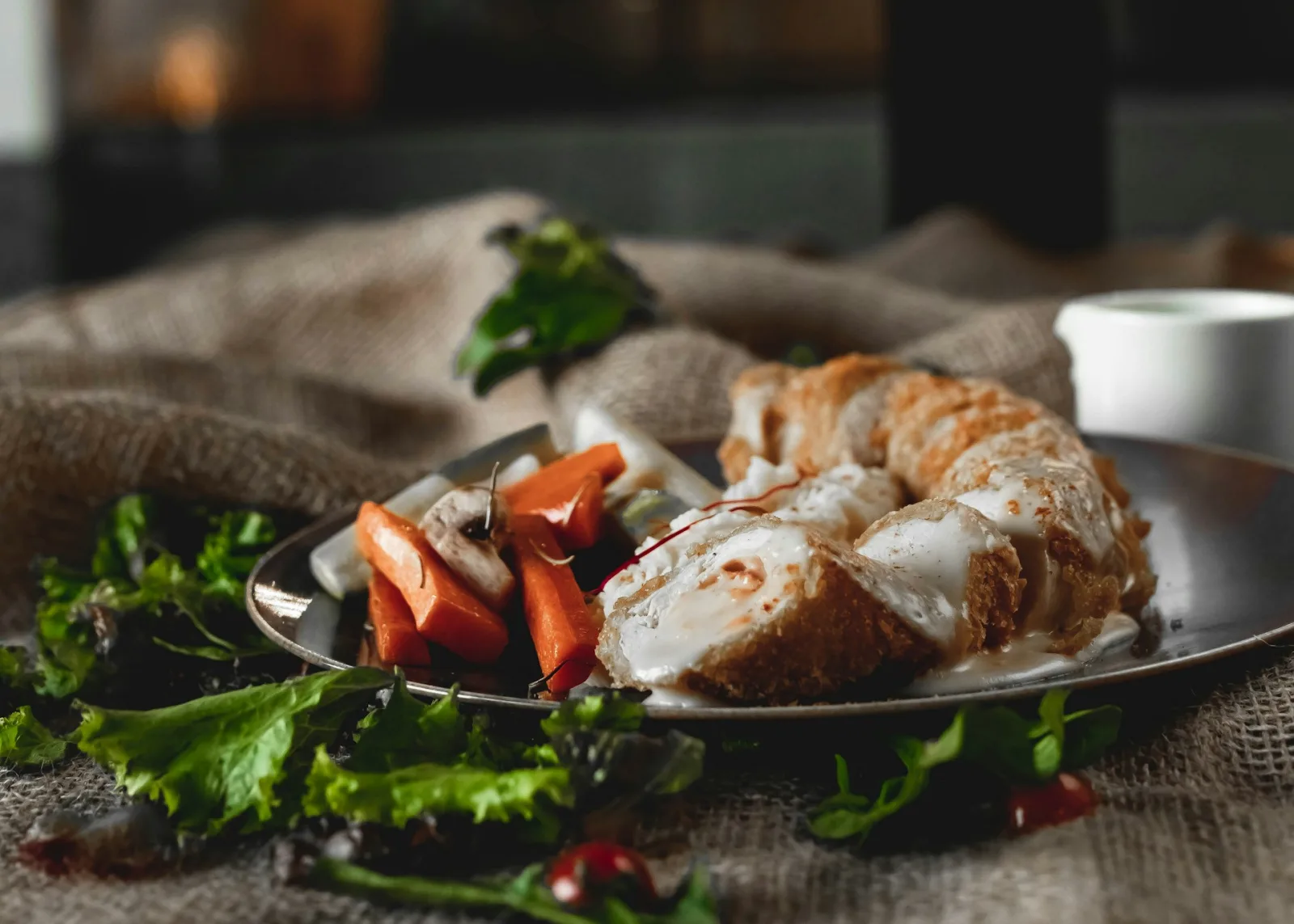
Navigating Egyptian Cuisine as an Indian Traveler
What to expect, what to try, and how to eat safely and affordably in Egypt.
Egyptian cuisine is a hearty, flavorful blend of Mediterranean, Middle Eastern, and African influences, relying heavily on legumes, vegetables, bread, and aromatic spices. For Indian travelers, this makes Egypt a surprisingly comfortable and delicious destination, especially for vegetarians.
This guide focuses strictly on the culinary landscape of Egypt. For a complete overview of your trip, including cultural norms and top attractions, refer to our comprehensive Egypt Travel Guide. If you are budgeting for your meals, our detailed Egypt trip cost from India breakdown provides exact daily food expenditure estimates.
Vegetarian & Vegan Options in Egypt
Indian travelers will find an abundance of naturally plant-based Egyptian staples.
- Koshary: The national dish. A carb-heavy, protein-rich mix of rice, macaroni, brown lentils, and chickpeas, topped with spiced tomato sauce and crispy fried onions. Completely vegan and costs under ₹150.
- Ful Medames: The traditional Egyptian breakfast. Slow-cooked fava beans mashed with olive oil, cumin, lemon juice, and garlic. Served with warm Baladi bread.
- Ta'meya: The Egyptian version of falafel. Unlike Levantine falafel (made from chickpeas), Ta'meya is made from crushed fava beans, making it lighter, greener, and fluffier.
- Mahshi: Vegetables like zucchini, eggplant, bell peppers, or vine leaves stuffed with a fragrant mixture of rice, herbs, and tomato sauce.
- Baba Ganoush & Hummus: Widely available mezze dips served with fresh pita bread.
While dedicated Jain restaurants are rare, major hotels in Cairo and Luxor can accommodate strict vegetarian or Jain requests if informed 24–48 hours in advance. When eating at local eateries, stick to fresh fruits, plain rice, lentil soups, and cooked vegetables. Always specify "no onion, no garlic" (Arabic: bil-a basal wila thoom) if required.
Egypt Street Food Guide
Authentic, cheap, and delicious eats found on the streets of Cairo and Luxor.
Street food is the heartbeat of Egyptian culinary culture. It is safe to eat provided you choose busy stalls with high turnover, indicating fresh preparation.
- Koshary Abou Tarek (Cairo): The most famous Koshary restaurant in Egypt, with multiple floors dedicated to this single dish. A must-visit for hygiene and taste.
- Fresh Juice Stalls: Ubiquitous across cities. Try fresh sugarcane juice (Asab), hibiscus tea (Karkadeh, served hot or cold), and mango juice (in season).
- Baked Goods: Look for street vendors selling Kahk (butter cookies dusted with powdered sugar, especially during Eid) and Fiteer Baladi (flaky, layered Egyptian pastry, available sweet or savory).
Dining Costs for Indian Travelers
A realistic breakdown of what you will spend on food and beverages in Egypt.
| Dining Type | Cost per Person (EGP) | Cost per Person (INR Approx.) |
|---|
| Street Food / Koshary | 50 – 100 EGP | ₹130 – ₹260 |
| Local Café / Sandwich | 100 – 200 EGP | ₹260 – ₹520 |
| Mid-Range Restaurant | 300 – 600 EGP | ₹780 – ₹1,550 |
| Fine Dining / Hotel | 800 – 1,500+ EGP | ₹2,100 – ₹3,900+ |
| Fresh Juice / Coffee | 40 – 80 EGP | ₹100 – ₹210 |
| Bottled Water (1.5L) | 10 – 15 EGP | ₹25 – ₹40 |
Street Food
Cost₹130 – ₹260
Mid-Range
Cost₹780 – ₹1,550
Tipping (Baksheesh): A 10–12% service charge is often included in restaurant bills. If not, leaving 10% in cash is standard. Small tips (10–20 EGP) are also expected for restroom attendants and porters.
Food & Water Safety Tips for Indians
How to enjoy Egyptian food without compromising your health.
Never drink tap water in Egypt. Always purchase sealed bottled water from reputable brands like Baraka, Nestle Pure Life, or Hayat. Use bottled water for brushing your teeth as well. Avoid ice cubes in drinks at small, local establishments, as they may be made from tap water.
Eat at stalls that are busy with locals, as high turnover ensures food is freshly prepared. Avoid raw, unpeeled salads or cut fruits from roadside vendors. Stick to thoroughly cooked, hot foods like Koshary, Falafel, and grilled items. Carry hand sanitizer and wet wipes for hygiene on the go.
Frequently Asked Questions — Egypt Food Guide
Quick answers to common culinary queries from Indian travelers.
1Is Egyptian food suitable for Indian vegetarians?
Yes, absolutely. Egyptian cuisine relies heavily on legumes, grains, and vegetables. Staples like Koshary (rice, lentils, pasta), Ful Medames (fava beans), and Ta'meya (Egyptian falafel) are naturally vegetarian and widely available.
2Is street food in Egypt safe for Indian tourists?
Generally yes, if you follow basic precautions. Eat at busy stalls with high turnover, avoid raw unpeeled salads from roadside vendors, and always drink sealed bottled water (like Baraka or Nestle).
3How much does a meal cost in Egypt for Indian travelers?
A local street food meal (like Koshary) costs around ₹150–₹250. A meal at a mid-range restaurant costs ₹500–₹1,000 per person, while fine dining or hotel restaurants range from ₹1,500 to ₹3,000+ per person.
4Do I need to tip at restaurants in Egypt?
Yes, tipping (Baksheesh) is customary. If a 10-12% service charge is not included in the bill, leaving 10% in cash is standard practice. Small tips (10-20 EGP) are also expected for restroom attendants and porters.
5Can I find Jain or strict vegetarian food in Egypt?
While dedicated Jain restaurants are rare, major hotels in Cairo and Luxor can accommodate strict vegetarian or Jain requests if informed 24-48 hours in advance. Stick to fresh fruits, plain rice, lentils, and cooked vegetables at local eateries.
Want a hassle-free Egypt trip with curated dining experiences and safe, hygienic meal arrangements? Let our experts handle your itinerary.
Explore Egypt Tour Packages →
Note: Restaurant prices and menu availability are subject to change due to local inflation and seasonal factors. Always verify hygiene standards and inform your tour operator of any strict dietary requirements (e.g., Jain, gluten-free) well in advance of your travel dates.