Khan el-Khalili market operating hours and security presence updates for 2026
Egyptian Ministry of Tourism certified papyrus and alabaster vendor guidelines
Current Egyptian Pound (EGP) inflation impact on local souvenir pricing for tourists
Fact-checked April 2026
Navigating Egyptian Markets as an Indian Traveler
What to expect, what to buy, and how to shop safely and affordably in Egypt.
Shopping in Egypt is a vibrant, sensory-rich experience. From the labyrinthine alleys of historic Cairo to the artisan workshops of Luxor, markets (souks) are the beating heart of local commerce. For Indian travelers, the experience of haggling and discovering handcrafted goods will feel both exotic and somewhat familiar.
This guide focuses strictly on the shopping landscape of Egypt. For a complete overview of your trip, including cultural norms and top attractions, refer to our comprehensive Egypt Travel Guide. If you are planning your daily budget, our detailed Egypt trip cost from India breakdown will help you allocate funds for souvenirs and market purchases.
Top Markets & Bazaars in Egypt
The best places to find authentic crafts, spices, and traditional goods.
Khan el-Khalili (Cairo)
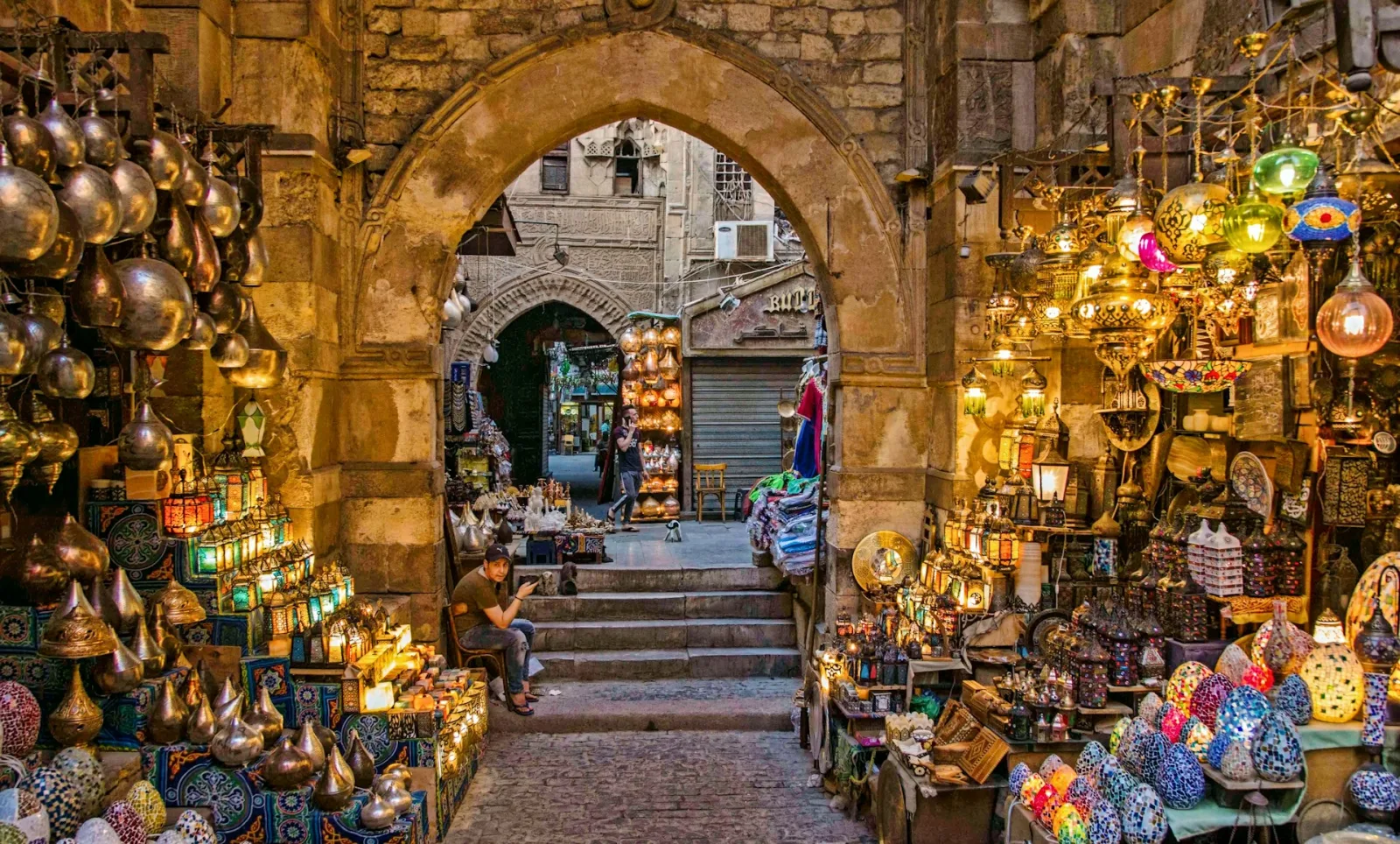
Egypt's most famous 14th-century bazaar. It is a sprawling maze of alleys selling brass lanterns, perfumes, jewelry, and textiles. Indian Traveler Tip: Visit in the late afternoon or evening when the market is beautifully lit and the atmosphere is vibrant. Stick to the main thoroughfares if you feel overwhelmed by the crowds.
Luxor West Bank Markets
The villages on the West Bank of Luxor (like Al-Qurna) are famous for hand-carved alabaster statues and traditional Nubian crafts. Tip: Many artisans offer free demonstrations of how they carve the stone, adding a memorable cultural touch to your purchase.
Aswan Souk
Located near the Nile, this market is less aggressive than Cairo's. It is the best place to buy Nubian handicrafts, colorful textiles, fresh spices, and dried hibiscus (karkadeh). Tip: Visit early in the morning to avoid the peak heat and crowds.
What to Buy in Egypt: Top Souvenirs
Authentic, high-quality items that make perfect gifts or mementos for travelers back home.
Authentic Papyrus Art
Real papyrus is made from the papyrus plant and will not crack or peel when bent. Cheap imitations are made from banana leaves and will crack easily. Buy only from government-certified papyrus institutes or reputable galleries, not from random street vendors.
Egyptian Cotton & Textiles
Egyptian cotton is world-renowned for its softness and durability. Look for high-thread-count towels, bed sheets, and traditional galabeya robes. Reputable brands like Seoudi or dedicated cotton factories offer genuine products with quality guarantees.
Perfume Oils & Spices
Egypt is famous for its essential oils, particularly lotus, papyrus, and jasmine. Buy from established perfume factories (which often offer free factory tours) rather than street stalls. Spices like cumin, coriander, and dried hibiscus are also excellent, lightweight purchases.
Alabaster & Brassware
Hand-carved alabaster vases and statues (especially from Luxor) are beautiful decorative items. Brass and copper coffee sets, lanterns, and trays are also traditional, though they add significant weight to your luggage. Ensure they are well-packed by the vendor.
Bargaining & Scam Avoidance Tips for Indians
How to shop smart, stay safe, and get fair prices in Egyptian markets.
Start Low, Stay Polite: A good rule of thumb is to start your counter-offer at 30% to 40% of the vendor’s initial asking price. Bargain with a smile and a sense of humor. If the price does not reach your comfort zone, politely say "La, shukran" (No, thank you) and walk away. Often, they will call you back with a better price.
Cash is King: UPI is not accepted in Egypt. While larger shops and malls accept international credit cards, street markets operate strictly on cash (Egyptian Pounds). Always carry small denominations (10s, 20s, 50s) to avoid vendors claiming they have no change.
Beware the "Free" Gift: If a vendor offers you a "free" scarf, papyrus, or trinket, or insists on putting a headdress on your head for a photo, they will inevitably demand payment afterward. Politely but firmly decline unsolicited items or services.
Secure Your Belongings: Markets like Khan el-Khalili are very crowded. Keep your wallet in a front pocket, avoid flashing expensive cameras or phones, and use a crossbody bag to prevent pickpocketing.
Shopping Hours & Logistics
Practical information to help you plan your market visits efficiently.
Market Operating Hours
Traditional bazaars like Khan el-Khalili typically open around 10:00 AM and stay open until 11:00 PM or midnight. Many shops may close or slow down during Friday afternoon prayers (12:00 PM – 2:00 PM). Modern shopping malls (like Citystars in Cairo) operate from 10:00 AM to 10:00 PM daily and offer fixed prices, AC, and a break from haggling.
Packing & Customs
If you buy fragile items like alabaster or glass perfume bottles, ask the vendor to wrap them securely in bubble wrap and place them in the center of your suitcase. Be aware of Indian customs regulations: you can bring in reasonable quantities of personal souvenirs, but bulk commercial quantities may attract duties. Antiquities are strictly prohibited from export.
Frequently Asked Questions — Egypt Shopping Guide
Quick answers to common market and shopping queries from Indian travelers.
1Is it safe to shop at Khan el-Khalili in Cairo?
Yes, Khan el-Khalili is generally safe and heavily patrolled by tourist police. However, it is very crowded. Keep your wallet in a front pocket, avoid flashing expensive electronics, and use a crossbody bag to prevent pickpocketing.
2How much should I bargain in Egyptian markets?
A good rule of thumb is to start your counter-offer at 30% to 40% of the vendor’s initial asking price. Bargain politely and with a smile. If the price does not reach your comfort zone, it is perfectly acceptable to walk away.
3What are the best souvenirs to buy in Egypt for Indian travelers?
Top recommendations include authentic papyrus art (from certified institutes), Egyptian cotton textiles, handmade alabaster statues (especially from Luxor), traditional perfume oils, and spice blends like hibiscus (karkadeh) and cumin.
4Can I pay with a credit card or UPI in Egyptian markets?
No, UPI is not accepted in Egypt. While larger shops and malls accept international credit cards, street markets, bazaars, and small souvenir stalls operate strictly on cash (Egyptian Pounds). Always carry small denominations.
5How do I know if the papyrus I am buying is authentic?
Authentic papyrus is made from the papyrus plant and will not crack or peel when bent. Cheap imitations are made from banana leaves and will crack easily. Buy only from government-certified papyrus institutes or reputable galleries, not from random street vendors.
Want a stress-free Egypt experience with curated shopping stops and expert local guides? Let us handle your itinerary.
Note: Market prices in Egypt can fluctuate due to local inflation and currency exchange rates. Always verify the authenticity of high-value items like papyrus and cotton. The export of genuine antiquities is strictly illegal and carries severe penalties.