Shopping in Ethiopia: An Immersive Cultural Experience
From bustling open-air bazaars to refined artisan boutiques, shopping in Ethiopia is a vibrant reflection of its rich heritage.
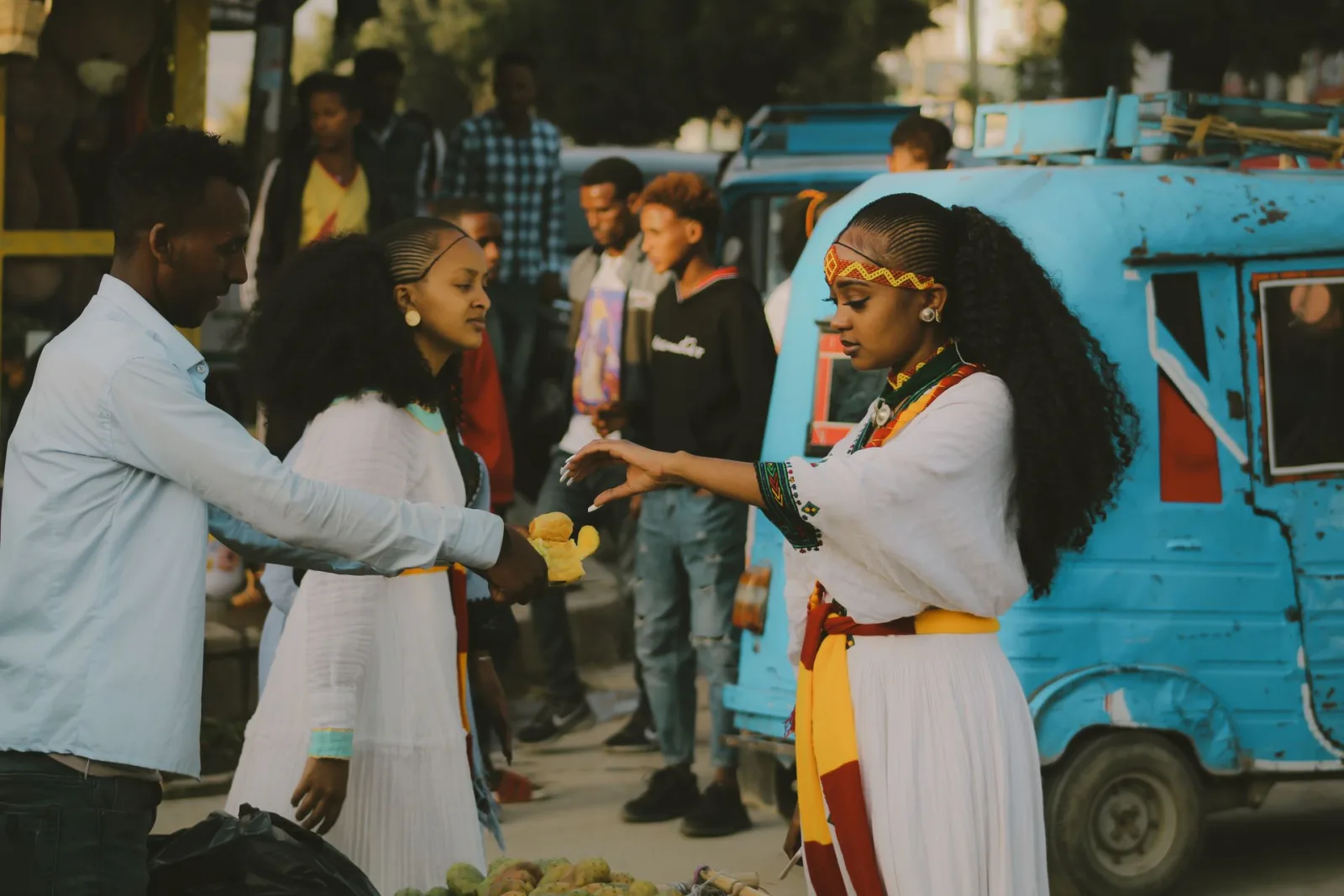
Shopping in Ethiopia is less about global luxury brands and more about discovering authentic, handcrafted goods rooted in centuries-old traditions. For Indian travelers, the experience is both familiar and uniquely African. Whether you are navigating the sprawling alleys of Addis Ababa's Merkato or browsing intricate silver crosses in Lalibela, every purchase tells a story.
This focused guide complements our broader Ethiopia Travel Guide by detailing exactly where to shop, what makes a genuine souvenir, and how to navigate transactions smoothly. For budget planning, remember to factor in souvenir costs as outlined in our Ethiopia trip cost from India breakdown.
Top Shopping Hubs & Markets in Ethiopia
Where to go for the best local goods, from chaotic bazaars to curated craft centers.
Recognized as the largest open-air market in Africa, Merkato is a sensory overload of spices, textiles, coffee, and metalwork. It is divided into specialized sections. Crucial Tip: Always hire a licensed local guide to navigate the maze-like alleys safely, assist with bargaining, and prevent petty theft.
The historic Piazza neighborhood, with its Italian-era architecture, is home to charming boutiques, traditional cafes, and craft shops. It is a more relaxed and upscale alternative to Merkato, ideal for buying high-quality leather goods, traditional clothing, and artwork without the intense crowd pressure.
The markets surrounding the rock-hewn churches in Lalibela specialize in religious artifacts. Here, you can find authentic, hand-chiseled brass and silver Ethiopian crosses, traditional prayer staffs, and beautifully illustrated Orthodox religious paintings.
For fixed-price shopping, malls like Century Mall, Friendship City Center, and large supermarkets (e.g., Shoa, Safeway) in Addis Ababa offer packaged coffee, spices, and leather goods in a comfortable, air-conditioned environment. Prices are non-negotiable but quality is guaranteed.
Best Authentic Souvenirs to Buy in Ethiopia
High-quality, culturally significant items that make perfect gifts or personal mementos.
- Ethiopian Coffee: The birthplace of coffee. Look for single-origin beans from Yirgacheffe, Sidamo, or Harar. Buy commercially packaged and sealed bags from reputable roasters or supermarkets to ensure smooth customs clearance back to India.
- Leather Goods: Ethiopia has one of the largest livestock populations in Africa, resulting in exceptionally high-quality, affordable leather. Jackets, handbags, belts, and shoes are top-tier purchases.
- Habesha Kemis: Traditional handwoven cotton dresses and shirts featuring intricate, colorful embroidered borders (tilf). A beautiful piece of wearable art.
- Ethiopian Crosses: Intricate, handcrafted brass or silver filigree crosses. Each region (e.g., Lalibela, Axum) has a distinct design style, making them unique collector's items.
- Spices & Berbere: The iconic Ethiopian chili spice blend (Berbere) and mild turmeric-based blend (Mitmita) are lightweight, flavorful souvenirs. Ensure they are factory-sealed.
- Canvas Paintings: Traditional Ethiopian Orthodox art, characterized by bold colors and large, expressive eyes, is widely available in Addis Ababa galleries and markets.
Planning a comprehensive Ethiopia tour? Our packages include guided market visits, cultural experiences, and seamless logistics so you can focus on the experience.
View Ethiopia Tour Packages →
Frequently Asked Questions — Shopping in Ethiopia
Quick answers to common questions from Indian travelers about buying souvenirs in Ethiopia.
1Can I buy and export Ethiopian coffee beans back to India?
Yes, but with restrictions. You can purchase commercially packaged and sealed coffee beans from reputable roasters or supermarkets. Exporting raw, unroasted coffee beans is strictly regulated and generally prohibited for tourists without special agricultural permits.
2Is bargaining expected in Ethiopian markets?
Yes, bargaining is standard practice in open-air markets like Merkato and Shola, as well as in small craft shops. Start by offering 50% of the initial asking price and negotiate politely. However, prices in fixed-price boutiques, malls, and airport duty-free shops are non-negotiable.
3Can I use credit cards or UPI for shopping in Ethiopia?
No. UPI is not available in Ethiopia, and Indian Rupees are not accepted. While major hotels and upscale restaurants in Addis Ababa accept international Visa/Mastercard, local markets, craft shops, and taxis operate strictly on cash. Carry pristine US Dollars to exchange for Ethiopian Birr (ETB).
4Is it safe for Indian tourists to shop in Merkato, Addis Ababa?
Merkato is generally safe during daylight hours, but it is a massive, chaotic, and densely packed open-air market. It is highly recommended to hire a licensed local guide to navigate the alleys, help with bargaining, and ensure you avoid petty theft or getting lost.
5What are the best authentic souvenirs to buy in Ethiopia?
Top authentic souvenirs include Ethiopian coffee (Yirgacheffe or Sidamo), high-quality leather goods (bags, jackets), traditional handwoven Habesha Kemis (cotton dresses), intricate brass or silver Ethiopian crosses, and Berbere spice blends.
Note: When purchasing leather goods or wooden crafts, ensure they are treated and finished to meet international agricultural import standards to avoid confiscation at Indian customs.