National park road accessibility and opening schedules during the 2026 dry season
Tsaradia domestic flight frequency and availability updates for peak dry months (June–September)
Eco-lodge booking lead times and pricing revisions for the peak April–October window
Fact-checked April 2026
Last updated: April 2026
Why the Dry Season is the Only Time to Visit
Madagascar's infrastructure is fragile. The dry season (April–October) transforms the island from a muddy, inaccessible challenge into a world-class eco-adventure destination.
For Indian travelers, planning around the dry season is not just about avoiding rain; it is about ensuring your 4x4 can actually reach the national parks and your domestic flights are not canceled. For a complete overview of visas, costs, and itineraries, refer to our comprehensive Madagascar Travel Guide. This seasonal deep-dive helps you align your Indian holiday windows with Madagascar's optimal weather patterns.
The Dry Season Window: April to October
A month-by-month breakdown of what to expect during Madagascar's prime travel window.
Shoulder Months (April–May & Sept–Oct)
Weather: Pleasant, warm days, and cool nights. The landscape is still green from the previous rains, making for stunning photography.
Crowds: Significantly fewer tourists compared to the peak summer months.
Value: Eco-lodge rates are 15-20% lower than in July/August. Excellent value for Indian families.
Best For: Travelers seeking a balance of great weather, lower costs, and avoiding the peak season rush.
Peak Winter (June–August)
Weather: The coolest and driest months. The highlands (Antananarivo, Andasibe) can drop to 10°C at night, requiring warm layers.
Crowds: Peak global tourist season. Eco-lodges and domestic flights book out months in advance.
Alignment: Perfectly aligns with the Indian summer school holidays (May–June), making it the most popular window for Indian families.
Best For: Families on fixed holiday schedules and those prioritizing guaranteed dry roads over budget considerations.
To see how these months fit into a broader weather pattern, review our complete Best Time to Visit Madagascar guide.
Wildlife & Lemur Spotting in the Dry Season
The dry season is the undisputed champion for observing Madagascar's unique endemic biodiversity.
Rainforest Trekking
Trail Conditions: In parks like Andasibe-Mantadia, the trails are dry and firm. You won't be sinking ankle-deep in mud, making treks safer and less exhausting.
Visibility: The rainforest canopy is less dense without the constant rain, and the lack of heavy downpours means you can actually hear the iconic calls of the Indri lemurs echoing through the trees.
Night Walks: Essential for spotting mouse lemurs and chameleons. Dry nights make these walks comfortable and highly productive.
Baby Lemur Season
Timing: September and October mark the birth season for many lemur species.
The Experience: If you visit during these months, you have a high chance of seeing adorable baby lemurs clinging to their mothers' backs in parks like Ranomafana and Isalo.
Tip: This is a magical time for photography, but keep your voice low and maintain a respectful distance as guided by your park ranger.
Road Accessibility & National Park Access
Madagascar's road network is notoriously challenging. The dry season is the only time many routes are viable.
The West Coast & Tsingy
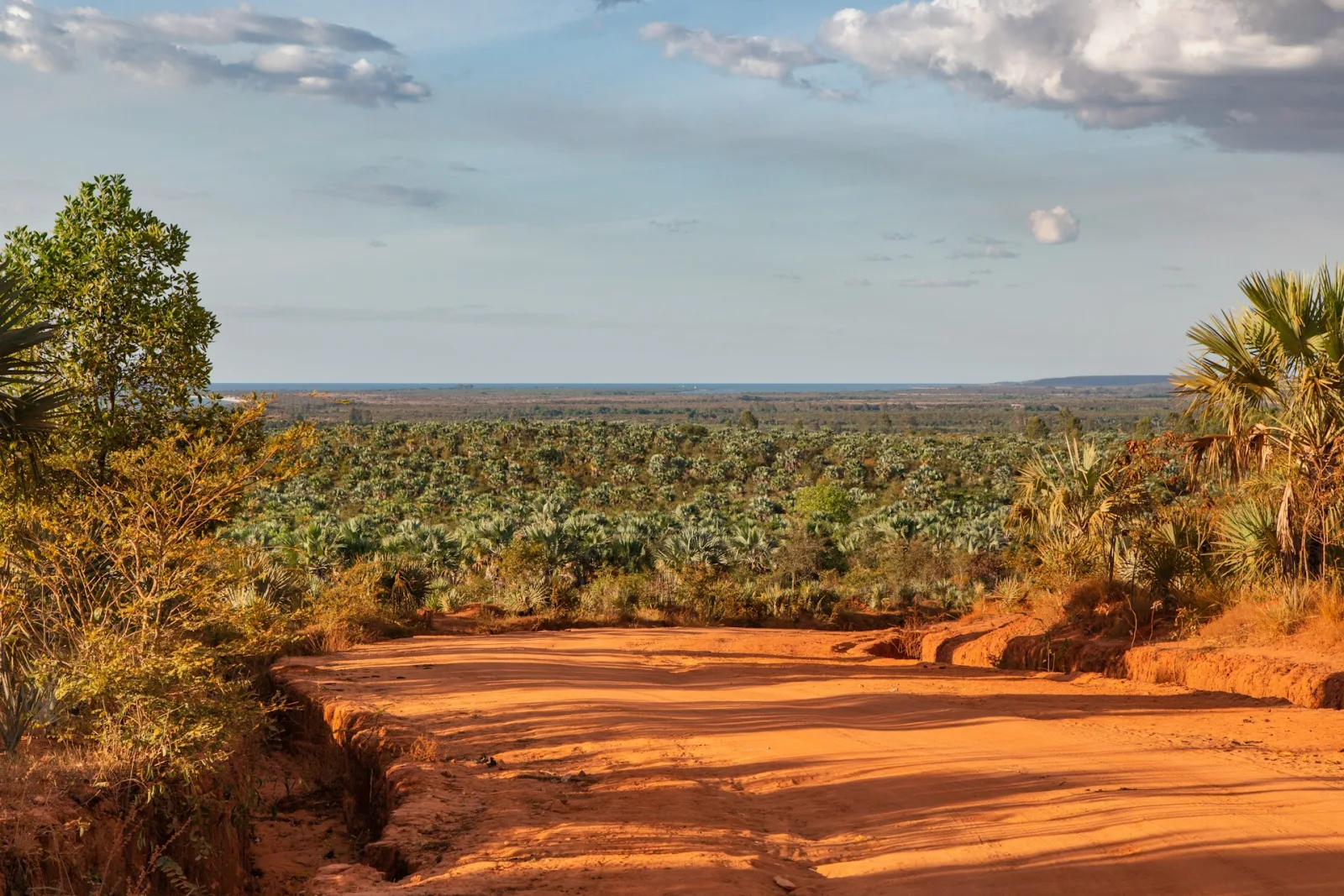
Morondava (Baobabs): The dirt roads from the capital are bumpy but passable in a 4x4. The sunset views over the Avenue of the Baobabs are guaranteed to be cloud-free.
Tsingy de Bemaraha: This UNESCO site is ONLY accessible from June to November. The pontoon crossing over the Manambolo River and the 4x4 tracks through the bush require completely dry conditions.
The South (RN7 to Isalo)
Route Nationale 7: The main artery to Isalo National Park is paved but can be heavily potholed. In the dry season, it is safe and offers stunning views of the changing landscape from green highlands to arid southern canyons.
Safety: Traveling in the dry season eliminates the risk of flash floods and landslides that plague the RN7 during the wet months.
To see how these road conditions shape a perfect route, explore our optimized Madagascar Itinerary Guide.
Beaches & Marine Life in Nosy Be
The dry season brings calm seas and crystal-clear visibility to Madagascar's northwest coast.
Diving & Snorkeling
Visibility: From May to November, the trade winds settle, and underwater visibility around Nosy Tanikely peaks at up to 30 meters.
Coral Health: The calm, clear waters are perfect for exploring vibrant coral reefs and spotting sea turtles.
Whale Shark Season
Peak Window: September to November.
The Experience: Plankton blooms attract massive whale sharks to the surface. Nosy Be is one of the few places on Earth where you can reliably swim with these gentle giants.
Booking & Logistics for Indian Travelers
The dry season is peak season. Strategic planning is required to secure the best flights and lodges.
Domestic Flights
Tsaradia Monopoly: With only one domestic airline and limited seats, flights to Nosy Be and Morondava sell out 4–6 months ahead for July/August travel.
Action: Book your domestic connections the moment you pay for your international flights from India.
Eco-Lodge Availability
High Demand: The best eco-lodges near national parks (like Andasibe or Isalo) have limited rooms. During the dry season, they reach capacity quickly.
Budgeting: Expect peak pricing in July and August. For a detailed cost breakdown, check our Madagascar Trip Cost Guide.
Want to secure the best eco-lodges and flights for the dry season? Our Madagascar packages handle all peak-season logistics seamlessly.
Frequently Asked Questions — Madagascar Dry Season
Quick, honest answers to the most common seasonal questions from Indian travellers
1What are the exact months of the dry season in Madagascar?
The dry season in Madagascar runs from April to October. During this window, rainfall is minimal, humidity drops, and the dirt roads leading to national parks become passable for 4x4 vehicles.
2Is the dry season the best time for Indian families to visit Madagascar?
Yes, the dry season is ideal for Indian families. It aligns perfectly with the Indian summer school holidays (May–June). The weather is pleasant, malaria risk is slightly lower due to fewer mosquitoes, and wildlife spotting is much easier without dense rainforest canopy.
3Can I visit the Tsingy de Bemaraha during the dry season?
Yes, in fact, you can ONLY visit the Tsingy de Bemaraha during the dry season. The national park officially closes from December to May because the dirt access roads become completely flooded and impassable. The best months to tackle the limestone pinnacles are June through November.
4Do I need to book domestic flights earlier during the dry season?
Absolutely. Tsaradia (Air Madagascar) operates a limited fleet, and the dry season (June–September) is peak tourist season. Flights to Nosy Be and Morondava sell out 4 to 6 months in advance. Book your domestic connections the moment you secure your international tickets from India.
5Is it too cold in the highlands during the dry season winter (June-August)?
It is not freezing, but it can be quite chilly, especially in the mornings and evenings. In Antananarivo and Andasibe, temperatures can drop to 10°C–12°C (50°F–54°F) at night. Indian travelers must pack warm layers, a fleece jacket, and a windbreaker for early morning lemur treks.
6How does the dry season affect travel costs for Indians?
The peak dry months of July and August command the highest prices for eco-lodges and domestic flights due to global tourist demand. For Indian travelers seeking better value, the shoulder months of April–May and September–October offer excellent dry weather with 15-20% lower accommodation rates.
Need help timing your Madagascar eco-adventure perfectly? Our Africa travel experts can assist with peak-season bookings and route planning.
Note: Weather patterns can vary due to global climate shifts. Verify road conditions and regional forecasts with your tour operator before finalizing your itinerary. Prices and availability peak during the dry season months.
About This Madagascar Dry Season Guide
This Madagascar seasonal guide provides Indian travelers with a transparent, 2026-ready breakdown of the dry season's wildlife, road, and beach conditions. Researched, regularly updated, and trusted by group tour planners and independent travelers.
Expert Curated Seasonal Data
Every road condition and wildlife window is verified by travel professionals with on-ground Africa experience.
Regularly Updated Forecasts
National park opening schedules, flight availability, and eco-lodge pricing are reviewed quarterly to reflect current 2026 conditions.
Trusted by Indian Travelers
Used by group tour organizers, families, and independent travelers from India researching Madagascar itineraries and wildlife windows.
India-Specific Alignment
One guide covering weather, wildlife, and logistics — all aligned with Indian holiday schedules and flight connectivity.