1Can Indian vegetarians find safe food in China?
Yes. Major cities like Beijing, Shanghai, Chengdu, and Hangzhou have dedicated vegetarian restaurants and Jain-friendly eateries. However, standard restaurant dishes often contain pork fat, lard, or meat stock. Always carry a Mandarin translation card specifying "Su shi, no meat stock, no lard" to avoid cross-contamination.
2What does "Su shi" mean in Chinese?
"Su shi" (素食) means vegetarian food in Chinese. However, many dishes labeled "vegetable" still use meat-based broths or lard. Always specify "Qing zhen" (清真) for halal-style preparation or "Bu yao rou tang" (不要肉汤) for no meat stock.
3Are Buddhist temples good places for vegetarian food in China?
Yes. Buddhist temple restaurants serve authentic plant-based cuisine without meat, eggs, or pungent vegetables (onion, garlic). Popular options include Lingyin Temple (Hangzhou), Guangji Temple (Beijing), and Jing\'an Temple (Shanghai). Many offer English menus and export packaging.
4Can I find Jain food in China?
Jain food (no onion, no garlic, no root vegetables) is rare but possible with advance planning. Inform your hotel or tour operator 24–48 hours ahead. Some Buddhist restaurants can accommodate "no onion, no garlic" requests if you specify "Bù yào cōng, bù yào suàn" (不要葱,不要蒜).
5Which Chinese cities have the best vegetarian options for Indians?
Beijing, Shanghai, Chengdu, Hangzhou, and Xi\'an have the most vegetarian-friendly dining. These cities have dedicated vegetarian chains, Buddhist temple restaurants, and international vegan cafes. Rural areas and smaller cities have limited options — plan meals in advance.
6How do I order vegetarian food in Chinese restaurants?
Show this phrase on your phone: "Wǒ shì sùshí zhě. Qǐng bùyào fàng ròu, ròutāng, zhūyóu huò hǎixiān. Xièxiè." (I am vegetarian. Please do not add meat, meat stock, lard, or seafood. Thank you.). For Jain: add "Bù yào cōng, bù yào suàn" (no onion, no garlic).
7Is Alipay accepted at vegetarian restaurants in China?
Yes. Alipay supports direct linkage of international Visa/Mastercards. Enable "Cross-border transactions" via your Indian bank first. Transaction limit ~¥2,500–¥6,000 per payment. Most vegetarian restaurants in major cities accept Alipay; carry ¥500–¥1,000 cash backup for small vendors.
8What vegetarian dishes are safe to order in China?
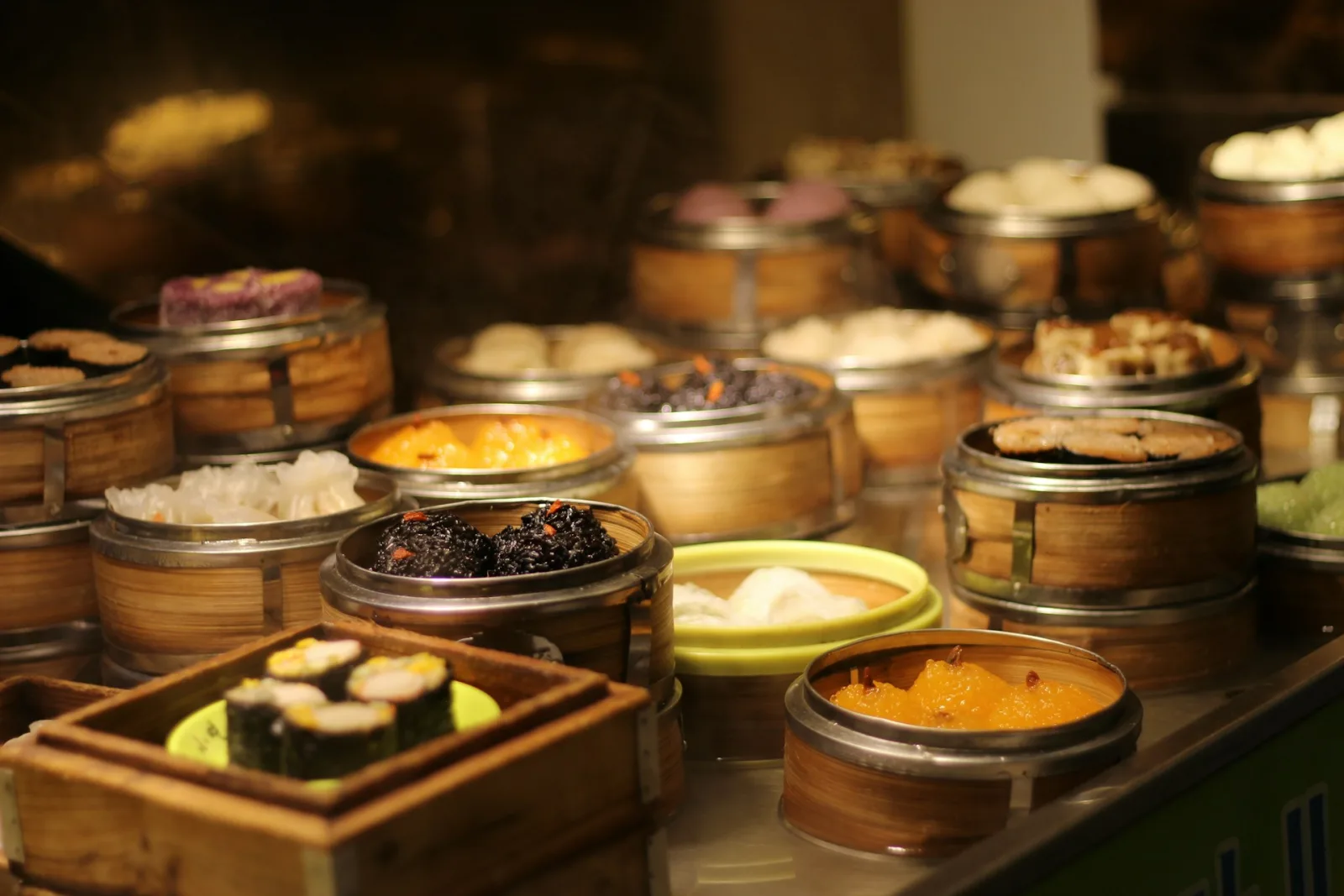
Safe options: Mapo tofu (request no meat), stir-fried vegetables (verify broth), steamed rice rolls, congee with vegetables, Buddhist "mock meat" dishes (soy/wheat protein), dumplings with vegetable filling. Avoid: "vegetable" soups (often meat-based), fried rice (may contain egg/meat stock).
9Does Destination To Plan assist with vegetarian meal planning for China trips?
Yes. We coordinate vegetarian meal planning for all China packages — including Buddhist restaurant reservations, translation card preparation, hotel meal requests, and guide briefing on dietary restrictions. Contact us for customised vegetarian routing.