South African Rand banknotes and coins alongside a credit card and passport on a travel desk

South Africa Currency & Exchange Guide
for Indian Travelers 2026

Expert tips on ZAR to INR rates, carrying USD, ATM safety, credit card usage, tipping, and VAT refunds.

Written by Vishal Narayan — Africa Travel Specialist
Reviewed by Veena Rathore · Africa Travel Reviewer
Last updated after reviewing:
  • 2026 ZAR to INR exchange rate fluctuations and impact on Indian tourist budgets
  • Updated South African Revenue Service (SARS) VAT refund thresholds and Blue Tag protocols at OR Tambo Airport
  • Latest security advisories for ATM usage and card skimming prevention in major South African cities
Understanding the South African Rand (ZAR)
A practical guide to managing your travel budget and currency exchange as an Indian tourist.

ZAR to INR Dynamics

The official currency of South Africa is the South African Rand (ZAR). Historically, the ZAR to INR exchange rate has been favorable for Indian travelers, making on-ground expenses like dining, shopping, and local transport highly affordable compared to Europe or North America.

As of early 2026, 1 ZAR is approximately equivalent to ₹4.50 INR, though this fluctuates based on global markets. For a complete trip budget breakdown, refer to our detailed South Africa trip cost guide.

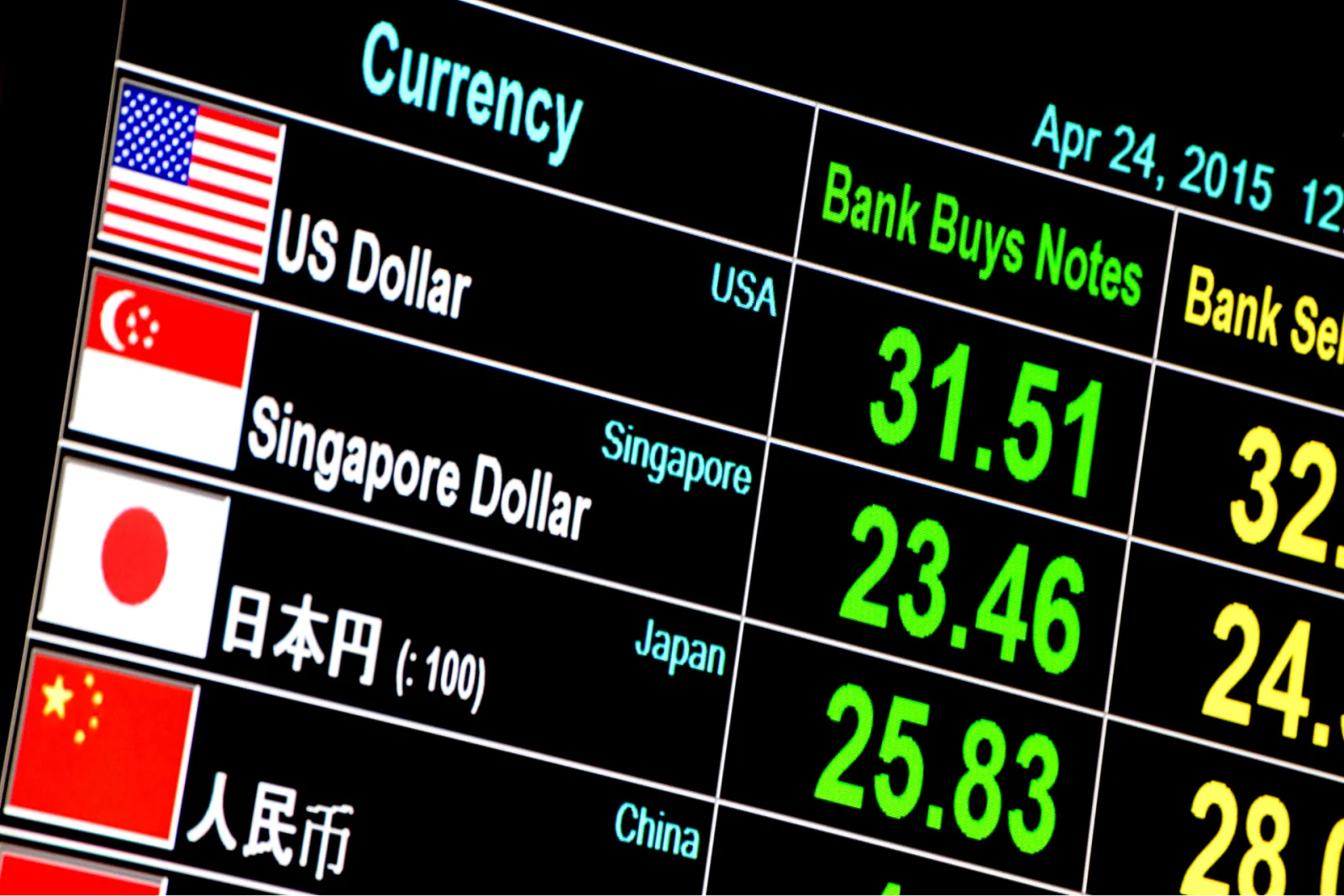
Carrying USD vs. Using Credit Cards
The optimal strategy for funding your South African adventure.

Critical Tip for Indians: Do not carry Indian Rupees (INR) expecting to exchange them. South African banks and bureaux de change generally do not accept INR. UPI is also completely unavailable.

The USD Advantage

Carrying crisp, new US Dollar (USD) bills (series 2013 or newer) is the most cost-effective way to get ZAR. Official exchange bureaus (e.g., at OR Tambo Airport or in Sandton) offer significantly better exchange rates for USD than for any other foreign currency.

  • Where to Exchange: Reputable bureaux de change in major malls (e.g., Sandton City, V&A Waterfront) or banks. Avoid exchanging money on the street.
  • Bill Condition: Ensure your USD bills are untorn, unstained, and without heavy creases, as South African exchange offices may reject damaged notes.

Credit & Debit Cards

  • Acceptance: Visa and Mastercard are widely accepted in cities, malls, hotels, restaurants, and even many safari lodges.
  • Bank Notification: Inform your Indian bank of your travel dates and destination before departure to prevent your card from being blocked for "suspicious international activity."
  • Foreign Transaction Fees: Use a Forex card or a travel credit card with zero or low foreign transaction fees to save on conversion charges.
  • Cash for Markets: Always carry some ZAR cash for curio markets, small vendors, and tipping, as they rarely accept cards.
ATM Usage & Security Tips
How to withdraw cash safely and avoid card skimming in South Africa.

Safe Withdrawal Practices

  • Location Matters: Only use ATMs located inside shopping malls, bank branches, or secure hotel lobbies (e.g., Standard Bank, Absa, FNB, Nedbank).
  • Avoid Street ATMs: Never use standalone ATMs on quiet streets, especially after dark, due to the risk of card skimming or robbery.
  • Shield Your PIN: Always cover the keypad with your hand when entering your PIN.
  • Decline "Dynamic Currency Conversion" (DCC): If the ATM offers to charge you in INR instead of ZAR, always decline. The ATM's exchange rate will be significantly worse than your bank's rate. Always choose to be charged in the local currency (ZAR).
Tipping Culture in South Africa
Understanding local etiquette to ensure you tip appropriately and respectfully.

Standard Tipping Guidelines

  • Restaurants: 10% to 15% of the total bill is standard for good service. Check your bill first, as some tourist-heavy establishments may automatically add a service charge.
  • Car Guards: It is customary to tip ZAR 10–20 to the uniformed "car guards" who watch your vehicle in public parking lots.
  • Porters: ZAR 20–50 per bag at hotels or airports.
  • Safari Guides & Trackers: ZAR 100–200 per person, per day, usually placed in a communal tip box at the end of your lodge stay.
  • Petrol Attendants: ZAR 5–10 if they check your oil, water, or clean your windscreen.

For more details on shopping and market etiquette, see our South Africa shopping guide.

Claiming Your VAT Refund (Tax-Free Shopping)
How Indian tourists can reclaim the 15% Value Added Tax on eligible purchases before departing.

The Blue Tag Process

  1. Shop at Registered Retailers: Look for the blue "Tax-Free Shopping" logo. Your single invoice must total more than ZAR 250.
  2. Request the VAT 260 Form: Ask the cashier for this form at the time of purchase. Ensure your passport details are correctly printed on it.
  3. Keep Items Accessible: Do not pack these items in your checked luggage immediately. South African Revenue Service (SARS) Customs officers may need to physically inspect them.
  4. Airport Validation: Arrive at OR Tambo or Cape Town Airport early. Go to the Customs Desk before checking in your luggage to get the VAT 260 form and original invoices stamped.
  5. Claim Refund: Present the stamped form and invoices at the designated VAT Refund Operator counter (e.g., Premier Tax Free) after passport control to receive your refund in cash or via credit card.
Frequently Asked Questions — Currency & Exchange
Quick answers to the most common money management questions from Indian travelers.
1Can I use UPI or Indian Rupees in South Africa?
No. UPI is not available, and Indian Rupees (INR) are not accepted by banks or exchange bureaus in South Africa. You must use South African Rand (ZAR).
2Is it better to carry USD or INR to South Africa?
Always carry US Dollars (USD). Official exchange bureaus offer significantly better exchange rates for USD compared to any other foreign currency, including INR.
3Are ATMs safe to use in South Africa?
Yes, but with precautions. Only use ATMs located inside shopping malls, banks, or secure hotel lobbies. Avoid standalone street ATMs, especially at night.
4What is the tipping culture in South Africa?
Tipping 10% to 15% is standard in restaurants for good service. It is also customary to tip car guards ZAR 10–20, porters ZAR 20–50 per bag, and safari guides ZAR 100–200 per day.
5How do I claim a VAT refund in South Africa?
For purchases over ZAR 250 at registered stores, request a VAT 260 form. Get it stamped by Customs at the airport BEFORE checking your luggage, then claim your refund at the designated VAT Refund Operator counter after passport control.
6Do credit cards work everywhere in South Africa?
Visa and Mastercard are widely accepted in cities, malls, hotels, and restaurants. However, carry some ZAR cash for curio markets, small vendors, and tipping, as they often do not accept cards.

Want a South Africa tour with transparent pricing and no hidden currency surprises?

Get a Custom South Africa Quote →

Note: Exchange rates (ZAR to INR) fluctuate daily. ATM fees, bank foreign transaction charges, and SARS VAT refund thresholds are subject to change. Always verify current rates and customs procedures with your bank and the South African Revenue Service before traveling.

Plan Your South Africa Trip with Transparent Pricing

Fill out the enquiry form below and our travel experts will help you design a South Africa itinerary with clear, all-inclusive pricing and no hidden currency surprises.

We handle all bookings, ensuring your safari lodges, city hotels, and internal flights are perfectly coordinated for a stress-free experience.

Enquire About This Package