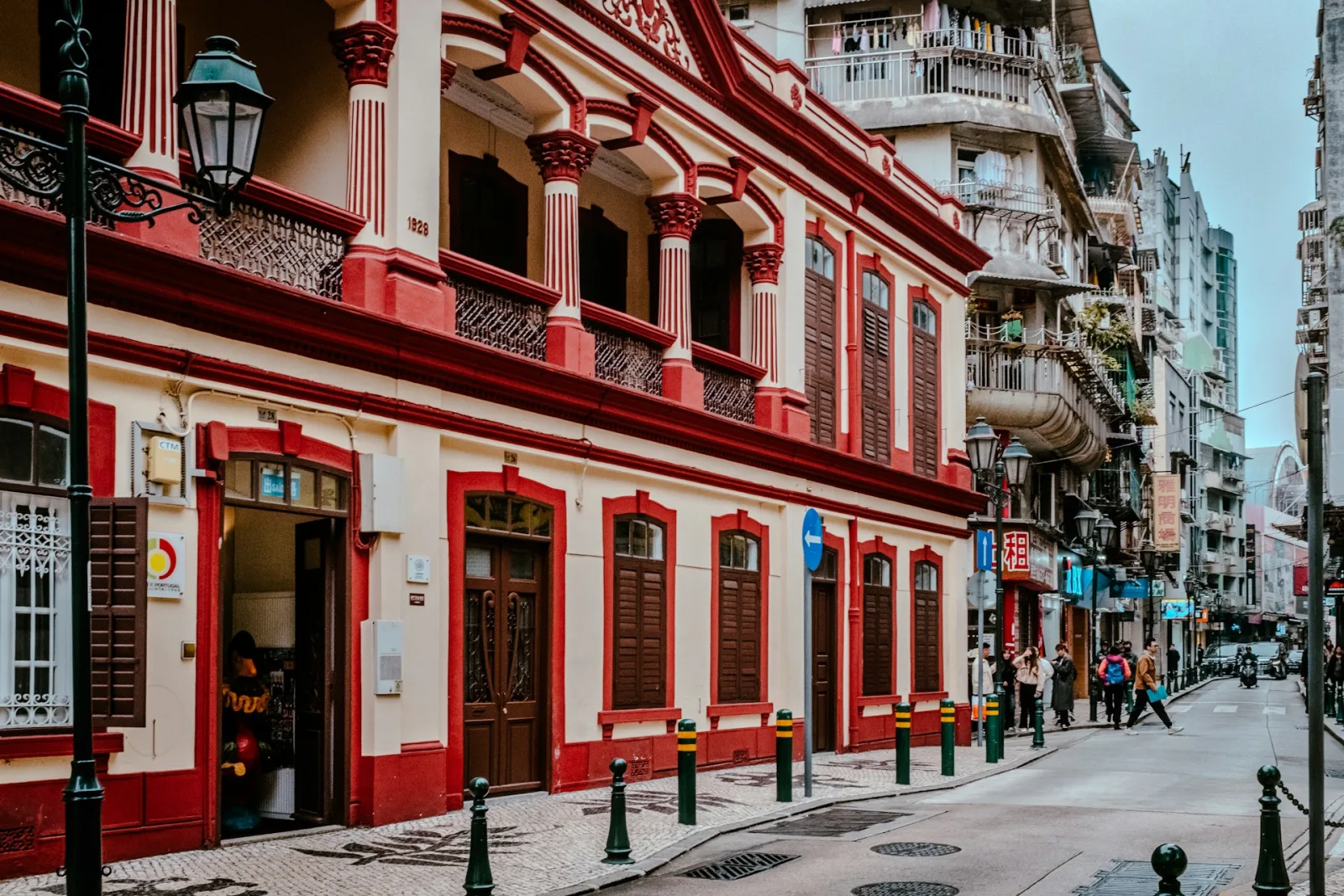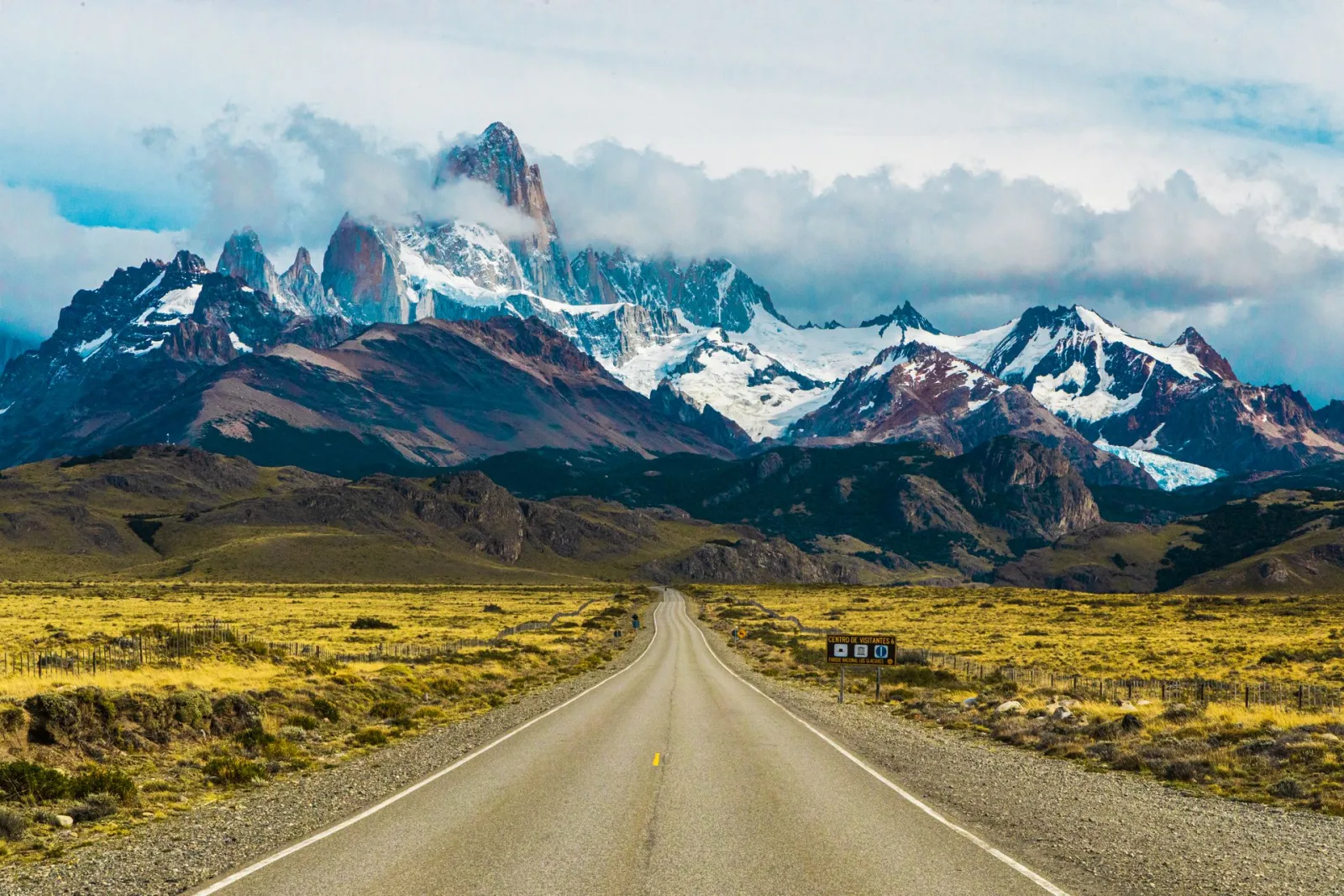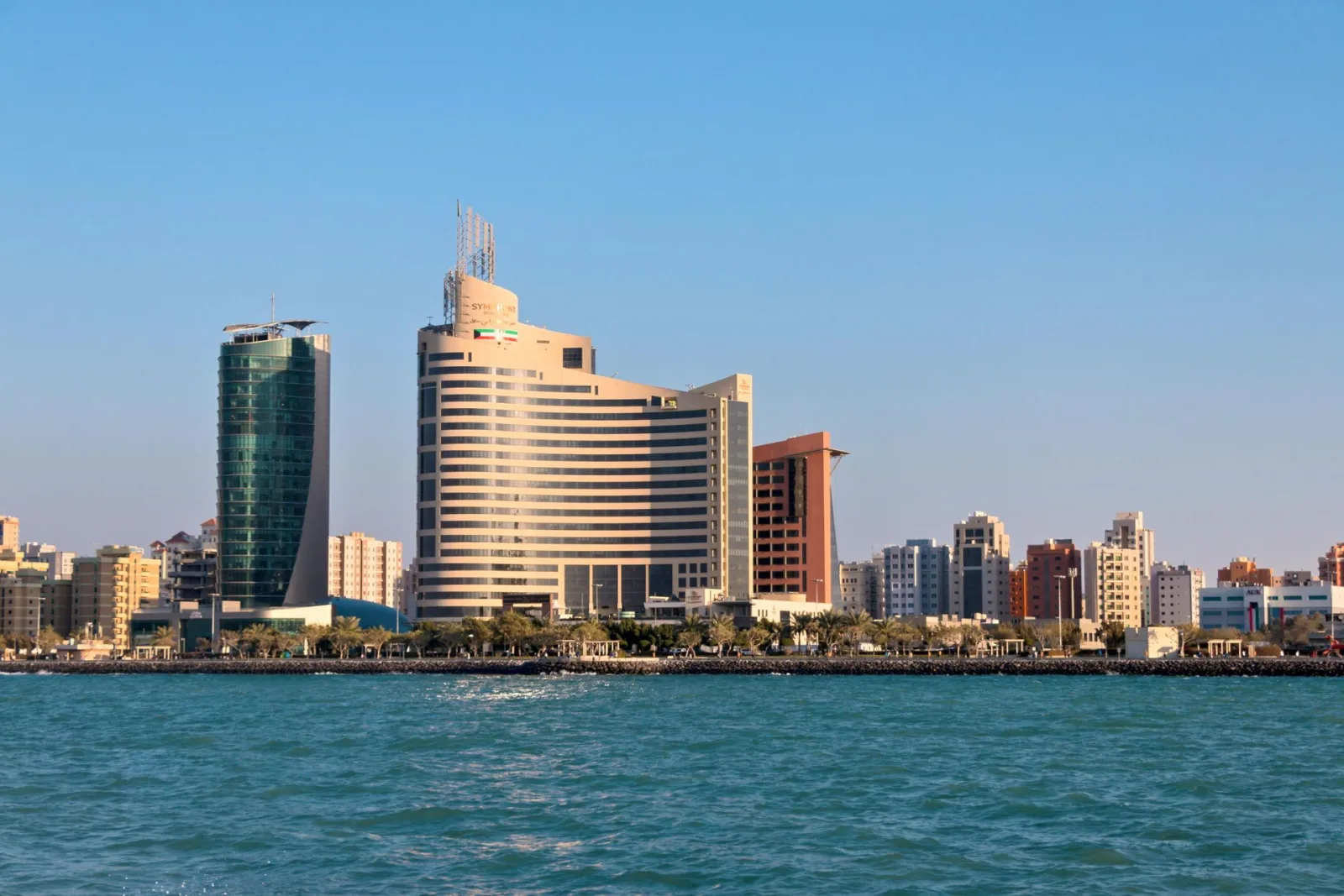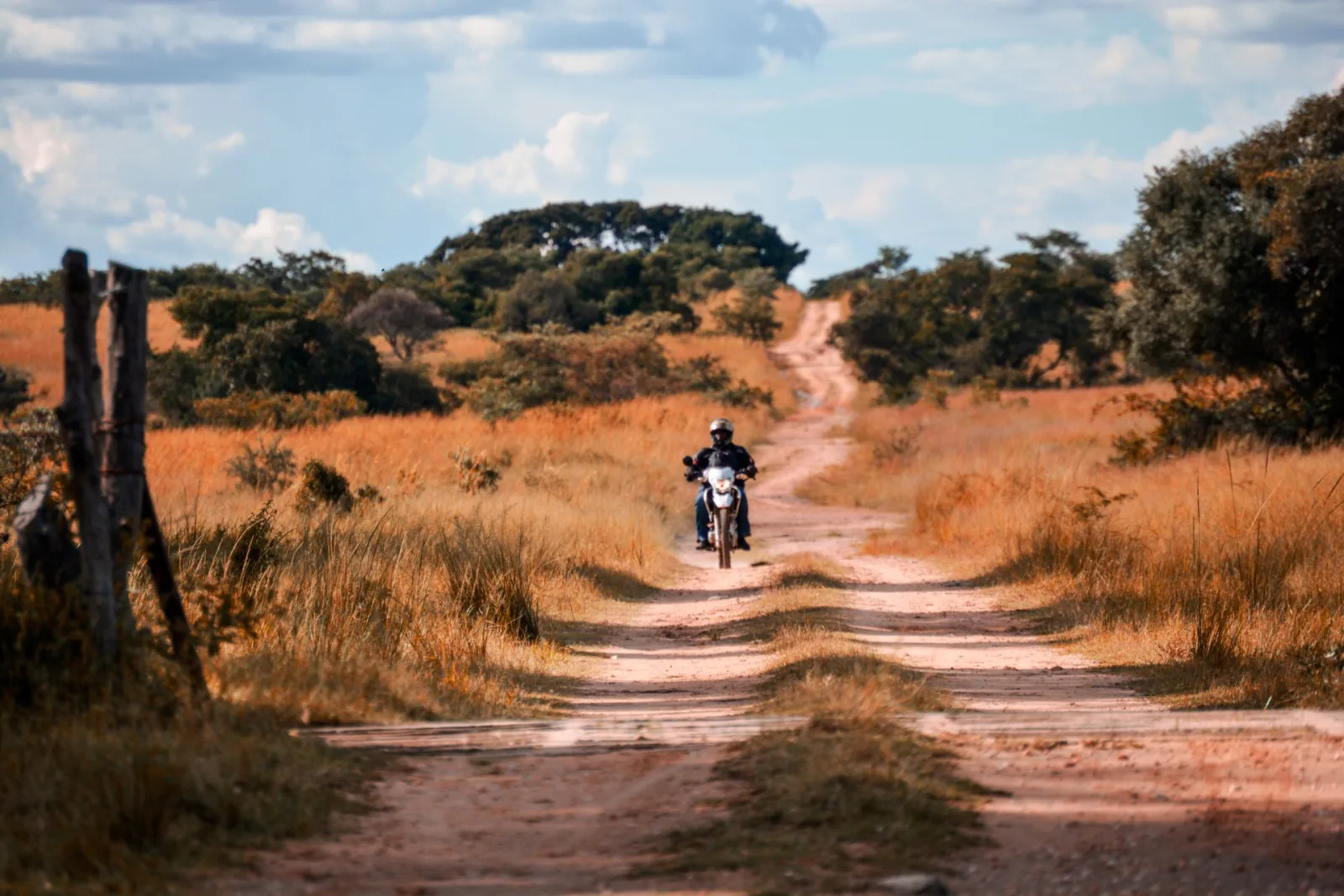
Safari guide leading a safe walking tour through Hwange National Park with tourists

Zimbabwe Safety Tips for Indians
Health, Wildlife & City Guide 2026

Essential safety advice for Indian travelers: navigating cities, wildlife encounter protocols, health precautions, and emergency contacts.

Updated for 2026 Travelers
Written by Vishal Narayan — Africa Travel Specialist
Reviewed by Veena Rathore · Africa Travel Reviewer
Last updated after reviewing:
  • Zimbabwe malaria prophylaxis guidelines and regional risk zones updated for 2026
  • Victoria Falls and Hwange National Park wildlife encounter protocols for 2026
  • Indian traveler advisories for Harare CBD and urban transport safety 2026

Last updated: April 2026

Is Zimbabwe Safe for Indian Travelers?
A practical, no-nonsense safety briefing for your Zimbabwe safari and city visits.

The Short Answer: Yes, Zimbabwe is generally safe for Indian tourists. The tourism infrastructure is well-established, and locals are known for their hospitality. However, like any destination, it requires situational awareness, particularly regarding urban petty crime and wildlife encounters. For a complete destination overview, see our Zimbabwe Travel Guide.

City Safety: Harare, Victoria Falls & Bulawayo
How to navigate urban areas securely and protect your belongings.

General Urban Precautions

  • Valuables: Do not flash expensive jewelry, cameras, or large amounts of cash. Keep your passport locked in the hotel safe; carry a photocopy instead.
  • Nighttime: Avoid walking in the Central Business District (CBD) of Harare or Bulawayo after dark. Always use app-based taxis (InDrive/Yango) or hotel-arranged transport at night.
  • ATMs: Only use ATMs located inside banks or secure shopping malls during daylight hours. Avoid standalone street ATMs.
Victoria Falls Town

  • The main tourist resort area is highly secure and heavily patrolled.
  • Walking to the falls entrance or local cafes during the day is perfectly safe.
  • Wildlife Warning: Baboons and warthogs frequently wander into the resort area. Do not leave food unattended on balconies, and never feed or approach the animals.
  • For detailed neighborhood guides, check our Victoria Falls City Guide.
Safari & Wildlife Safety Protocols
Rules for staying safe in Hwange, Mana Pools, and Matobo National Parks.

Zimbabwe's national parks are home to the Big Five and millions of wild animals. Respect for wildlife is non-negotiable.

  • Stay in the Vehicle: Never stand up, lean out, or exit your 4x4 unless your guide explicitly says it is safe to do so in a designated area.
  • Keep Quiet: Loud noises can startle animals or provoke an aggressive response. Speak in low voices during game drives.
  • Walking Safaris: Only undertake walking safaris with a certified, armed guide. Walk in single file, stay close together, and follow the guide's instructions exactly.
  • Camp Safety: In unfenced camps (especially in Mana Pools), animals may walk through the campsite at night. Always use the escort service provided by the lodge when walking to your tent after dark.
  • No Feeding: Feeding any wildlife is strictly prohibited and dangerous.

For tips on planning your safari route, see our Zimbabwe Itinerary Guide.

Health & Medical Precautions
Protecting yourself from malaria, sun exposure, and waterborne illnesses.

Malaria Prevention

  • Risk Zones: Victoria Falls, Hwange, and Mana Pools are high-risk malaria zones. Harare and Bulawayo (high altitude) are low risk.
  • Prophylaxis: Consult your doctor in India 4–6 weeks before travel for anti-malarial medication (e.g., Malarone, Doxycycline).
  • Bite Prevention: Use DEET-based insect repellent, wear long sleeves/pants at dusk and dawn, and sleep under the mosquito nets provided by your lodge.

Water & Sun Safety

  • Drinking Water: Do not drink tap water outside of major luxury hotels. Stick to sealed bottled water, which is widely available.
  • Sun Protection: The African sun is intense. Wear a wide-brimmed hat, polarized sunglasses, and high-SPF sunscreen. Hydrate constantly, even on cool mornings.
  • Medical Facilities: Major cities have adequate clinics. For severe emergencies, evacuation to South Africa is standard. Comprehensive travel insurance with medical evacuation is mandatory.
Transport Safety & Avoiding Scams
How to get around safely and protect your money.
  • App-Based Taxis: InDrive and Yango are the safest and most reliable ways to navigate cities. They provide upfront pricing and driver tracking.
  • Unmarked Taxis: Avoid hailing random cabs on the street, especially at airports. Use the official airport transfer desk or your hotel's shuttle.
  • Currency Scams: Only exchange money at official banks or hotels. Street money changers often offer counterfeit notes or shortchange tourists. Remember, crisp, new USD bills (post-2013) are required; torn or old notes will be rejected.
  • Police Checkpoints: If stopped by traffic police while self-driving, remain polite, present your IDP and passport, and pay any official fines directly at a police station rather than handing cash to officers on the roadside.
Emergency Contacts & Embassy Details
Save these numbers in your phone before you arrive.

Local Emergency Numbers

  • Police / Ambulance / Fire: 999
  • Tourist Police (Victoria Falls): +263 13 44651
  • Flying Doctors Service (Air Ambulance): +263 772 123 456 (For safari evacuations)

Embassy of India, Harare

  • Address: 45 Norfolk Road, Mount Pleasant, Harare
  • Phone: +263 242 333 764 / 333 765
  • Emergency (24/7): +263 772 333 764
  • Email: [email protected]
  • Register on the MADAD portal before your trip for faster consular assistance.
Frequently Asked Questions — Zimbabwe Safety
Quick, honest answers to the most common safety and health questions from Indian travellers.
1Is Zimbabwe safe for Indian tourists?
Yes, Zimbabwe is generally safe for Indian tourists, especially in major tourist hubs like Victoria Falls and established safari lodges. Petty crime can occur in urban centers like Harare, so standard precautions such as using app-based taxis and avoiding isolated areas at night are recommended.
2Do I need malaria tablets for Zimbabwe?
Yes, malaria is a risk in low-lying areas including Victoria Falls, Hwange, and Mana Pools. Consult your doctor in India 4-6 weeks before travel for appropriate anti-malarial prophylaxis. Use DEET-based insect repellent and sleep under provided mosquito nets.
3What should I do if I encounter wildlife in a Zimbabwean city?
In towns near national parks like Victoria Falls, baboons, warthogs, and occasionally elephants may wander into residential areas. Never approach, feed, or attempt to photograph them closely. Remain calm, back away slowly, and report the sighting to your lodge management or local authorities.
4Are app-based taxis like InDrive safe to use in Harare and Victoria Falls?
Yes, InDrive and Yango are widely used, reliable, and considered the safest mode of urban transport for tourists in Zimbabwe. They allow you to track your ride and pay in USD cash. Always verify the license plate and driver details before getting in.
5What are the emergency contact numbers in Zimbabwe?
The universal emergency number in Zimbabwe is 999 for Police, Ambulance, and Fire. For tourist-specific assistance, you can also contact the Zimbabwe Republic Police Tourist Unit or the Embassy of India in Harare at +263 242 333 764.

Note: Safety conditions, health risks, and local regulations can change. Always consult your tour operator, lodge management, and official government travel advisories before and during your trip. Destination To Plan provides this information as a guide; we are not liable for incidents occurring during your travel.

Plan a Safe & Secure Zimbabwe Safari

Fill out the enquiry form below and our travel experts will help you design a Zimbabwe itinerary that prioritizes your safety, health, and comfort.

Get assistance with secure lodge bookings, domestic flights, KAZA UniVisa, and complete Zimbabwe tour packages with 24/7 ground support.

Enquire About This Package