Practical, India-focused guidance for capturing stunning images in China — from Great Wall sunrise compositions to drone regulations and gear recommendations for 2026.
China offers extraordinary photographic opportunities: ancient architecture against modern skylines, dramatic mountain landscapes, vibrant street life, and cultural moments. For Indian photographers, navigating permit rules, gear logistics, and optimal shooting conditions requires preparation. This guide provides actionable strategies for Indian travelers: best photo locations, camera gear recommendations, permit requirements, and cultural etiquette for respectful photography.
Key Update 2026: Drone regulations have been updated with stricter no-fly zones around tourist sites; Great Wall wild section photography permits now require advance booking; Zhangjiajie glass bridge has updated tripod policies for safety.
Critical: Personal photography is generally permitted at tourist sites. Commercial photography, drones, or tripods in restricted areas may require permits.
Permit Requirements by Activity
Personal Photography: Generally permitted at tourist sites; no permit needed for handheld cameras
Tripod Use: Often restricted in crowded areas (Forbidden City, Great Wall main sections); permitted in less crowded zones
Commercial Photography: Requires permit from local tourism bureau; apply 2–4 weeks ahead via registered operator
Drone Use: Heavily regulated — register with CAAC, avoid no-fly zones (airports, government buildings, tourist sites); many attractions prohibit drones entirely
Wild Great Wall Sections: Photography permitted but access may require local guide; check current regulations before visiting
Military/Government Sites: Photography strictly prohibited; penalties can include equipment confiscation
Practical Compliance Tips
Check signage: Look for camera-with-slash symbols indicating photography restrictions
Ask staff: When in doubt, ask site staff or your guide about tripod/drone policies
Respect privacy: Avoid photographing people without permission, especially in rural/minority areas
Declare drones: If bringing a drone, declare at customs and carry registration documents
Backup plans: Have alternative compositions ready if tripods are restricted at your planned location
Local guides: Hiring a local photographer-guide can help navigate permit requirements and access restricted viewpoints
Best Light & Timing for China Photography
Golden Hour & Blue Hour Guide
Golden Hour (Sunrise): Great Wall Mutianyu, Zhangjiajie pillars, Yuanyang terraces — warm light, long shadows, fewer crowds
Golden Hour (Sunset): Shanghai Bund, Forbidden City from Jingshan Park, Li River — warm tones on architecture/water
Blue Hour: Shanghai skyline, Beijing CBD, Guangzhou Canton Tower — city lights against twilight sky
Overcast Days: Ideal for Zhangjiajie mist shots, forest scenes, portrait photography — soft, even light
Rainy Days: Reflections on wet streets, moody atmosphere, fewer tourists — embrace the weather
Frequently Asked Questions — China Photography for Indians
1What are the best photography spots in China for Indian travelers?
Top picks: Great Wall Mutianyu at sunrise, Zhangjiajie Avatar mountains with morning mist, Shanghai Bund at blue hour, Forbidden City golden hour, Li River cormorant fishermen at dusk, and Yuanyang Rice Terraces at sunrise. All offer dramatic compositions and cultural context.
2Do Indian travelers need permits for photography in China?
Personal photography is generally permitted at tourist sites. However, commercial photography, drone use, or tripod use in restricted areas may require permits. Great Wall wild sections, military zones, and government buildings prohibit photography. Always check posted signage.
3Can I bring a drone to China as an Indian tourist?
Drones are heavily regulated in China. All drones over 250g must be registered with CAAC. Many tourist areas (Great Wall, Forbidden City, Zhangjiajie) are no-fly zones. Importing drones requires declaration at customs. For most travelers, leaving the drone at home is safest.
4What camera gear should Indian photographers pack for China?
Essentials: versatile zoom lens (24-70mm or 24-105mm), lightweight tripod (where permitted), extra batteries (cold drains power), lens cleaning kit, rain cover, and portable power bank. Avoid heavy telephoto lenses for general travel — mobility matters.
5Is it safe to photograph people in China as an Indian tourist?
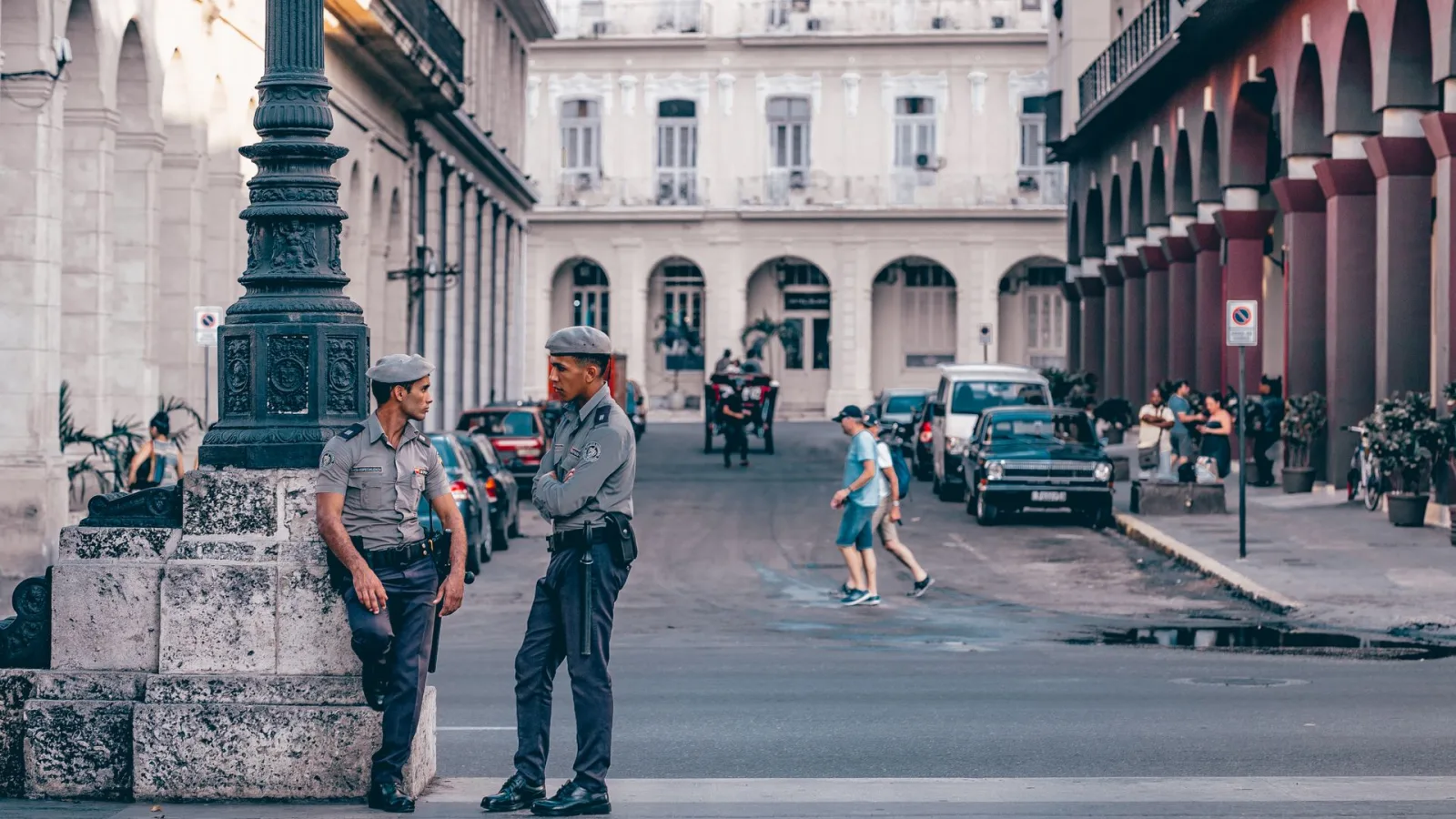
Generally yes, with courtesy. Always ask permission before close-up portraits, especially in rural areas or minority regions. A smile and gesture usually suffice. Avoid photographing military personnel, police, or sensitive infrastructure — penalties can be severe.
6What is the best time of day for photography in China?
Golden hour (sunrise/sunset) offers warm light and dramatic shadows. Blue hour (just after sunset) is ideal for city skylines like Shanghai Bund. Morning mist enhances Zhangjiajie's pillars. Avoid midday harsh light unless shooting architecture with strong shadows.
7Can I use Google Photos or cloud storage in China?
Google services are blocked in China. Use offline storage (SD cards, portable SSD) or cloud services that work in China (iCloud, OneDrive, or local alternatives like Baidu Cloud). Download offline maps and translation apps before arrival.
8Does Destination To Plan offer photography-focused China tours?
Yes. We design photography-optimized China itineraries including sunrise Great Wall access, Zhangjiajie mist sessions, Shanghai blue hour shoots, and local photographer guides. Contact us for personalised photography routing and permit assistance.
Disclaimer: Photography regulations, permit requirements, and site policies are subject to change. Drone rules, tripod restrictions, and commercial photography permits may be updated by local authorities. Always verify current requirements via official channels before travel. Destination To Plan provides guidance only; actual photography experiences depend on real-time conditions and site-specific policies.
Fill out the enquiry form below and our China specialists will design a photography-focused itinerary with sunrise access, local photographer guides, and permit assistance.
Get personalised photography routing for Great Wall, Zhangjiajie, Shanghai, or Li River — with gear guidance, permit help, and L-visa support.