Ancient Newari temple architecture at Kathmandu Durbar Square with intricate wood carvings and prayer flags at sunset

Nepal Heritage & Culture Guide
for Indian Travelers 2026

UNESCO World Heritage Sites, living goddess traditions, Hindu-Buddhist harmony & cultural etiquette — tailored for Indian tourists exploring Nepal\'s spiritual heritage.

Updated for 2026 Travelers
Written by Nisha Chaudhary — Asia Travel Specialist
Reviewed by Namrata Sethi · Asia Travel Reviewer
Last updated after reviewing:
  • Nepal UNESCO World Heritage Sites entry fee revisions for Indian tourists (April 2026)
  • Kumari living goddess tradition accessibility updates for foreign visitors
  • New cultural etiquette guidelines for temple visits in Kathmandu Valley

Last updated: April 2026

UNESCO World Heritage Sites in Nepal for Indian Travelers
Nepal has 10 UNESCO World Heritage Sites — 7 in Kathmandu Valley alone — offering unparalleled insights into Himalayan civilization.

Kathmandu Valley Sites

  • Kathmandu Durbar Square: Historic palace complex with Newari architecture; entry NPR 500 for Indians (carry ID)
  • Patan Durbar Square: Fine metalwork, Krishna Mandir, ancient courtyards; entry NPR 500 for Indians
  • Bhaktapur Durbar Square: Best-preserved medieval city, pottery square; entry NPR 500 for Indians
  • Swayambhunath (Monkey Temple): Ancient hilltop stupa with city views; entry NPR 100 for Indians
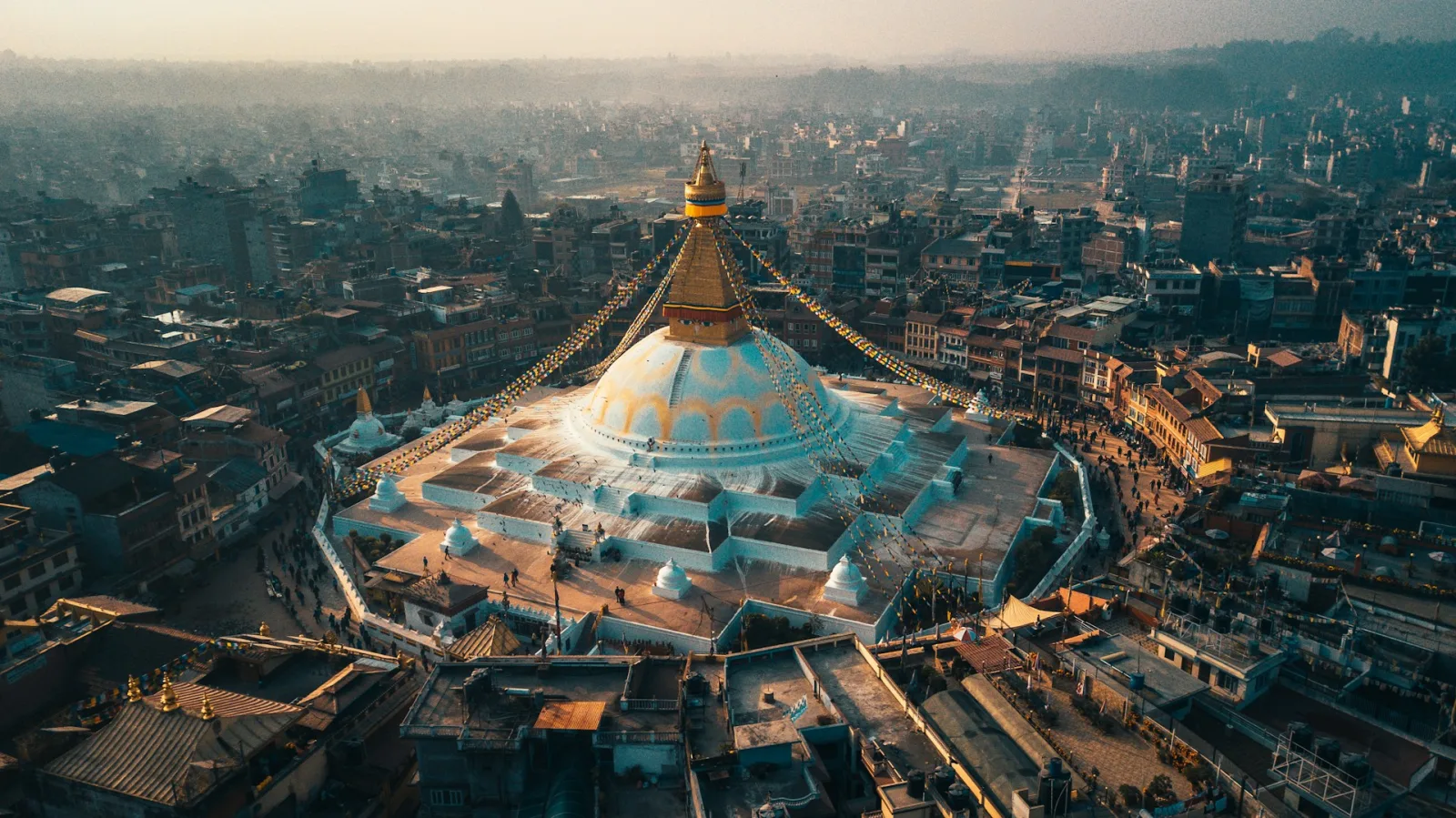
  • Boudhanath Stupa: One of world\'s largest Buddhist stupas; entry NPR 200 for Indians
  • Pashupatinath Temple: Sacred Hindu shrine on Bagmati River; FREE entry for Indians with valid ID
  • Changu Narayan Temple: Oldest Vishnu temple in Nepal (5th century); entry NPR 200 for Indians

Indian Traveler Tip: Carry original Voter ID/Aadhaar/Passport for discounted entry at all heritage sites. Photocopies not accepted.
Want a curated Nepal heritage tour? Our packages include guided UNESCO site visits with cultural insights and vegetarian-friendly dining.

← Back to Nepal Travel Guide
The Kumari Living Goddess Tradition in Nepal
Experience Nepal\'s unique living goddess tradition — a cultural treasure that continues to thrive in Kathmandu.

Visiting the Kumari Ghar

  • Location: Kumari Ghar in Kathmandu Durbar Square, Patan also has a Kumari
  • Viewing Times: The living goddess appears at the window briefly around 3-4 PM daily
  • Photography: Strictly prohibited inside the Kumari courtyard; exterior shots allowed
  • Dress Code: Modest attire required — covered shoulders and knees for all visitors
  • Behavior: Maintain silence, remove shoes, circumambulate clockwise as sign of respect
  • Cultural Context: The Kumari is a pre-pubescent Newari girl selected through ancient rituals; she embodies the goddess Taleju

Indian Traveler Note: This tradition resonates with Indian concepts of divine feminine energy. Approach with reverence similar to visiting a temple in India.

Other Living Traditions

  • Jatra Festivals: Chariot processions featuring deities; Indra Jatra (Sept) features Kumari procession
  • Guthi System: Traditional Newari community organizations preserving rituals and heritage
  • Mask Dances: Lakhe, Mahakali, and other traditional performances during festivals
  • Temple Rituals: Daily puja ceremonies at Pashupatinath open to respectful observers

See Kathmandu city guide for detailed heritage site visiting tips and timing.

Hindu-Buddhist Harmony in Nepal — A Unique Cultural Synthesis
Nepal\'s spiritual landscape where Hindu and Buddhist traditions coexist and enrich each other.

Shared Sacred Spaces

  • Pashupatinath & Boudhanath: Hindu cremation ghats and Buddhist stupa coexist along the Bagmati River
  • Swayambhunath: Buddhist stupa with Hindu shrines; worshipped by both communities
  • Muktinath: Sacred to both Hindus (Vishnu) and Buddhists (Dakini); popular pilgrimage site
  • Janakpur: Birthplace of Goddess Sita; important for both Hindu and Buddhist pilgrims
  • Lumbini: Buddha\'s birthplace attracts Hindu pilgrims respecting Buddhist heritage

Cultural Insight: Many Nepalis practice both traditions — visiting Hindu temples for life rituals and Buddhist stupas for meditation. This syncretism creates a uniquely inclusive spiritual environment.

Nepal Festivals Aligned with Indian Calendars
Experience Nepal\'s vibrant festivals that often align with Indian holiday calendars for meaningful cultural immersion.

Major Festivals for Indian Travelers

  • Dashain (Sep/Oct): Nepal\'s biggest festival; family gatherings, blessings. Aligns with Navratri/Dussehra.
  • Tihar/Deepawali (Oct/Nov): Festival of lights; dogs, cows, brother-sister bonds. Aligns with Diwali.
  • Holi (March): Color festival with music, water, traditional sweets. Same timing as India.
  • Buddha Jayanti (April/May): Lumbini celebrations, monastery visits. Aligns with Buddha Purnima.
  • Maha Shivaratri (Feb/March): Pashupatinath gatherings, ascetic pilgrimages. Same timing as India.
  • Indra Jatra (Sept): Kathmandu living goddess procession, traditional Newari dances.

Festival Travel Tips

  • Book Early: Hotels in Kathmandu and Pokhara fill quickly during Dashain, Tihar, and Holi
  • Respect Rituals: Observe from respectful distance; ask before photographing ceremonies
  • Participate Mindfully: Join public celebrations like Holi color throwing with local guidance
  • Dress Appropriately: Modest attire for temple visits during festivals
  • Learn Basic Greetings: "Dashain ko subhakamana" (Happy Dashain) shows cultural respect

See best time guide for month-by-month festival calendar alignment with Indian holidays.

Cultural Etiquette for Indian Travelers in Nepal
Simple practices that show respect and enhance your cultural experience in Nepal.

Temple & Heritage Site Etiquette

  • Remove Shoes: Always remove footwear before entering temple courtyards and inner sanctums
  • Circumambulate Clockwise: Walk around stupas and shrines in clockwise direction
  • Dress Modestly: Covered shoulders and knees required at religious sites for all genders
  • Ask Before Photographing: Seek permission before photographing people, rituals, or sacred objects
  • Respect Sacred Objects: Never point feet at deities, stupas, or monks; avoid touching religious artifacts
  • Maintain Silence: Keep voices low inside temple complexes and meditation spaces
  • Follow Local Lead: Observe how locals behave and follow their example

Indian Traveler Advantage: Many etiquette practices align with Indian temple customs — your cultural familiarity is an asset. When in doubt, ask politely or follow local devotees.

Frequently Asked Questions — Nepal Heritage & Culture
Quick answers to common heritage and culture questions from Indian travelers
1What are the UNESCO World Heritage Sites in Nepal?
Nepal has 10 UNESCO World Heritage Sites: 7 in Kathmandu Valley (Kathmandu, Patan & Bhaktapur Durbar Squares, Swayambhunath, Boudhanath, Pashupatinath, Changu Narayan) plus Lumbini (Buddha\'s birthplace), Chitwan National Park, and Sagarmatha National Park (Everest region).
2Is there an entry fee for UNESCO sites in Nepal for Indians?
Yes, but discounted rates apply for SAARC nationals including Indians. Kathmandu Durbar Square: NPR 500 (₹315), Patan/Bhaktapur: NPR 500 (₹315), Swayambhunath: NPR 100 (₹65), Boudhanath: NPR 200 (₹125), Pashupatinath: FREE for Indians with valid ID. Carry original Voter ID/Aadhaar/Passport.
3Can Indian tourists visit the Kumari living goddess in Kathmandu?
Yes, the Kumari Ghar in Kathmandu Durbar Square is open to visitors. The living goddess appears at the window briefly at specific times (usually 3-4 PM). Photography is prohibited inside. Dress modestly (covered shoulders/knees) and maintain silence as a sign of respect.
4What cultural etiquette should Indian travelers follow in Nepal?
Remove shoes before entering temples, circumambulate stupas clockwise, avoid pointing feet at sacred objects, dress modestly at religious sites, ask permission before photographing people or rituals, and greet with "Namaste" with folded hands. These practices align closely with Indian cultural norms.

Note: Heritage site entry fees, festival dates, and cultural practices are subject to change. Verify current details with Nepal Tourism Board or your hotel before travel. This guide provides general heritage guidance for Indian travelers; always approach sacred sites with reverence and respect.

More Travel Guides

Explore Other Destinations

Plan Your Nepal Heritage Tour from India

Fill out the enquiry form below and our travel experts will help you plan your Nepal heritage tour — UNESCO site visits, cultural experiences, and guided heritage walks.

Get assistance with Kathmandu heritage tours, Kumari viewing arrangements, festival timing, and complete Nepal cultural packages.

Enquire About This Package