Aerial view of Bangkok skyline along Chao Phraya River at sunset, Thailand

Thailand Travel Guide
for Indian Travelers

Visa, cost, itinerary & tips — your complete guide to planning a trip to Thailand from India in 2026.

Updated for 2026 Travelers
Written by Nisha Chaudhary — Asia Travel Specialist
Reviewed by Namrata Sethi · Asia Travel Reviewer
Last updated after reviewing:
  • Thailand visa-on-arrival & e-Visa extension policy (60-day rule, 2025 update)
  • Bangkok Suvarnabhumi & Don Mueang transit baggage rules 2026
  • Indian traveler advisories for Bangkok & Pattaya 2026

Last updated: April 2026

Thailand Trip Cost from India (Detailed Breakdown)
Realistic cost breakdown for flights, visa, hotels, food, and total budget for 2026

Cost Breakdown 2026

  • Return Flights: ₹18,000 – ₹35,000
  • Visa / AVE Fee: ₹1,800 – ₹3,500 (VoA or e-Visa)
  • Hotels (per night): ₹2,500 – ₹8,000
  • Food (per day): ₹800 – ₹2,500
  • Local Transport (per day): ₹500 – ₹1,500
  • Activities & Entry Fees: ₹5,000 – ₹15,000 total
  • Travel Insurance: ₹1,000 – ₹2,000
  • Total (7–10 days): ₹1L – ₹2L per person

Thailand is one of the most affordable international destinations for Indian travelers. Street food, budget accommodations, and domestic flights keep daily costs low. Flights remain the largest upfront expense.

Best Departure Cities

  • Delhi (DEL) — Direct flights to BKK via Thai Airways, Air India, IndiGo
  • Mumbai (BOM) — Direct and 1-stop options via Singapore, KL
  • Bangalore (BLR) — Growing direct routes to Phuket & Bangkok
  • Chennai (MAA) — Strong connectivity via Colombo & Singapore
  • Kolkata (CCU) — Shortest flight duration (~3 hrs direct)

Delhi, Mumbai, and Chennai offer the best flight connectivity to Thailand with competitive fares and minimal layovers.

Ready to plan your Thailand trip? Let us handle flights, visa, hotels, and island tours.

View Thailand Tour Packages →
Flight Routes from India to Thailand
Flights from India to Thailand take 4–6 hours direct or 8–12 hours with layovers. Here are the most popular routes.

Delhi to Bangkok (BKK)

  • Route 1: DEL → BKK (Thai Airways / Air India / IndiGo) — Direct
  • Route 2: DEL → Singapore → BKK (Singapore Airlines)
  • Route 3: DEL → Colombo → BKK (SriLankan Airlines)
  • Route 4: DEL → Kuala Lumpur → BKK (Malaysia Airlines)
  • Duration: 4–5 hours direct
  • Price Range: ₹20,000 – ₹32,000

Mumbai to Bangkok (BKK)

  • Route 1: BOM → BKK (Thai Airways / IndiGo) — Direct
  • Route 2: BOM → Kuala Lumpur → BKK (AirAsia / Malaysia Airlines)
  • Route 3: BOM → Singapore → BKK (SilkAir / Scoot)
  • Duration: 5–6 hours direct
  • Price Range: ₹22,000 – ₹35,000

Note: Bangkok Suvarnabhumi (BKK) is the main international airport. Don Mueang (DMK) handles low-cost carriers and domestic routes. Check Asia travel guides for more regional information.

Thailand vs Europe Cost for Indian Travelers
How does Thailand compare to popular European destinations on cost? Here is a practical comparison for Indian travelers.
Expense Thailand (7 days) Europe (7 days)
Flights₹18K – ₹35K₹60K – ₹1L
Visa₹1,800 – ₹3,500₹7K – ₹9K (Schengen)
Hotels/night₹2,500 – ₹8,000₹8K – ₹20K
Food/day₹800 – ₹2,500₹5K – ₹12K
Local Transport₹500 – ₹1,500/day₹2K – ₹5K/day
Total Trip₹1L – ₹2L₹2L – ₹4.5L
Flights
Thailand₹18K – ₹35K
Europe₹60K – ₹1L
Visa
Thailand₹1,800 – ₹3,500
Europe₹7K – ₹9K
Hotels/night
Thailand₹2,500 – ₹8,000
Europe₹8K – ₹20K
Food/day
Thailand₹800 – ₹2,500
Europe₹5K – ₹12K
Total Trip
Thailand₹1L – ₹2L
Europe₹2L – ₹4.5L

Thailand offers exceptional value on-ground compared to Europe. Flights are significantly cheaper, and daily expenses (food, hotels, transport) are 60–70% lower.

Best Time to Visit Thailand from India
Thailand can be visited year-round, but the best time depends on the region and your travel goals.
Month Thailand Season Bangkok Phuket/Islands Chiang Mai India Travel Note
JanCool/Dry ✓Pleasant 25–32°CIdeal, clear watersCool nights 15°CIndia winter holidays — peak demand, book 3 months ahead
FebCool/Dry ✓Warm, dry 26–33°CBest beach weatherCool, clearGood for family trips & honeymoons
MarHot SeasonVery hot 30–36°CGood, fewer crowdsHot, dryBudget season, high heat tolerance needed
AprSongkran (Festival)Extreme heat, water festivalHot, busyHotSongkran festival in mid-April — vibrant but book early
MayPre-MonsoonHot & humid 28–34°CRain starts late MayWarmLow prices, lush landscapes, occasional showers
JunMonsoonHeavy showers, humidAndaman rain, Gulf clearGreen, rainyGulf islands (Koh Samui) ideal, Phuket wet
JulMonsoonRainy, cooler 25–32°CPhuket wet, Koh Samui sunnyGreen seasonIndia monsoon travel window — good for Samui
AugMonsoonFrequent showersGulf islands bestHumidGood for island hopping in Gulf of Thailand
SepLate MonsoonRain tapering offImproving weatherClearerEnd of rains, budget travel, lower crowds
OctShoulder ✓Pleasant, dry startsIdeal, fewer crowdsGoodBest month overall — post-monsoon freshness
NovCool/Dry ✓✓Pleasant 24–31°CExcellent, clearCool nightsPeak Indian travel month — Loy Krathong festival
DecCool/Dry PeakPerfect weather 23–30°CBest beach seasonChilly nightsHoliday peak — high demand, premium pricing
7-Day Thailand Itinerary for Indian Travelers
A perfect one-week Thailand itinerary covering Bangkok, Phuket, and Chiang Mai highlights.

Day-by-Day Plan

  • Day 1: Arrive in Bangkok — check-in, explore Siam & Chatuchak market
  • Day 2: Bangkok culture — Grand Palace, Wat Pho, Wat Arun, river cruise
  • Day 3: Day trip to Ayutthaya historical park or floating markets
  • Day 4: Fly to Phuket — relax at Patong/Kata beach, sunset dinner
  • Day 5: Island hopping tour to Phi Phi Islands & Maya Bay
  • Day 6: Fly to Chiang Mai — Doi Suthep temple, old city, night bazaar
  • Day 7: Elephant sanctuary visit, local cooking class, depart

Planning Notes

  • Domestic flights: Book Bangkok–Phuket and Phuket–Chiang Mai on AirAsia, Bangkok Airways, or VietJet in advance
  • Budget option: Skip Chiang Mai — Bangkok + Phuket/Pattaya is the most cost-effective 5-day combination
  • Currency: Carry USD to exchange at SuperRich booths for best THB rates
  • Language: Basic English widely spoken in tourist zones. Learn simple Thai greetings
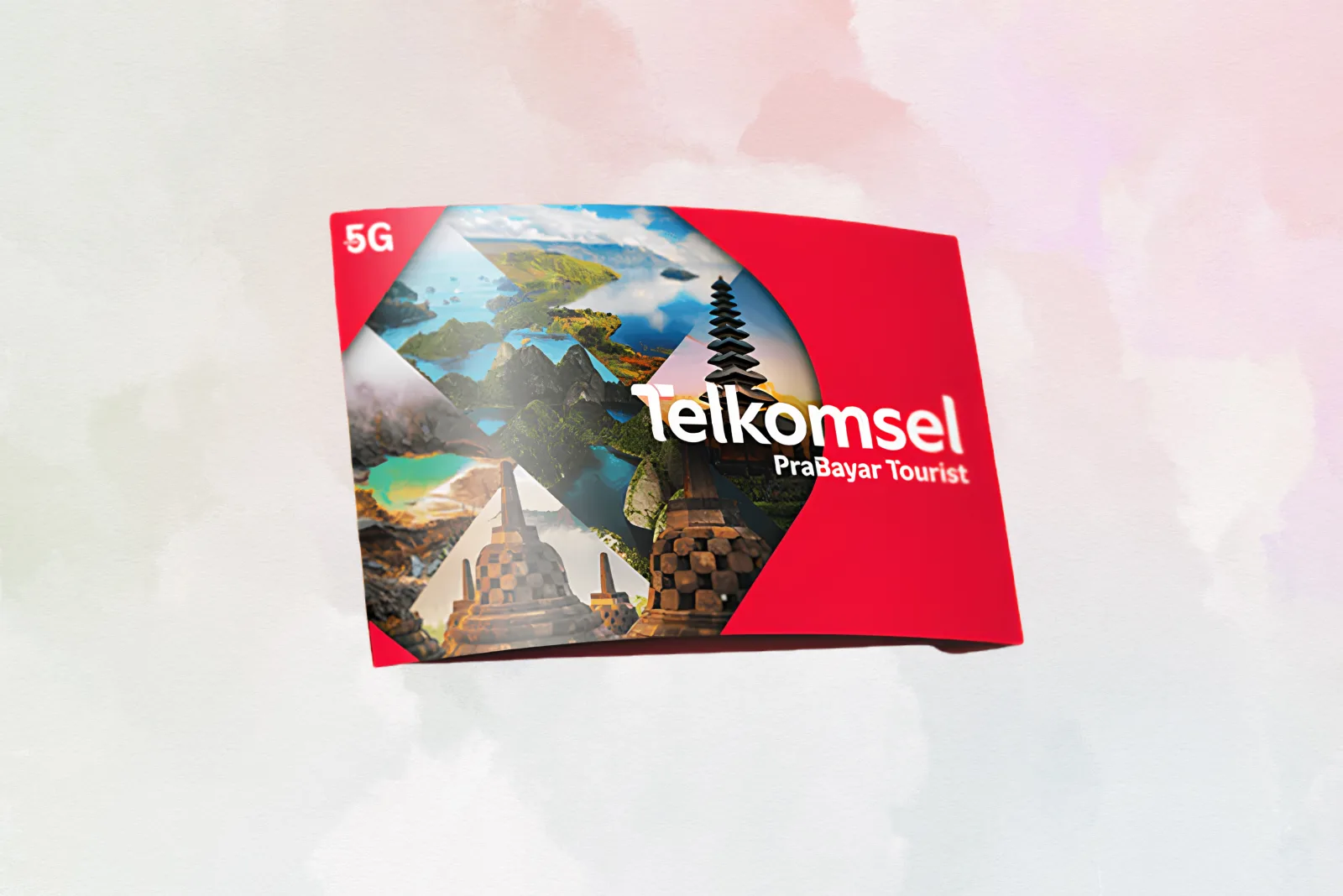
  • Connectivity: Buy local SIM at BKK/DMK airports upon arrival (AIS/TrueMove)
  • Vegetarians: Look for "เจ" (jay) signs. Specify "mai sai nam pla" (no fish sauce) when ordering
  • Book ahead: For Nov–Jan travel, book domestic flights & island tours 2–3 months in advance

Want a hassle-free Thailand trip? Our packages include flights, hotels, transfers, and island tours.

Book Thailand Tour Package →
Thailand Visa for Indians — Complete Guide & Travel Essentials
Essential information for Indian travelers — from Thailand visa requirements and time zones to plug adapters and local transport apps.

Tip: Carry USD cash — exchange rates at SuperRich booths are often better than using cards or airport counters.

Thailand Visa for Indians — 2026 Update

Update (2025/2026): Indian passport holders are eligible for Visa on Arrival (15 days) at 21 designated airports, or a 60-day Tourist e-Visa via the official portal. The e-Visa offers longer stays and fewer entry queues. Source: Thai Embassy in India.

  • Visa on Arrival (VoA): 15 days stay, valid at BKK, DMK, Phuket, Chiang Mai airports. Fee: 2,000 THB (cash).
  • Tourist e-Visa: 30–60 days stay. Apply online 15–30 days before travel. Fee: ~2,500 THB online.
  • Where to apply: Online via official Thai e-Visa portal, or at Thai Visa Application Centres in Delhi/Mumbai.
  • Documents: Valid passport (6+ months validity, 2 blank pages), return flight tickets, hotel bookings, proof of funds (10,000 THB/person or 20,000 THB/family), passport photos.
  • Processing time: VoA: Immediate (1–3 hrs queue). e-Visa: 3–5 working days.
  • Extension: Possible at local immigration offices for an additional 30 days (1,900 THB fee).
  • Visa-exempt: Not currently applicable for standard Indian passports.
CLICK TO KNOW MORE ABOUT VISA DOCUMENTATION & FEES

Time Zone

Thailand follows Indochina Time (ICT), which is UTC+7 and 1.5 hours ahead of Indian Standard Time (IST). There is no daylight saving time, so the difference remains constant year-round.

  • Thailand Time (ICT): UTC+7
  • Thailand is 1.5 hours ahead of Indian Standard Time (IST)
  • When it is 12:00 PM in Thailand, it is 10:30 AM in India
  • Thailand does not observe Daylight Saving Time
  • Business hours typically run from 9 AM to 6 PM ICT on weekdays
  • Banks operate from 9:30 AM to 3:30 PM on weekdays
  • Most shopping malls open from 10 AM to 10 PM daily
  • Restaurants serve lunch from 11 AM–2 PM and dinner from 6 PM onwards

Country Code

To call Thailand from India, use the international dialing code +66 followed by the area code and local number.

  • International Dialing Code: +66
  • To call Thailand from India, dial: 00-66-XX-XXXX-XXXX
  • Bangkok area code: 2
  • Phuket area code: 76
  • Chiang Mai area code: 53
  • Emergency services: 191 (Police), 1669 (Ambulance), 199 (Fire)
  • Tourist police in Thailand: 1155 (English-speaking officers available)
  • Major telecom providers: AIS, TrueMove H, DTAC
  • Tourist SIM cards available at BKK, DMK, Phuket airports
  • Free Wi-Fi available in most hotels, malls, and cafes

Socket & Plugs

Thailand uses Type A, B, and C electrical outlets with 220V at 50Hz. Indian travelers with 2-pin plugs can usually connect directly.

  • Type A, B, C — 220V, 50Hz
  • Thailand uses US-style (Type A/B flat pins) and European (Type C round pins) outlets
  • Standard voltage is 220V with a frequency of 50Hz
  • Indian 2-pin round plugs (Type C) work directly without adapter ✅
  • Indian 3-pin plugs require a universal travel adapter
  • Universal adapters available at airports and 7-Eleven stores
  • Most hotels provide adapters at the front desk on request
  • Most modern devices (laptops, phone chargers) support 100–240V

Indian Embassy in Thailand

The Embassy of India in Bangkok provides consular services for Indian nationals.

  • Address: 46, Soi 23, Sukhumvit Road, Klongtoey Nua, Wattana, Bangkok 10110
  • Contact: +66 2 258 0300 / 258 0301
  • Email: [email protected]
  • Emergency (24/7): +66 9 9208 3120
  • Working Hours: Mon–Fri, 9:30 AM – 5:30 PM
  • Services: passport renewal, emergency certificates, assistance to Indian nationals
  • Register with MADAD portal before travel for advisories and assistance

Thailand Embassy in India

The Royal Thai Embassy in New Delhi handles visa inquiries and diplomatic services for Indian passport holders.

  • Embassy New Delhi: 56-N, Shantipath, Chanakyapuri, New Delhi 110021
  • Contact Delhi: +91-11-4690-1300
  • Visa Office Mumbai: Unit 203, 2nd Floor, Raheja Centre, Nariman Point
  • Contact Mumbai: +91-22-6704-1300
  • Email Delhi: [email protected]
  • Note: e-Visa portal is recommended for faster processing
  • Visa fee: ~₹2,200–₹4,000 depending on type
  • Working Hours: Mon–Fri, 9:00 AM – 12:00 PM (submissions)

Car Driving Orientation

Left-Hand Drive (Same as India)

  • Thailand follows left-hand driving, identical to India's system
  • International Driving Permit (IDP) required along with valid home country license
  • Speed limits: 50–60 km/h in urban areas, 90–120 km/h on highways
  • Seat belts mandatory for front passengers, helmets for motorbike riders
  • Driving under influence strictly prohibited (zero tolerance)
  • Motorbike rentals popular on islands — always wear helmet and check insurance
  • Grab app recommended for city transport to avoid traffic
  • Road conditions good in tourist zones, but island roads can be narrow

App Based Taxi

Grab, Bolt, and InDrive are Primary Ride-Hailing Apps

  • Grab dominates Bangkok, Phuket, Chiang Mai, and Pattaya
  • Bolt and InDrive offer competitive rates, especially in cities
  • Payment options include credit/debit cards, cash, or GrabPay wallet
  • Average fare from Suvarnabhumi Airport to city center: THB 300–450
  • Traditional taxis (metered) available but insist on "by meter"
  • Tuk-tuks are iconic but agree on price before boarding
  • Public transport: BTS Skytrain & MRT Subway in Bangkok, Songthaews in islands

Need help with Thailand visa? Our visa team assists with documentation, e-Visa application, and follow-up.

Thailand Visa Assistance →
Thailand Culture, Language & Local Customs
Understand Thai language basics, local etiquette, and cultural norms to connect better with locals.

Official Language

Thai (Klong) — Official Language

  • Thai has its own script and 5 distinct tones that change word meanings
  • Basic English widely spoken in Bangkok, Phuket, Chiang Mai, and tourist areas
  • Learning polite particles "ka" (female) and "krub" (male) shows respect
  • Chinese dialects, Malay, and English used in business and southern regions
  • Translation apps (Google Translate) work exceptionally well in cities
  • Thais appreciate when tourists attempt basic greetings like "Sawasdee"

Local Vocabulary

Understanding these basic Thai terms helps connect with locals and navigate travel smoothly.

  • Sawasdee ka/krub — Hello (with polite particle)
  • Khop khun ka/krub — Thank you
  • Chai — Yes
  • May chai — No
  • Sabai dii mai? — How are you? / Are you comfortable?
  • Baht — Thai currency unit
  • Chang — Elephant
  • Sanuk — Fun, enjoyment (core Thai lifestyle concept)
  • Mai pen rai — It's okay / No problem / Don't worry
  • Wai — Traditional Thai greeting (palms together, slight bow)
  • Farang — Foreigner / Westerner (neutral term)

Toilet Signs

Public restrooms are called "Hong Nam" in Thailand. Signs typically display "ห้องน้ำ" with pictograms or English text.

  • Men's toilets marked with "ชาย" or male symbol
  • Women's toilets marked with "หญิง" or female symbol
  • Public toilets in Bangkok are generally clean and well-maintained
  • Some mall and tourist facilities charge a small fee (THB 5–10)
  • Shopping malls, restaurants, and hotels have free restrooms
  • Always carry tissues as some public toilets may not have toilet paper
  • Western-style seated toilets standard in tourist areas; squat toilets common elsewhere
  • Bum guns or water hoses provided instead of toilet paper in many places

Interesting Facts

Thailand is the only Southeast Asian country never colonized by European powers. It is known as the "Land of Smiles."

  • Bangkok's full ceremonial name is the longest city name in the world
  • Thailand has over 40,000 Buddhist temples (wats) across the country
  • The Thai monarchy is deeply revered; disrespecting the King is illegal
  • Thais celebrate three New Years: Jan 1, Chinese Lunar, and Songkran (Apr 13)
  • 95% of Thais practice Theravada Buddhism
  • Thailand is the world's largest rice exporter
  • Tuk-tuks were invented in Thailand in the 1950s
  • Red Bull was originally created in Thailand as "Krating Daeng"
Thailand Shopping & Markets Guide
From silk textiles and temple crafts to floating markets and massive malls.

Shopping Hours

Most Shops: 10:00 AM – 9:00 PM (Weekdays)

  • Shopping malls typically operate from 10:00 AM to 10:00 PM, seven days a week
  • Sunday shopping is common; night markets open from 6 PM – 12 AM
  • Siam Paragon, CentralWorld, MBK, and ICONSIAM are top Bangkok malls
  • Small street shops in tourist areas may open late (11 AM onwards)
  • Convenience stores (7-Eleven) open 24/7 nationwide
  • Floating markets operate early morning (7 AM – 2 PM) to beat heat
  • Best shopping seasons: Mid-Year Sales (Jul) & Year-End Mega Sales (Dec)
  • Tax refund available for tourists on purchases over THB 2,000 per store (VAT 7% refund)

Flea Markets

Thailand's markets offer incredible variety — from street food and antiques to handmade crafts and clothing at unbeatable prices.

  • Chatuchak Weekend Market — 15,000+ stalls, clothing, handicrafts, plants (Sat-Sun)
  • Damnoen Saduak — Iconic floating market, traditional boats, souvenirs
  • Night Bazaar Chiang Mai — Artisan crafts, souvenirs, street performers
  • Patpong Night Market — Bangkok tourist market, souvenirs, counterfeit goods (bargain hard)
  • Talat Rot Fai — Vintage flea market, antique collectibles, street food
  • Cash (Thai Baht) preferred at markets; cards rarely accepted by street vendors
  • Bargaining is expected — start at 50–60% of asking price and negotiate respectfully

Famous Brands

Shopping for Thai silk, coconut oil products, and local snacks offers excellent value compared to international prices.

  • Thai Silk (Jim Thompson) — Premium handwoven silk textiles
  • Narayana Phol — Traditional Thai handicrafts & cotton goods
  • Herbal Products — Tiger balm, balms, soaps, essential oils
  • Snacks — Dried mango, coconut rolls, squid snacks, seaweed
  • Spices & Pastes - Curry pastes, lemongrass, galangal, tamarind
  • Temple Crafts — Buddha statues, amulets, meditation cushions
  • Local Fashion — Elephant pants, boho dresses, handmade sandals
  • Cosmetics — Snail mucin, herbal skincare, sheet masks

Supermarkets

Major supermarket chains like Big C, Lotus's, Tops, and Gourmet Market offer wide product ranges with competitive prices.

  • Big C — Largest hypermarket chain, excellent for groceries & souvenirs
  • Lotus's (formerly Tesco Lotus) — Affordable, widespread, local products
  • Tops Market — Mid-to-premium range, imported goods, fresh produce
  • Gourmet Market (Siam Paragon) — High-end imports, specialty foods
  • Most supermarkets open from 8 AM to 10 PM; some 24-hour outlets
  • Local snacks, fresh fruits, and ready-to-eat meals are affordable
  • Bottled water recommended for drinking; tap water safe for brushing teeth in hotels
Thailand Food & Cuisine Guide
Thai cuisine is celebrated worldwide for its balance of sweet, sour, salty, bitter, and spicy flavors.

Do: Try authentic street food at Michelin-rated stalls — Thai cuisine is a highlight of the trip.

Famous Cuisines

Thai cuisine balances five fundamental flavors using fresh herbs, chilies, coconut milk, fish sauce, and palm sugar.

  • Pad Thai — Stir-fried rice noodles with shrimp, eggs, peanuts, and tamarind sauce
  • Tom Yum Goong — Spicy, sour shrimp soup with lemongrass, galangal, kaffir lime
  • Green Curry (Kaeng Khiao Wan) — Coconut milk curry with Thai eggplant, basil, chicken
  • Mango Sticky Rice — Sweet coconut rice served with ripe mango (seasonal)
  • Som Tum — Spicy green papaya salad with lime, chili, fish sauce, peanuts
  • Khao Soi — Northern Thai coconut curry noodle soup with crispy noodles
  • Massaman Curry — Rich, mild curry with Muslim & Persian influences (often voted #1)
  • Street Snacks — Grilled satay, roti with banana/egg, coconut ice cream
  • Drinks — Thai iced tea (Cha Yen), coconut water, sugarcane juice

Famous Fruits

Year-round tropical climate ensures fresh fruit availability. Fruit carts and markets offer affordable, exotic varieties.

  • Durian — "King of Fruits," strong aroma, creamy texture (seasonal)
  • Mangosteen — "Queen of Fruits," sweet, juicy white flesh
  • Rambutan — Hairy red exterior, sweet lychee-like interior
  • Dragon Fruit — Mild sweetness, vibrant pink skin, antioxidant-rich
  • Pomelo — Largest citrus, sweet-tart, eaten with chili-salt dip
  • Jackfruit — Sweet tropical flavor, used in desserts and savory dishes
  • Salak (Snake Fruit) — Crunchy, sweet-tart, scales like snake skin

Street Food Culture

Bangkok has been crowned the world's best street food city. Street stalls operate day and night in dedicated zones and night markets.

  • Street food is the backbone of Thai dining culture
  • Over 1 million licensed street vendors operate nationwide
  • Bangkok's Yaowarat (Chinatown) and Khao San Road are street food hubs
  • Michelin-starred street vendors exist (e.g., Jay Fai — crab omelette, Tom Yum)
  • Hygiene generally good — look for busy stalls with high turnover
  • Vegetarian options marked with "เจ" (jay) symbol
  • Ask for "mai phet" (not spicy) if you prefer mild flavors

Avg Cost Of Food

Budget travelers can eat well for THB 300–500 per day at local eateries. Tipping is not mandatory but appreciated in sit-down restaurants.

  • Street Food/Single Dish: THB 40–100
  • Noodle Soup (Guay Tiew): THB 50–80
  • Restaurant Meal: THB 150–300 per person
  • Seafood Dinner: THB 300–600 per person
  • Fine Dining: THB 1,000–2,500+ per person
  • Coffee/Iced Tea: THB 40–90
  • Fresh Juice/Smoothie: THB 30–60
  • Bottled Water: THB 10–20

Tipping: 10% or round up bill in restaurants (optional). Service charge sometimes included in hotels & upscale restaurants.

Thailand Weather & Packing Tips
Thailand features a tropical climate with three main seasons. Pack light, breathable clothing for year-round travel.

Tip: Pack light cotton/linen clothes and a light rain jacket — Thailand's weather is hot and humid with sudden showers.

Weather

Thailand has a tropical monsoon climate with three distinct seasons.

  • Cool/Dry Season (Nov–Feb): 20–32°C, pleasant, minimal rain, peak tourist season
  • Hot Season (Mar–May): 30–40°C, intense heat, high humidity, Songkran water festival in April
  • Rainy/Monsoon Season (Jun–Oct): 25–33°C, heavy afternoon showers, lush landscapes, lower prices
  • Bangkok: Hot & humid year-round, urban heat island effect
  • Islands (Andaman): Best Nov–Apr, monsoon brings rough seas May–Oct
  • Gulf Islands (Koh Samui): Best Jun–Sep, rainy season differs from Andaman coast
  • North (Chiang Mai): Cooler nights (15°C) Nov–Feb, burning season Mar–Apr (avoid)
  • Best overall: Nov–Feb for weather, Jul–Sep for Gulf islands & budget

Clothes To Wear

Thais dress modestly, especially at temples. Pack light, breathable fabrics and a cover-up for religious sites.

For Cities & Beaches:

  • Light cotton/linen shirts, shorts, skirts, and dresses
  • Quick-dry swimwear and flip-flops
  • Light rain jacket or poncho for sudden monsoon showers
  • Comfortable walking sandals (flip-flops fine for beaches)
  • Modest clothing (covered shoulders/knees) for temple visits
  • Sunglasses, sun hat, and high-SPF sunscreen

For Northern/Temples:

  • Long lightweight pants & shawl for temple entry
  • Light sweater for cool evenings & AC-heavy malls/buses
  • Sturdy sandals or light hiking shoes for nature trails
Thailand Heritage & Cultural Highlights
UNESCO sites, national symbols, temples, and souvenirs that capture Thailand's cultural identity.

UNESCO World Heritage Sites

Thailand has 5 UNESCO World Heritage Sites total. Many sites offer guided tours and well-maintained visitor centers.

  • Ayutthaya Historical Park (1991) — Ruined temples & ancient Siamese capital
  • Sukhothai Historical Park (1991) — Birthplace of Thai kingdom, lotus-shaped stupas
  • Thungyai-Huai Kha Khaeng Wildlife Sanctuaries (1991) — Pristine rainforests & wildlife
  • Ban Chiang Archaeological Site (1992) — Prehistoric settlement, ancient pottery
  • Dong Phayayen-Khao Yai Forest (2005) — Biodiverse protected area, waterfalls

National Symbols

The elephant symbolizes Thailand's strength and royal heritage. The Garuda is the official emblem of the monarchy.

  • National Animal: Elephant (Chang) — revered, symbol of strength & royalty
  • National Bird: Siamese Fireback (rare, forest-dwelling)
  • National Flower: Ratchaphruek (Golden Shower Tree)
  • National Sport: Muay Thai (ancient martial art, "Art of Eight Limbs")
  • National Drink: Thai Iced Tea (Cha Yen) / Coconut Water
  • National Dish: Pad Thai / Tom Yum Goong
  • National Religion: Theravada Buddhism (95% population)

Films Shot in Thailand

Thailand's diverse landscapes make it a popular filming location. Bangkok and Krabi feature heavily in international cinema.

  • The Beach (2000) — Maya Bay, Koh Phi Phi Leh (led to tourism boom & conservation)
  • The Man with the Golden Gun (1974) — James Bond in Phuket & Khao Phing Kan
  • Only God Forgives (2013) — Neon-lit Bangkok underworld
  • Bangkok Dangerous (2008) — Gritty Bangkok crime thriller
  • Ong-Bak: Muay Thai Warrior (2003) — Martial arts action shot in rural Thailand
  • Tomorrow Never Dies (1997) — Action sequences in Bangkok & Ha Long Bay (filmed partly in Thailand)

Souvenirs

Best places to shop for souvenirs: Chatuchak Weekend Market, ICONSIAM, airport duty-free, and night bazaars.

  • Thai Silk — Handwoven scarves, ties, and fabric (Jim Thompson)
  • Temple Crafts — Buddha statues, prayer beads, wooden carvings
  • Herbal Products — Tiger balm, massage oils, soaps, balms
  • Snacks — Dried mango, coconut rolls, squid crackers
  • Spices & Pastes — Curry pastes, lemongrass, galangal
  • Fashion — Elephant pants, handmade sandals, boho dresses
  • Muay Thai Gear — Shorts, gloves, training apparel
  • Local Art — Paintings, lacquerware, celadon ceramics
Notable Highlights for Indian Travelers
From royal traditions to martial arts legends, discover what makes Thailand unique on the global stage.

Famous People

  • King Rama IX (Bhumibol Adulyadej) (1927–2016) — Beloved monarch, longest-reigning Thai king
  • King Rama X (Vajiralongkorn) (1952–) — Current monarch, continues royal traditions
  • Buakaw Banchamek (1982–) — Global Muay Thai champion, martial arts legend
  • Tony Jaa (1976–) — Internationally acclaimed action star (Ong-Bak, Tom-Yum-Goong)
  • Lisa (Blackpink) (1997–) — Global K-pop superstar born in Buriram, Thailand
  • Nattapong Chaipoom — Award-winning Thai chef & street food icon
  • Apinya Sakuljaroensuk — Renowned actress & UNICEF Thailand ambassador

Famous Inventions

Thailand has a rich history of agricultural, culinary, and martial arts innovations that influenced global culture.

  • Muay Thai — Ancient martial art (1000+ years), precursor to modern kickboxing
  • Thai Silk Weaving Techniques — Revived by Jim Thompson in 1950s, global luxury textile
  • Thai Curry Pastes — Complex spice blends adopted worldwide
  • Elephant Conservation Programs — Pioneered ethical tourism & sanctuary models
  • Floating Market Logistics - Traditional boat commerce adapted for modern tourism

Thailand leads Southeast Asia in sustainable tourism, culinary exports, and cultural preservation.

Festivals

  • Songkran (April) — Thai New Year, world-famous water festival, 3-day street celebrations
  • Loy Krathong (November) — Festival of Lights, floating baskets on rivers, sky lanterns
  • Yi Peng Lantern Festival — Chiang Mai's magical sky lantern release (Nov)
  • Vegetarian Festival (Oct) — Phuket's intense spiritual event, street processions
  • King's Birthday Celebrations — Royal ceremonies, parades, fireworks (Dec)

Is Thailand expensive for Indians? A trip costs ₹1–2 lakh for 7–10 days including flights, visa (~₹2,000), hotels, food, and island tours.

Do Indians need a visa? Yes. Options include Visa on Arrival (15 days) or Tourist e-Visa (30–60 days) applied online in advance.

Flight duration? Direct flights from Delhi/Mumbai to Bangkok take 4–6 hours.

Is Thailand safe for Indian tourists? Extremely safe. Major tourist zones are well-policed. Use registered transport & respect local customs.

Currency? Thai Baht (THB). Carry USD for best exchange rates at SuperRich booths. Cards widely accepted in cities.

Frequently Asked Questions — Thailand Travel for Indians
Quick, honest answers to the most common Thailand travel questions from Indian travellers
1Do Indians need a visa for Thailand? Has anything changed recently?
Yes — and rules have been streamlined. Indian passport holders can get Visa on Arrival (15 days) at designated airports or apply for a 60-day Tourist e-Visa online. Updated in 2025, the e-Visa process is faster and allows longer stays. VoA fee is 2,000 THB cash. Source: Thai Embassy.
2Is Thailand expensive for Indian tourists?
A 7–10 day Thailand trip from India costs approximately ₹1–₹2 lakh per person including flights (₹18K–₹35K), visa (~₹2,000), hotels, food, and island tours. It is one of the most budget-friendly international destinations for Indian families and couples.
3How long is the flight from India to Thailand?
Direct flights take 4–6 hours. Delhi, Mumbai, Chennai, and Kolkata have daily direct connections to Bangkok (BKK). Connecting flights via Kuala Lumpur, Singapore, or Colombo take 8–12 hours. IndiGo, Thai Airways, and Air India dominate the route.
4What is the best time to visit Thailand from India?
November to February is ideal for most regions with cool, dry weather. March to May is hot but good for beach resorts. June to October is monsoon season — Phuket & Krabi get heavy rains, but Koh Samui remains sunny. October & February offer the best weather-to-price ratio.
5Is Thailand safe for Indian tourists?
Thailand is very safe for Indian tourists. Bangkok, Phuket, Pattaya, and Chiang Mai are heavily policed and accustomed to Indian visitors. Use Grab/Bolt for transport, avoid unlicensed tours, keep valuables secure, and respect local customs & temple etiquette.
6Can I use Indian Rupee or UPI in Thailand?
No. Indian Rupee is not accepted. The local currency is Thai Baht (THB). UPI is not available. Carry USD or INR to exchange at SuperRich booths for the best rates. ATMs charge ~220 THB per withdrawal. Visa/Mastercard widely accepted in malls & hotels.
7What plug type is used in Thailand?
Thailand uses Type A, B, and C outlets (220V, 50Hz). Indian 2-pin round (Type C) and flat (Type A) plugs work directly without adapter. 3-pin plugs require a universal adapter. Hotels and 7-Eleven stores sell adapters cheaply.
8Can vegetarian Indians find food in Thailand?
Yes. Thailand is highly vegetarian-friendly. Look for the "เจ" (jay) symbol indicating strict vegetarian food. Street stalls offer tofu curries, vegetable noodles, and fruit shakes. Specify "mai sai nam pla" (no fish sauce) when ordering. Vegetarian festivals in Oct showcase plant-based cuisine.
9What is the time difference between India and Thailand?
Thailand is 1.5 hours ahead of Indian Standard Time (IST). Thailand follows ICT (UTC+7) with no daylight saving time. When it is 12:00 PM in India, it is 1:30 PM in Thailand. Flight schedules align well with Indian departure times.
10What is the national dish of Thailand?
Pad Thai and Tom Yum Goong are iconic. Pad Thai is stir-fried rice noodles with tamarind sauce, shrimp, peanuts, and lime. Tom Yum Goong is a spicy, sour shrimp soup with lemongrass and kaffir lime. Both define Thai street food culture.
11Which is better for first-time visitors — Bangkok or Phuket?
Combine both for the best experience. Spend 3 days in Bangkok for culture & street food, 2–3 days in Phuket/Krabi for beaches & island hopping. If budget is limited, prioritize Bangkok + one beach destination. Chiang Mai adds nature but requires extra flight time.
12Is Thailand better than Bali for Indian tourists on budget?
Thailand wins on flight connectivity, street food variety, and shopping. Bali excels in luxury villas, surfing, and digital nomad culture. On-ground costs are similar (₹1.5–2.5L), but Thailand's direct flights from multiple Indian cities make it more accessible for families and first-timers.
13What are the SIM and internet options for Indian travelers?
Buy a local SIM (AIS, TrueMove H, DTAC) at BKK/DMK/Phuket airports for ₹800–₹1,200 (7–15 days unlimited data). eSIMs are available but physical SIMs are cheaper. Free Wi-Fi widespread. 4G coverage excellent in tourist zones, patchy on remote islands.
14Can I extend my Thailand visa?
Yes. VoA or Tourist e-Visa can be extended by 30 days at local immigration offices for 1,900 THB. Overstaying incurs 500 THB/day fines and possible entry bans. Always apply before expiry. Long-stay options include education visas and retirement visas.
15Does Destination To Plan offer group tour packages to Thailand?
Yes. Destination To Plan offers customised group and family tour packages to Thailand from India including flights, visa assistance, hotels, guided tours, island hopping, and transfers. Contact us via the inquiry form or visit our Thailand tour packages page for details.
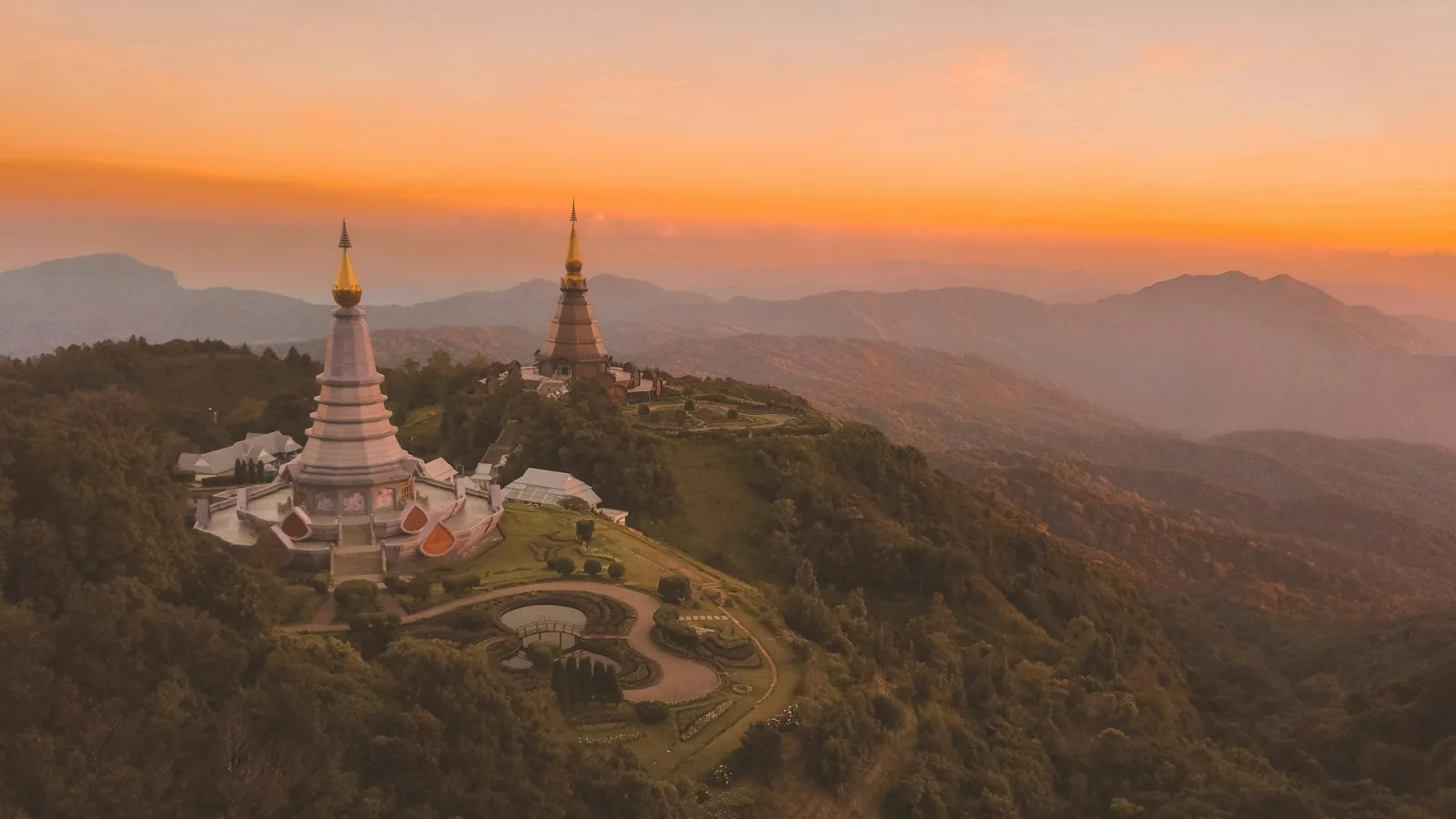
Have more questions? Our Thailand travel experts can help plan your perfect trip.

Talk to a Thailand Travel Expert →

Note: Information provided is subject to change. Verify visa requirements, exchange rates, opening hours, and travel advisories before your trip. Prices are approximate and may vary based on location, season, and inflation. Thailand experiences moderate inflation; costs can shift gradually.

About This Thailand Travel Guide

This Thailand travel guide covers everything Indian travelers need from Thailand visa rules and Bangkok travel tips to local food, weather, shopping, and top islands. Researched, regularly updated, and trusted by group tour planners and independent travelers.

Expert Curated Content

Every section — from Thailand visa rules to Bangkok shopping hours — is verified by travel professionals with Southeast Asia experience.

Regularly Updated Information

Thailand travel costs, visa rules, and embassy details are reviewed and refreshed to reflect current conditions including the 2025 e-Visa & VoA updates.

Trusted by Indian Travelers

Used by group tour organizers, corporate travel planners, and independent travelers from India researching Thailand itineraries, Phuket trips, and Bangkok city breaks.

Complete Thailand Resource

One guide covering visa requirements, cost, flights, itinerary, food, culture, weather, shopping, and heritage — all with India-specific context and 2026 accuracy.

More Travel Guides

Explore Other Destinations

Plan Your Thailand Trip from India

Fill out the enquiry form below and our travel experts will help you plan your Thailand tour — visa, flights, hotels, and guided tours.

Get assistance with visa (VoA/e-Visa), flight bookings, Bangkok hotels, Phuket island tours, and complete Thailand packages.

Enquire About This Package