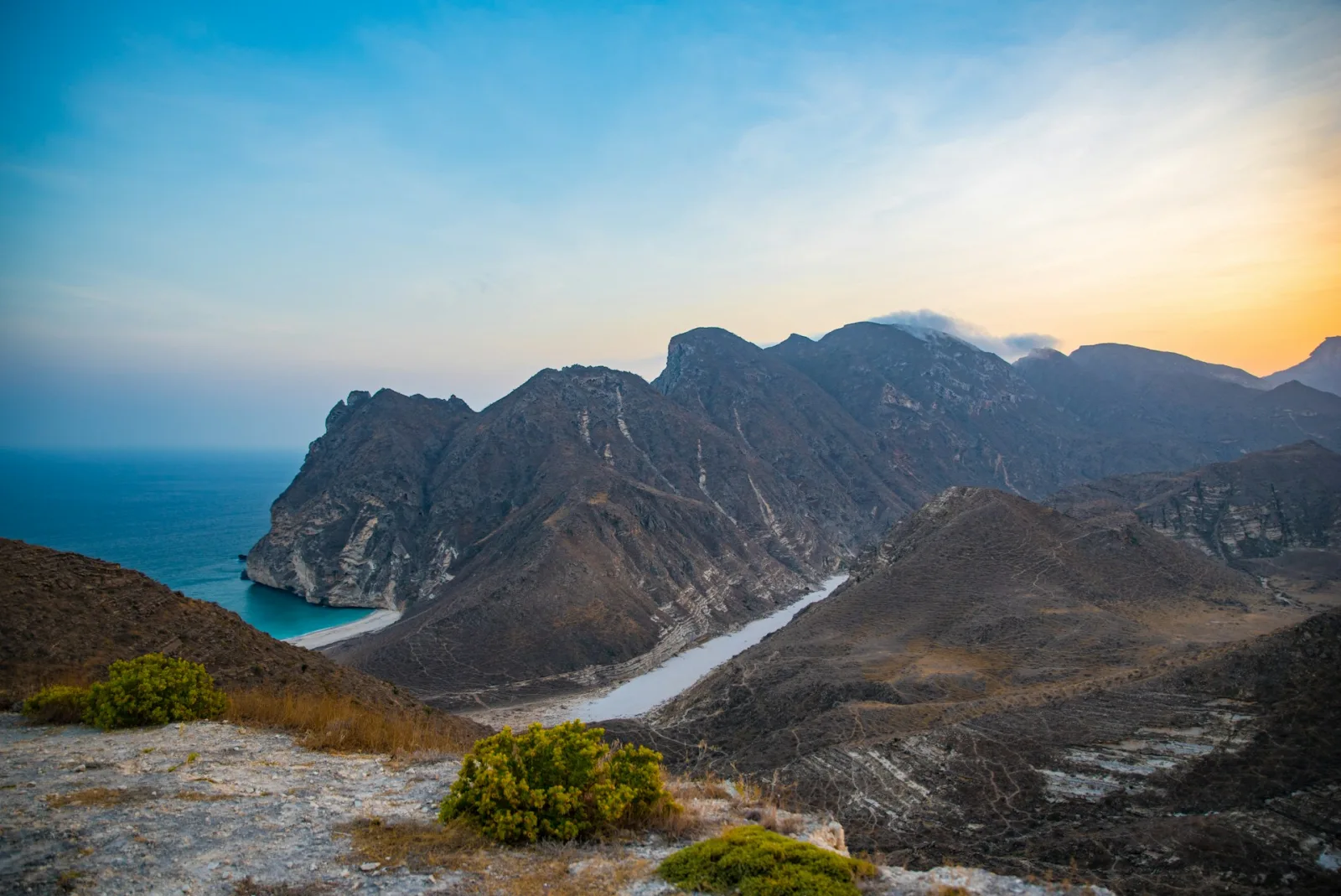
Flamingos at Shirvan National Park in Azerbaijan with Caspian Sea backdrop at sunrise

Azerbaijan Wildlife &
Nature Guide

National parks, birdwatching, Caspian seals & eco-tourism tips for Indian travelers visiting 2026.

Updated for 2026 Travelers
Written by Bilas Munda — Europe Travel Specialist
Reviewed by Vijay Prasad · Europe Travel Reviewer
Last updated after reviewing:
  • Azerbaijan ASAN e-Visa processing update for Indian passport holders (Jan 2026)
  • New direct & one-stop flight connectivity Baku (GYD) from Delhi/Mumbai
  • Gobustan National Park entry & transport updates for 2026 travelers

Last updated: April 2026

Azerbaijan Wildlife & Nature: A Hidden Gem for Indian Nature Enthusiasts
From Caspian seals to Hyrcanian forests — discover Azerbaijan's diverse ecosystems and conservation efforts tailored for Indian eco-travelers.

Quick Summary: Azerbaijan hosts 400+ bird species, endemic Caspian seals, and UNESCO-listed Hyrcanian forests. Top destinations: Gobustan (mud volcanoes), Shirvan (flamingos), and Hirkan (ancient forests). Best viewing: spring (April-May) and autumn (September-October). Guided eco-tours available from Baku.

Why Azerbaijan for Nature?

  • Biodiversity Hotspot: 9 of 11 global climate zones in one country — unique ecological diversity
  • UNESCO Recognition: Hirkan National Park (Hyrcanian forests) and Gobustan (petroglyphs) are World Heritage Sites
  • Accessible Wildlife: Most parks within 1-3 hours of Baku — minimal travel fatigue for Indian travelers
  • Birdwatcher's Paradise: Lies on Eurasian flyway; 400+ species including flamingos, pelicans, and eagles
  • India-Aligned Timing: Spring and autumn seasons align with pleasant Indian travel windows

For complete Azerbaijan planning including itineraries and costs, see our Azerbaijan travel guide.

Best Seasons for Wildlife

  • Spring (April-May): Bird migration peak, wildflowers bloom, mild 15-25°C temperatures
  • Autumn (September-October): Second migration wave, golden light, fewer crowds
  • Winter (December-February): Best for Caspian seal viewing on coastal ice
  • Summer (June-August): Hot in lowlands; ideal for high-altitude mountain wildlife in Greater Caucasus

For month-by-month weather details, refer to our best time to visit Azerbaijan guide.

Top National Parks for Indian Travelers
Explore Azerbaijan's protected areas with practical guidance for eco-conscious Indian visitors.

Gobustan National Park

UNESCO World Heritage Site featuring ancient petroglyphs and surreal mud volcanoes — a photographer's dream.

  • Highlights: 6,000+ rock carvings (40,000 years old), 350+ mud volcanoes, Gaval Dash musical stone
  • Wildlife: Unique microfauna around mud volcanoes; reptiles, insects, and migratory birds
  • Entry Fee: ₹400-₹600; guided tours ₹800-₹1,500
  • Distance from Baku: 60 km (1 hour drive)
  • Best Time: Morning visits (9-11 AM) for optimal lighting and cooler temperatures
  • Indian Traveler Tip: Wear sturdy shoes for rocky trails; carry water and sun protection

Shirvan National Park

Azerbaijan's premier birdwatching destination — home to flamingos, gazelles, and wetland ecosystems.

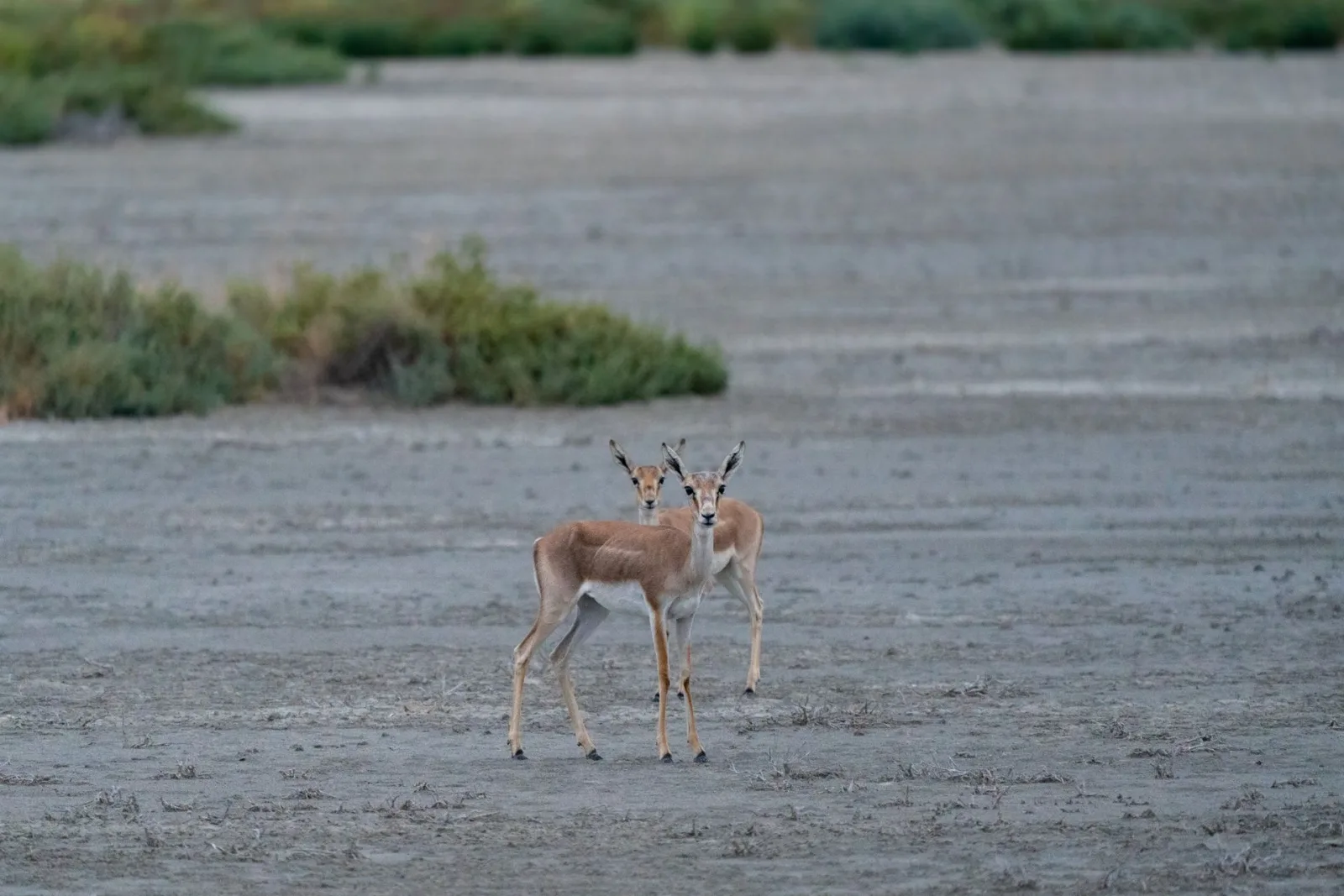
  • Highlights: Greater flamingos (winter), goitered gazelles, diverse wetland birds
  • Best Viewing: November-March for flamingos; early morning for bird activity
  • Entry Fee: ₹300-₹500; guided birdwatching tours ₹1,500-₹3,000
  • Distance from Baku: 120 km (1.5 hours drive)
  • Facilities: Visitor center, observation towers, marked trails
  • Indian Traveler Tip: Bring binoculars and field guides; dress in muted colors for better bird observation
Birdwatching in Azerbaijan for Indian Enthusiasts
Practical tips for spotting Azerbaijan's 400+ bird species along the Eurasian flyway.

Top Birdwatching Sites

  • Ag-Gel National Park: Wetland reserve with pelicans, herons, and migratory waterfowl; best April-May and September-October
  • Shirvan National Park: Flamingo colonies (winter), gazelles, and steppe birds; accessible via guided tours
  • Caspian Coast: Shorebirds, gulls, and seabirds; best at dawn and dusk
  • Greater Caucasus Foothills: Raptors including golden eagles, lammergeiers, and Caucasian snowcocks
  • Hyrcanian Forests (Hirkan NP): Forest specialists like Caspian tit, Caucasian chiffchaff, and woodpeckers

Pro Tip: Join local birding clubs or hire expert guides for species identification and optimal viewing locations. Download eBird app for real-time sightings.

Iconic Wildlife Species in Azerbaijan
Meet Azerbaijan's most remarkable animals — from endemic seals to mountain predators.

Mammals

  • Caspian Seal: Endemic to Caspian Sea; elusive, protected species best viewed on winter coastal tours
  • Caucasian Brown Bear: Rare, shy inhabitant of Greater Caucasus forests; spotting requires expert guidance
  • East Caucasian Tur: Impressive mountain goat of high Caucasus peaks; best viewed in summer at high elevations
  • Goitered Gazelle: Elegant antelope of Shirvan steppe; dawn/dusk viewing recommended
  • Wild Boar & Roe Deer: Common in forested areas; often seen on guided nature walks

Reptiles & Amphibians

  • Caspian Turtle: Common in wetlands and slow-moving rivers; harmless and photogenic
  • Caucasian Agama: Colorful lizard of rocky slopes; best observed in morning sun
  • Levant Viper: Venomous but shy; maintain safe distance if encountered on trails
  • Caspian Frog: Abundant in wetlands; vocal during spring breeding season
  • Indian Traveler Note: Most reptiles are harmless; observe from respectful distance; do not handle wildlife
Eco-Tourism & Responsible Wildlife Viewing
Practical guidance for Indian travelers to enjoy Azerbaijan's nature while supporting conservation.

Responsible Wildlife Guidelines

  • Keep Distance: Maintain 50+ meters from mammals, 30+ meters from birds; use zoom lenses for photography
  • No Feeding: Never feed wildlife — it alters natural behavior and can harm animal health
  • Stay on Trails: Protect fragile habitats; avoid trampling vegetation or disturbing nesting sites
  • Quiet Observation: Minimize noise; sudden sounds can stress animals and cause them to flee
  • Leave No Trace: Pack out all trash; avoid single-use plastics in natural areas
  • Support Local Guides: Hire licensed eco-guides who follow ethical wildlife viewing practices
  • Respect Regulations: Follow park rules; some areas may have seasonal closures for breeding protection

Pro Tip: Book eco-tours through certified operators who contribute to conservation efforts and employ local communities.

Azerbaijan Wildlife FAQ — Indian Travelers
Quick answers to common nature and wildlife questions from Indian tourists.
1What wildlife can Indian travelers see in Azerbaijan?
Azerbaijan hosts diverse wildlife: Caspian seals (endemic), Caucasian brown bears, East Caucasian tur (mountain goat), golden eagles, and over 400 bird species including flamingos at Shirvan National Park. Gobustan mud volcanoes attract unique microfauna. Best viewing: spring (April-May) and autumn (September-October).
2Which national parks in Azerbaijan are best for Indian tourists?
Top parks: Gobustan National Park (mud volcanoes, petroglyphs, UNESCO site), Shirvan National Park (flamingos, gazelles), Hirkan National Park (Hyrcanian forests, UNESCO), and Ag-Gel National Park (wetlands, birdwatching). All are accessible from Baku within 1-3 hours.
3Is birdwatching good in Azerbaijan for Indian travelers?
Yes. Azerbaijan lies on the Eurasian flyway with 400+ bird species. Best spots: Ag-Gel NP (flamingos, pelicans), Shirvan NP (gazelles, birds), and coastal Caspian areas. Spring (March-May) and autumn (September-November) offer peak migration. Bring binoculars and field guides.
4Can Indian travelers see Caspian seals in Azerbaijan?
Caspian seals are endemic to the Caspian Sea but elusive. Best viewing: boat tours from Baku coastal areas in winter (December-February) when seals haul out on ice. Success is not guaranteed — they are shy and protected. Respect viewing distances and follow guide instructions.
5Are guided nature tours available in Azerbaijan for Indians?
Yes. Licensed eco-tour operators offer guided wildlife tours from Baku to Gobustan, Shirvan, and Hirkan parks. Tours include transport, permits, and expert naturalist guides. Cost: ₹2,500–₹5,000/person for day trips. Book 1–2 weeks ahead for peak seasons.
6What should Indian travelers pack for Azerbaijan nature trips?
Essentials: sturdy walking shoes (rocky trails), layered clothing (mountain weather varies), binoculars, camera with zoom lens, sun protection, insect repellent, reusable water bottle, and small AZN notes for park entry fees. For winter seal tours: warm thermal layers and windproof jacket.
Want a customised Azerbaijan eco-tour with expert naturalist guides? Our packages include wildlife viewing, conservation education, and sustainable travel practices.

Get a Custom Azerbaijan Nature Quote →

Note: Wildlife sightings are never guaranteed; animals are wild and behavior is unpredictable. Park regulations, entry fees, and tour availability may vary by season. Verify current conditions with park authorities before visiting. Prices are approximate and subject to change.

More Travel Guides

Explore Other Destinations

Plan Your Azerbaijan Nature & Wildlife Trip

Fill out the enquiry form below and our travel experts will help you plan your Azerbaijan nature trip — guided wildlife tours, national park access, and eco-friendly travel included.

Get nature expertise: wildlife viewing guidance, conservation education, and seamless connections from Baku to Azerbaijan's national parks for your eco-trip from India.

Enquire About This Package