Aerial view of Bran Castle overlooking Transylvanian mountains and autumn forests, Romania

Romania Travel Guide
for Indian Travelers

Schengen visa, trip cost, itinerary & tips — your complete guide to planning a trip to Romania from India in 2026.

Updated for 2026 Travelers
Written by Bilas Munda — Europe Travel Specialist
Reviewed by Vijay Prasad · Europe Travel Reviewer
Last updated after reviewing:
  • Romania full Schengen integration update (Jan 2025 air/sea, land borders 2026)
  • Wizz Air & Tarom direct flight route expansions from Indian metro cities
  • 2026 Romanian Leu (RON) exchange rate advisory for Indian travelers

Last updated: May 2026

Romania Trip Cost from India (Detailed Breakdown)
Realistic cost breakdown for flights, visa, hotels, food, and total budget for 2026

Cost Breakdown 2026

  • Return Flights: ₹45,000 – ₹80,000
  • Schengen Visa Fee: ~₹8,000 – ₹9,500 (€90 + VFS charges)
  • Hotels (per night): ₹3,000 – ₹9,000 (3–4 star)
  • Food (per day): ₹1,500 – ₹4,500
  • Local Transport (per day): ₹800 – ₹2,500
  • Activities & Entry Fees: ₹5,000 – ₹15,000 total
  • Travel Insurance: ₹1,200 – ₹2,500
  • Total (7–10 days): ₹80,000 – ₹2,00,000 per person

Romania is one of the most budget-friendly European destinations for Indian travelers. Daily expenses are significantly lower than Western Europe, while heritage and mountain experiences remain world-class.

Best Departure Cities

  • Delhi (DEL) — Best flight connectivity via Istanbul, Doha, Frankfurt
  • Mumbai (BOM) — Strong Middle East & European hub connections
  • Bengaluru (BLR) — Competitive fares via Middle Eastern carriers
  • Hyderabad (HYD) — Good routing via Doha or Istanbul
  • Chennai (MAA) — Limited direct routes, usually requires 2 connections

Delhi and Mumbai offer the most direct flight options to Bucharest Henri Coandă (OTP) with competitive pricing on Wizz Air, Turkish Airlines, and Qatar Airways.

Ready to plan your Romania trip? Let us handle flights, visa, hotels, and Transylvania tours.

View Romania Tour Packages →
Flight Routes from India to Romania
Flights from India to Bucharest take 8–12 hours with one layover. Here are the most popular routes.

Delhi to Bucharest

  • Route 1: DEL → Istanbul → Bucharest (Turkish Airlines)
  • Route 2: DEL → Doha → Bucharest (Qatar Airways)
  • Route 3: DEL → Frankfurt → Bucharest (Lufthansa)
  • Route 4: DEL → Dubai → Bucharest (FlyDubai / Emirates partner)
  • Duration: 8–11 hours (single layover)
  • Price Range: ₹50,000 – ₹85,000

Mumbai to Bucharest

  • Route 1: BOM → Istanbul → Bucharest (Turkish Airlines)
  • Route 2: BOM → Doha → Bucharest (Qatar Airways)
  • Route 3: BOM → Vienna → Bucharest (Austrian Airlines)
  • Duration: 9–12 hours
  • Price Range: ₹45,000 – ₹90,000

Note: Bucharest Henri Coandă International Airport (OTP) is the primary entry point. Domestic trains and rental cars connect seamlessly to Transylvania and coastal regions. Check Europe travel guides for multi-country routing.

Romania vs Western Europe Cost for Indian Travelers
How does Romania compare to popular Western European destinations on cost? Here is a practical comparison for Indian travelers.
Expense Romania (7 days) Western Europe (7 days)
Flights₹45K – ₹85K₹60K – ₹1.1L
Visa~₹8.5K (Schengen)~₹8.5K (Schengen)
Hotels/night₹3K – ₹9K₹8K – ₹20K
Food/day₹1.5K – ₹4.5K₹4K – ₹10K
Local Transport₹800 – ₹2.5K/day₹2K – ₹5K/day
Total Trip₹80K – ₹2L₹2L – ₹4L
Flights
Romania₹45K – ₹85K
Western EU₹60K – ₹1.1L
Visa
Romania~₹8.5K
Western EU~₹8.5K
Hotels/night
Romania₹3K – ₹9K
Western EU₹8K – ₹20K
Food/day
Romania₹1.5K – ₹4.5K
Western EU₹4K – ₹10K
Total Trip
Romania₹80K – ₹2L
Western EU₹2L – ₹4L

Romania delivers authentic European heritage, castles, and mountain landscapes at 30–50% lower on-ground costs. The identical Schengen visa fee makes it a highly cost-effective alternative to France or Italy.

Best Time to Visit Romania from India
Romania can be visited year-round, but the best time depends on your preferred activities and regions.
Month Romania Season Bucharest Transylvania Danube Delta India Travel Note
JanWinter / SkiCold 0–5°C, festive marketsSnowy, quiet castlesBird migration, chillyBudget season, Christmas market tail-end
FebLate WinterChilly -2 to 4°CWinter sports (Poiana Brașov)Low activityValentine's getaway window
MarEarly SpringMild 3–12°C, bloomingGreening mountains, muddy trailsImproving, quietShoulder season pricing
AprSpring ✓Pleasant 10–18°CWildflowers, hiking opensExcellent for birdwatchingGood post-summer window
MaySpring ✓✓Warm 15–23°C, idealPeak hiking, green valleysBest month — active wildlifePeak Indian summer holiday overlap
JunSummer StartHot 20–28°CCrowded, Transfăgărășan opensVery hot, mosquito-heavySchool holidays begin
JulSummer PeakHot 22–30°CFestivals, long daylightHigh humidity, boat toursIndia monsoon → escape heat
AugLate SummerWarm 20–28°CMountain retreats, livelyClear skies, calm watersPre-autumn booking window
SepAutumn ✓Mild 15–23°C, harvestGolden forests, fewer crowdsPerfect weather, migratory birdsIdeal for Indian families
OctAutumn ✓✓Cool 10–17°C, crispPeak foliage, romanticExcellent photographyPost-Diwali travel window
NovLate AutumnChilly 4–10°CFoggy valleys, quietCool, limited toursBudget shoulder season
DecWinter / ChristmasCold -1 to 4°C, marketsCozy cabins, ski seasonFrozen wetlands, sereneChristmas markets & New Year trips
7-Day Romania Itinerary for Indian Travelers
A perfect one-week Romania itinerary covering Bucharest, Transylvanian castles, and nature highlights.

Day-by-Day Plan

  • Day 1: Arrive Bucharest — rest, evening stroll in Lipscani Old Town
  • Day 2: Bucharest city tour — Palace of Parliament, Romanian Athenaeum, Village Museum
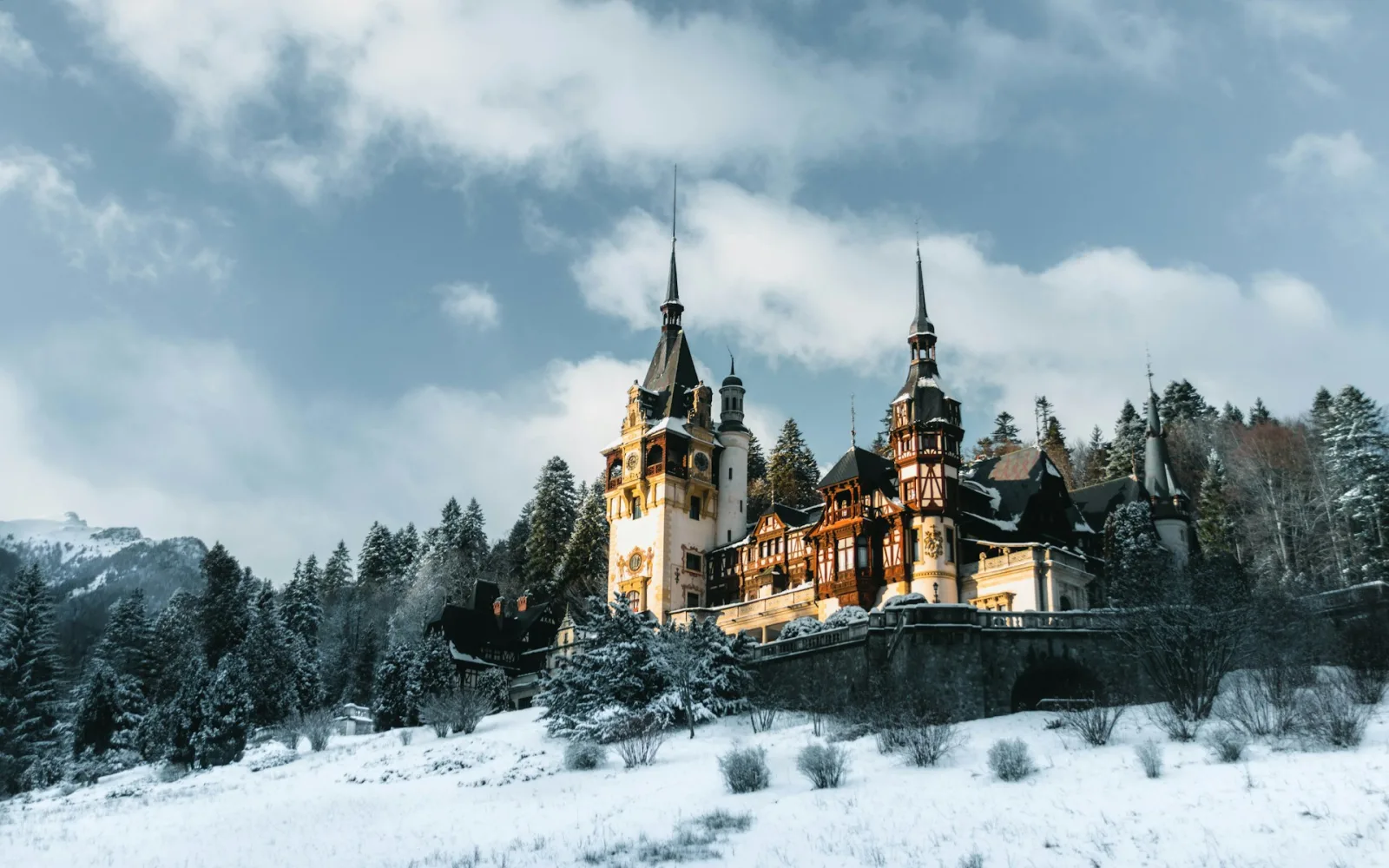
  • Day 3: Drive to Sinaia — Peleș Castle, drive to Brașov
  • Day 4: Bran Castle & Râșnov — return to Brașov for evening in Council Square
  • Day 5: Drive to Sibiu — medieval bridges, Grand Square, Brukenthal Museum
  • Day 6: Travel to Tulcea — boat transfer to Danube Delta, birdwatching tour
  • Day 7: Return to Bucharest — last-minute shopping, depart from OTP

Planning Notes

  • Transport: Rent a car or hire a private driver for Transylvania for flexibility and scenic stops
  • Budget option: Skip Danube Delta — focus on Bucharest + Transylvania for a 5-day cost-effective trip
  • Currency: Carry EUR/USD for exchange; RON is the only local currency accepted widely
  • Language: English widely spoken in tourist areas and younger generations. Romanian uses Latin alphabet.
  • Connectivity: EU eSIM or Orange/Vodafone local SIM available at OTP airport
  • Vegetarians: Bucharest & Brașov have dedicated vegan/vegetarian restaurants. Rural areas require advance notice.
  • Book ahead: For Sep–Oct & Dec travel, book accommodations and castle tickets 2–3 months ahead.

Want a hassle-free Romania trip? Our packages include flights, Schengen visa, hotels, transfers, and guided castle tours.

Book Romania Tour Package →
Romania Visa for Indians — Complete Guide & Travel Essentials
Essential information for Indian travelers — from Romania Schengen visa requirements and time zones to plug adapters and local transport apps.

Tip: Keep your Schengen visa documents organised. Border officers may request proof of accommodation, return tickets, and travel insurance upon entry.

Romania Visa for Indians — 2026 Update

Update (2025–2026): Romania is fully integrated into the Schengen Area. Indian nationals must apply for a standard Schengen tourist visa. Land border checks follow unified Schengen rules. Source: Embassy of India in Bucharest.

  • Visa Type: Short-stay Schengen Visa (Type C) — valid for 90 days within 180 days
  • Application: Submit via VFS Global (Mumbai, Delhi, Bengaluru, Chennai, Kolkata)
  • Fee: €90 for adults (~₹8,000–₹8,500), €45 for children 6–12, free under 6
  • Documents: Passport (6+ months validity, 2 blank pages), application form, cover letter, flight itinerary, hotel bookings, travel insurance (€30K min), bank statements (3 months), employment proof, photos
  • Processing time: 10–15 working days (up to 45 days in peak season)
  • Biometrics: Required at VFS center if not collected in last 59 months
  • Old National Visa: Replaced by unified Schengen visa process
CLICK TO KNOW MORE ABOUT VISA DOCUMENTATION & FEES

Time Zone

Romania follows Eastern European Time (EET, UTC+2) and observes Daylight Saving Time (EEST, UTC+3) from late March to late October.

  • Standard Time: UTC+2 (3.5 hours behind IST)
  • Summer Time: UTC+3 (2.5 hours behind IST)
  • Business hours typically run 9 AM – 5 PM local time
  • Banks operate 9 AM – 3 PM weekdays
  • Shopping malls open 10 AM – 9 PM
  • Dinner in Romania typically starts 7 PM – 9 PM local time

Country Code

To call Romania from India, use the international dialing code +40 followed by the local number.

  • International Dialing Code: +40
  • Dial from India: 00-40-XX-XXX-XXXX
  • Bucharest area code: 21
  • Brașov area code: 268
  • Emergency: 112 (EU-wide emergency number)
  • Tourist Police: Available in major cities, English-speaking
  • Major telecom: Orange, Vodafone, Digi
  • Prepaid SIM available at OTP airport arrivals
  • Free Wi-Fi widely available in cafes, hotels, and malls

Socket & Plugs

Romania uses Type C (Europlug) and Type F (Schuko) electrical outlets with 230V at 50Hz.

  • Type C and Type F — 230V, 50Hz
  • Type C (2-pin round) matches standard Indian 2-pin plugs
  • Type F includes grounding clips — compatible with Schuko
  • Indian Type D (3-pin round) requires universal adapter
  • Hotels and BnBs often provide adapters on request
  • Most modern electronics support 100–240V input automatically

Indian Embassy in Romania

The Embassy of India in Bucharest provides consular services for Indian nationals.

  • Address: 36, Bulevardul Primaverii, Sector 1, 011869 Bucharest
  • Contact: +40 21 231 1700 / 231 1701
  • Email: [email protected]
  • Emergency (24/7): +40 744 444 444
  • Working Hours: Mon–Fri, 9:00 AM – 5:00 PM
  • Services: passport renewal, emergency certificates, consular assistance
  • Register with MADAD portal before departure

Romanian Embassy in India

The Embassy of Romania in New Delhi oversees diplomatic and consular affairs for Indian citizens.

  • Embassy Delhi: C-17, Nizamuddin West, New Delhi 110013
  • Contact Delhi: +91-11-2435-6106
  • Consular Email: [email protected]
  • Visa Processing: Handled exclusively via VFS Global centers across India
  • Working Hours: Mon–Fri, 9:00 AM – 4:00 PM
  • Appointments mandatory for all submissions
  • Track application status online via VFS portal

Car Driving Orientation

Right-Hand Drive (Same as India)

  • Romania drives on the right-hand side, identical to Indian traffic flow
  • International Driving Permit (IDP) recommended alongside valid license
  • Speed limits: 50 km/h urban, 90 km/h rural, 130 km/h motorways
  • Seat belts mandatory, child seats required under 12 years
  • Alcohol limit: Zero tolerance for professional drivers, 0.08% for others
  • Roads generally well-maintained; tolls apply on major highways (vignette system)
  • Parking in city centres often requires mobile app payment

App Based Taxi

Uber, Bolt, and Free Now are Primary Ride-Hailing Apps

  • Uber and Bolt dominate Bucharest and major cities
  • Free Now integrates traditional metered taxis for reliability
  • Payment via app or cash (RON preferred)
  • Average OTP to city center fare: 80–120 RON
  • Public transport: Bucharest Metro, RATB buses, and trams are affordable
  • Intercity trains operated by CFR Călători and private operators (InterRegional)
  • Always verify driver identity before boarding

Need help with Romania Schengen visa? Our visa team assists with documentation, appointment booking, and application follow-up.

Romania Visa Assistance →
Romania Culture, Language & Local Customs
Understand Romanian language roots, local etiquette, and cultural norms to connect better with locals.

Official Language

Romanian (Română) — Official Language, a Romance language closely related to Italian and French.

  • Romanian uses the Latin alphabet with 5 additional diacritical characters (ă, â, î, ș, ț)
  • High mutual intelligibility with Italian for vocabulary
  • English is widely spoken in urban centers, hotels, and among younger generations
  • French and German also commonly taught in schools
  • Learning basic phrases enhances rural and small-town interactions
  • Romanians appreciate respectful attempts at speaking their language
  • Translation apps work seamlessly in cities with reliable internet

Local Vocabulary

Understanding these Romanian phrases helps connect with locals and navigate daily situations smoothly.

  • Bună ziua — Good day / Hello (formal)
  • Mulțumesc — Thank you
  • Vă rog — Please / You're welcome
  • Unde este... — Where is...?
  • Cât costă? — How much does it cost?
  • La revedere — Goodbye
  • Pa — Bye (informal)
  • Baie — Bathroom
  • Sanatate! — Cheers / Bless you (after sneezing)
  • Noroc! — Good luck / Cheers (drinking toast)

Toilet Signs

Public restrooms are called "Toaletă" or "Baie" in Romania. Signs typically display pictograms with "F" (Femei) and "B" (Bărbați).

  • Men's toilets marked with "Bărbați" or "B"
  • Women's toilets marked with "Femei" or "F"
  • Modern facilities are clean and well-maintained
  • Some public toilets charge 2–5 RON (carry coins)
  • Malls, restaurants, and hotels offer free restrooms
  • Always carry tissues for rural or older facilities
  • Western-style seated toilets are standard throughout
  • Accessible facilities available in newer public buildings

Interesting Facts

Romania is the 12th largest country in Europe and home to Europe's largest underground salt mine and second-largest administrative building.

  • Bucharest is nicknamed "Little Paris" for its early 20th-century Belle Époque architecture
  • The Palace of the Parliament is the second-largest administrative building in the world
  • Transylvania's fortified churches are UNESCO-listed medieval marvels
  • Hoia Baciu Forest near Cluj is often compared to the Bermuda Triangle
  • Traditional wooden churches of Maramureș feature intricate carved craftsmanship
  • Romania invented modern insulin therapy (Nicolae Paulescu, 1921)
  • The country has one of Europe's highest literacy rates (~99%)
  • Nadia Comăneci scored the first perfect 10 in Olympic gymnastics history here
Romania Shopping & Markets Guide
From traditional ceramics and wool crafts to modern boutiques and Christmas markets.

Shopping Hours

Most Shops: 9:00 AM – 8:00 PM (Weekdays)

  • Shopping malls operate 10:00 AM – 10:00 PM daily
  • Supermarkets and convenience stores open 7 AM – 11 PM
  • Smaller boutiques may close 1–2 PM in rural towns
  • Sunday trading is fully open in cities
  • Christmas markets (Nov–Dec) open 10 AM – 10 PM
  • Tax-free shopping available on non-EU purchases over 500 RON
  • Major sales: January (winter clearance) and July (summer clearance)

Flea & Craft Markets

Romania's markets offer authentic folk art, handmade ceramics, wool textiles, and traditional woodwork.

  • Obor Market (Bucharest) — Largest traditional market, daily essentials, crafts
  • Antique Market (Bucharest) — Vintage items, Soviet-era memorabilia, art
  • Târgul Meșterilor Populari — Artisan craft fairs in major squares
  • Christmas Markets — Sibiu, Brașov, Bucharest (mulled wine, ornaments, sweets)
  • Local Ferme Markets — Fresh produce, honey, dairy, organic goods
  • Cash (RON) preferred at smaller stalls; cards accepted in malls
  • Polite negotiation acceptable at open-air markets, not in fixed-price stores

Famous Products

Romanian traditional crafts are highly valued across Europe for authenticity and craftsmanship.

  • Ceramics & Pottery — Horezu UNESCO pottery, Corund traditional designs
  • Textiles & Carpets — Handwoven wool rugs from Oltenia & Transylvania
  • Traditional Costumes — Embroidered blouses (ie), woven belts, fur vests
  • Woodcarving — Wooden spoons, icons, gates from Maramureș
  • Honey & Preserves — Acacia, linden, and forest honey (high quality)
  • Wine — Romanian Fetească Neagră, Grasă de Cotnari
  • Palinka / Țuică — Traditional plum brandy (regional varieties)
  • Leather Goods — Handcrafted shoes, belts, and bags in Brașov

Supermarkets

Major chains like Carrefour, Lidl, Kaufland, and Profi offer wide product ranges with competitive prices.

  • Lidl & Kaufland — German chains, excellent quality-to-price ratio
  • Carrefour & Cora — Large hypermarkets with international products
  • Profi & Mega Image — Urban convenience stores, open late
  • Most supermarkets operate 7 AM – 10 PM daily
  • Local products affordable: cheese, bread, dairy, seasonal fruits
  • Tap water is safe in Bucharest and major cities; bottled water recommended in rural areas
Romania Food & Cuisine Guide
Romanian cuisine blends Balkan, Hungarian, and Ottoman influences with hearty, comforting flavors.

Do: Try sarmale and mămăligă — traditional Romanian comfort food with deep cultural roots.

Famous Cuisines

Romanian food focuses on fresh ingredients, slow cooking, and seasonal preservation techniques.

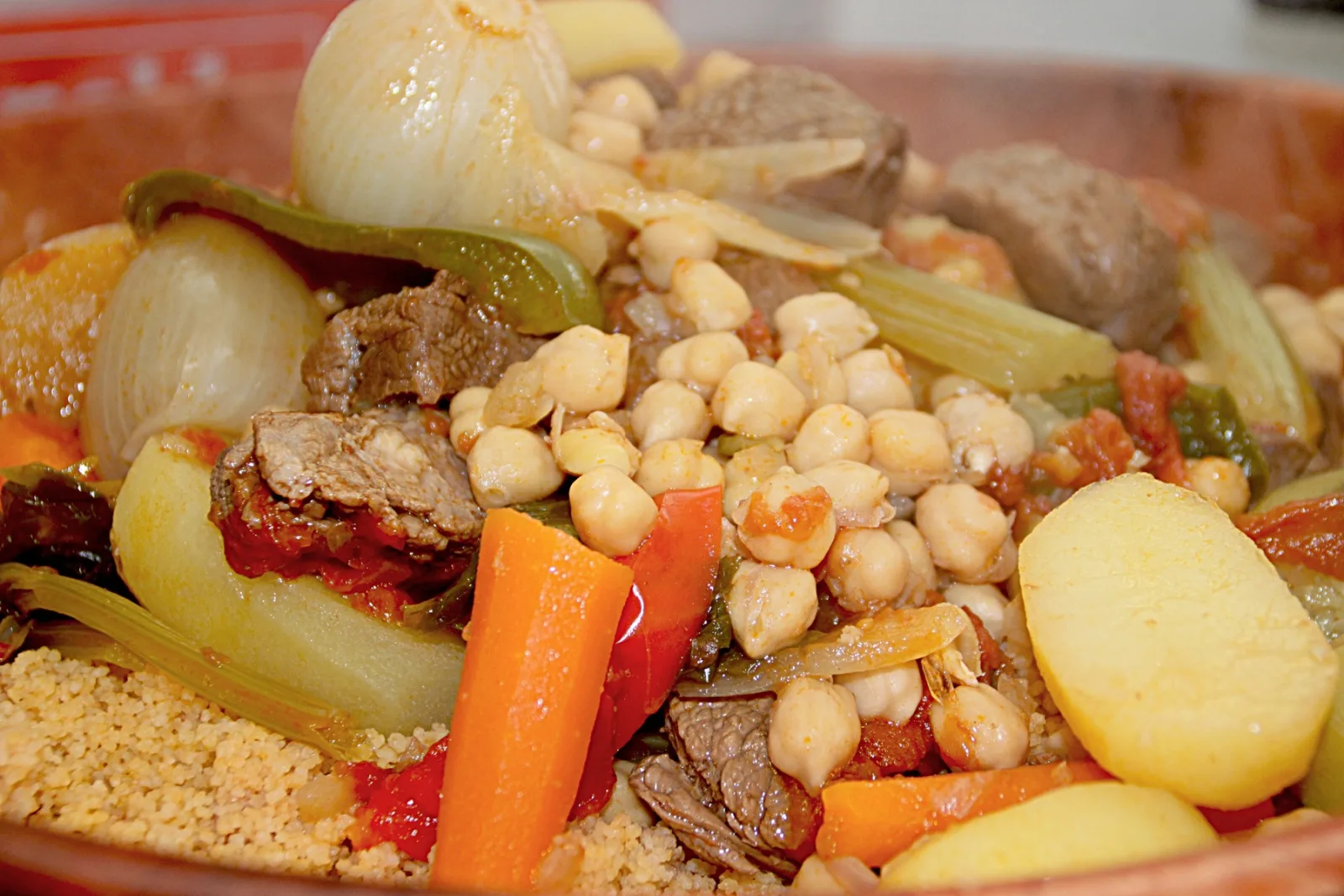
  • Sarmale — Cabbage rolls stuffed with minced meat and rice, simmered in tomato sauce
  • Mămăligă — Polenta, traditionally served as bread substitute with cheese or stews
  • Ciorbă — Sour soup (ciorbă de burtă, ciorbă rădăuțeană) with vinegar or lemon juice
  • Papanași — Fried or boiled donuts with sour cream and jam (dessert)
  • Plăcintă — Savory or sweet pastry filled with cheese, apples, or potatoes
  • Cozonac — Sweet bread with walnuts, cocoa, or Turkish delight (holiday staple)
  • Mușchiul Țăranului — Traditional smoked pork loin
  • Branză de vaci — Fresh cottage cheese used in breakfast and pastries

Famous Fruits

Summer and autumn harvests bring abundant local orchard fruits. Farmers' markets sell fresh, seasonal produce at low prices.

  • Prune (Plums) — Used for țuică, jams, and desserts
  • Cireșe (Cherries) — Sweet varieties abundant in Transylvania
  • Mere (Apples) — Regional orchards produce crisp, flavorful apples
  • Pepene (Watermelon/Melon) — Summer staple, sold street-side
  • Caise (Apricots) — Dried or fresh, used in traditional baking
  • Struguri (Grapes) — Wine regions celebrate harvest festivals
  • Fructe de Pădure — Wild berries (raspberries, blueberries, blackberries)

National Dish — Sarmale

Sarmale represents Romanian hospitality and tradition — prepared for weddings, holidays, and family gatherings.

  • More than a meal — it's a cultural symbol of family unity
  • Traditionally wrapped in fermented cabbage leaves or grape leaves
  • Served with mămăligă, smântână (sour cream), and hot peppers
  • Regional variations exist: Transylvanian (sourer), Moldovan (sweeter)
  • Preparation often takes a full day, involving multiple family members
  • Vegetarian versions use rice, mushrooms, and dill fillings
  • Best experienced in local homes or traditional restaurants (caru cu bere)
  • Widely available in city restaurants during winter and holidays

Avg Cost Of Food

Budget travelers can eat comfortably for 50–100 RON per day at local eateries. Tipping 5–10% is customary.

  • Street Food/Plăcintă: 5–10 RON each
  • Lunch Special (Meniu Zilnic): 30–50 RON
  • Traditional Restaurant Meal: 60–120 RON per person
  • Mid-range Dining: 80–150 RON per person
  • Fine Dining: 150–300+ RON per person
  • Coffee: 12–20 RON
  • Local Wine (Glass): 15–30 RON
  • Beer (0.5L): 8–15 RON

Tipping: 5–10% customary in sit-down restaurants. Not mandatory for street food or quick service.

Romania Weather & Packing Tips
Romania features four distinct seasons. Pack according to your destinations — from Carpathian peaks to coastal Black Sea.

Tip: Pack layers — mountain weather changes rapidly even in summer. Waterproof jacket is essential.

Weather

Romania has a temperate continental climate with distinct seasonal variations and regional microclimates.

  • Bucharest: Hot summers 25–32°C, cold winters -5 to 4°C, moderate rain year-round
  • Transylvania: Cooler summers 18–25°C, snowy winters -8 to 2°C, foggy autumn mornings
  • Carpathians: Alpine conditions, summer 10–18°C, winter heavy snow, sudden storms
  • Black Sea Coast: Mild summers 24–28°C, humid, calm winter winds
  • Best time overall: May–June & September–October for comfortable hiking and sightseeing
  • Summer: Ideal for festivals, mountain trekking, coastal visits
  • Winter: Ski season in Poiana Brașov, Christmas markets, snowy landscapes

Clothes To Wear

Romanians dress smart-casual in cities. Mountain areas require technical outdoor wear.

For Bucharest & Cities:

  • Light cotton/linen for summer (June–August)
  • Light jackets, sweaters for spring/autumn transitions
  • Warm coat, scarf, gloves, waterproof boots for winter
  • Comfortable walking shoes (cobblestone streets common)
  • Smart attire for theatre, fine dining, religious sites

For Carpathian Mountains:

  • Moisture-wicking base layers, fleece mid-layer, waterproof shell
  • Sturdy hiking boots with ankle support
  • Thermal socks, beanie, UV-protection sunglasses
  • Rain cover for backpack (mountain weather unpredictable)
Romania Heritage & Cultural Highlights
UNESCO sites, medieval fortresses, traditional villages, and folk arts that define Romanian identity.

UNESCO World Heritage Sites

Romania has 10 UNESCO World Heritage Sites, including medieval churches, fortified settlements, and pristine natural reserves.

  • Danube Delta (1991) — Europe's largest wetland, UNESCO Biosphere Reserve
  • Wooden Churches of Maramureș (1999) — Traditional Orthodox wooden architecture
  • Transylvanian Fortified Churches (1993) — Saxon village defense systems
  • Horezu Ceramics (2012) — Traditional pottery craftsmanship (Intangible Heritage)
  • Roșia Montană Mining Landscape (2021) — Historical Roman & medieval gold mining
  • Dacia Limes (2021) — Ancient Roman frontier fortifications

National Symbols

Romanian national symbols reflect Latin roots, Orthodox heritage, and Carpathian nature.

  • National Animal: Eurasian Lynx (officially recognized in 2000)
  • National Bird: White Stork — symbol of fertility and rural life
  • National Flower: Cornflower (Albastră) & Rosehip (Măceș)
  • National Sport: Oină (traditional bat-and-ball game, precursor to baseball)
  • National Drink: Țuică (plum brandy) & Wine
  • National Dish: Sarmale
  • National Dance: Hora (circle folk dance)

Films Shot in Romania

Romania's diverse landscapes and historic architecture attract international filmmakers and local New Wave cinema.

  • Dracula Untold (2014) — Bran Castle & Carpathian landscapes
  • Harry Potter & the Half-Blood Prince (2009) — Peleș Castle inspired Hogwarts scenes
  • The Nun (2018) — Filmed at Corvin Castle & Hunedoara
  • 4 Months, 3 Weeks and 2 Days (2007) — Palme d'Or winner, Romanian New Wave
  • Aferim! (2015) — Historical comedy set in 19th-century Wallachia
  • Collective (2019) — Oscar-nominated documentary on Romanian healthcare

Souvenirs

Best places to shop for authentic Romanian souvenirs: Bucharest Old Town, Sibiu artisan markets, Brașov craft streets.

  • Ceramics — Horezu & Corund traditional pottery
  • Wool Textiles — Handwoven rugs, blankets, traditional shirts
  • Wood Carvings — Icons, spoons, decorative crosses
  • Traditional Costumes — Miniature ie blouses, woven belts
  • Wine & Spirits — Fetească, Grasă, țuică, palinka
  • Honey & Preserves — Forest honey, quince jam, walnut liqueur
  • Dracula Merchandise — Books, figurines, castle memorabilia (fun novelty)
  • Local Chocolate — Romanian artisanal brands (Cocoa Tree, Heidi's)
Notable Highlights for Indian Travelers
From historic figures to modern achievements, discover what makes Romania globally recognized.

Famous People

  • Vlad III Drăculea (1431–1476) — Historical Wallachian prince, inspiration for Dracula legend
  • Nadia Comăneci (1961–) — Olympic gymnast, first perfect 10 in history
  • Elie Wiesel (1928–2016) — Holocaust survivor, Nobel Peace Prize laureate
  • Constantin Brâncuși (1876–1957) — Pioneering modernist sculptor
  • Eugène Ionesco (1909–1994) — Playwright, founder of Theatre of the Absurd
  • Sima Halep (1991–) — Former world No.1 tennis champion
  • Inna (1986–) & Edward Maya — Internationally successful pop musicians
  • Horia Tecău — Olympic silver medalist, Grand Slam doubles champion

Famous Inventions

Romania has a strong scientific tradition, contributing significantly to medicine, aviation, and computing.

  • Insulin Therapy — Nicolae Paulescu developed pancreatic extract for diabetes (1921)
  • Pendulum Rocket — Henri Coandă pioneered jet propulsion & fluid dynamics
  • Coandă Effect — Fundamental principle in modern aerodynamics
  • Stapler — Early patent credited to Romanian engineer Gustav Binder (debated)
  • Fountain Pen Improvements — Petrache Poenaru patented early reservoir pen designs

Strong STEM education tradition produces top-tier engineers, mathematicians, and IT professionals across Europe.

National Dish — Sarmale

  • Sarmale is Romania's culinary and cultural cornerstone
  • More than a meal — it's a family tradition symbolizing hospitality
  • Traditional sarmale uses minced pork, rice, dill, and onions wrapped in sour cabbage
  • Cooked slowly for 3–4 hours in clay pots or cast iron
  • Served with mămăligă, smântână, and hot peppers
  • Holiday sarmale gatherings last all day, emphasizing community bonding
  • Best experienced in traditional restaurants or local home invitations
  • Vegetarian mushroom & rice versions increasingly popular in cities

Is Romania expensive for Indians? A trip costs ₹80K–₹2L for 7–10 days including flights, Schengen visa (~€90), 4-star hotels, and meals.

Do Indians need a visa? Yes, Indian nationals require a standard Schengen visa (€90 fee) processed via VFS Global.

Flight duration? Flights from India to Bucharest typically take 8–12 hours with one layover via Middle East or Europe.

Is Romania safe for Indian tourists? Very safe. Crime rates are low, and tourist infrastructure is well-developed.

Currency? Romanian Leu (RON). Carry EUR/USD for exchange. International cards widely accepted. UPI not available.

Frequently Asked Questions — Romania Travel for Indians
Quick, honest answers to the most common Romania travel questions from Indian travellers
1Do Indians need a visa for Romania? Has anything changed recently?
Yes. Romania is fully integrated into the Schengen Area as of 2025. Indian nationals must apply for a standard Schengen tourist visa. The national visa system has been replaced by the unified Schengen process. Apply through VFS Global in major Indian cities. Fee: €90 (~₹8,000–₹8,500).
2Is Romania expensive for Indian tourists?
Romania is highly affordable compared to Western Europe. A 7–10 day trip costs ₹80,000–₹2,00,000 per person including flights, visa, 4-star accommodation, meals, and transport. On-ground expenses are 30–50% lower than France, Italy, or Switzerland.
3How long is the flight from India to Romania?
Flights from Delhi or Mumbai to Bucharest (OTP) take 8–12 hours with a single layover via Istanbul, Doha, or Frankfurt. Direct flights are occasionally available. Middle Eastern carriers offer seamless transit without airport visas.
4What is the best time to visit Romania from India?
May–June and September–October offer the best weather for sightseeing and hiking. September is ideal for Transylvanian autumn foliage. Winter (Dec) is perfect for Christmas markets and skiing. Avoid July–August if you dislike heat and crowds.
5Is Romania safe for Indian tourists?
Romania is very safe for Indian travelers. Violent crime is rare. Standard precautions against pickpocketing in busy areas apply. English is widely spoken, and locals are generally helpful and respectful toward Indian visitors.
6Do Indians need a transit visa for Romania flights?
If transiting through Schengen airports with a confirmed onward ticket and staying in the international zone, no additional visa is needed. Middle Eastern hubs (Dubai, Doha, Istanbul) do not require transit visas for Indian passport holders.
7What is the Romania tourist visa fee for Indians?
The Schengen visa fee is €90 for adults, €45 for children aged 6–12, and free for under 6. VFS service charges (~₹1,500–₹2,000) apply. Total cost is approximately ₹8,500–₹10,000. Payable in INR at VFS centers.
8What plug type is used in Romania?
Romania uses Type C (2-pin round) and Type F (Schuko) outlets at 230V, 50Hz. Indian 2-pin plugs work directly. Indian 3-pin round plugs require a universal adapter. Most hotels provide adapters on request.
9Can I use Indian Rupee or UPI in Romania?
No. The local currency is Romanian Leu (RON). INR is not accepted. Carry EUR or USD for exchange, or use international Visa/Mastercard. UPI and Indian debit cards without international activation do not work. ATMs widely dispense RON.
10What is the national dish of Romania?
Sarmale (cabbage rolls stuffed with meat and rice) served with mămăligă (polenta) and sour cream is the national dish. It represents family gatherings, hospitality, and traditional Romanian culinary heritage.
11What is the time difference between India and Romania?
Romania is 3.5 hours behind IST during standard time (UTC+2) and 2.5 hours behind during Daylight Saving Time (UTC+3, late March–October). Adjust your schedule gradually upon arrival.
12Can vegetarian Indians find food in Romania?
Bucharest, Cluj, Brașov, and Sibiu have excellent vegetarian/vegan restaurants. Traditional Romanian cuisine is meat-heavy, but cheese, legumes, grilled vegetables, and modern cafes cater well. Inform rural hotels in advance for dietary accommodations.
13Which is better for first-time visitors — Bucharest or Transylvania?
Combine both for the best experience. Spend 2 days in Bucharest for history and museums, then 3–4 days exploring Transylvanian castles, medieval towns, and Carpathian landscapes. The scenic train route connects them efficiently.
14Is Romania better than Western Europe for Indian tourists on budget?
Yes. Identical Schengen visa fees, but on-ground costs (hotels, food, transport) are 30–50% cheaper. Romania delivers authentic European heritage, castles, and mountain scenery without the premium pricing of France or Switzerland.
15Does Destination To Plan offer group tour packages to Romania?
Yes. Destination To Plan offers customised group and family tour packages to Romania from India including flights, Schengen visa assistance, 4-star hotels, Transylvania castle tours, Danube Delta excursions, guided transfers, and 24/7 support. Contact us via the inquiry form or visit our Romania tour packages page for pricing.
Have more questions? Our Romania travel experts can help plan your perfect Transylvania & European trip.

Talk to a Romania Travel Expert →

Note: Information provided is subject to change. Verify visa requirements, exchange rates, opening hours, and travel advisories before your trip. Prices are approximate and may vary based on location, season, and inflation. Romania's currency and EU regulations can shift; always check official sources.

About This Romania Travel Guide

This Romania travel guide covers everything Indian travelers need from Schengen visa rules and Bucharest travel tips to Transylvanian castles, local food, weather, shopping, and top attractions. Researched, regularly updated, and trusted by group tour planners and independent travelers.

Expert Curated Content

Every section — from Schengen visa procedures to Transylvania castle tours — is verified by travel professionals with Eastern Europe experience.

Regularly Updated Information

Romania travel costs, Schengen visa rules, and embassy details are reviewed and refreshed to reflect current conditions including 2026 integration updates.

Trusted by Indian Travelers

Used by group tour organizers, corporate travel planners, and independent travelers from India researching Romania itineraries, Transylvania road trips, and Bucharest city breaks.

Complete Romania Resource

One guide covering visa requirements, cost, flights, itinerary, food, culture, weather, shopping, and heritage — all with India-specific context and 2026 accuracy.

More Travel Guides

Explore Other Destinations

Plan Your Romania Trip from India

Fill out the enquiry form below and our travel experts will help you plan your Romania tour — Schengen visa, flights, hotels, and guided castle tours.

Get assistance with visa (€90), flight bookings, Bucharest hotels, Transylvania excursions, Danube Delta tours, and complete Romania packages.

Enquire About This Package