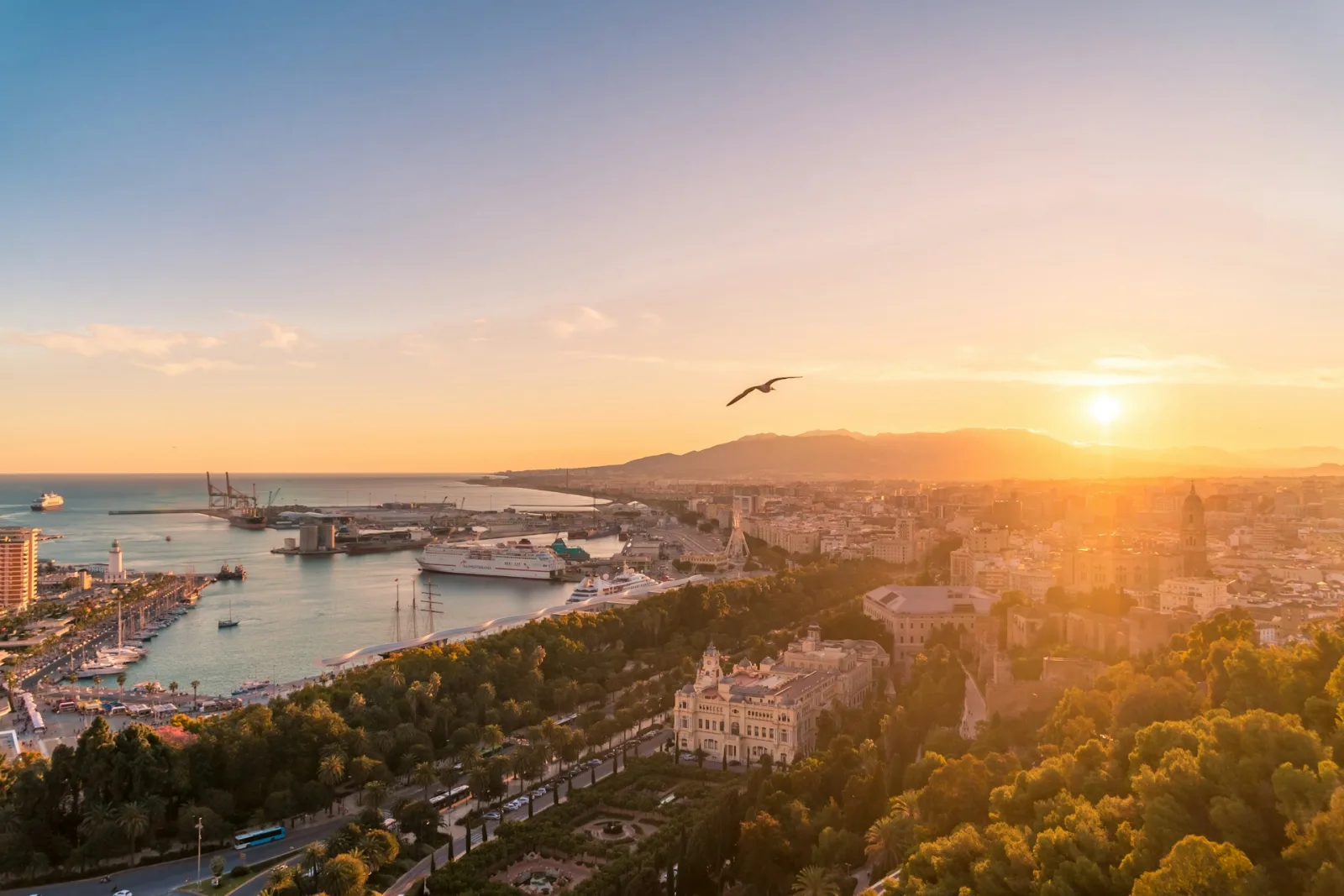
Panoramic view of Barcelona skyline featuring Sagrada Familia towers and cityscape under clear blue skies

Spain Travel Guide
for Indian Travelers

Visa, cost, itinerary & tips — your complete guide to planning a trip to Spain from India in 2026.

Updated for 2026 Travelers
Written by Bilas Munda — Europe Travel Specialist
Reviewed by Vijay Prasad · Europe Travel Reviewer
Last updated after reviewing:
  • Schengen visa appointment availability & BLS International 2025 updates
  • ETIAS implementation deferred to June 2026 — current rules remain unchanged
  • Indian traveler safety advisories & pickpocket prevention in Barcelona 2026

Last updated: April 2026

Spain Trip Cost from India (Detailed Breakdown)
Realistic cost breakdown for flights, visa, hotels, food, and total budget for 2026

Cost Breakdown 2026

  • Return Flights: ₹75,000 – ₹1,20,000
  • Visa Fee (Schengen): ~₹8,300 (€90) + BLS service charges
  • Hotels (per night): ₹4,500 – ₹15,000
  • Food (per day): ₹2,000 – ₹5,000
  • Local Transport (per day): ₹1,200 – ₹3,500
  • Activities & Entry Fees: ₹15,000 – ₹30,000 total
  • Travel Insurance: ₹1,500 – ₹3,000
  • Total (7–10 days): ₹1.2L – ₹2.5L per person

Spain offers excellent value for money in Europe. Mid-range hotels and local tapas culture keep daily costs manageable compared to Northern Europe or Scandinavia.

Best Departure Cities

  • Delhi (DEL) — Direct & one-stop options to Madrid (MAD) and Barcelona (BCN)
  • Mumbai (BOM) — Strong Middle East & European carrier connections
  • Bangalore (BLR) — One-stop via Doha, Dubai, or London
  • Kolkata (CCU) — Limited options, usually via Middle East
  • Chennai (MAA) — Good connections via Doha or Frankfurt

Delhi and Mumbai offer the most competitive fares and shortest layovers for Spain flights.

Ready to plan your Spain trip? Let us handle flights, visa, hotels, and guided tours.

View Spain Tour Packages →
Flight Routes from India to Spain
Flights from India to Spain typically take 12–16 hours. Most routes involve a single layover in the Middle East or Western Europe.

Delhi to Madrid/Barcelona

  • Route 1: DEL → Dubai → MAD (Emirates)
  • Route 2: DEL → Frankfurt → MAD/BCN (Lufthansa)
  • Route 3: DEL → Doha → MAD/BCN (Qatar Airways)
  • Route 4: DEL → Istanbul → MAD (Turkish Airlines)
  • Duration: 12–15 hours
  • Price Range: ₹80,000 – ₹1,30,000

Mumbai to Madrid/Barcelona

  • Route 1: BOM → Abu Dhabi → MAD (Etihad)
  • Route 2: BOM → Paris → BCN (Air France)
  • Route 3: BOM → London → MAD (British Airways)
  • Duration: 13–16 hours
  • Price Range: ₹75,000 – ₹1,40,000

Note: Madrid (MAD) and Barcelona (BCN) are the primary international gateways. High-speed AVE trains connect major cities efficiently. Check Europe travel guides for multi-country routing.

Spain vs Other European Destinations Cost
How does Spain compare to popular European destinations on cost? Here is a practical comparison for Indian travelers.
Expense Spain (7 days) Italy/France (7 days)
Flights₹75K – ₹1.2L₹80K – ₹1.4L
Visa₹8,300 (Schengen)₹8,300 (Schengen)
Hotels/night₹4.5K – ₹15K₹6K – ₹18K
Food/day₹2K – ₹5K₹3K – ₹7K
Local Transport₹1.2K – ₹3.5K/day₹2K – ₹4.5K/day
Total Trip₹1.2L – ₹2.5L₹1.5L – ₹3L
Flights
Spain₹75K – ₹1.2L
Italy/France₹80K – ₹1.4L
Visa
Spain₹8,300
Italy/France₹8,300
Hotels/night
Spain₹4.5K – ₹15K
Italy/France₹6K – ₹18K
Food/day
Spain₹2K – ₹5K
Italy/France₹3K – ₹7K
Total Trip
Spain₹1.2L – ₹2.5L
Italy/France₹1.5L – ₹3L

Spain offers significantly better on-ground value than Italy and France. Tapas culture, affordable regional trains, and competitive hotel pricing make it a budget-friendly European destination.

Best Time to Visit Spain from India
Spain has diverse climates. The ideal visiting window depends on your preferred activities and crowd tolerance.
Month Spain Season Madrid/Central Barcelona/Coast Seville/Andalusia India Travel Note
JanWinterCool 2–10°CMild 8–15°CPleasant 10–16°CLow season, great deals
FebWinterCool 4–12°CMild 9–15°CWarming 11–17°CCarnival season in Tenerife
MarEarly SpringMild 7–16°CWarming 10–18°CPleasant 12–20°CGood shoulder window
AprSpring ✓Ideal 9–18°CExcellent 12–20°CBeautiful 14–22°CSpring break, book 3 months ahead
MaySpring ✓✓Warm 12–23°CSunny 15–23°CHot 17–27°CPeak Indian travel month
JunEarly SummerHot 17–30°CWarm 19–26°CVery Hot 20–32°CStart of high season, higher fares
JulPeak SummerVery Hot 20–34°CHot 22–28°CExtreme Heat 25–38°CCrowded, extreme Andalusian heat
AugPeak SummerVery Hot 20–33°CHumid 23–29°CExtreme Heat 25–37°CLocals vacation, some closures
SepAutumn ✓Warm 15–26°CIdeal 18–26°CWarming 19–29°CExcellent weather, fewer crowds
OctAutumn ✓✓Mild 11–21°CPleasant 14–22°CIdeal 15–25°CBest overall month for India travelers
NovLate AutumnCool 6–15°CMild 9–17°CCool 10–19°CShoulder season, lower prices
DecWinterCool 3–10°CChilly 7–14°CMild 9–16°CChristmas markets, festive travel
7-Day Spain Itinerary for Indian Travelers
A perfect one-week Spain itinerary covering Madrid, Seville, and Barcelona highlights.

Day-by-Day Plan

  • Day 1: Arrive Madrid — rest, evening tapas walk in La Latina
  • Day 2: Madrid city tour — Royal Palace, Prado Museum, Retiro Park
  • Day 3: AVE high-speed train to Seville — Alcázar, Plaza de España
  • Day 4: Seville Cathedral & Giralda — evening Flamenco show
  • Day 5: Train to Barcelona — Gothic Quarter, La Rambla, Boqueria market
  • Day 6: Gaudí day — Sagrada Familia, Park Güell, Casa Batlló
  • Day 7: Montjuïc hill & coastal walk — depart from BCN or return to MAD

Planning Notes

  • High-speed rail: Book AVE/Ouigo/Iryo tickets 2–3 months early for cheapest fares
  • Budget option: Skip Seville — Madrid + Barcelona is a cost-effective 5-day core route
  • Currency: Use contactless cards; carry €200-300 cash for smaller markets
  • Language: English works well in tourist zones. Learn basic Spanish greetings.
  • Connectivity: EU roaming or local eSIM (Vodafone/Movistar) works seamlessly
  • Vegetarians: Tapas culture offers many vegetarian options; specify dietary needs clearly
  • Book ahead: Sagrada Familia & Alhambra require timed entry — book weeks in advance

Want a hassle-free Spain trip? Our packages include flights, Schengen visa, hotels, transfers, and guided tours.

Book Spain Tour Package →
Spain Schengen Visa for Indians — Complete Guide & Travel Essentials
Essential information for Indian travelers — from Schengen visa requirements and time zones to plug adapters and local transport.

Tip: Schengen visa rules are strict. Ensure travel insurance covers at least €30,000 medical expenses across all Schengen states.

Schengen Visa for Indians — 2026 Update

Update (2026): ETIAS visa waiver will launch in June 2026, but does NOT apply to Indian passport holders. Indians still require a standard Type C Schengen visa. Processing remains 10–15 working days.

  • Visa Type: Schengen Short-Stay Visa (Type C)
  • Fee: €90 (~₹8,300) + BLS service charge (~₹1,800)
  • Application: Through BLS International centers in Delhi, Mumbai, Bangalore, Kolkata, Pune, Ahmedabad, Hyderabad
  • Documents: Valid passport (6+ months, 2 blank pages), visa form, travel insurance (€30k), flight itinerary, hotel bookings, bank statements (3 months), NOC, photos (35x45mm)
  • Processing time: 10–15 working days (apply 3–4 months in advance during peak season)
  • Duration permitted: Up to 90 days within any 180-day period
  • Old AVE: Not applicable — Schengen visa required
CLICK TO KNOW MORE ABOUT VISA DOCUMENTATION & FEES

Time Zone

Spain follows Central European Time (CET), UTC+1, and observes Daylight Saving Time. The time difference varies seasonally.

  • Standard Time (CET): UTC+1 (late Oct – late Mar) — 3.5 hours behind IST
  • Summer Time (CEST): UTC+2 (late Mar – late Oct) — 4.5 hours behind IST
  • When it is 12:00 PM in Madrid, it is 3:30 PM (winter) or 4:30 PM (summer) in India
  • Business hours typically run from 9 AM to 2 PM, then 4 PM to 7 PM (siesta culture)
  • Restaurants serve lunch from 1:30–4 PM and dinner from 8:30 PM onwards
  • Shops generally open 10 AM–8 PM; smaller stores may close 2–4 PM

Country Code

To call Spain from India, use the international dialing code +34 followed by the local number.

  • International Dialing Code: +34
  • To call Spain from India, dial: 00-34-XXX-XXX-XXX
  • Madrid area code: 91 | Barcelona area code: 93
  • Emergency services: 112 (Police/Ambulance/Fire — pan-European)
  • Major telecom providers: Movistar, Vodafone, Orange, Yoigo
  • Tourist SIM cards/eSIMs available at airports and city stores
  • Free Wi-Fi widely available in hotels, cafes, and public transport hubs

Socket & Plugs

Spain uses Type C and Type F electrical outlets with 230V at 50Hz.

  • Type C and Type F — 230V, 50Hz
  • Standard European 2-pin round sockets
  • Indian Type C plugs (2-pin round) work directly without an adapter ✅
  • Indian Type D (3-pin round) plugs require a simple 2-pin European adapter
  • Most modern electronics support 100–240V auto-switching
  • Hotel front desks usually stock adapters for guests on request
  • USB-C charging widely available in newer accommodations and transit hubs

Indian Embassy in Spain

The Embassy of India in Madrid provides consular services for Indian nationals.

  • Address: Calle Pinar 17, 28001 Madrid, Spain
  • Contact: +34 91 563 1330
  • Email: [email protected]
  • Emergency (24/7): +34 609 661 134
  • Working Hours: Mon–Fri, 9:00 AM – 5:00 PM
  • Services: passport renewal, emergency certificates, attestation
  • Register with MADAD portal before travel for advisories

Spanish Embassy in India

The Embassy of Spain in New Delhi handles diplomatic and consular affairs. Visa applications are processed exclusively via BLS International.

  • Embassy New Delhi: 50, Nyaya Marg, Chanakyapuri, New Delhi 110021
  • Contact Delhi: +91-11-4200 2500
  • Email: [email protected]
  • Note: Schengen visas are processed through BLS International, not directly at the embassy
  • BLS Centers: Available in Delhi, Mumbai, Bangalore, Kolkata, Pune, Ahmedabad, Hyderabad
  • Working Hours: Varies by visa center; appointment booking online only

Car Driving Orientation

Right-Hand Drive (Opposite to India)

  • Spain follows right-hand driving
  • International Driving Permit (IDP) recommended alongside valid Indian license
  • Speed limits: 50 km/h urban, 90 km/h rural, 120 km/h autopistas
  • Toll roads (autopistas de peaje) are common but well-maintained
  • Parking in city centers is restricted; use P-Blue or P-Green zones
  • Rental cars available from Madrid, Barcelona, Malaga, Valencia airports
  • Public transport (Metro, Cercanias, AVE) is highly recommended in major cities

App Based Taxi

Free Now, Cabify, and Uber are Primary Ride-Hailing Apps

  • Cabify dominates in Madrid and Barcelona
  • Free Now aggregates official licensed taxis across Spain
  • Uber operates in select cities with regulated pricing
  • Payment: Credit/debit card or cash (drivers prefer card)
  • Airport taxi fares are fixed by zone in Madrid (MAD-T1/T2/T3: ~€30-€35)
  • Traditional taxis (Taxis Blancos in Madrid, Taxis Negros in Barcelona) are reliable
  • Always verify meter is running or agree on fixed airport fare
  • Public metro and RENFE trains are faster for inter-city travel

Need help with Spain Schengen visa? Our visa team assists with documentation, appointment booking, and application review.

Spain Schengen Visa Assistance →
Spain Culture, Language & Local Customs
Understand Spanish, regional languages, and cultural norms to connect better with locals and navigate social etiquette.

Official Language

Castilian Spanish (Español) — Official Language

  • Spain recognizes co-official languages in autonomous regions: Catalan, Basque, Galician
  • Castilian Spanish has clear pronunciation and consistent grammar rules
  • English is widely understood in tourist areas, hotels, and by younger generations
  • Learning basic phrases (Hola, Gracias, Por favor) is highly appreciated
  • Regional signage often appears in local languages alongside Spanish
  • Translation apps work flawlessly with high-speed internet across Spain
  • Indians generally find Spanish phonetics easier than German or Slavic languages

Local Vocabulary & Etiquette

Understanding Spanish greetings and dining etiquette helps navigate social interactions smoothly.

  • Hola / Buenos días — Hello / Good morning (use in shops & cafes)
  • Gracias / Por favor — Thank you / Please
  • La cuenta, por favor — The bill, please
  • ¿Cuánto cuesta? — How much does it cost?
  • Salud! — Cheers! (before drinking)
  • Tipping: Not mandatory; round up or leave 5-10% for good service
  • Greetings: Two cheek kisses are standard among acquaintances; handshakes for formal settings
  • Meal times: Lunch 1:30-4 PM, Dinner 8:30-11 PM (adapt slowly to avoid hunger!)

Toilet Signs

Public restrooms in Spain are marked clearly and are generally clean, especially in malls and transit hubs.

  • Signs display Servicios or Aseos
  • Men: Caballeros or blue pictogram
  • Women: Señoras/Damas or pink pictogram
  • Train stations & airports: Clean, well-maintained, free access
  • Some historic cafes or older buildings may charge €0.50-1
  • Always carry tissues/paper for smaller rural establishments
  • Western-style seated toilets are standard throughout Spain
  • Accessible facilities available in modern public buildings

Interesting Facts

Spain is the 4th largest country in Europe and a global leader in renewable energy, architecture, and sports.

  • Spain has the 2nd highest number of UNESCO World Heritage sites globally
  • La Tomatina (Buñol) is the world's largest tomato fight festival
  • Spanish siesta tradition stems from hot climates and agricultural work patterns
  • Real Madrid and FC Barcelona are among the most valuable football clubs globally
  • Spain is a top producer of olive oil, wine, and citrus fruits in the EU
  • The Spanish Constitution guarantees extensive regional autonomy (17 communities)
  • Pablo Picasso, Salvador Dalí, and Antoni Gaudí are globally renowned Spanish artists
Spain Shopping & Markets Guide
From flagship fashion brands and artisan leather to vibrant street markets and local crafts.

Shopping Hours

Most Shops: 10:00 AM – 2:00 PM & 4:00 PM – 8:00 PM (Weekdays)

  • Large shopping centers (El Corte Inglés, ABC Serrano) operate continuously 10 AM – 10 PM
  • Sunday shopping is restricted outside major cities; Madrid/BCN allow Sunday openings in tourist zones
  • Department stores close 1-4 PM for break; restaurants may not
  • Markets (Mercados) open early: 8 AM – 2 PM (some close afternoons except weekends)
  • End-of-season sales: January (Winter) & July (Summer) offer 30-70% discounts
  • Tax refund available for non-EU residents on purchases over €90
  • Always keep receipts; stamp at airport customs before departure

Flea Markets

Spain's markets blend historic commerce with modern artisan culture. Haggling is acceptable only in street markets.

  • El Rastro (Madrid) — Europe's largest flea market (Sundays), antiques, vintage fashion
  • Las Ramblas & Gothic Quarter (BCN) — Street vendors, crafts, souvenirs (watch for quality)
  • La Boqueria — Iconic food market near Plaça Catalunya, fresh produce & tapas stalls
  • Mercado de San Miguel — Gourmet food hall, ironwork architecture, premium tastings
  • Feria de Sevilla — Spring fair market (April), flamenco dresses, local crafts
  • Cash preferred for small market stalls; cards accepted in established stores
  • Carry crossbody bag; markets are pickpocket hotspots

Famous Brands

Spain is a global fashion hub with homegrown brands offering excellent value compared to international pricing.

  • Zara / Mango / Massimo Dutti — Global fashion giants headquartered in Spain
  • Camper / Loewe — Premium Spanish footwear and luxury leather goods
  • Native Footwear — Espadrilles from Valencia, handmade leather sandals from Andalusia
  • Cava & Sherry — Spanish sparkling wines and fortified wines from Jerez
  • Saffron & Olive Oil - High-quality La Mancha saffron, premium extra virgin olive oil
  • Flamenco Items — Shawls (mantones), castanets, traditional fans
  • Football Merch — Official La Liga & Real Madrid/FC Barcelona merchandise
  • Jamón Ibérico — Premium cured ham (check customs regulations before flying)

Supermarkets

Major supermarket chains offer affordable groceries, snacks, and self-catering supplies for budget travelers.

  • Mercadona — Spain's largest chain, high private-label quality, budget-friendly
  • Carrefour — French chain, widespread, good for international products
  • El Corte Inglés (Supermarket) — Premium section, gourmet items, excellent customer service
  • Lidl / Aldi — Discount chains, growing rapidly, basic staples at low prices
  • Most open 9 AM – 9 PM; some 24-hour outlets in city centers
  • Local products (cheese, wine, cured meats) significantly cheaper than duty-free
  • Tap water is safe to drink nationwide; bottled water widely available
Spain Food & Cuisine Guide
Spanish cuisine varies by region but centers on fresh ingredients, olive oil, wine, and social dining culture.

Do: Embrace tapas culture — order small plates to share, try regional specialties, and eat at local hours.

Famous Cuisines

Spanish cuisine is deeply regional. Coastal areas focus on seafood; inland regions excel in meats, stews, and legumes.

  • Paella — Valencia origin: rice, saffron, rabbit/chicken/seafood, cooked in wide shallow pan
  • Tapas — Small plates (patatas bravas, croquetas, gambas al ajillo) shared with drinks
  • Tortilla Española — Thick potato & egg omelette, national staple
  • Jamón Ibérico — Premium acorn-fed cured ham, thinly sliced, served at room temp
  • Gazpacho / Salmorejo — Chilled tomato-based soups (Andalusian summer staples)
  • Churros con Chocolate — Fried dough sticks dipped in thick hot chocolate
  • Pintxos — Basque Country bite-sized skewered appetizers on bread
  • Crema Catalana — Custard dessert with burnt sugar top (Spanish crème brûlée)

Famous Fruits

Mediterranean climate produces excellent citrus, stone fruits, and subtropical varieties. Visit local markets for peak freshness.

  • Naranjas (Oranges) — Seville & Valencia famous for sweet oranges and juice
  • Limones & Mandarinas — Abundant in Andalusia and Murcia regions
  • Cerezas (Cherries) — Jerte Valley (Cáceres) produces premium cherries (May-Jun)
  • Melocotones (Peaches) — Aragón region, soft & juicy summer fruit
  • Uvas (Grapes) — La Rioja & Penedès wine regions have excellent table varieties
  • Almendras & Avellanas — Almonds and hazelnuts used in turrón & local desserts
  • Higos (Figs) — Traditional Balearic Islands & Andalusian summer staple

National Dish — Paella

Paella is Spain's most iconic dish, though true paella originates from Valencia and follows strict traditional recipes.

  • Authentic paella uses short-grain rice (Bomba), saffron, olive oil, and local proteins
  • Paella Valenciana: chicken, rabbit, snails, green beans — NO seafood
  • Paella de Marisco: shrimp, mussels, squid — coastal variation
  • Cooked in a wide, flat pan (paellera) over open wood fire or gas burner
  • Crucial step: "Socarrat" — caramelized rice crust at the bottom
  • Served for lunch (1-4 PM), rarely at dinner in traditional settings
  • Best authentic spots: Valencia, Denia, Sueca; avoid "paella tourist traps" near La Rambla
  • Vegetarian paella available in major cities — request "paella de verduras"

Avg Cost Of Food

Budget travelers can eat well for €15–€25 per day at local tapas bars and mercado stalls. Tipping is discretionary.

  • Tapas/Pintxos: €2–€6 each
  • Menú del Día (Lunch): €10–€15 (starter + main + drink + dessert)
  • Paella (shared): €15–€25 per person
  • Mid-range Restaurant: €18–€35 per person
  • Fine Dining: €50–€120+ per person (Michelin starred €80+)
  • Coffee/Tinto de Verano: €1.50–€3.50
  • Local Wine (Copa): €3–€8
  • Bottled Water (0.5L): €1–€1.50

Tipping: Rounding up is standard. 5-10% for exceptional service in sit-down restaurants. Not mandatory.

Spain Weather & Packing Tips
Spain spans Mediterranean, continental, and oceanic climates. Pack according to your regional itinerary.

Tip: Pack layers and a light rain jacket — weather can shift quickly, especially in spring and autumn.

Weather

Spain has highly regionalized climates due to geographic barriers like the Pyrenees and coastal influences.

  • Madrid/Central Plateau: Continental — hot dry summers (30-38°C), cold winters (0-10°C)
  • Barcelona/Mediterranean Coast: Mediterranean — warm humid summers (25-30°C), mild winters (8-15°C)
  • Andalusia (Seville/Córdoba): Arid — extreme summer heat (35-40°C), mild pleasant winters (10-18°C)
  • Basque Country/Galicia: Oceanic — rainy, mild year-round (10-25°C), lush green landscapes
  • Balearic/Canary Islands: Subtropical — warm year-round (18-28°C), Canary Islands "Eternal Spring"
  • Best time overall: April-May & September-October (mild temps, fewer crowds)
  • Summer (Jun-Aug): Peak tourism, extreme heat inland, coastal crowds
  • Winter (Dec-Feb): Quiet cities, Christmas markets, ski season in Pyrenees

Clothes To Wear

Spaniards dress smart-casual. Avoid overly athletic wear in cities and churches.

For Madrid & Central Regions:

  • Light breathable clothing for summer (linen, cotton)
  • Layers for spring/autumn (light jacket, sweaters, scarf)
  • Warm coat, gloves, beanie for winter (Dec-Feb)
  • Comfortable walking shoes (cobblestone streets demand support)
  • Modest attire for church visits (shoulders & knees covered)
  • Compact umbrella (spring & autumn showers)

For Coastal & Andalusia:

  • Sun protection: wide-brim hat, sunglasses, SPF 50+
  • Lightweight, moisture-wicking fabrics
  • Swimwear & quick-dry towel for beaches
  • Light cardigan for evening coastal breezes
Spain Heritage & Cultural Highlights
UNESCO sites, regional festivals, cinematic history, and authentic souvenirs that capture Spanish identity.

UNESCO World Heritage Sites

Spain has 49 UNESCO World Heritage sites, the 2nd highest globally. Many require advance booking due to capacity limits.

  • Alhambra, Generalife & Albayzín (Granada) (1984) — Moorish palace complex & gardens
  • Burgos Cathedral (1984) — Gothic masterpiece, single cathedral UNESCO listed
  • Historic Centre of Córdoba (1984) — Mezquita-Catedral, Jewish Quarter
  • Works of Antoni Gaudí (Barcelona) (1984) — Sagrada Familia, Park Güell, Casa Batlló
  • Camino de Santiago (1993) — Pilgrimage route across Northern Spain
  • Doñana National Park (1994) — Wetland reserve, bird migration sanctuary

National Symbols

Spanish identity blends regional pride with national unity. The flag features historical coat of arms representing former kingdoms.

  • National Animal: Bull (Toro) — cultural symbol of strength & tradition
  • National Bird: Imperial Eagle (Aquila adalberti) — endangered, protected
  • National Flower: Red Carnation (Clavel Rojo) — symbol of passion & flamenco
  • National Sport: Football (Fútbol) — La Liga, Copa del Rey
  • National Drink: Sangria, Tinto de Verano, Jerez Sherry
  • National Dance: Flamenco — UNESCO Intangible Heritage (Andalusia origin)

Films Shot in Spain

Spain's diverse landscapes and historic architecture make it a premier filming location for international cinema.

  • Game of Thrones (2011-2019) — Seville Alcázar = Dorne, Zumaia = Dragonstone
  • Star Wars: Episode II & VIII — Almería deserts = Tatooine & Crait landscapes
  • Lawrence of Arabia (1962) — Almería & Tabernas desert
  • For a Few Dollars More (1965) — Spanish Western genre pioneer
  • Vicky Cristina Barcelona (2008) — Woody Allen film showcasing Catalan life
  • The Others (2001) — Filmed in Mallorca, psychological thriller classic

Major Festivals

Spanish festivals (fiestas) blend religious tradition, street party culture, and regional pride. Many require hotel bookings 6-12 months in advance.

  • La Tomatina (Buñol) — August, world's largest tomato fight
  • San Fermín (Pamplona) — July, Running of the Bulls
  • Feria de Abril (Seville) — April, flamenco, horse parades, casetas
  • Fallas (Valencia) — March, giant papier-mâché sculptures burned
  • Semana Santa — March/April, Holy Week processions (Andalusia, Seville)
  • Primavera Sound (Barcelona) — May/June, major international music festival

Festival dates vary annually (often tied to Easter or local patron saints). Verify exact dates before booking.

Souvenirs

Best places to shop for authentic Spanish souvenirs: local mercados, artisan workshops, and airport duty-free (for wine/olive oil).

  • Leather Goods — Spanish leather bags, wallets, belts (high quality, durable)
  • Fan (Abanico) — Hand-painted folding fans, traditional flamenco accessory
  • Espeleto & La Mancha Saffron — Premium Spanish saffron threads (check customs)
  • Ceramics — Talavera pottery (Toledo), azulejos tiles (Andalusia)
  • Local Wines — Rioja reds, Cava sparkling, Jerez sherries
  • Olive Oil — Extra virgin, cold-pressed (Andalusia & Catalonia regions)
  • Turrón — Nougat confection (Alicante), traditional Christmas treat
  • Football Scarves — La Liga team merchandise (Real Madrid, Barcelona, Atlético)
Notable Highlights for Indian Travelers
From legendary architects and artists to sporting icons and historical milestones, discover Spain's global impact.

Famous Personalities

  • Antoni Gaudí (1852–1926) — Architectural genius behind Sagrada Familia & Park Güell
  • Pablo Picasso (1881–1973) — Co-founder of Cubism, born in Málaga
  • Salvador Dalí (1904–1989) — Surrealist master, Dalí Theatre-Museum (Figueres)
  • Penélope Cruz & Javier Bardem — Academy Award-winning actors
  • Rafael Nadal (1986–) — Tennis legend, 22 Grand Slam titles
  • Diego Velázquez (1599–1660) — Baroque painter, Las Meninas masterpiece
  • Federico García Lorca (1898–1936) — Iconic poet & playwright
  • Cervantes (1547–1616) — Author of Don Quixote, father of modern novel

Famous Inventions & Contributions

Spain has made profound contributions to navigation, medicine, art, and global exploration throughout history.

  • Submarine Design — Isaac Peral built first successful battery-powered torpedo submarine (1888)
  • Guitar Evolution — Modern classical guitar refined by Antonio de Torres (19th century)
  • Chiropractic Foundations — Pedro Pons pioneered manual therapy techniques
  • Space Medicine — Spanish researchers contributed to ISS life-support systems
  • Nobel Prize Winners — Santiago Ramón y Cajal (Medicine), Severo Ochoa (Medicine), Camilo José Cela (Literature)
  • Global Exploration — Magellan expedition (Spanish-funded) completed first circumnavigation

Spain leads Europe in renewable energy infrastructure, high-speed rail network (AVE), and organ donation rates globally.

Culinary Tradition — Tapas & Paella

  • Tapas culture encourages social dining — order multiple small plates to share
  • Originated in Andalusia; name derives from "tapar" (to cover drinks with food)
  • Regional variations: Pintxos (Basque), Raciones (Catalonia), Tapas (Madrid/Andalusia)
  • Best tapas bars feature 20-50 rotating daily specials
  • Paella requires Bomba rice, saffron, and socarrat crust — avoid tourist versions with chorizo
  • Wine pairing: Tinto de Verano (red + lemon soda) for casual, Albariño for seafood
  • Vegetarian tapas: Pimientos de Padrón, Patatas Bravas, Espinacas con Garbanzos
  • Dining etiquette: Stand at bars, order at counter, pay after eating

Is Spain expensive for Indians? A trip costs ₹1.2–2.5 lakh for 7–10 days including flights, Schengen visa, hotels, and food.

Do Indians need a visa? Yes. A Schengen Type C visa is mandatory. Fee: ~₹8,300. Processing: 10–15 days via BLS International.

Flight duration? 12–16 hours with one layover via Middle East or Western Europe. No regular direct flights.

Is Spain safe for Indian tourists? Very safe overall. Pickpocketing is the main concern in tourist zones. Standard precautions suffice.

Currency? Euro (EUR). Use contactless cards widely. Cash for markets. UPI not supported.

Frequently Asked Questions — Spain Travel for Indians
Quick, honest answers to the most common Spain travel questions from Indian travellers
1Do Indians need a visa for Spain? What is the process?
Yes. Indian passport holders require a Schengen short-stay visa (Type C) to enter Spain. Apply via BLS International centers in Delhi, Mumbai, Bangalore, etc. Fee is ~₹8,300 (€90) + service charge. Processing takes 10–15 working days. Book appointments 3–4 months in advance during peak season.
2Is Spain expensive for Indian tourists?
A 7–10 day Spain trip costs approximately ₹1.2–₹2.5 lakh per person. Spain is more affordable than Scandinavia or Switzerland. Mid-range hotels, tapas dining, and regional train passes keep daily costs manageable compared to Italy or France.
3How long is the flight from India to Spain?
Flights take 12–16 hours with one layover via Dubai, Doha, Frankfurt, London, or Istanbul. Direct flights are rare/seasonal. Book Delhi-Madrid or Mumbai-Barcelona routes for the most seamless connections and shortest transit times.
4What is the best time to visit Spain from India?
April-May and September-October offer ideal weather across most regions. Spring brings mild temperatures and blooming landscapes. Autumn provides comfortable heat without peak crowds. December-February suits city breaks with lower hotel rates.
5Is Spain safe for Indian tourists?
Spain is very safe. Violent crime is rare. Pickpocketing and bag snatching occur in crowded tourist areas (La Rambla, Madrid Metro, Atocha Station). Use anti-theft bags, keep phones secure, and avoid flashing valuables. Police response is efficient.
6What is the time difference between India and Spain?
Spain is 3.5 hours behind IST during winter (CET, UTC+1) and 4.5 hours behind during summer DST (CEST, UTC+2). When it is 12:00 PM in Madrid, it is 3:30 PM (winter) or 4:30 PM (summer) in India.
7Can I use Indian Rupee or UPI in Spain?
No. Carry Euros (EUR). Indian Rupee is not accepted. Contactless Visa/Mastercard is widely used for transit, cafes, and shopping. UPI does not work in Europe. Avoid Dynamic Currency Conversion (DCC) at ATMs; always pay in EUR.
8What plug type is used in Spain?
Spain uses Type C & F outlets (230V, 50Hz). Indian 2-pin round plugs work directly. Indian 3-pin plugs require a simple 2-pin to 3-pin European adapter. Most modern chargers auto-switch voltage (100–240V) and work seamlessly.
9What is the national dish of Spain?
Paella is internationally recognized, though tapas, tortilla española, and jamón ibérico are equally iconic. Authentic paella originates from Valencia and uses Bomba rice, saffron, and local proteins. It's traditionally eaten for lunch, not dinner.
10Can vegetarian Indians find food in Spain?
Yes. Major cities offer extensive vegetarian/vegan restaurants. Traditional options include patatas bravas, pimientos de padrón, gazpacho, and cheese boards. Always ask "¿Es vegetariano?" to avoid hidden ham/broth in stews and tapas.
11How to travel between Spanish cities?
Use AVE high-speed trains (Madrid-Seville-Barcelona) for speed (2.5-3 hrs) and city-center to city-center convenience. Domestic flights (Vueling/Iberia) connect distant regions quickly. Long-distance buses (ALSA/FlixBus) offer budget alternatives.
12Which cities should first-time visitors prioritise?
Madrid + Barcelona + Seville is the ideal triangle for first-timers. Covers royal heritage, Gaudí architecture, and Andalusian culture. Add Valencia or Granada for extended 10-12 day itineraries. This routing minimizes transit time and maximizes experiences.
13Do I need travel insurance for Spain Schengen visa?
Yes, mandatory. Schengen rules require minimum €30,000 medical coverage, valid across all Schengen states, covering repatriation and emergency treatment. Purchase from IRDAI-approved Indian providers (Bajaj Allianz, ICICI Lombard, HDFC Ergo, etc.).
14Is tipping expected in Spain?
Tipping is not mandatory. Service charge is rarely added automatically. Rounding up the bill or leaving €1-2 is appreciated. In sit-down restaurants, 5-10% for exceptional service is standard but never enforced.
15Does Destination To Plan offer group tour packages to Spain?
Yes. We offer curated Spain group and family tour packages from India — covering return flights, Schengen visa assistance, 3-4 star hotels, AVE train transfers, guided city tours, tapas experiences, and 24/7 support. View packages & pricing.
Have more questions? Our Spain travel experts can help plan your perfect European getaway.

Talk to a Spain Travel Expert →

Note: Information provided is subject to change. Verify Schengen visa rules, flight schedules, exchange rates, and entry requirements before your trip. Prices are approximate and may vary based on location, season, and economic factors. EU inflation and seasonal demand impact daily costs significantly.

About This Spain Travel Guide

This Spain travel guide covers everything Indian travelers need from Schengen visa requirements and Madrid travel tips to local tapas culture, regional trains, and top UNESCO attractions. Researched, regularly updated, and trusted by group tour planners and independent travelers.

Expert Curated Content

Every section — from Schengen visa rules to AVE train booking — is verified by travel professionals with extensive Spain and European experience.

Regularly Updated Information

Spain travel costs, Schengen visa processing times, and transport details are reviewed and refreshed to reflect 2026 conditions and ETIAS rollout timelines.

Trusted by Indian Travelers

Used by group tour organizers, corporate travel planners, and independent travelers from India researching Spain itineraries, Barcelona city breaks, and Andalusian road trips.

Complete Spain Resource

One guide covering Schengen visa, cost, flights, itinerary, food, culture, weather, shopping, and heritage — all with India-specific context and 2026 accuracy.

More Travel Guides

Explore Other Destinations

Plan Your Spain Trip from India

Fill out the enquiry form below and our travel experts will help you plan your Spain tour — Schengen visa, flights, hotels, and guided tours.

Get assistance with visa documentation, flight bookings, Madrid/Barcelona hotels, Seville & Andalusia tours, and complete Spain packages.

Enquire About This Package