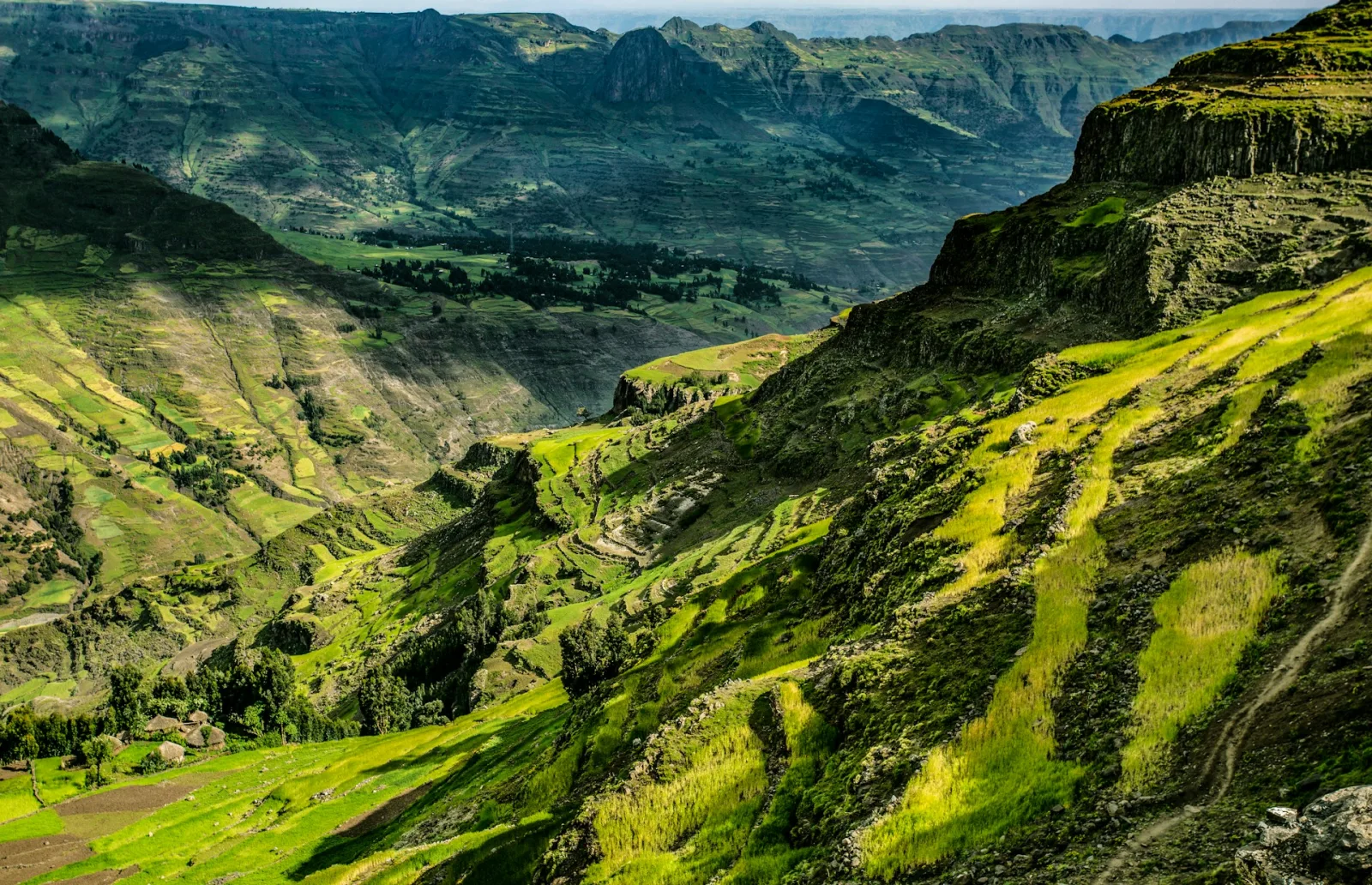
Sunlit Wahiba Sands dunes and a traditional Omani fort with Muscat skyline in background

Oman Travel Guide
for Indian Travelers

Visa, cost, itinerary & tips — your complete guide to planning a trip to Oman from India in 2026.

Updated for 2026 Travelers
Written by Neeta Parmar — Middle East Travel Specialist
Reviewed by Mariam Shah · Middle East Travel Reviewer
Last updated after reviewing:
  • Oman eVisa & visa-on-arrival processing updates for Indian passport holders (Jan 2026)
  • Muscat International Airport (MCT) terminal expansion & direct flight schedule
  • SalamAir & Air India direct route updates from Delhi/Mumbai to Muscat

Last updated: May 2026

Oman Trip Cost from India (Detailed Breakdown)
Realistic cost breakdown for flights, visa, hotels, food, and total budget for 2026

Cost Breakdown 2026

  • Return Flights: ₹25,000 – ₹45,000
  • Visa Fee: ₹1,100 – ₹6,000 (VOA or eVisa)
  • Hotels (per night): ₹3,000 – ₹9,000
  • Food (per day): ₹2,000 – ₹4,500
  • Local Transport / Tours: ₹4,000 – ₹8,000
  • Desert Camp / Dhow Cruise: ₹3,000 – ₹6,000
  • Travel Insurance: ₹800 – ₹2,000
  • Total (5–7 days): ₹70K – ₹1.2L per person

Oman offers a balanced Middle Eastern experience. Costs are significantly lower than Dubai or Abu Dhabi for comparable luxury, while cultural authenticity remains high. Car rental or guided tours form the largest budget component.

Best Departure Cities

  • Delhi (DEL) — Multiple daily direct flights via Air India, Oman Air, IndiGo
  • Mumbai (BOM) — High-frequency connections via SalamAir & Oman Air
  • Thiruvananthapuram (TRV) — Strong connectivity due to large expat population
  • Kochi (COK) — Regular direct & one-stop flights to Muscat
  • Hyderabad (HYD) — Good options via Middle Eastern hubs

Delhi and Mumbai offer the shortest flight times (3–4 hrs) and most competitive fares to Muscat International Airport (MCT).

Ready to plan your Oman trip? Let us handle flights, visa, desert camps, and guided tours.

View Oman Tour Packages →
Flight Routes from India to Oman
Flights from India to Muscat are short and well-connected. Here are the most popular routes and airlines.

Delhi to Muscat

  • Route 1: DEL → MCT (Air India direct)
  • Route 2: DEL → MCT (Oman Air direct)
  • Route 3: DEL → MCT (IndiGo direct)
  • Route 4: DEL → DXB → MCT (Emirates/Flydubai)
  • Duration: 3–3.5 hours direct
  • Price Range: ₹25,000 – ₹40,000

Mumbai to Muscat

  • Route 1: BOM → MCT (SalamAir direct)
  • Route 2: BOM → MCT (Oman Air direct)
  • Route 3: BOM → DOH → MCT (Qatar Airways)
  • Duration: 3–4 hours
  • Price Range: ₹22,000 – ₹38,000

Note: Muscat International Airport (MCT) is a modern hub with efficient immigration. Taxis and car rental desks are readily available outside arrivals. Check Middle East travel guides for more regional information.

Oman vs UAE Cost for Indian Travelers
How does Oman compare to Dubai & Abu Dhabi on cost? Here is a practical comparison for Indian travelers.
Expense Oman (6 days) UAE / Dubai (6 days)
Flights₹25K – ₹45K₹18K – ₹35K
Visa₹1K – ₹6K (VOA/eVisa)₹5K – ₹8K (tourist visa)
Hotels/night₹3K – ₹9K₹6K – ₹20K
Food/day₹2K – ₹4.5K₹3K – ₹8K
Activities/Tours₹7K – ₹14K₹15K – ₹30K
Total Trip₹70K – ₹1.2L₹1L – ₹1.8L
Flights
Oman₹25K – ₹45K
UAE₹18K – ₹35K
Visa
Oman₹1K – ₹6K
UAE₹5K – ₹8K
Hotels/night
Oman₹3K – ₹9K
UAE₹6K – ₹20K
Food/day
Oman₹2K – ₹4.5K
UAE₹3K – ₹8K
Total Trip
Oman₹70K – ₹1.2L
UAE₹1L – ₹1.8L

Oman offers better value for authentic cultural experiences, nature tourism, and mid-range hospitality. While UAE flights are slightly cheaper, on-ground expenses, attractions, and luxury hotels are significantly higher in Dubai.

Best Time to Visit Oman from India
Oman's climate is highly seasonal. The best time depends on whether you prefer desert exploration, coastal hiking, or winter hiking.
Month Oman Season Muscat Desert & Mountains Coast / Musandam India Travel Note
OctAutumn ✓✓Warm 28–35°C, pleasantExcellent, open trailsCalm seas, dhow tours idealPost-monsoon window, book early
NovEarly Winter ✓Mild 22–30°C, perfectPeak hiking seasonDolphin sightings frequentDiwali/Diwali holidays — high demand
DecWinter ✓Cool 18–26°C, crispDesert camps at night (10°C)Clear skies, snorkeling goodWinter break, premium pricing
JanPeak Winter ✓Cool 15–24°C, pleasantBest trekking & star gazingWindy, pleasant boat ridesRepublic day long weekend ideal
FebLate Winter ✓Warming 18–26°CWildflowers bloom, greenTurtle nesting beginsValentine/short getaway popular
MarSpring StartWarm 22–32°CHeat rising, early startsGood conditionsHoli period — book in advance
AprPre-SummerHot 28–38°CDesert heat intenseHumid, occasional rainSummer vacation planning month
MaySummerVery hot 35–45°CNot recommendedKhareef (monsoon) in SalalahSalalah monsoon escape from heat
JunPeak SummerExtreme heat 40°C+Closed/unsafeSalalah green season peaksSalalah focus, avoid northern Oman
JulSummer MonsoonHumid 40°C+Extreme conditionsHeavy rain in Dhofar (Salalah)Family vacations to Salalah
AugLate SummerHumid 38–45°CNot recommendedMonsoon ends late monthIndependence day short trips
SepMonsoon EndCooling 30–40°CTrails reopeningWeather stabilizingPost-summer budget window
6-Day Oman Itinerary for Indian Travelers
A perfect one-week Oman itinerary covering Muscat, Nizwa forts, Wahiba desert camp, and coastal highlights.

Day-by-Day Plan

  • Day 1: Arrive in Muscat — check-in, rest, evening Mutrah Souq stroll
  • Day 2: Sultan Qaboos Grand Mosque, Royal Opera House, Al Alam Palace, Corniche
  • Day 3: Drive to Nizwa — Nizwa Fort, goat market, Birkat al Mouz ruins, Jabrin Castle
  • Day 4: Travel to Wahiba Sands — 4x4 dune bashing, sunset photography, overnight desert camp
  • Day 5: Morning camel ride, head to Sur — Ras al Jinz Turtle Reserve, coastal drive
  • Day 6: Wadi Shab hike, swim, return to Muscat, evening departure or extension

Planning Notes

  • Car rental: Essential for flexibility. Book a 4x4 if planning desert/wadi access. Rent from Avis, Europcar, or local agencies at MCT
  • Budget option: Skip Musandam — Muscat + Nizwa + Wahiba is the most cost-effective 5-day route
  • Currency: Carry USD or use international debit/credit cards. OMR has high exchange value
  • Language: Arabic is official, but English is widely spoken in tourism, hotels, and signage
  • Connectivity: Omantel & Ooredoo eSIMs available at airport or order online before travel
  • Vegetarians: Indian restaurants widely available in Muscat. Desert camps offer set menus with limited customization
  • Book ahead: For Nov–Feb travel, book desert camps and hotels 3–5 months in advance

Want a hassle-free Oman trip? Our packages include flights, hotels, desert camps, and guided tours.

Book Oman Tour Package →
Oman Visa for Indians — Complete Guide & Travel Essentials
Essential information for Indian travelers — from visa rules and time zones to plug adapters and local driving tips.

Tip: Carry USD cash or international cards. ATMs dispense OMR at competitive rates. UPI is not accepted.

Oman Visa for Indians — 2026 Update

Update (Jan 2026): Indian passport holders are eligible for Visa on Arrival (10 days, extendable) at Muscat Airport or a pre-approved eVisa via the Royal Oman Police (ROP) portal. Both options are straightforward and widely used by Indian travelers.

  • Visa on Arrival (VOA): Available at MCT for 10 days. Fee: OMR 5 (~₹1,100). Extendable for another 10 days.
  • eVisa 10-day: ~OMR 5. Apply online 3–7 days before travel.
  • eVisa 30-day: ~OMR 20. Ideal for extended road trips.
  • Documents required: Valid passport (6+ months), confirmed return ticket, hotel booking, travel insurance.
  • Processing time: eVisa: 1–4 working days. VOA: Immediate at immigration counter.
  • Payment: Credit/debit card preferred. Some VOA counters accept cash OMR/USD.
CLICK TO KNOW MORE ABOUT VISA DOCUMENTATION & FEES

Time Zone

Oman follows Gulf Standard Time (GST), which is UTC+4 and 1.5 hours behind Indian Standard Time (IST). No daylight saving time is observed.

  • Oman Standard Time (GST): UTC+4
  • Oman is 1.5 hours behind IST
  • When it is 12:00 PM in Muscat, it is 1:30 PM in India
  • Business hours: 8 AM to 4 PM (government), 9 AM to 9 PM (private/malls)
  • Friday & Saturday are standard weekends in Oman
  • Mosque calls align with prayer times; businesses may close briefly
  • Malls operate until 11 PM; restaurants serve late dinners

Country Code

To call Oman from India, use +968 followed by the local 8-digit number.

  • International Dialing Code: +968
  • To call Oman from India: 00-968-XXXX-XXXX
  • Muscat area codes are not required for landlines; direct 8-digit dial
  • Emergency services: 9999 (Police), 9990 (Ambulance), 9992 (Fire)
  • Tourist police hotline: +968 2460 1300
  • Major telecom: Omantel & Ooredoo (prepaid tourist SIMs at airport)
  • Free Wi-Fi in malls, cafes, and 4-star+ hotels

Socket & Plugs

Oman uses Type G (UK 3-pin rectangular) outlets at 240V, 50Hz. Indian Type D plugs require a universal adapter.

  • Type G — 240V, 50Hz
  • Indian Type C/D plugs will not fit; carry universal adapter
  • Most modern electronics (100–240V) work fine with adapter
  • Hotels and airports provide adapters at front desks on request
  • Universal travel adapters available in Muscat electronics shops
  • Avoid cheap adapters for high-power devices like hair dryers

Indian Embassy in Oman

The Embassy of India in Muscat provides consular services and emergency assistance for Indian nationals.

  • Address: Al Mouj Street, Al Khuwair, Muscat
  • Contact: +968 2448 1100 / 2448 1111
  • Email: [email protected]
  • Emergency (24/7): +968 9826 6666
  • Working Hours: Sun–Thu, 8:00 AM – 1:00 PM (Consular)
  • Services: Passport renewal, emergency travel docs, worker assistance
  • Register on MADAD portal before travel

Oman Embassy in India

The Embassy of the Sultanate of Oman in New Delhi handles diplomatic and consular affairs for Indian travelers.

  • Address: C-20, Qutab Institutional Area, New Delhi 110016
  • Contact: +91-11-2652 0111
  • Email: [email protected]
  • Working Hours: Mon–Thu 9:00 AM – 3:00 PM (Consular)
  • Handles visa inquiries for diplomatic/official travel only
  • Tourist visas are processed online via ROP portal or on arrival

Car Driving Orientation

Right-Hand Drive (Same as India)

  • Oman drives on the right, same steering wheel position as India
  • Valid Indian driving license or International Driving Permit (IDP) accepted
  • Highways: 120 km/h, urban: 60–80 km/h, residential: 40 km/h
  • Seat belts mandatory; speeding cameras widespread
  • Fuel is inexpensive but rationed for non-residents occasionally
  • GPS works well; download offline maps for desert/wadi zones

App Based Taxi

Otaxi, Mwasalat, & Uber are Primary Options

  • Otaxi & Mwasalat apps offer reliable, metered rides in Muscat
  • Uber operates in Muscat & Salalah with transparent pricing
  • Airport to city center: 10–15 OMR via taxi/app
  • Intercity buses: Mwasalat runs modern coaches between cities
  • Traditional orange taxis available but negotiate fare in advance
  • Payment via cash (OMR) or app wallets/cards

Need help with Oman visa or desert tour bookings? Our travel desk assists with eVisa, flights, and custom itineraries.

Oman Visa & Tour Assistance →
Oman Culture, Language & Local Customs
Understand Omani Arabic, traditional etiquette, and cultural norms to travel respectfully.

Official Language

Arabic (Omani Dialect) — Official Language

  • English is widely spoken in tourism, business, and road signage
  • Omani Arabic has unique vocabulary and softer tone than Gulf Arabic
  • Malayalam, Urdu, Balochi, and Swahili spoken in expat communities
  • Learning basic greetings (Salam Alaikum, Shukran) is highly appreciated
  • Indian staff in hotels/restaurants often speak Hindi/Malayalam
  • Formal Arabic used in official documents; English accepted everywhere

Local Vocabulary

Understanding basic Omani phrases enhances cultural immersion and daily interactions.

  • Salam Alaikum / Wa Alaikum As-salam — Peace be upon you / And upon you peace
  • Shukran / Shukran Jazeelan — Thank you / Thank you very much
  • Ahlan — Welcome
  • Maa'a as-salama — Goodbye / Go safely
  • Bikheir? — How are you? (response: Alhamdulillah)
  • Yalla — Let’s go / Hurry up
  • Inshallah — God willing (used for future plans)
  • Kam? — How much? (price inquiry)
  • Khalas — Enough / Done / No more

Dress & Etiquette

Oman is conservative but welcoming. Modest dress shows respect for local culture.

  • Men & women should cover shoulders and knees in public
  • Beachwear/swimwear acceptable only at resorts/pools
  • Friday mosque visits require full coverage and shoe removal
  • Public displays of affection are discouraged
  • Photograph locals (especially women) only with explicit permission
  • Right hand used for eating & greeting; left hand considered unclean
  • Alcohol strictly prohibited in public; only served in licensed hotels

Interesting Facts

Oman blends ancient maritime trade routes with modern sustainable tourism practices.

  • Oman was historically the center of frankincense trade (Land of Frankincense)
  • The Sultanate abolished slavery in 1970 and rapidly modernized infrastructure
  • Oman has no income tax, making it a duty-free shopping haven
  • The Mutrah Souq is one of the oldest continuously operating markets in the Arab world
  • Omani silver jewelry and Khanjar (dagger) are national symbols on currency
  • Wadis are dry riverbeds that transform into natural swimming pools after rare rains
Oman Shopping & Souq Guide
From Mutrah Souq to modern malls — where to buy frankincense, silver, dates, and Omani halwa.

Shopping Hours

Traditional Souqs: 9:00 AM – 1:00 PM, 4:00 PM – 10:00 PM

  • Malls operate daily from 10:00 AM to 10:00 PM (Thu–Fri until midnight)
  • Friday closures: 11 AM–1 PM for Friday prayers; reopen 4 PM
  • Ramadan hours vary significantly; expect shorter operating windows
  • Bargaining expected in souqs, fixed prices in malls & supermarkets
  • Supermarkets (Lulu, Carrefour) open 8 AM–11 PM or 24/7 in cities

Traditional Souqs

Oman’s souqs offer authentic handicrafts, spices, silver, and textiles in centuries-old settings.

  • Mutrah Souq (Muscat): Oldest market, frankincense, silver jewelry, pashminas, spices
  • Nizwa Souq: Famous Friday goat market, traditional pottery, Omani daggers
  • Sinaw Souq (Rustaq): Authentic rural marketplace, agricultural goods, livestock
  • Salalah Haffa Souq: Coconuts, frankincense resin, Dhofari incense
  • Cash preferred; credit cards accepted in larger stalls

What to Buy

Oman offers unique souvenirs reflecting Bedouin, Persian, and Indian Ocean trade heritage.

  • Frankincense & Myrrh: Resin, essential oils, incense burners (Bukhoor)
  • Omani Silver: Handcrafted jewelry, Khanjar daggers, coffee pots (Dallah)
  • Omani Halwa: Saffron, cardamom, rose water sweet (Al Sabah & Al Rashid brands)
  • Dates & Date Molasses: Premium varieties (Khalas, Khudri, Fard)
  • Pashminas & Textiles: Woven shawls, traditional Omani Dishdasha fabrics
  • Perfumes (Attar): Oud, musk, sandalwood blends

Modern Malls

Modern retail centers offer international brands, food courts, and entertainment in climate-controlled environments.

  • Muscat Grand Mall: Largest mall in Oman, hypermarkets, cinema, dining
  • Markaz Al Bahja: Premium retail, waterfront views, family entertainment
  • Avenues Mall (Muscat): Luxury brands, dining, indoor ice rink
  • Salalah Gardens Mall: Dhofar’s main shopping hub, local & international brands
Oman Food & Cuisine Guide
Omani cuisine blends Arab, Persian, Indian, and East African influences. Expect aromatic spices, slow-cooked meats, and sweet treats.

Do: Try Shuwa, Majboos, fresh grilled hammour, and Omani halwa with kahwa (Arabic coffee).

Famous Cuisines

Omani food is rich in spices like saffron, cardamom, cinnamon, and turmeric, with strong Indian & Balochi influences.

  • Shuwa: Marinated lamb/mutton slow-cooked in underground pit for 24+ hrs
  • Majboos: Spiced rice dish with chicken/lamb, similar to biryani but distinct flavor
  • Qabuli Rice: Saffron-infused rice with meat, nuts, and raisins
  • Harees: Wheat & meat porridge, traditionally eaten during Ramadan
  • Halwa Omani: Gelatinous sweet made from rosewater, saffron, sugar, ghee
  • Kahwa: Traditional Arabic coffee flavored with cardamom & cloves
  • Grilled Hammour: Fresh local fish, simply spiced & char-grilled

Famous Fruits

Dates are Oman’s agricultural pride, but seasonal fruits also thrive in Dhofar and mountain wadis.

  • Dates (Khalas, Fard, Khudri, Barhi): Over 250 varieties, eaten fresh or dried
  • Pomegranates: Nizwa & Batinah regions produce sweet, ruby-red fruits
  • Mangoes: Dhofar & Al Batinah harvests (Jun–Aug), excellent for juice
  • Bananas & Papayas: Grown in Salalah terraces, widely available
  • Coconuts: Dhofar region (Salalah), used in curries & sweets
  • Watermelons: Winter crop, highly prized during hot months

National Dish — Shuwa

Shuwa is Oman’s culinary masterpiece — a labor-intensive, communal dish reserved for celebrations and weddings.

  • Meat (lamb/goat) marinated in Omani spice blend (Omani baharat)
  • Wrapped in banana/palm leaves & buried in sand oven (Tanour) for 24–48 hrs
  • Slow-cooking yields fall-off-the-bone tender meat with smoky flavor
  • Served with spiced rice, salads, and traditional yogurt sauces
  • Best experienced during Eid, weddings, or at traditional Omani restaurants
  • Vegetarian alternatives available in Muscat but Shuwa is deeply meat-centric

Avg Cost Of Food

Budget dining at Indian/Lebanese cafes: 3–5 OMR/day. Mid-range restaurants: 8–15 OMR/person. Fine dining: 20+ OMR.

  • Street Food / Shawarma: 1–2 OMR
  • Indian/Chinese Set Meal: 3–5 OMR
  • Omani Restaurant (Mixed Grill + Rice): 6–9 OMR
  • Coffee & Dates (Kahwa & Halwa): 2–4 OMR
  • Fresh Fruit Juice: 0.5–1 OMR
  • Bottled Water: 0.2 OMR

Tipping not mandatory but 10% appreciated in sit-down restaurants. Service charges often included.

Oman Weather & Packing Tips
Oman’s climate ranges from scorching desert heat to coastal humidity and mountain chill. Pack strategically.

Tip: Pack light cotton for Oct–Apr, but carry a light jacket for desert nights and AC-heavy malls.

Weather

Oman has distinct seasonal shifts impacting travel comfort and activity choices.

  • Oct–Apr (Winter/Spring): 18–32°C. Ideal for sightseeing, hiking, desert camps
  • May–Sep (Summer): 40–48°C. Extreme heat, high humidity, outdoor travel discouraged
  • Jun–Aug (Dhofar Monsoon): Salalah turns green, 20–30°C, heavy mist & rain
  • Muscat Coastal: Humid year-round; sea breeze moderates winter heat
  • Inland/Desert: Dry heat, massive day-night temperature drops
  • Mountain (Jebel Shams): Can drop to 5°C at night in winter

Clothes To Wear

Oman requires modest dressing. Lightweight, breathable fabrics work best.

Oct–Apr (Recommended Travel Months):

  • Light cotton shirts, trousers, maxi dresses, skirts below knee
  • Light jacket or sweater for desert nights & mall AC
  • Sun hat, sunglasses, SPF 50+ sunscreen (desert sun intense)
  • Comfortable closed-toe shoes for hiking/wadis; sandals for beaches
  • Swimwear only for private pools/resort beaches

May–Sep (If traveling to Salalah):

  • Waterproof jacket, quick-dry clothes, sturdy hiking boots
  • Light layers for misty mountain trails
Oman Heritage & Cultural Highlights
UNESCO sites, ancient forts, maritime legacy, and traditional dhow craftsmanship that define Oman's identity.

UNESCO World Heritage Sites

Oman has 5 UNESCO-listed sites reflecting ancient trade, defense, and maritime culture.

  • Bahla Fort (1987) — Mud-brick fortress & oasis settlement
  • Land of Frankincense (2000) — Wadi Dawkah, Khor Rori, Al-Baleed ruins (Salalah)
  • Aflaj Irrigation Systems (2006) — Ancient water management network
  • Archaeological Sites of Bat, Al-Khutm & Al-Ayn (1988) — 3rd millennium BCE tombs

National Symbols

Oman’s national symbols reflect maritime heritage, desert survival, and Islamic identity.

  • National Animal: Arabian Oryx (symbol of grace & resilience)
  • National Flower: Al Ghaf tree & frankincense resin
  • National Instrument: Oud & traditional frame drums
  • National Sport: Camel racing & traditional sword dancing (Barza)
  • National Drink: Qahwa (Arabic coffee with cardamom)
  • National Dish: Shuwa (slow-rooked lamb)
  • National Emblem: Khanjar (curved dagger) on crossed swords

Films & Documentaries

Oman’s landscapes have hosted historical epics, nature documentaries, and cultural films.

  • The Star (2018) — Nativity story filmed in Omani desert landscapes
  • Lawrence of Arabia (1962) — Desert scenes inspired Omana Wadi Rum visuals
  • National Geographic & BBC Earth — Frequently feature Jebel Shams, Wahiba Sands
  • Sultan Qaboos Cultural Documentaries — Preservation of forts, wadis, dhow building

Cultural Festivals

Oman hosts seasonal festivals celebrating heritage, arts, and maritime traditions.

  • Muscat Festival (Jan–Feb) — Parades, fireworks, souq, cultural performances
  • Salalah Tourism Festival (Jul–Aug) — Monsoon celebrations, traditional music
  • Royal Opera House Season (Oct–Apr) — International & Arabic classical performances
  • Dhofar Festival — Camel races, poetry, traditional crafts

Souvenirs & Gifts

Best places to shop: Mutrah Souq, Al Mouj Galleria, Nizwa Souq, airport duty-free.

  • Frankincense & Essential Oils — Authentic, high-grade resin
  • Omani Halwa — Premium tins from traditional makers
  • Silver Jewelry — Handcrafted rings, necklaces, dagger sets
  • Pashmina Shawls — Fine wool, intricate embroidery
  • Dates & Date Syrup — Gift boxes available at all major markets
Notable Highlights for Indian Travelers
From ancient frankincense trade routes to modern eco-tourism, discover Oman’s unique offerings.

Famous Explorers & Figures

  • Sir Wilfred Thesiger — British explorer who mapped Wahiba Sands & Empty Quarter
  • Marco Polo — Visited Omani ports during Silk Road maritime trade era
  • Ahmed bin Majid — Legendary Omani navigator & poet (15th century)
  • Sultan Qaboos bin Said (1940–2020) — Modernized Oman, transformed from isolation to global tourism
  • Haitham bin Tariq — Current Sultan, advancing sustainable tourism & heritage preservation

Maritime & Desert Innovation

Oman’s geography shaped remarkable cultural adaptations in navigation, irrigation, and desert survival.

  • Dhow Shipbuilding — Wooden vessels without nails, using coconut coir rope
  • Aflaj Irrigation — Gravity-fed underground water channels dating to 500 BCE
  • Frankincense Trade Network — Connected Oman to Rome, India, & China
  • Wadi Tourism — Sustainable trekking & pool conservation in arid zones

National Dish — Shuwa

  • Shuwa represents Omani hospitality & communal celebration
  • Preparation begins days before Eid or weddings
  • Spice paste includes: black pepper, cumin, cardamom, cinnamon, cloves
  • Buried in sand oven lined with palm fronds for slow smoke-roasting
  • Unwrapping ceremony involves community gathering & traditional singing
  • Served with saffron rice, Omani salad (tomato, cucumber, lemon, herbs)
  • Best experienced at authentic Omani homes or heritage restaurants in Nizwa

Is Oman expensive for Indians? A 5–7 day trip costs ₹70K–₹1.2L per person including flights, visa, hotels, and desert tours.

Do Indians need a visa? Yes. Visa on Arrival (OMR 5) or pre-approved eVisa available. Both are straightforward for Indian passport holders.

Flight duration? Direct flights from Delhi/Mumbai to Muscat take 3–4 hours.

Is Oman safe for Indian tourists? Extremely safe. Low crime, high hospitality, modern infrastructure, tourist-friendly police.

Currency? Omani Rial (OMR). Carry USD or use international cards. UPI not available.

Frequently Asked Questions — Oman Travel for Indians
Quick, honest answers to the most common Oman travel questions from Indian travellers
1Do Indians need a visa for Oman?
Yes. Indian citizens require a visa. You can obtain a Visa on Arrival (10 days, extendable) at Muscat Airport for OMR 5 (~₹1,100) or apply online for a pre-approved eVisa (10/30/90 days) via the Royal Oman Police portal. Ensure passport validity is 6+ months and carry return tickets & hotel bookings.
2Is Oman expensive for Indian tourists?
Moderately priced. A 5–7 day trip costs ₹70,000–₹1,20,000 per person. Flights are affordable (₹25K–₹45K), hotels range ₹3K–₹9K/night, and desert tours/dhow cruises add ₹4K–₹8K. It offers better value than UAE for authentic cultural & nature experiences.
3How long is the flight from India to Oman?
Direct flights from Delhi, Mumbai, Kochi, or Trivandrum to Muscat take 3–4 hours. Oman Air, Air India, SalamAir, and IndiGo operate daily non-stop routes with competitive pricing.
4What is the best time to visit Oman from India?
October to April is ideal. Temperatures range 18–32°C, perfect for desert camps, wadi hikes, and city exploration. Summer (May–Sep) exceeds 40°C, making outdoor travel uncomfortable except in Salalah’s monsoon zone.
5Is Oman safe for Indian tourists?
Extremely safe. Oman ranks among the top safest countries globally. Crime is minimal, locals are highly hospitable, roads are well-maintained, and tourist police assist promptly. Indian families and solo travelers report excellent safety experiences.
6Can I use Indian Rupee or UPI in Oman?
No. The official currency is Omani Rial (OMR). UPI is not accepted. INR can be exchanged at airports or banks, but carrying USD or using Visa/Mastercard is highly recommended for better rates and wider acceptance.
7What plug type is used in Oman?
Oman uses Type G (UK 3-pin rectangular) outlets at 240V, 50Hz. Indian plugs require a universal travel adapter. Most 4–5 star hotels provide adapters at the front desk upon request.
8Can vegetarian Indians find food in Oman?
Yes, easily. Muscat has numerous Indian, Lebanese, and vegetarian restaurants. South Indian, Gujarati, and Punjabi cuisines are widely available. Desert camps and remote wadis have limited options, so inform operators in advance.
9What is the Oman tourist visa fee for Indians?
Visa on Arrival costs OMR 5 (~₹1,100) for 10 days (extendable). eVisa 10-day is ~OMR 5, 30-day is ~OMR 20, and multiple-entry 30-day is ~OMR 50. Fees are subject to ROP updates and paid online or at airport counters.
10What is the national dish of Oman?
Shuwa — marinated lamb or goat slow-rooked in an underground sand oven for 24–48 hours. It is a communal dish reserved for Eid, weddings, and major celebrations, known for its smoky, spice-rich flavor.
11What is the time difference between India and Oman?
Oman is 1.5 hours behind IST. Oman Standard Time is UTC+4. When it is 12:00 PM in Muscat, it is 1:30 PM in India. Flight schedules align closely with Indian departure windows.
12Is alcohol legal in Oman?
Yes, but strictly regulated. Alcohol is only available in licensed hotels, resorts, and designated restaurants. Public consumption, drunken behavior, and importing alcohol without a permit are illegal and heavily penalized.
13Do I need a 4x4 to explore Oman?
A 4x4 is highly recommended for desert (Wahiba Sands), wadis, and mountain roads (Jebel Shams). City driving and coastal highways work fine with standard sedans. Rent 4x4s from reputable agencies with insurance.
14Can Indian tourists swim in wadis?
Yes. Wadi Shab, Bani Khalid, and Tanuf are popular for swimming. Water is cold but refreshing. Avoid swimming after heavy rains (flash flood risk). Wear water shoes, follow signage, and never dive into shallow pools.
15Does Destination To Plan offer group tour packages to Oman?
Yes. We offer curated group & family Oman packages covering flights, 4-star hotels, guided desert safaris, wadi treks, Musandam dhow cruises, visa assistance, and airport transfers. Visit our Oman tour packages page for itineraries & quotes.
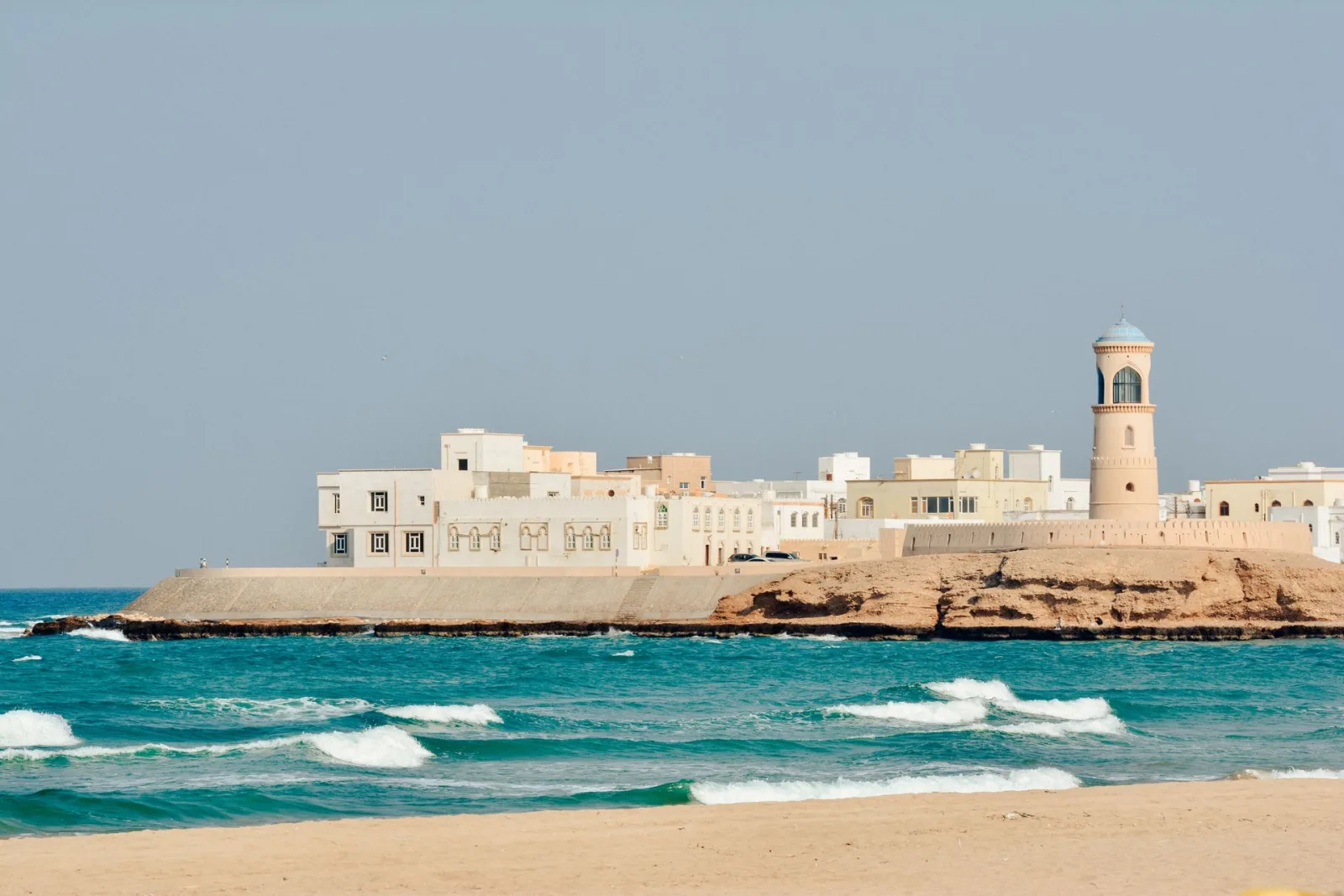
Have more questions? Our Oman travel experts can help plan your perfect desert & coastal getaway.

Talk to an Oman Travel Expert →

Note: Information provided is subject to change. Verify visa requirements, exchange rates, opening hours, and travel advisories before your trip. Prices are approximate and may vary based on season, booking window, and oil market fluctuations. Oman maintains stable pricing but always confirm with official ROP tourism portals.

About This Oman Travel Guide

This Oman travel guide covers everything Indian travelers need from visa rules and Muscat travel tips to desert safaris, local food, weather, shopping, and top attractions. Researched, regularly updated, and trusted by group tour planners and independent travelers.

Expert Curated Content

Every section — from Oman eVisa processing to desert camp safety — is verified by travel professionals with Middle East expertise.

Regularly Updated Information

Oman travel costs, ROP eVisa rules, flight schedules, and embassy details are reviewed quarterly to reflect 2026 conditions.

Trusted by Indian Travelers

Used by group tour organizers, family vacation planners, and independent travelers from India researching Oman itineraries, desert camps, and Musandam cruises.

Complete Oman Resource

One guide covering visa, cost, flights, itinerary, food, culture, weather, souqs, and heritage — all with India-specific context and 2026 accuracy.

More Travel Guides

Explore Other Destinations

Plan Your Oman Trip from India

Fill out the enquiry form below and our travel experts will help you plan your Oman tour — visa, flights, hotels, and desert safaris.

Get assistance with eVisa, Muscat hotels, Wahiba Sands camps, Musandam dhow cruises, and complete Oman packages.

Enquire About This Package