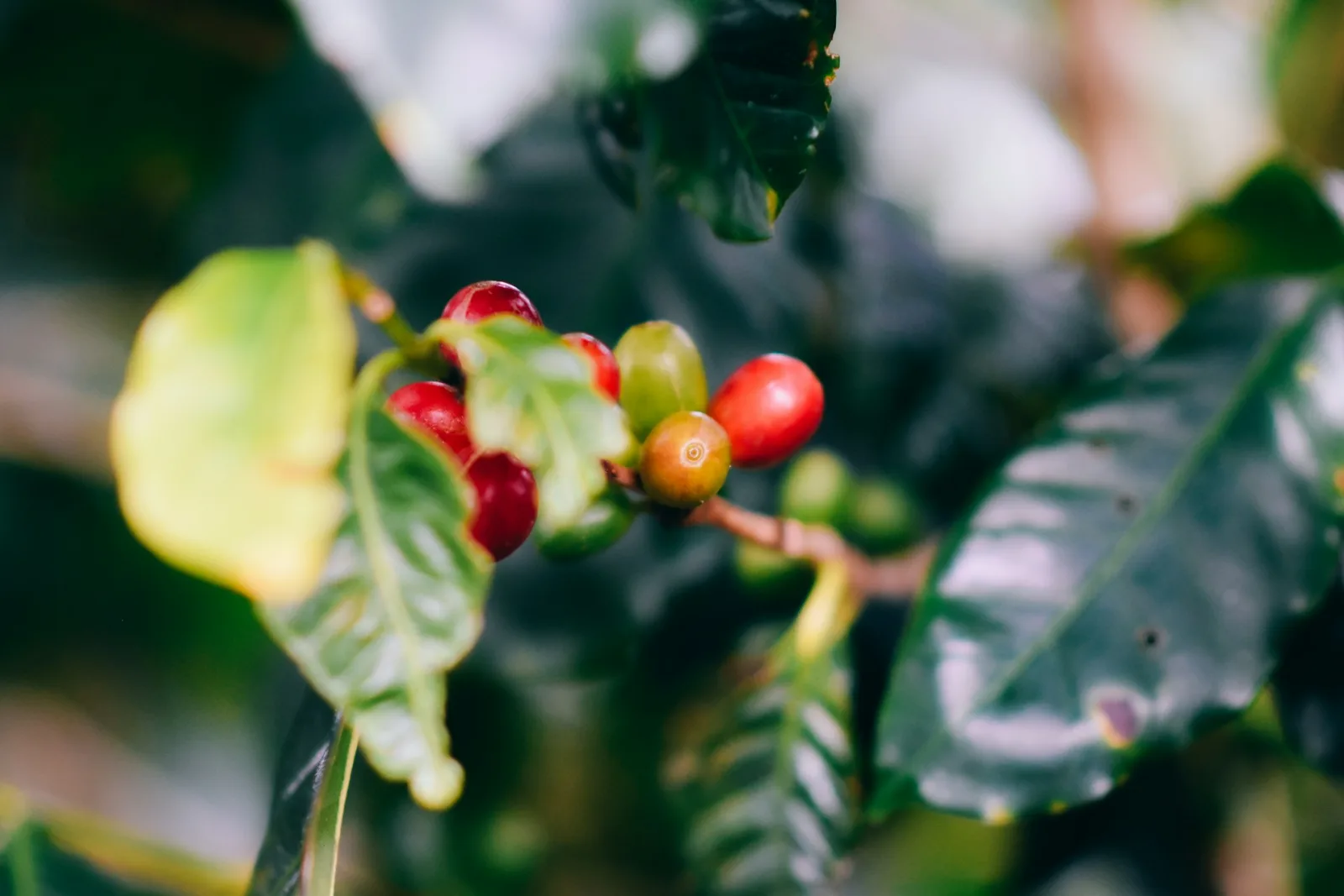
Close-up of ripe red coffee cherries being hand-picked on a lush green Costa Rican finca

Costa Rica Coffee Tour Guide
Bean-to-Cup Experiences 2026

Discover the world's finest Arabica. Explore the best coffee regions, traditional fincas, and tasting experiences for Indian travelers.

Updated for 2026 Travelers
Written by Sunita Lal — North America Travel Specialist
Reviewed by Anita Pattigili · North America Travel Reviewer
Last updated after reviewing:
  • 2026 updated operating hours and booking requirements for top coffee fincas in Monteverde and the Central Valley
  • Current pricing for bean-to-cup coffee tours and tasting sessions for international tourists
  • Latest export regulations for bringing roasted Costa Rican coffee beans back to India

Last updated: April 2026

Why Costa Rican Coffee is World-Renowned
Costa Rica is one of the few countries that grows exclusively 100% Arabica beans, known for their bright acidity and complex flavor profiles.

Local Insight: Unlike many mass-producers, Costa Rican coffee is often grown under the shade of native trees, preserving the rainforest canopy and biodiversity. For Indian travelers who appreciate a strong, flavorful cup of coffee (especially those from South India), Costa Rica's high-altitude beans offer a completely different, premium tasting experience. For a complete overview of how coffee fits into your culinary journey, check our Costa Rica Food Guide.

The "Golden Bean" Standard

  • 100% Arabica: By law, Costa Rica only grows Arabica beans, which are smoother and more aromatic than Robusta.
  • Volcanic Soil: The rich, mineral-dense soil from the country's active volcanoes gives the coffee its distinct terroir.
  • High Altitude: Grown between 1,200 and 1,700 meters, the cool nights slow the cherry ripening, developing complex sugars.
  • Sustainability: Most farms are certified by the CST (Certification for Sustainable Tourism) for eco-friendly practices.

Harvest Season

The coffee harvest season (la zafra) runs from November to March. This aligns perfectly with the peak dry season and the best time for Indian tourists to visit.

During these months, you can witness the entire process from picking the ripe red cherries to the final roast. If you visit during the green season (May-Oct), tours still operate but focus on the maintenance and flowering stages of the plant. Check our Best Time to Visit guide for more seasonal details.

Top Coffee Regions in Costa Rica
Each region produces a unique flavor profile based on its altitude, microclimate, and soil composition.

Tarrazú

The most famous coffee region in the country, often compared to premium wine regions.

  • Flavor Profile: Bright acidity, full body, with notes of chocolate, citrus, and honey.
  • Altitude: 1,200 – 1,700 meters.
  • Best For: Connoisseurs looking for the absolute highest quality beans.

Central Valley (West Valley)

Located near San José, this is the most accessible region for tourists with limited time.

  • Flavor Profile: Balanced, mild acidity, with notes of caramel, apple, and brown sugar.
  • Altitude: 800 – 1,600 meters.
  • Best For: First-time visitors wanting to visit large, historic estates like Doka or Britt.

Monteverde & Arenal

High-altitude cloud forest coffee, often grown organically under the dense canopy.

  • Flavor Profile: Complex, floral, with bright berry notes and a smooth finish.
  • Altitude: 1,400 – 1,800 meters.
  • Best For: Travelers already visiting the Monteverde Cloud Forest or Arenal Volcano who want a boutique, eco-focused tour.
What to Expect on a Bean-to-Cup Tour
A traditional Costa Rican coffee tour is a highly interactive, 2-to-3-hour cultural and culinary journey.

The Process

  • Plantation Walk: Learn about the Arabica plant, the volcanic soil, and the shade-grown cultivation methods.
  • Harvesting: See how only the ripest, reddest cherries are hand-picked. (During harvest season, you can try picking them yourself!)
  • Processing: Observe the traditional and modern methods of washing, sun-drying, and roasting the beans.
  • Transport: Many tours demonstrate the use of a traditional ox-cart (carreta) for moving the harvest.

Tasting & Pairings

  • Cupping: Learn how to professionally smell and slurp coffee to identify flavor notes like citrus, chocolate, or floral hints.
  • Chocolate: Most tours include a demonstration of traditional cacao processing and tastings of artisanal, bean-to-bar chocolate.
  • Sugar Cane: You will see how "tapa de dulce" (unrefined cane sugar) is made and taste it in hot water or tea.
  • Cost: Typically ₹3,000 – ₹4,500 per person, including unlimited tastings and a gift shop discount.
Top Recommended Coffee Tours for Indian Travelers
Based on accessibility, quality of the experience, and proximity to major tourist hubs.

Doka Estate (Central Valley)

Located just 20 minutes from San José, this is the most accessible and historic tour for travelers with a layover or a single day in the capital.

  • Highlight: Massive, well-organized estate with a beautiful orchid garden and traditional ox-cart demonstrations.
  • Best For: Families and travelers short on time.

Café Monteverde (Monteverde)

A charming, family-run farm located right in the heart of the cloud forest. Offers a more intimate, boutique experience.

  • Highlight: The coffee is grown entirely under the shade of native forest trees, and the tasting room offers stunning valley views.
  • Best For: Nature lovers and those already exploring the Monteverde Cloud Forest.

Three Rivers (Arenal)

Located near La Fortuna, this tour is unique because it covers the "holy trinity" of Costa Rican crops: coffee, cacao, and sugar cane.

  • Highlight: You get to grind your own coffee, make your own chocolate, and learn about traditional medicine plants.
  • Best For: Interactive, hands-on experiences for families and curious travelers.

Want to see how a coffee tour fits into your overall budget? Check our detailed Costa Rica Trip Cost from India guide.

Tips for Indian Travelers: Buying & Tasting
How to make the most of your coffee tour and bring the best beans back home.

Buying Coffee to Take Home

  • Whole Beans vs. Ground: Always buy whole beans if possible. They retain their flavor much longer during the flight back to India.
  • Packaging: Ensure the bags are commercially sealed with a one-way valve. This is required for airline security and Indian customs.
  • Where to Buy: You can buy excellent beans directly at the farm, at the Mercado Central in San José, or at any major supermarket.
  • Brands to Look For: Café Britt, Tarrazú, Volio, or the farm's own private label.

Tasting Notes for Indian Palates

Costa Rican coffee is generally lighter, brighter, and more acidic than the strong, dark roasts often preferred in South India.

  • Don't add milk/sugar first: During the tour's cupping session, taste it black first to appreciate the natural flavor notes.
  • Ask for a "Dark Roast": If you prefer a stronger, bolder cup similar to Indian filter coffee, ask the guide if they have a darker roast available for tasting.
  • Pair with Chocolate: The natural chocolate notes in Costa Rican beans pair beautifully with the artisanal chocolate served on the tour.
Frequently Asked Questions — Costa Rica Coffee Tours
Quick answers to the most common questions about coffee experiences from Indian travelers.
1How much does a coffee tour cost in Costa Rica?
A standard coffee farm tour in Costa Rica typically costs between $30 and $50 USD (approx. ₹2,500–₹4,500) per person. This usually includes a 2-hour guided walkthrough, unlimited coffee tasting, and samples of local chocolate and sugar cane.
2Which is the best coffee region to visit in Costa Rica?
The Central Valley (near San José) is home to the most famous and accessible estates like Doka and Britt. However, for a high-altitude, organic, shade-grown experience, the cloud forests of Monteverde offer exceptional boutique coffee tours.
3Can I buy Costa Rican coffee to bring back to India?
Yes, absolutely. You can buy freshly roasted beans directly at the farm or at the Mercado Central in San José. Ensure the coffee is commercially packaged and sealed in its original bag to comply with Indian customs and airline security regulations.
4Do coffee tours in Costa Rica include food?
Most standard coffee tours do not include a full meal, but they always include complimentary tastings of freshly brewed coffee, artisanal chocolate, and traditional cane sugar sweets. Some premium tours offer a full farm-to-table lunch paired with coffee.
5Is Monteverde or Arenal better for a coffee tour?
Monteverde is famous for its high-altitude, organic cloud forest coffee. However, if you are based in Arenal (La Fortuna), the "Three Rivers" coffee tour is highly recommended as it combines coffee, cacao, and sugar cane cultivation in a beautiful natural setting.

Note: Tour prices and operating hours are subject to seasonal changes. Always book your coffee tour in advance during the peak dry season (December–April). When exporting agricultural products, ensure they comply with Indian customs regulations and are commercially packaged.

Plan Your Costa Rica Eco-Adventure

Fill out the enquiry form below and our travel experts will help you plan your Costa Rica eco-adventure — visa, flights, eco-lodges, and guided wildlife tours.

Get a customized itinerary that includes the best coffee farm tours, authentic local dining experiences, and stays in top eco-lodges.

Enquire About This Package