Caribbean hurricane season peak risk assessment and Viazul bus suspension protocols for 2025-2026
Indian travel insurance policy exclusions regarding "acts of God" and tropical storm cancellations
Hotel and casa particular refund policies during official Cuban meteorological alerts
Fact-checked April 2026
Last updated: April 2026
Understanding the Caribbean Hurricane Season
The official Atlantic hurricane season runs from June 1 to November 30. For Indian travelers looking for budget deals during the monsoon months, understanding the real risks is critical. For a complete destination overview, refer to our comprehensive Cuba Travel Guide.
The Timeline
June & November: Low to moderate risk. Mostly heavy afternoon showers.
July & August: Moderate risk. Tropical depressions can form, causing multi-day rain.
September & October:PEAK RISK. The highest statistical probability of hurricanes and severe tropical storms.
Direct hits from Category 3+ hurricanes are relatively rare. However, the peripheral effects of tropical storms are common and disruptive.
Expect 2-3 days of continuous heavy rain during a tropical storm.
Beach destinations like Varadero can experience severe erosion and rough, unsafe seas.
The primary threat to tourists is not the wind, but the logistical disruption to transport and tours.
Transport & Logistical Disruptions
How severe weather impacts your itinerary and what to expect on the ground.
What Gets Cancelled?
Viazul Buses: The official tourist bus network will suspend routes if roads are flooded or visibility is poor. This can strand you in a city for 24-48 hours.
Private Transfers: Alfonsinos (private drivers) may refuse to drive long distances (e.g., Havana to Viñales) during heavy downpours due to safety concerns.
Outdoor Tours: Tobacco farm visits in Viñales, cave explorations, and catamaran trips in Varadero are immediately cancelled during storm alerts.
Wi-Fi & Power: Tropical storms can knock out local power grids, meaning your ETECSA Wi-Fi and AC in your casa particular may be unavailable for days. For survival tips, see our Cuba Travel Tips guide.
Mandatory Travel Insurance Clauses for Indians
Do not book a Cuba trip between June and November without verifying your insurance policy.
The "Act of God" Clause
Many standard Indian travel insurance policies (from providers like HDFC Ergo, ICICI Lombard, or Bajaj Allianz) classify hurricanes as "Acts of God" or "Natural Disasters."
Check for Exclusions: Read the fine print. If your policy excludes "weather-related trip cancellations," you will not be reimbursed for missed flights or unused hotel nights.
Medical Evacuation: Ensure your policy covers emergency medical evacuation. If a storm damages a local clinic, you may need to be airlifted to a major hospital in Havana or even Mexico.
Trip Interruption: Look for coverage that reimburses you if you are forced to cut your trip short due to a mandatory government evacuation order.
Financial Protection
Cuba's cash-only economy makes weather disruptions financially painful.
Non-Refundable Casas: Many casa particulares require a cash deposit. If a storm forces you to stay an extra night, or prevents you from arriving, getting a refund is extremely difficult.
Flight Changes: Airlines like Air France or KLM may waive change fees during a declared hurricane, but you will still pay the fare difference for a new flight.
How to stay safe and comfortable if a tropical storm hits during your stay.
The Storm Kit
If you are traveling between June and November, pack these essentials in your carry-on:
Waterproof Dry Bags: To protect your passport, cash (USD/EUR), and electronics from sudden flooding.
High-Quality Rain Gear: A durable poncho or lightweight rain jacket. Cheap plastic ponchos tear in high winds.
Power Bank: A high-capacity power bank (20,000mAh+) is crucial when local power grids fail.
Water Purification Tablets: If the local water supply is compromised by flooding, these are a lifesaver.
Basic First Aid: Including antiseptics and bandages, as pharmacies may be closed or inaccessible.
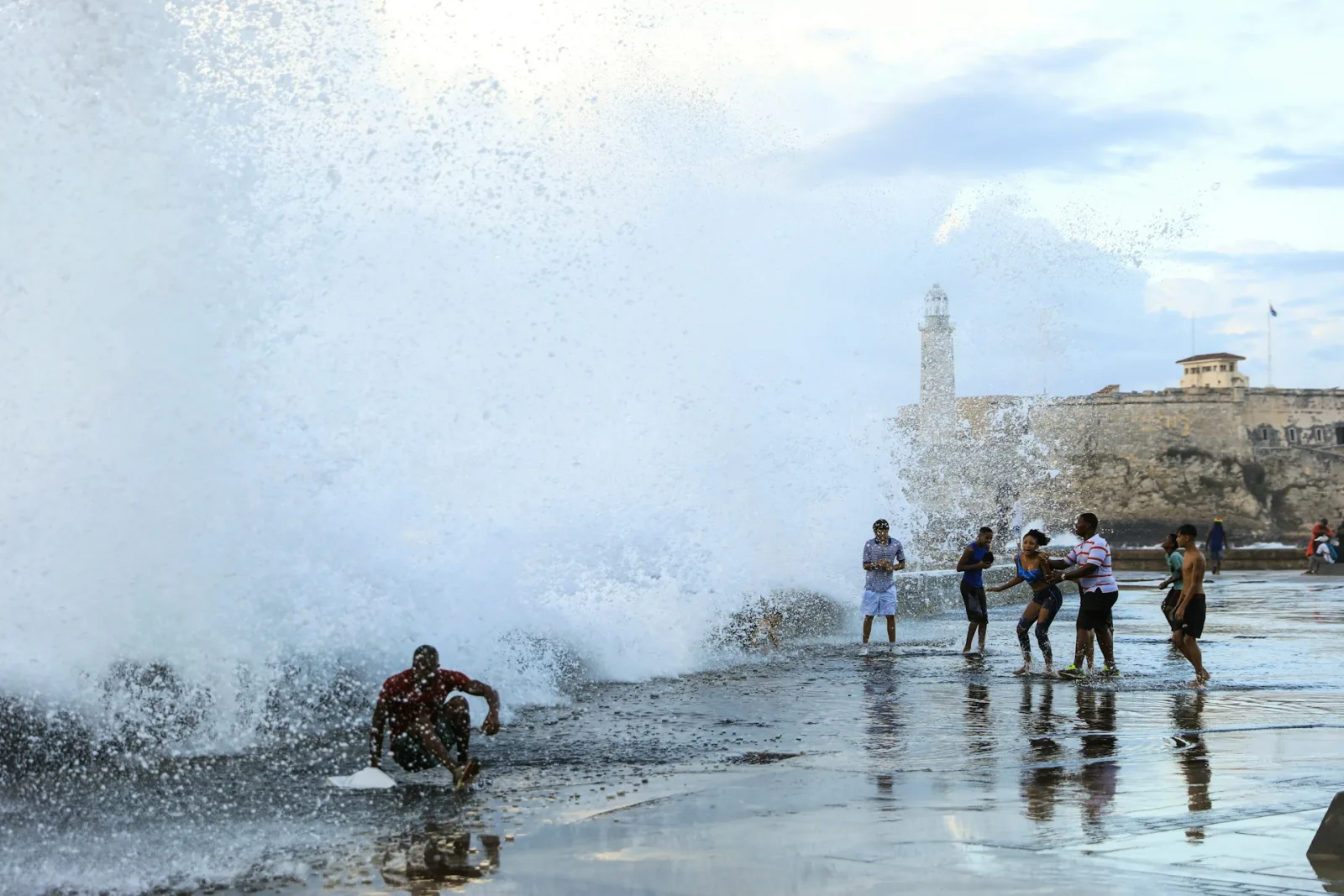
⚠️ Crucial Safety Rule: If local authorities issue a hurricane warning, stay indoors, away from windows, and follow the instructions of your casa particular host. Do not attempt to travel between cities or visit the Malecón during a storm surge. For more safety details, see our Cuba Safety Guide.
Want to travel with peace of mind? Our experts can help you plan a flexible Cuba itinerary with weather-proof routing.
Frequently Asked Questions — Cuba Hurricane Advisory
Quick, honest answers to weather and safety questions from Indian travellers.
1When is the hurricane season in Cuba?
The official Caribbean hurricane season runs from June 1 to November 30. However, the peak risk period for Cuba is from mid-August through October, with September being the most statistically active month for tropical storms and hurricanes.
2Is it safe to visit Cuba during hurricane season?
Generally, yes. Direct hits from major hurricanes are relatively rare. However, the peripheral effects of tropical storms can cause heavy rainfall, localized flooding, and significant disruptions to transport. Travelers must be prepared for itinerary changes and purchase comprehensive travel insurance.
3Does Indian travel insurance cover hurricane cancellations in Cuba?
Not automatically. You must explicitly check your policy for "trip cancellation or interruption due to natural disasters" or "acts of God." Many standard Indian travel insurance policies exclude weather-related disruptions unless you purchase a specific "cancel for any reason" (CFAR) or natural disaster add-on.
4What happens to Viazul buses during a tropical storm?
The Viazul tourist bus network frequently suspends or delays routes during heavy rainfall or official meteorological alerts. Roads in rural areas like Viñales can become muddy and impassable. Always maintain a flexible schedule and keep your casa particular host informed of your travel plans.
5Should I avoid traveling to Cuba in September?
We strongly advise against booking trips to Cuba in September and early October unless you have highly flexible bookings and comprehensive insurance. This is the absolute peak of the Atlantic hurricane season, and the risk of severe travel disruption is at its highest.
Note: Weather patterns and meteorological data are subject to change. The information provided is based on historical averages and current climate advisories. Always monitor the Cuban Institute of Meteorology (INSMET) and your airline's updates closer to your departure date if traveling during the wet season.
About This Cuba Hurricane Advisory
This advisory provides Indian travelers with critical, verified safety and insurance insights for navigating Cuba's wet season. Researched using meteorological data and on-ground logistical realities.
Expert Verified
Every insurance clause and safety protocol is cross-checked with recent traveler experiences and official Caribbean meteorological guidelines.
Regularly Updated
Hurricane risk assessments, insurance policy trends, and transport suspension protocols are reviewed quarterly to reflect current climate realities.
Plan a Weather-Proof Cuba Trip
Fill out the enquiry form below and our travel experts will help you plan a customized Cuba itinerary with flexible routing and verified insurance guidance.
Get assistance with flexible casa particular reservations, private transfer backups, airport transfers, and complete Cuba packages.