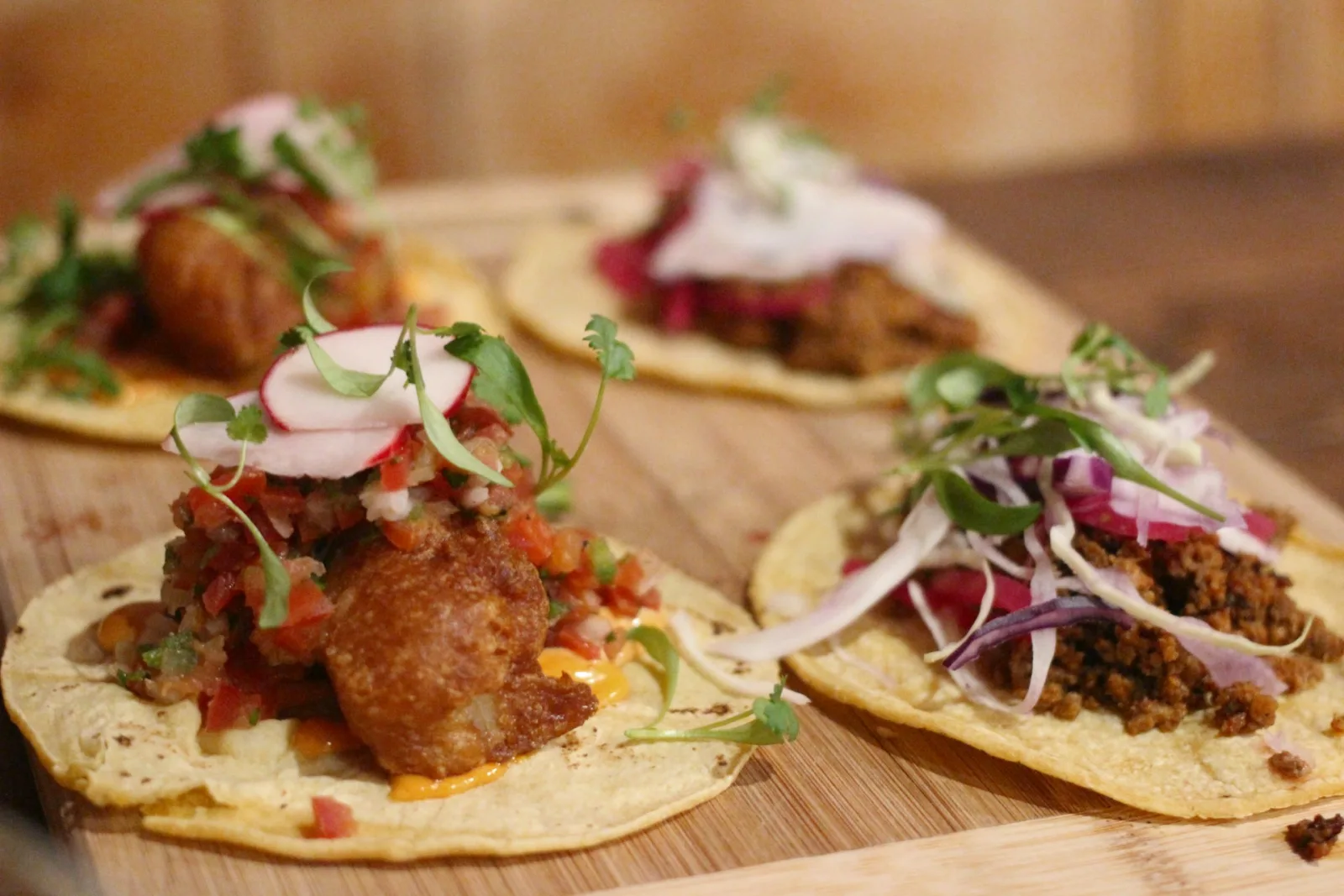
Delicious authentic street tacos al pastor with pineapple and cilantro in Mexico

Mexico Food & Cuisine Guide
Street Food, Mole & Vegetarian Options

A practical guide to eating your way through Mexico, tailored for Indian palates and dietary needs.

Written by Sunita Lal — North America Travel Specialist
Reviewed by Anita Pattigili · North America Travel Reviewer
Last updated after reviewing:
  • Street food hygiene standards and "Deliciosa" certification updates in Mexico City and Oaxaca (2025-2026)
  • Vegan and vegetarian restaurant expansion in Roma/Condesa and downtown Cancun
  • Mezcal denomination of origin regulations and new tasting room protocols in Oaxaca
The Soul of Mexican Cuisine
Recognized by UNESCO as an Intangible Cultural Heritage, Mexican food is a complex blend of indigenous Mesoamerican and European influences.

More Than Just Tacos

While tacos are the most famous export, Mexican cuisine is deeply regional and relies on three foundational staples: corn, beans, and chili peppers. The preparation techniques—like nixtamalization (soaking corn in alkaline solutions)—date back thousands of years to the Maya and Aztec civilizations.

  • Flavor Profile: Complex, earthy, acidic, and smoky. Heat is used for depth, not just to burn your tongue.
  • Key Ingredients: Corn tortillas, various chili peppers (Ancho, Pasilla, Habanero), tomatoes, tomatillos, avocado, and cacao.
  • Dining Culture: Lunch (comida) is the main meal of the day, typically eaten between 2 PM and 4 PM. Dinner (cena) is lighter and eaten late.

For a detailed breakdown of how much you should budget for these culinary experiences, check our Mexico Trip Cost from India guide.


Mastering Mexican Street Food
The best meals in Mexico aren't found in restaurants; they are found on the sidewalks. Here is what you must try.

The Street Food Essentials

  • Tacos al Pastor: The undisputed king of Mexico City street food. Marinated pork roasted on a vertical spit, sliced thin, and topped with pineapple, onion, and cilantro.
  • Elotes & Esquites: Grilled corn on the cob (elote) or corn kernels in a cup (esquites), slathered in mayo, cotija cheese, chili powder, and lime.
  • Tamales: Corn dough (masa) stuffed with meats or cheeses, wrapped in a corn husk, and steamed. A classic breakfast or dinner item.
  • Quesadillas: Thick, hand-pressed corn tortillas filled with Oaxacan string cheese (quesillo) and your choice of fillings like squash blossoms (flor de calabaza) or mushrooms.
  • Tlayudas: Often called "Oaxacan pizza." A massive, crispy tortilla topped with bean paste, cheese, avocado, and meat (or veggies).
Regional Specialties You Must Try
Mexico's cuisine changes drastically from state to state. These are the heavyweights of regional gastronomy.

Oaxaca: The Land of Seven Moles

Oaxaca is the culinary capital of Mexico. Its most famous contribution is Mole, a incredibly complex sauce that can contain over 30 ingredients, including multiple types of chilies, nuts, spices, and dark chocolate.

  • Mole Negro: The most complex, featuring charred chilies and chocolate. Deep, rich, and slightly sweet.
  • Mole Rojo: A reddish, slightly spicier sauce often served over chicken.
  • Chapulines: Toasted grasshoppers seasoned with lime, salt, and chili. A crunchy, protein-rich Oaxacan delicacy.

Planning a culinary trip? Our Oaxaca City Guide covers the best markets and mezcal distilleries to visit.

Yucatan: Mayan Flavors

The Yucatan peninsula (Merida, Cancun, Tulum) features distinct Mayan influences, utilizing sour oranges, achiote (annatto seed), and underground pit ovens (pib).

  • Cochinita Pibil: Pork marinated in achiote and sour orange juice, wrapped in banana leaves, and slow-roasted in an underground pit. Served with pickled red onions.
  • Panuchos & Salbutes: Fried tortillas stuffed with black beans and topped with shredded turkey or chicken, avocado, and pickled onions.
  • Sopa de Lima: A comforting, citrusy lime soup with shredded chicken and crispy tortilla strips.
The Vegetarian Guide to Mexico
Mexico is surprisingly vegetarian-friendly, but Indian travelers need to watch out for hidden non-veg ingredients.

Safe Bets & Hidden Traps

You will never go hungry as a vegetarian in Mexico. The abundance of fresh produce, beans, and cheese ensures massive, satisfying meals.

Vegetarian Superstars:

  • Nopales: Prickly pear cactus pads. Grilled, boiled, or in salads. Tastes like a mix of green bean and asparagus.
  • Chiles Rellenos: Roasted Poblano peppers stuffed with cheese, battered, and fried in tomato broth.
  • Guacamole & Pico de Gallo: Fresh, vegan, and everywhere.
  • Sopa de Fideo: A light, tomato-based noodle soup (verify it uses vegetable broth).

The "Hidden Meat" Warning for Indians:

  • Refried Beans (Frijoles Refritos): Traditionally cooked with pork lard (manteca de cerdo). Always ask: "¿Los frijoles tienen manteca o son vegetarianos?" (Do the beans have lard or are they vegetarian?).
  • Rice (Arroz Rojo): Sometimes cooked with chicken broth. Ask for "arroz con caldo de verduras" (rice with vegetable broth).
  • Mole: Some traditional moles use chicken broth or meat drippings in the base. Always verify at sit-down restaurants.

Looking for the best veg-friendly neighborhoods? Our Mexico City Guide highlights the best vegan cafes in Roma and Condesa.

Mezcal & Traditional Drinks
Understanding Mexico's national spirits and how to drink them like a local.

How to Drink Mezcal

Mezcal is sipped slowly, never shot. It is served in a small clay cup (jicara) or a glass, accompanied by slices of orange and sal de gusano (a mixture of salt, dried chili, and crushed agave worm).

  • The Rule: "Para todo mal, mezcal; para todo bien, también." (For every ill, mezcal; for every good, too.)
  • No Worms: High-quality Mezcal never has a worm in the bottle. The "worm" is a marketing gimmick for cheap, low-quality products.
  • Tasting Notes: Look for "Artesanal" or "Ancestral" on the label. Espadín is the most common agave used, but try Tobalá or Tepeztate for unique, wild flavors.
Food Safety & Practical Tips
How to enjoy the street food without ruining your vacation with "Montezuma's Revenge."

Surviving the Street Food

  • Follow the Crowds: If a street stall has a long line of locals, the food is fresh and turns over quickly. High turnover equals safety.
  • Watch the Prep: Ensure the vendor is cooking the food in front of you and it is served piping hot.
  • The Salsa Rule: Table salsas sit out all day and are dipped into by hundreds of people. If you have a sensitive stomach, skip the raw salsas and stick to cooked toppings.
  • Water & Ice: Never drink tap water. However, the ice in restaurants and street drinks is made from purified water in sealed bags and is 100% safe to consume.
  • Hand Sanitizer: Carry it. You will be eating with your hands a lot, and washing stations aren't always available at street stalls.

Timing your visit around local food festivals? Check our Best Time to Visit Mexico guide for dates like the Guelaguetza or Día de los Muertos.

Want a culinary-focused Mexico itinerary? Our experts can build a trip around your dietary needs and food interests.

Plan My Mexico Food Trip →

Is Mexican food very spicy? No. Mexican cuisine uses chilies for complex flavor, not just heat. Table salsas can be spicy, but most traditional dishes are mild to medium.

Can vegetarians eat in Mexico? Yes, but beware of hidden pork lard (manteca) in refried beans and chicken broth in rice. Always ask "sin manteca" and "con caldo de verduras".

Is street food safe? Yes, if you choose stalls with high local turnover and eat food that is cooked to order and served hot. Commercial ice is also safe.

Mexico Food Guide — Frequently Asked Questions
Quick answers to common culinary and dietary questions for Indian travelers.
1Is Mexican food very spicy like Indian food?
Not necessarily. Mexican cuisine uses a wide variety of chilies for flavor and depth rather than just pure heat. Many traditional dishes, like Mole Poblano, have a complex, slightly sweet, and savory profile with very mild heat. However, the table salsas can be extremely spicy, so always taste a tiny drop before adding it to your food.
2Can strict vegetarians survive in Mexico?
Yes, absolutely. Mexico is highly vegetarian-friendly. You will find incredible cheese quesadillas, bean tacos (tacos de frijol), nopales (cactus) salads, and chiles rellenos. However, be aware that traditional refried beans are sometimes cooked with pork lard (manteca), so always ask if they are prepared "sin manteca" (without lard) or "con aceite" (with oil).
3Is street food in Mexico safe for Indian stomachs?
Yes, if you follow basic rules. Choose stalls with a high turnover of local customers, which ensures the food is fresh and constantly reheated. Stick to foods that are cooked to order and served piping hot. Avoid raw salsas or unpeeled fruits from street vendors if you have a sensitive stomach.
4What is the difference between Tequila and Mezcal?
All Tequila is Mezcal, but not all Mezcal is Tequila. Tequila is made exclusively from Blue Agave and is primarily produced in Jalisco. Mezcal can be made from over 30 varieties of agave and is traditionally produced in Oaxaca by roasting the agave hearts in underground pits, giving it a distinct, signature smoky flavor.
5How much should I budget for food in Mexico per day?
You can budget between ₹2,000 and ₹5,000 per day. Street tacos cost about ₹150–₹300 each, a massive local market meal (comida corrida) is around ₹400–₹600, and a mid-range sit-down restaurant will cost ₹1,000–₹2,000 per person. For a detailed breakdown, see our Mexico Trip Cost guide.
6Is the ice in Mexican restaurants safe to consume?
Yes. The ice served in restaurants, hotels, and street beverage carts is commercially produced from purified water in sealed bags. It is perfectly safe to consume. However, you should still only drink bottled or purified water from the tap.

Note: Food safety can vary by region and individual stomach sensitivity. Always carry basic digestive medication as a precaution. Prices mentioned are approximate and subject to local inflation. Always verify ingredients with your server if you have severe allergies or strict dietary restrictions.

About This Mexico Food Guide

This culinary guide is a specialized resource within our comprehensive Mexico Travel Guide. It helps Indian travelers navigate Mexican cuisine with confidence, focusing on safety, vegetarian options, and authentic regional experiences.

Expert Curated Data

Dietary warnings, street food safety rules, and regional specialties are verified by travel professionals who regularly lead culinary tours through Mexico.

Regularly Updated

Restaurant trends, Mezcal regulations, and street food hygiene certifications are reviewed annually to reflect the latest 2026 travel realities.

India-Specific Context

All advice is tailored to Indian travelers, specifically addressing spice tolerance, strict vegetarian requirements, and hidden non-veg ingredients in traditional dishes.

Plan Your Culinary Mexico Trip

Fill out the enquiry form below and our travel experts will help you plan a customized Mexico tour featuring the best of Mexican cuisine.

Get assistance with food-focused itineraries, market tours, mezcal tastings, and complete Mexico packages tailored to your dietary needs.

Enquire About This Package