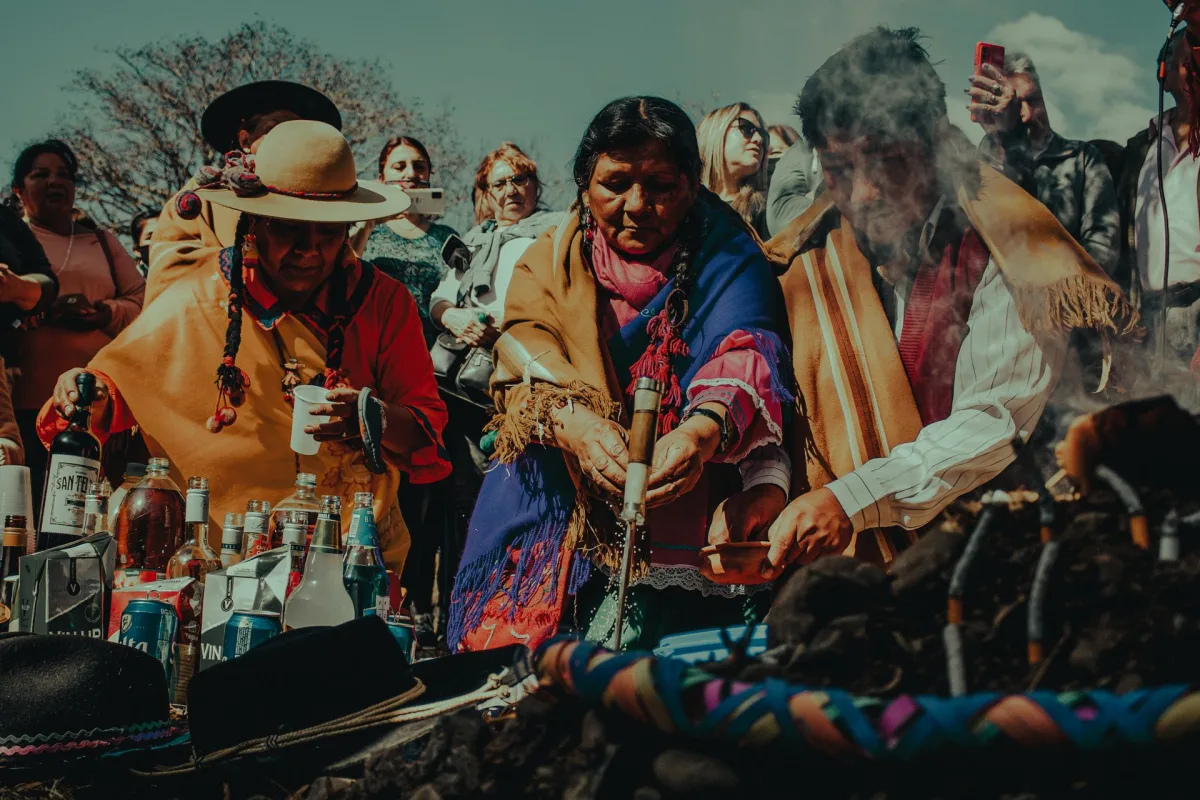
Aymara woman in traditional bowler hat and layered skirt performing Pachamama offering ceremony in Bolivian Andes

Bolivia Indigenous Culture & Pachamama
2026 Guide

Aymara & Quechua traditions, earth mother rituals & respectful cultural tourism guidance for Indian travelers.

Written by Abbhay Singh — South America Travel Specialist
Reviewed by Abhilash Dutta · South America Travel Reviewer
Last updated after reviewing:
  • Bolivia indigenous community tourism protocols update (2026)
  • Pachamama ritual participation guidelines for international visitors
  • Aymara New Year (Willka Kuti) cultural etiquette updates for Indian travelers

Last updated: May 2026

Indigenous Bolivia: Aymara, Quechua & Living Andean Culture
Understanding Bolivia's indigenous heritage for meaningful, respectful cultural experiences.

India Traveler Note: Many Indian travelers find resonance between Andean Pachamama reverence and Indian nature-based spirituality. Approach with humility, listen more than you speak, and let the experience unfold naturally.

Key Indigenous Groups & Cultural Context

Bolivia is one of Latin America's most indigenous nations, with over 60% of the population identifying as Aymara, Quechua, or other native groups. Unlike many destinations where indigenous culture is presented as historical artifact, in Bolivia it remains a vibrant, living tradition woven into daily life, politics, agriculture, and spirituality.

For Indian travelers, Bolivia offers profound cultural parallels: reverence for earth and nature, community-centered values, ritual offerings, and spiritual practices that honor ancestors and natural cycles. Understanding these connections can deepen your travel experience while ensuring respectful engagement.

  • Aymara: Western highlands around La Paz, Lake Titicaca; known for textiles, astronomy, and Pachamama rituals
  • Quechua: Valleys and southern regions; descendants of Inca civilization, rich oral traditions
  • Guarani: Eastern lowlands; distinct language and forest-based cosmology
  • Amazonian Groups: Madidi region communities with deep ecological knowledge

For a complete overview of destinations, logistics, and travel essentials in Bolivia, refer to our comprehensive Bolivia travel guide.
Pachamama: The Andean Earth Mother
Understanding the central spiritual concept that shapes Bolivian indigenous life.

What is Pachamama & How Offerings Work

Pachamama (Quechua: "Mother Earth") is the Andean earth goddess who provides life, fertility, and protection. She is not a distant deity but a living presence in mountains, rivers, soil, and crops. Honoring Pachamama is central to Aymara and Quechua worldviews.

Common Offerings (Ch'alla):

  • Coca leaves: Sacred plant used for prayer, medicine, and social bonding
  • Alcohol (chicha or singani): Poured on earth as libation before drinking
  • Food: Quinoa, corn, potatoes offered to thank Pachamama for harvests
  • Candles & incense: Used in ceremonies for purification and blessing

When Offerings Occur:

  • Daily: Small coca leaf offerings before meals or journeys
  • Monthly: Full moon ceremonies in many communities
  • Seasonal: Planting/harvest rituals aligned with agricultural cycles
  • Annual: Willka Kuti (Aymara New Year) on June 21 winter solstice

India Traveler Tip: If invited to witness or participate in a Pachamama offering, observe quietly, follow the guide's instructions, and never touch ceremonial objects without permission.

Living Indigenous Traditions for Travelers to Experience
Authentic cultural encounters that support community wellbeing and preserve heritage.

Textiles & Weaving

  • Aymara and Quechua women weave intricate patterns encoding community history, cosmology, and identity
  • Visit weaving cooperatives in La Paz (Mercado Rodríguez), Sucre, or Tarabuco to learn techniques
  • Purchase directly from artisans to support fair wages and cultural preservation
  • Ask about symbolism in patterns — many tell stories of mountains, animals, or ancestral journeys

Community Tourism Initiatives

  • Many indigenous communities now offer homestays, guided walks, and cultural workshops
  • Benefits stay within the community and support cultural continuity
  • Examples: Ch'allani Pampa (Lake Titicaca), Tarabuco Sunday Market visits, Amazon community lodges
  • Book through licensed operators who ensure fair compensation and cultural protocols
  • Always confirm vegetarian meal options if needed when booking community experiences

Planning a Bolivia trip focused on authentic cultural experiences? Our packages include community tourism partnerships & verified cultural guides.

View Bolivia Tour Packages →
Respectful Cultural Engagement: Guidelines for Indian Travelers
How to honor indigenous traditions while traveling in Bolivia.

Do's & Don'ts for Cultural Respect

Do:

  • Ask permission before photographing people, ceremonies, or sacred objects
  • Learn basic greetings: "Yuspagara" (thank you in Aymara), "Tupayki" (hello in Quechua)
  • Support community-run tourism that returns benefits to local families
  • Observe quietly during rituals; participate only when explicitly invited
  • Purchase crafts directly from artisans at fair prices

Don't:

  • Touch ceremonial objects, offerings, or ritual spaces without permission
  • Interrupt prayers, dances, or community gatherings
  • Assume all traditions are open to tourist participation — follow community cues
  • Bargain aggressively for handmade crafts — recognize the skill and time involved
  • Remove soil, stones, or plants from sacred sites as souvenirs

India-Bolivia Cultural Parallels

  • Both cultures revere earth/nature as sacred (Pachamama ≈ Prithvi/Bhumi)
  • Offerings of food, flowers, and incense feature in both spiritual traditions
  • Community-centered values and respect for elders are central to both
  • Oral storytelling and textile arts preserve history in both cultures

These parallels can foster deeper understanding — approach with curiosity, humility, and respect.

Frequently Asked Questions — Indigenous Culture in Bolivia
Quick answers to common cultural questions from Indian travelers.
1What is Pachamama in Bolivian culture?
Pachamama is the Andean earth mother goddess, revered by Aymara and Quechua communities as the source of life, fertility, and protection. Offerings (ch'alla) of coca leaves, alcohol, and food are made to honor her.
2Can Indian travelers participate in Pachamama rituals?
Yes, but only when invited by community elders or licensed cultural guides. Always ask permission before participating. Respectful observation is welcome; active participation requires cultural sensitivity and prior arrangement.
3What are the main indigenous groups in Bolivia?
The two largest indigenous groups are the Aymara (western highlands around La Paz) and Quechua (valleys and southern regions). Smaller groups include the Guarani, Chiquitano, and Amazonian communities.
4How can Indian travelers respectfully engage with indigenous culture in Bolivia?
Ask permission before photographing people or ceremonies, support community-run tourism initiatives, purchase crafts directly from artisans, learn basic Aymara/Quechua greetings, and follow local guidance on sacred sites.

Note: Cultural practices, community access, and tourism protocols may change. Verify current guidelines with local operators and community leaders before travel. Always prioritize community consent and cultural sensitivity in all interactions.

More Travel Guides

Explore Other Destinations

Plan Your Cultural Bolivia Trip from India

Fill out the enquiry form below and our travel experts will help you plan your Bolivia tour — community tourism, cultural guides, and authentic experiences.

Get assistance with flight bookings, secure hotel reservations, cultural tours, and complete Bolivia itineraries.

Enquire About This Package