Safari medical first aid kit and malaria prophylaxis medication prepared on a wooden lodge table in Botswana

Botswana Malaria & Health Guide
Prophylaxis, Clinics & Insurance 2026

Essential health, malaria prevention, and medical evacuation information for Indian travelers planning a remote safari in the Okavango Delta and Chobe.

Updated for 2026 Travelers
Written by Vishal Narayan — Africa Travel Specialist
Reviewed by Veena Rathore · Africa Travel Reviewer
Last updated after reviewing:
  • Updated 2026 WHO malaria prophylaxis recommendations for the Okavango and Chobe regions
  • Revised Flying Doctors medical evacuation protocols for remote Botswana concessions
  • Current Indian travel health advisory requirements for Southern Africa 2026

Last updated: April 2026

Health & Safety in the Botswana Bush
Preparing for the medical realities of a remote, high-value safari destination.

The Remote Reality

  • Wilderness Isolation: Luxury camps in the Okavango Delta and Chobe are intentionally remote. There are no pharmacies or hospitals within driving distance.
  • Lodge Medical Kits: Every reputable lodge maintains comprehensive first-aid kits, and guides are certified in wilderness first response.
  • Preparation is Key: As detailed in our complete Botswana travel guide, proactive health measures and the right insurance are non-negotiable for a stress-free trip.
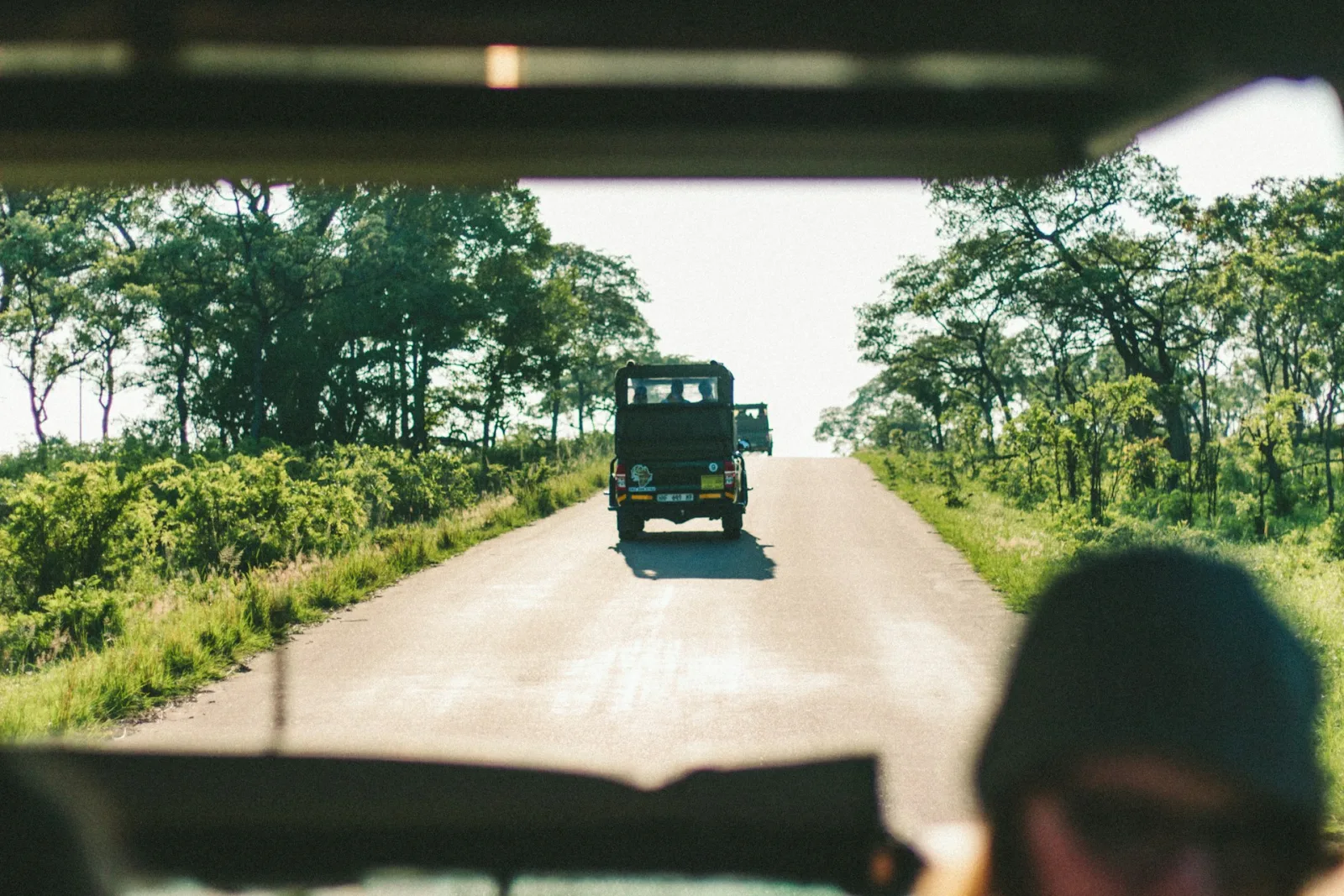
Malaria Prophylaxis & Prevention
Protecting yourself in a high-risk malaria zone.

Medication for Indians

  • High-Risk Zones: The Okavango Delta, Moremi, and Chobe are high-risk malaria areas, especially during the wet season (November to April).
  • Consult a Doctor: Visit a travel clinic in India 4-6 weeks before departure. The WHO typically recommends Malarone (Atovaquone/Proguanil) or Doxycycline.
  • Malarone: Preferred for short trips due to minimal side effects, but more expensive.
  • Doxycycline: A cost-effective alternative, but requires strict sun protection as it increases photosensitivity.

Bite Prevention

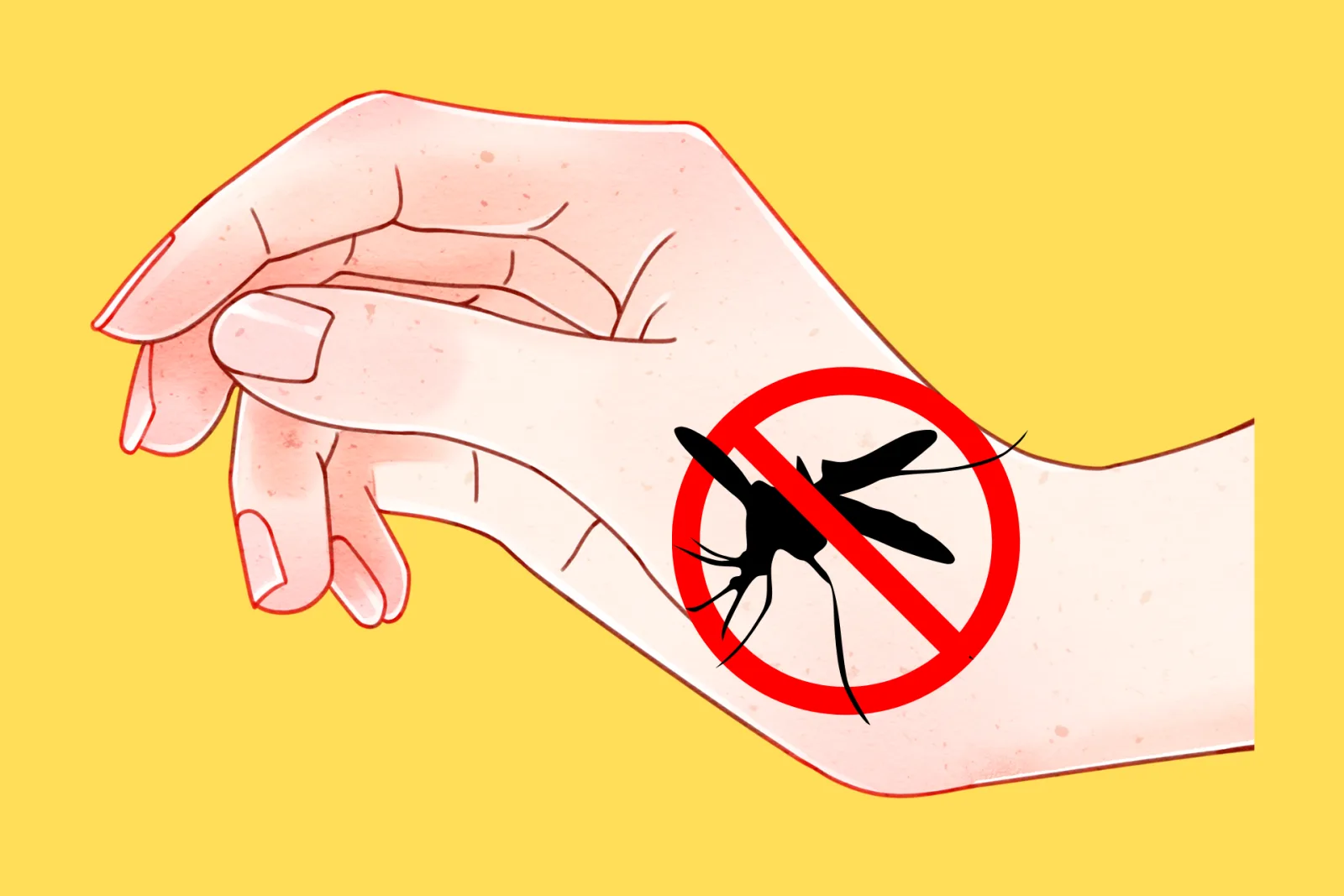
  • Repellent: Use high-DEET (30%+) insect repellent on exposed skin.
  • Clothing: Mosquitoes are most active at dusk and dawn. Wear long sleeves and trousers during these times.
  • Nets: Always sleep under the insecticide-treated mosquito net provided over your bed. Tuck it in securely.
  • Rooms: Keep tent zippers closed at all times to prevent insects from entering.

For more on packing the right clothing and repellents, review our Botswana safari tips guide.

Medical Facilities & Clinics
Understanding the healthcare infrastructure from the bush to the city.

In the Bush

  • No Hospitals: There are no hospitals in the Okavango Delta or deep inside Chobe National Park.
  • Lodge Care: Guides are trained to stabilize patients, administer basic first aid, and coordinate emergency evacuations.
  • Local Clinics: Maun and Kasane have basic government hospitals and private clinics capable of handling minor injuries, infections, and stabilizing patients for transfer.

In the Cities

  • Gaborone: The capital has excellent private hospitals (e.g., Gaborone Private Hospital, BHG) with advanced facilities.
  • Johannesburg: For complex surgeries or specialized care, patients are often flown directly to private hospitals in Johannesburg, South Africa.
  • Pharmacies: Well-stocked pharmacies exist in Gaborone, Maun, and Kasane, but bring essential prescriptions from India.
Medical Evacuation Insurance
Why standard travel insurance is not enough for a Botswana safari.

The "Flying Doctors" Requirement

  • Air Evacuation: Standard Indian travel insurance often excludes "emergency medical evacuation by air." You MUST verify that your policy covers light aircraft or helicopter evacuations.
  • Flying Doctors: Many premium lodge packages include or offer the option to add "Flying Doctors" (AMREF) or similar emergency air rescue coverage.
  • Carry Proof: Always carry a physical copy of your insurance policy and the 24/7 emergency assistance phone number with you on every game drive.

When calculating your Botswana trip cost from India, ensure you allocate ₹3,000–₹6,000 for a premium travel insurance policy that includes comprehensive air evacuation.

Traveling with peace of mind is essential. Our experts ensure your Botswana safari includes all necessary health briefings and emergency protocols.

Plan My Safe Botswana Safari →
Frequently Asked Questions — Botswana Health & Malaria
Quick answers to medical and health questions from Indian travelers.
1Which malaria pills are recommended for Botswana?
The WHO and Indian travel clinics typically recommend Malarone (Atovaquone/Proguanil) or Doxycycline for Botswana. Malarone is preferred for short trips due to fewer side effects, while Doxycycline is a cost-effective alternative. Consult your doctor in India 4-6 weeks before departure to get the right prescription.
2Is medical insurance enough for a Botswana safari?
Standard Indian travel insurance is often insufficient. You must ensure your policy explicitly covers "emergency medical evacuation by air" (e.g., flying by light aircraft to a hospital in Maun or Johannesburg). Many premium lodge packages include or offer "Flying Doctors" coverage, which is highly recommended.
3Are there hospitals in the Okavango Delta?
No. The Okavango Delta is a remote wilderness area. Lodges have comprehensive first-aid kits and trained guides, but serious medical issues require air evacuation to a clinic in Maun or a private hospital in Gaborone or Johannesburg.
4Do I need vaccinations before traveling to Botswana?
Routine vaccinations (Tetanus, Diphtheria, Polio, Measles) should be up to date. A Yellow Fever vaccination certificate is only required if you are transiting through or arriving from a Yellow Fever endemic country (like parts of South America or Central Africa). Hepatitis A and Typhoid vaccines are also recommended.
5Is the tap water safe to drink in Botswana safari camps?
While tap water is generally safe in major cities like Gaborone, you should only drink the bottled or freshly filtered water provided by your safari lodge in the bush. This prevents any potential stomach upsets that could ruin your remote safari experience.

Note: Health conditions in remote areas can change rapidly. Always consult a certified travel medicine specialist in India before your trip, adhere strictly to malaria prevention protocols, and verify your insurance evacuation coverage. For broader safety protocols, review our Botswana safety guide.

More Travel Guides

Explore Other Destinations

Plan Your Safe & Healthy Botswana Safari

Fill out the enquiry form below and our travel experts will help you plan a secure Botswana safari with all health, malaria, and evacuation protocols handled.

Get assistance with luxury lodge bookings, medical evacuation insurance advice, internal charter flights, and complete Botswana safari packages from India.

Enquire About This Package