Wildlife photographer capturing a leopard in the golden hour light of the Okavango Delta, Botswana

Botswana Photography Safari Guide
Gear, Locations & Tips 2026

Master wildlife photography in Botswana. Discover the best camera gear, top photography locations, and expert tips for Indian photographers.

Updated for 2026 Travelers
Written by Vishal Narayan — Africa Travel Specialist
Reviewed by Veena Rathore · Africa Travel Reviewer
Last updated after reviewing:
  • Updated 2026 drone regulations and national park photography permits for Botswana
  • Revised private concession off-road driving rules for wildlife photography in 2026
  • Current dust protection and gear maintenance protocols for Okavango Delta camps

Last updated: June 2026

Why Botswana is a Photographer's Paradise
Unmatched light, exclusive private concessions, and incredible subject diversity.

The Photography Advantage

  • Private Concessions: Unlike national parks, private concessions allow off-road driving, night safaris, and walking safaris—essential for getting unique angles and capturing nocturnal predators.
  • Low Vehicle Density: Botswana's "high-value, low-volume" model means you will rarely have another vehicle blocking your shot at a sighting.
  • Diverse Landscapes: From the water reflections of the Okavango Delta to the stark white pans of the Makgadikgadi, the backdrop variety is endless.

As detailed in our complete Botswana travel guide, planning your trip around the seasons is critical for capturing the best light and wildlife action.
Top Photography Locations in Botswana
Where to position yourself for the most iconic and unique shots.

Okavango Delta & Moremi

  • Subjects: Wild dogs, leopards, aquatic birds, and elephants swimming.
  • Best Shots: Water reflections at sunrise, action shots of predators hunting lechwe, and macro photography of frogs and insects in the wet season.
  • Tip: Use a motorboat for low-angle water-level photography.

Makgadikgadi Pans

  • Subjects: Zebra migration, meerkats, and stark minimalist landscapes.
  • Best Shots: The zebra migration against the white salt crust, and incredible astrophotography due to zero light pollution.
  • Tip: A polarizing filter is essential to cut the glare off the salt pans.

Chobe National Park

  • Subjects: Massive elephant herds, lions, and riverine birds.
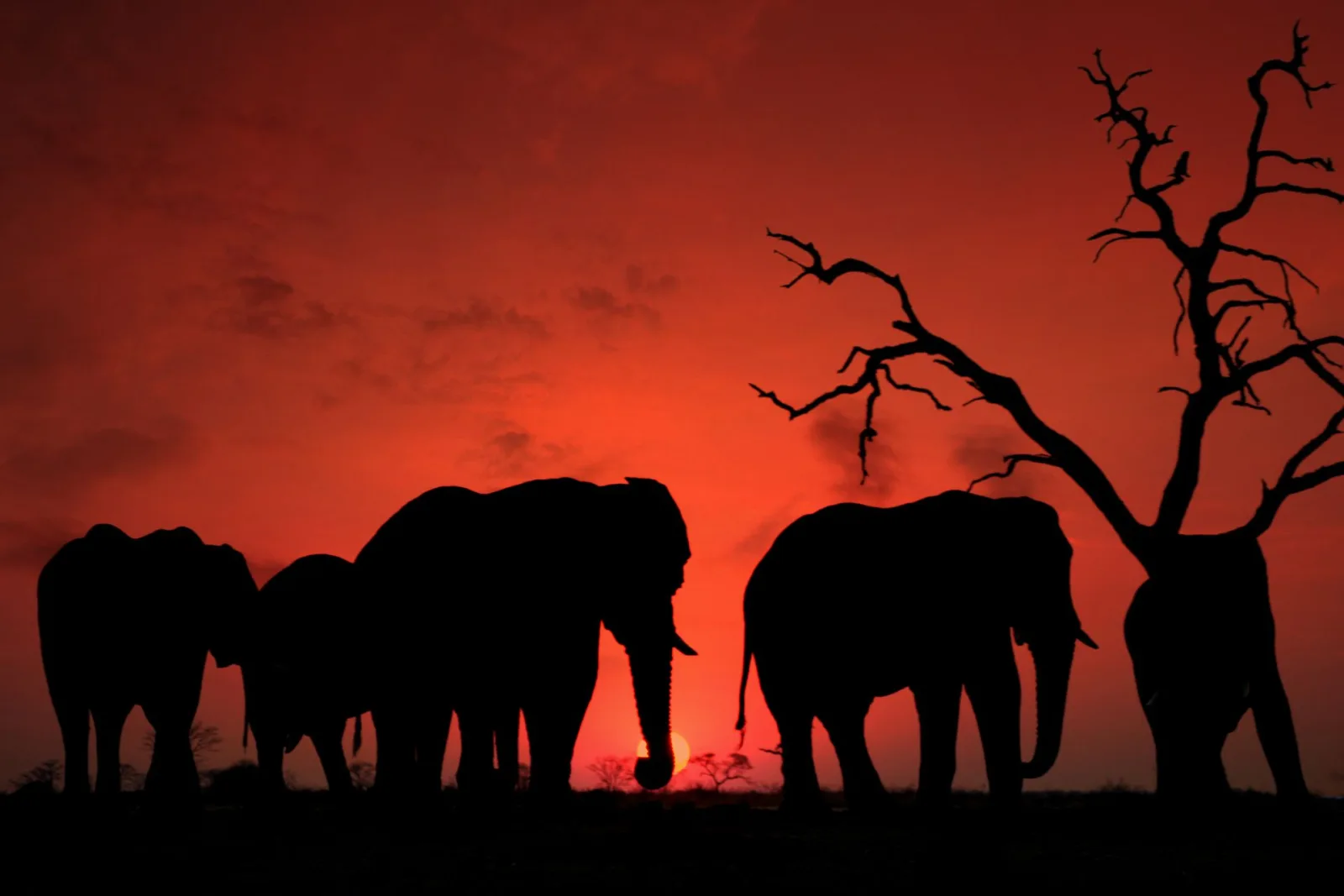
  • Best Shots: Elephants crossing the river at sunset, and backlit shots of lions drinking at the water's edge.
  • Tip: The boat safari provides a stable, low platform for shooting across the water.

To align your photography goals with the right season, review our best time to visit Botswana guide.

Essential Gear & Camera Tips for Indian Photographers
Protecting your equipment and capturing sharp images in the African bush.

Lenses & Stability

  • Primary Lens: A 200-400mm or 100-500mm zoom is ideal for wildlife. It offers the reach you need without being overly cumbersome.
  • Secondary Lens: A 70-200mm is perfect for landscapes, closer subjects in the Delta, and low-light situations.
  • Support: Leave the heavy tripod at home. Bring a large, sturdy bean bag to rest your lens on the vehicle's roof rail or door frame.
  • Stabilization: Turn off VR/IS when your camera is mounted on a bean bag or vehicle to prevent micro-vibrations.

Dust & Power Management

  • Dust Protection: The dust is fine and invasive. Use a zippered camera bag, avoid changing lenses in the open vehicle, and bring a manual air blower.
  • Power: Many tented camps only have electricity for a few hours a day. Bring multiple high-capacity camera batteries and a universal power bank.
  • Storage: Bring more memory cards than you think you need. The action is continuous, and you will shoot thousands of frames.

For more essential packing advice, check our Botswana safari tips guide.

7-Day Photography-Focused Itinerary
A route designed specifically to maximize golden hour shooting and diverse habitats.

Day-by-Day Shooting Plan

  • Day 1: Arrive Maun. Gear check and fly to the Okavango Delta. Sunset boat photography.
  • Day 2-3: Okavango Delta. Early morning mokoro for bird hides. Afternoon 4x4 focusing on wild dogs and leopards.
  • Day 4: Fly to the Makgadikgadi Pans. Afternoon quad biking or guided walk for meerkat close-ups.
  • Day 5: Makgadikgadi. Sunrise landscape photography on the pans. Night astrophotography session.
  • Day 6: Fly to Chobe. Late afternoon boat safari for backlit elephant silhouettes.
  • Day 7: Final sunrise drive in Chobe. Departure.

To understand the logistics and internal flight weights for this route, explore our comprehensive Botswana itinerary guide.

Ready to capture the ultimate African portfolio? Our experts can build a photography-focused Botswana safari with private guides and specialized vehicles.

Plan My Photography Safari →
Frequently Asked Questions — Botswana Photography
Quick answers to gear and logistics questions from Indian wildlife photographers.
1Are drones allowed for photography in Botswana?
No, drones are strictly prohibited in all Botswana national parks and reserves without special permits, which are rarely issued to tourists. Most luxury lodges also ban them to preserve the wilderness experience.
2What is the best lens for a Botswana safari?
A 200-400mm zoom lens is the most versatile for wildlife in Botswana. A 70-200mm is excellent for landscapes and closer subjects in the Delta, while a macro lens is highly recommended for the insects and frogs of the wet season.
3Should I bring a tripod to Botswana?
Tripods are generally impractical in open 4x4 safari vehicles due to space constraints and vibrations. Instead, bring a high-quality bean bag to rest your camera on the vehicle's roof rail or door frame for stable shots.
4How do I protect my camera from Botswana dust?
The dust in Botswana is extremely fine and pervasive. Keep your camera in a padded, zippered bag when not in use, avoid changing lenses in the open vehicle, and bring a manual air blower and microfiber cloths for daily cleaning.
5Are private concessions better for photography than national parks?
Yes. Private concessions allow off-road driving to get closer to subjects, night drives to capture nocturnal predators, and walking safaris for unique low-angle perspectives—activities strictly banned in national parks like Moremi or Chobe.

Note: Photography conditions in the bush are dynamic. Always prioritize safety and follow your guide's instructions regarding vehicle positioning and animal proximity. For a detailed breakdown of safari costs and lodge inclusions, review our Botswana trip cost from India guide.

More Travel Guides

Explore Other Destinations

Plan Your Botswana Photography Safari

Fill out the enquiry form below and our travel experts will help you design a photography-focused Botswana safari with private guides and specialized vehicles.

Get assistance with luxury lodge bookings, internal charter flights, photography hide access, and complete Botswana safari packages from India.

Enquire About This Package