Vibrant lilac-breasted roller perched on a lush green branch in the Okavango Delta during the wet season

Botswana Wet Season Birding
Green Season Safaris & Migratory Birds 2026

Discover why November to April is the ultimate window for Indian birdwatchers and budget-conscious travelers to experience Botswana's lush landscapes and dramatic skies.

Updated for 2026 Travelers
Written by Vishal Narayan — Africa Travel Specialist
Reviewed by Veena Rathore · Africa Travel Reviewer
Last updated after reviewing:
  • Updated 2026 migratory bird arrival patterns for the Okavango Delta and Chobe
  • Revised Makgadikgadi Pans zebra migration tracking and road accessibility for the green season
  • Current 2026 green-season luxury lodge discount structures for Indian travelers

Last updated: April 2026

The Green Season: A Birdwatcher's Paradise
Why the wet season (November to April) transforms Botswana into a world-class ornithological destination.

The Emerald Transformation

  • Lush Landscapes: The brown, dusty savanna explodes into vibrant emerald-green grasslands, offering a stunning visual contrast to the dry season.
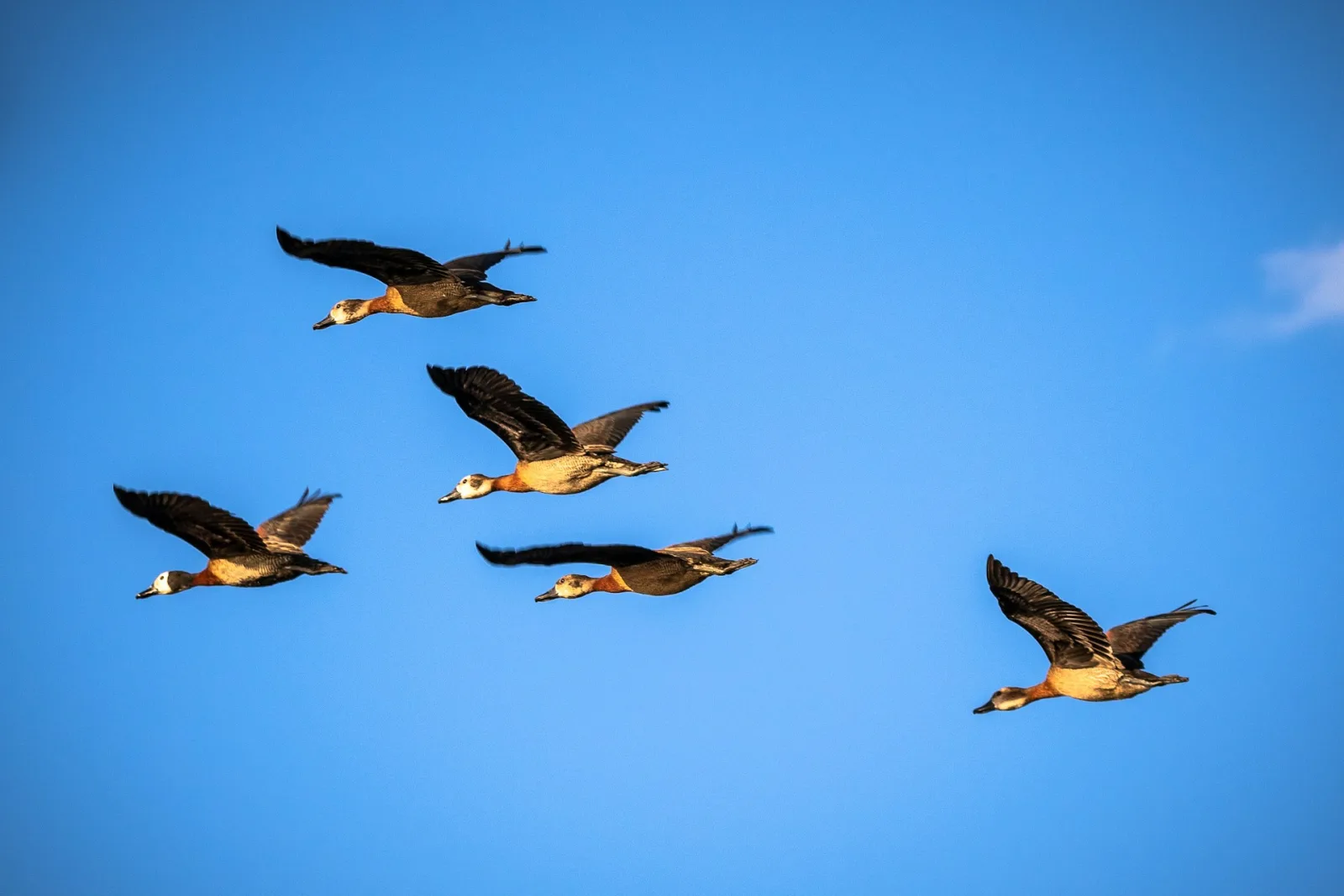
  • Migratory Influx: Over 500 migratory bird species arrive from Europe and North Africa, joining the resident birds to create a symphony of color and sound.
  • Birthing Season: This is the prime time for antelope and zebra births. The influx of vulnerable newborns triggers intense, dramatic predator-prey interactions.
  • Fewer Crowds: You will often have wildlife sightings and entire lodges entirely to yourself, with no other safari vehicles in sight.

As detailed in our complete Botswana travel guide, while the dry season is famous for Big Five density, the wet season offers an exclusive, lush, and deeply rewarding safari experience for those willing to embrace the rains.
Top Birding & Wildlife Hotspots
Where to focus your green season safari for the best avian and wildlife encounters.

Okavango Delta & Moremi

  • Waterbirds: The flooded channels attract massive flocks of herons, egrets, kingfishers, and the iconic African Fish Eagle.
  • Colorful Residents: Spot the vibrant Lilac-breasted Roller, Carmine Bee-eaters, and the elusive Pel's Fishing Owl in the riverine forests.
  • Mokoro Safaris: Gliding silently in a dugout canoe during the wet season provides unparalleled, eye-level access to water-dependent birdlife.

Makgadikgadi Pans

  • The Zebra Migration: Between December and March, the summer rains trigger the migration of over 25,000 zebras across the vast salt flats.
  • Flamingos & Quail: The water-filled pans attract massive flocks of Greater and Lesser Flamingos, as well as the endemic Maclean's Bustard.
  • Salt Pan Photography: The dramatic, stormy skies reflecting off the shallow waters create some of the most surreal photography conditions in Africa.

To see how the Makgadikgadi migration fits into a weekly schedule, review our 7-day Botswana itinerary for Indian travelers.

Chobe National Park

  • Riverine Species: The Chobe River swells during the wet season, attracting diverse waterbirds, including the stunning Malachite Kingfisher.
  • Woodland Birds: The surrounding teak forests are home to hornbills, rollers, and various species of sunbirds.
  • Boat Safaris: A sunset boat cruise during the green season offers excellent birding opportunities alongside the resident hippos and crocodiles.
The Budget & Booking Advantage
How the green season makes Botswana's luxury safari model accessible to more Indian travelers.

Significant Cost Savings

  • Lodge Discounts: Many premium camps offer "green season" rates that are 30% to 40% lower than their peak dry season prices.
  • Value Proposition: You experience the exact same luxury accommodations, gourmet meals, and expert guiding for a fraction of the cost.
  • Flight Deals: International flights from India to Johannesburg or Gaborone can sometimes be cheaper during the European winter months.

If you are looking to optimize your Botswana trip cost from India, traveling in January or February offers the best financial value without sacrificing the core luxury safari experience.

Booking Flexibility

  • Shorter Lead Times: Unlike the dry season, which requires booking 8-12 months in advance, green season lodges can often be secured 3-6 months prior.
  • Upgrades: Due to lower occupancy, lodges are more likely to offer complimentary room upgrades or special amenities for guests.
  • Flexible Itineraries: With fewer tourists, guides can be more flexible with your daily schedule, spending extra time at a bird nest or a predator kill.

For a complete breakdown of seasonal weather patterns and when to book, refer to our best time to visit Botswana guide.

Photography & Gear Tips for the Wet Season
Capturing the dramatic beauty of Botswana's green season.

Camera Protection

  • Rain Covers: Afternoon thunderstorms are common. Bring a high-quality rain cover for your camera and lenses.
  • Dust & Mud: The dirt roads can be muddy. Keep your gear in a padded, waterproof bag when not in use.
  • Lighting: The dramatic, stormy clouds provide incredible, soft lighting for photography, unlike the harsh, flat light of the dry season midday.
  • Macro Lenses: The wet season brings out insects, frogs, and colorful flora. A macro lens is highly recommended for close-up details.

Ready to experience Botswana's lush green season? Our experts can secure your spot in exclusive lodges at unbeatable green-season rates.

Plan My Green Season Safari →
Frequently Asked Questions — Wet Season Birding
Quick answers to green season and birding questions from Indian travelers.
1Is the wet season good for wildlife viewing in Botswana?
Yes, but the experience is different from the dry season. The landscape is lush and green, making it harder to spot predators in the thick bush. However, it is the prime birthing season for antelopes and zebras, which attracts high predator action. It is also the absolute best time for birding and photography due to the dramatic skies and newborn animals.
2When is the best time for birding in Botswana?
The best time for birding is during the wet season, from November to April. During these months, over 500 migratory bird species arrive from Europe and North Africa, joining the resident birds. December to February is the peak period for breeding plumage and active birdlife.
3Do luxury lodges close during the wet season?
No, most luxury lodges in the Okavango Delta and Chobe remain open year-round. In fact, many offer significant "green season" discounts of 30% to 40% between November and April, making it an excellent time for Indian travelers to experience premium safaris at a lower cost.
4Is it safe to drive in Botswana during the rains?
Yes, but road conditions can change rapidly. While major highways remain paved and safe, remote dirt roads in the Delta and Kalahari can become muddy and impassable for standard vehicles. A 4x4 vehicle is essential, and self-drivers should always check local road conditions with their lodge or park authorities.
5What is the Makgadikgadi zebra migration?
The Makgadikgadi zebra migration is one of Africa's best-kept secrets. Between December and March, over 25,000 zebras migrate across the vast salt pans in search of fresh grazing triggered by the summer rains. It is a spectacular event that coincides perfectly with the peak birding season.

Note: The wet season offers a completely different, highly rewarding safari experience focused on birding, lush landscapes, and budget-friendly luxury. While general game viewing is excellent, if your primary goal is to see the massive dry-season elephant herds of Chobe, you may want to consider traveling between July and October instead.

More Travel Guides

Explore Other Destinations

Plan Your Green Season Botswana Safari

Fill out the enquiry form below and our travel experts will help you plan a budget-friendly, bird-rich Botswana safari during the spectacular wet season.

Get assistance with luxury lodge bookings, green-season discounts, internal charter flights, and complete Botswana safari packages from India.

Enquire About This Package