The Birthplace of Coffee: An Introduction
Understanding the deep cultural and historical significance of coffee in Ethiopia.
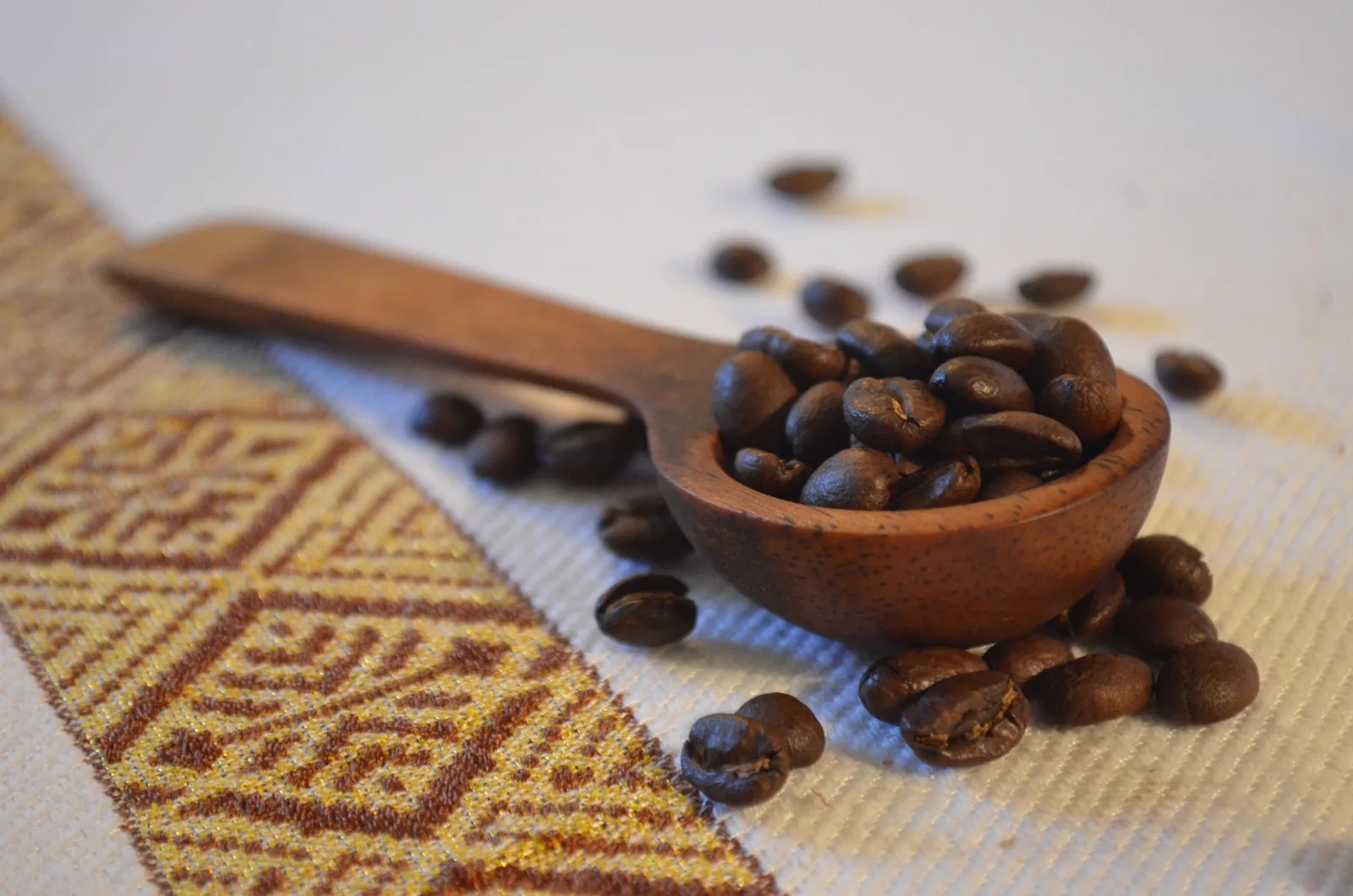
Ethiopia is universally recognized as the birthplace of coffee (Coffea arabica). Legend attributes its discovery to a 9th-century goat herder named Kaldi, who noticed his goats becoming unusually energetic after eating berries from a specific tree. Today, coffee is not just a commodity in Ethiopia; it is a profound social ritual and a cornerstone of national identity.
For Indian travelers, Ethiopian coffee offers a fascinating parallel to India's own rich coffee heritage (such as Chikmagalur and Coorg), but with entirely unique flavor profiles and preparation methods. This focused guide complements our broader Ethiopia Travel Guide by detailing how to respectfully participate in the culture and safely bring this world-class product back home. For broader culinary context, explore our Ethiopia Food Guide.
The Traditional Coffee Ceremony (Buna)
A step-by-step look at the sacred ritual of Ethiopian hospitality.
The coffee ceremony (Buna) is a multisensory experience that can last up to an hour. It is a symbol of friendship, respect, and community. When invited to participate, it is considered polite to stay for at least the first round.
- The Roasting: Green coffee beans are washed and roasted over hot coals in a small, long-handled pan. The host walks around so guests can waft the aromatic smoke toward themselves, which is considered a blessing.
- The Grinding: The freshly roasted beans are immediately ground by hand using a traditional wooden mortar and pestle called a mukecha and a pounding stick (zenezena).
- The Brewing: The ground coffee is placed into a jebena, a traditional black clay pot with a spherical base, long neck, and pouring spout. Water is boiled with the coffee, sometimes with added cardamom or cinnamon.
- The Serving: The coffee is poured from a height into small, handleless cups called sini to cool it slightly and create a froth. Traditionally, three rounds are served: Abol (the first, strongest round), Tona (the second, weaker round), and Bereka (the third, the "blessing" round). It is usually served with popcorn, roasted barley (kolo), or fresh bread.
Top Coffee Regions to Know
Understanding the flavor profiles of Ethiopia's most famous coffee-growing areas.
Widely considered some of the finest coffee in the world. Yirgacheffe beans are known for their light to medium body, bright acidity, and distinct floral, citrus, and tea-like notes. Highly recommended for Indian travelers who prefer lighter, aromatic brews.
Offers a well-balanced cup with a medium to full body. Sidamo coffees typically feature rich chocolate, berry, and spicy notes, making them a comforting and familiar choice for those accustomed to traditional South Indian filter coffee profiles.
Dry-processed (natural) coffees from the ancient walled city of Harar. They are famous for their heavy body, low acidity, and intense blueberry, wine-like, and dark chocolate flavors. A bold, unique experience for adventurous coffee drinkers.
Buying & Exporting Coffee to India
Essential rules and tips for bringing authentic Ethiopian coffee back home.
- Roasted and Sealed Only: Indian customs strictly prohibits the import of raw, unroasted green coffee beans without special agricultural permits. You must purchase beans that are commercially roasted and factory-sealed.
- Where to Buy: Avoid buying loose beans from open market sacks if you intend to take them through customs. Instead, purchase from reputable, licensed coffee roasters in Addis Ababa (e.g., Tomoca, Kaldi, or Mokarar) or duty-free shops at Addis Ababa Bole Airport, which provide the necessary sealed packaging and receipts.
- Price Expectations: At local markets, good quality roasted coffee costs around ₹800–₹1,500 per kilogram. At premium export-grade roasters or the airport, expect to pay ₹2,000–₹4,000 per kilogram for single-origin, professionally packaged beans.
- Declaration: Always declare your coffee purchases at Indian customs upon arrival. Having the original sealed packaging and the purchase receipt from an official Ethiopian vendor will smooth the process significantly.
- Storage: Ethiopian coffee is best consumed within 3–6 months of the roast date. Store it in an airtight container in a cool, dark place in India to preserve its complex aromatics.
Frequently Asked Questions — Ethiopian Coffee
Quick answers to common questions from Indian travelers about coffee in Ethiopia.
1Can I bring Ethiopian coffee beans back to India?
Yes, but only if they are commercially roasted, packaged, and sealed. Indian customs strictly prohibits the import of raw, unroasted green coffee beans without special agricultural permits. Always buy from reputable roasters who provide sealed, export-ready packaging.
2Is the traditional coffee ceremony hygienic for Indian tourists?
Yes, especially at established tourist venues, cultural centers, and reputable hotels in Addis Ababa and Lalibela. The beans are freshly roasted and boiled, which ensures high hygiene standards. Bottled water is typically used for brewing in tourist-oriented setups.
3Which Ethiopian coffee region is best for Indian palates?
Yirgacheffe is highly recommended for Indian travelers who enjoy floral, tea-like, and bright coffees. If you prefer a fuller body with chocolate and spice notes (similar to some Indian regional coffees), Sidamo or Harar are excellent choices.
4How much does premium Ethiopian coffee cost for tourists?
At local markets, a kilogram of good quality roasted coffee costs around ₹800–₹1,500. At premium export-grade roasters or airport duty-free shops, expect to pay ₹2,000–₹4,000 per kilogram for single-origin, professionally packaged beans.
5Do I need to tip during a coffee ceremony?
Yes, tipping is customary and appreciated. A tip of 50–100 Ethiopian Birr (ETB) for the host or server conducting the ceremony is a polite way to show appreciation for the cultural experience.