A Photographer's Paradise
From ancient rock-hewn churches to vibrant indigenous tribes and alien landscapes.
Ethiopia offers an unparalleled diversity of photographic subjects. Whether you are capturing the solemn devotion inside the subterranean churches of Lalibela, the striking cultural portraits of the Omo Valley tribes, the endemic wildlife of the Simien Mountains, or the surreal, neon-colored hydrothermal fields of the Danakil Depression, every frame tells a profound story.
For Indian photographers, Ethiopia requires careful planning, cultural sensitivity, and the right gear. This focused guide complements our broader Ethiopia Travel Guide by detailing the specific logistics, ethical considerations, and technical requirements for a successful and respectful photographic expedition.
Permits & Cultural Ethics
Crucial guidelines to ensure respectful and legal photography in Ethiopia.
Golden Rule: The people of Ethiopia are not exhibits; they are hosts. Respect, consent, and fair compensation are mandatory.
A regional photography permit is legally required for the Omo Valley and will be checked at police checkpoints. Your tour operator must arrange this in advance. Beyond the official permit, always ask for individual permission before taking a portrait. A simple gesture and a smile, guided by your local translator, goes a long way.
Photography has become a source of income for many tribes in the south. It is standard and expected to offer a small tip (e.g., 10–20 ETB per person) after taking a photo. Your guide will help establish a fair, pre-agreed rate. Never take a photo and walk away without compensating the subject.
Inside active religious sites like the Lalibela churches, flash photography is strictly prohibited to protect ancient paintings. Always ask the priest or your guide for permission before raising your camera. Be mindful of worshippers; do not block pathways or disrupt solemn ceremonies.
Top Photography Locations
Where to point your lens for the most iconic Ethiopian shots.
The ultimate destination for cultural portraiture. The Mursi, Hamer, and Karo tribes offer striking visuals with their intricate body painting, scarification, and traditional attire. The Tuesday market at Key Afer is a melting pot of cultures and colors. Explore our Omo Valley Guide.
A challenge for low-light photography. The rock-hewn churches feature dramatic shadows, ancient manuscripts, and priests in vibrant robes. The contrast between the dark interiors and the bright highland sun outside creates incredible photographic opportunities. Explore our Lalibela City Guide.
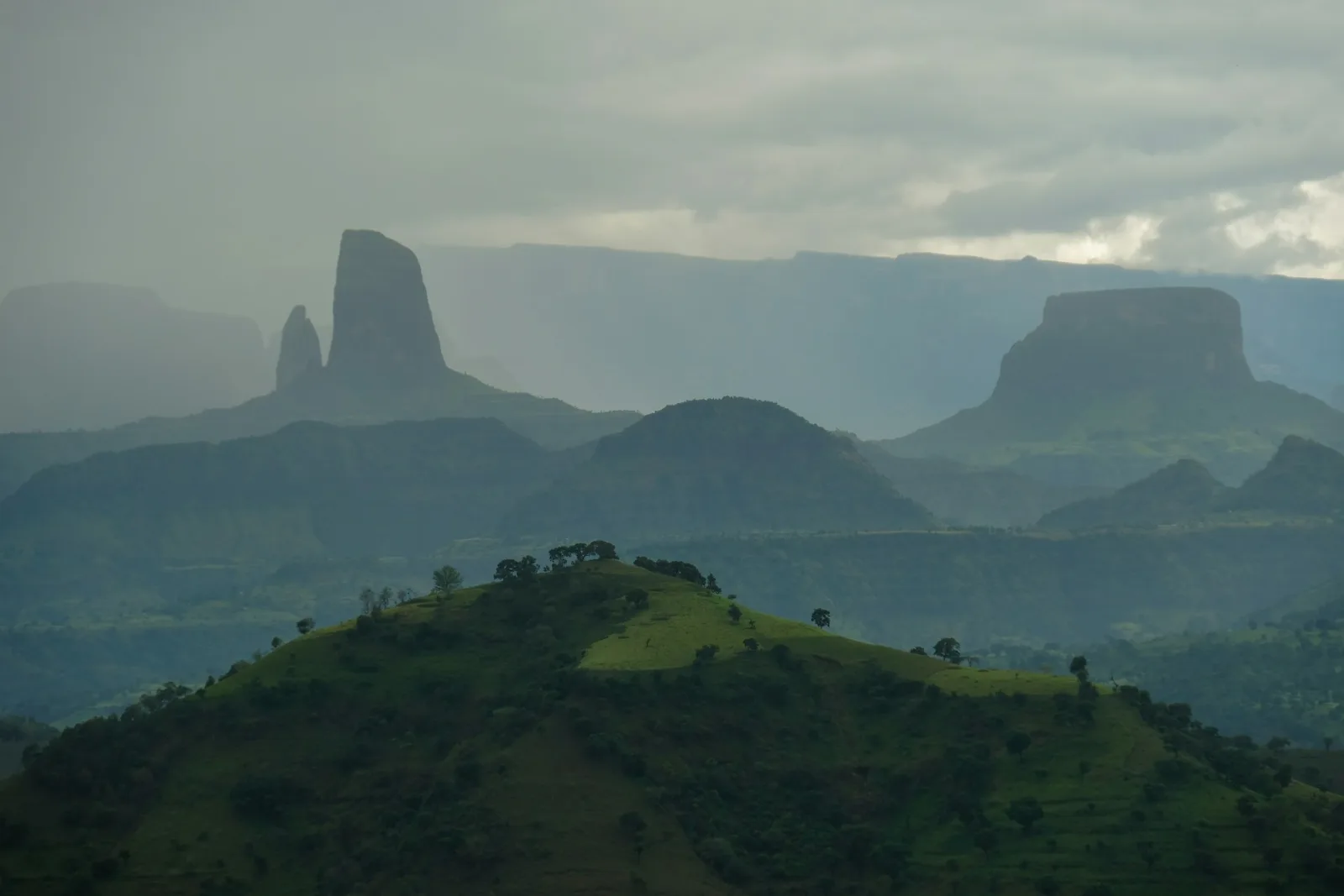
Ideal for wildlife and landscape photography. The endemic Gelada baboons are remarkably accustomed to humans, allowing for close-up portraits. The dramatic escarpments and golden light at sunrise and sunset provide breathtaking backdrops. Explore our Simien Trekking Guide.
An alien landscape of neon-colored sulfur springs, salt flats, and active lava lakes. The extreme conditions require specialized gear protection, but the surreal, otherworldly visuals are unmatched anywhere else on Earth. Explore our Danakil Guide.
Essential Gear & Protection Tips
How to protect your equipment and capture the best shots in diverse environments.
- Dust Protection (Danakil & Roads): The dust in Ethiopia is incredibly fine and pervasive. Use a camera bag with excellent sealing, change lenses sparingly, and carry a rocket blower and microfiber cloths. Consider a weather-sealed body and lens combo.
- Low Light Lenses (Lalibela): The churches are very dark. A fast prime lens (e.g., 35mm f/1.4, 50mm f/1.8, or 85mm f/1.8) is essential. You will need to shoot at high ISOs (3200–6400), so a camera with good high-ISO performance is recommended.
- Telephoto Zoom (Omo Valley & Simien): A 70-200mm f/2.8 or f/4 is invaluable. In the Omo Valley, it allows you to capture intimate portraits from a respectful distance without intruding. In the Simien Mountains, it is perfect for photographing Gelada baboons and distant landscapes.
- Power & Storage: Power outages are common outside Addis Ababa. Bring multiple high-capacity power banks and extra camera batteries. Carry more SD cards than you think you need; downloading and deleting in the field is risky.
- Security: Use a discreet camera insert inside a non-branded backpack or messenger bag when traveling in cities. Never leave gear unattended in vehicles.
Planning a photography-focused Ethiopia expedition? Our custom tour packages include licensed local guides, 4x4 transport, and itinerary routing optimized for the best light and cultural access.
Inquire About Ethiopia Photography Tours →
Frequently Asked Questions — Photography in Ethiopia
Quick answers to common technical and logistical questions from Indian photographers.
1Do I need a special permit to photograph in the Omo Valley?
Yes. A regional photography permit is legally required for the Omo Valley and will be checked at police checkpoints. Your tour operator can arrange this in advance. Additionally, you must ask for individual permission and pay a small tip before photographing any person.
2How much should I tip for photos in the Omo Valley?
It is standard and expected to offer a small tip (typically 10–20 ETB per person) after taking a portrait. Your local guide will help establish a fair, pre-agreed rate to avoid aggressive bargaining. Never take a photo and walk away without compensating the subject.
3Can I use flash inside the rock-hewn churches of Lalibela?
No. Flash photography is strictly prohibited inside the rock-hewn churches of Lalibela to protect the ancient paintings and manuscripts. You will need a fast prime lens (e.g., 35mm f/1.4 or 50mm f/1.8) and high ISO capabilities to capture the dimly lit interiors.
4Is it safe to carry expensive camera gear in Ethiopia?
Yes, but you must exercise discretion. Avoid flashing expensive lenses in crowded areas like Merkato or busy streets in Addis Ababa. When shooting in the Omo Valley or Simien Mountains, keep your gear secure and never leave bags unattended. Insurance covering professional equipment is highly recommended.
5What is the best lens to bring for an Ethiopia photography trip?
A versatile zoom like a 24-70mm f/2.8 is ideal for most situations. For the Omo Valley, a 70-200mm telephoto is essential for respectful portraits from a distance. For Lalibela churches, a fast wide-angle or standard prime lens (f/1.8 or wider) is crucial for low-light interiors.
Note: Cultural norms and photography regulations can evolve. Always defer to your licensed local guide's real-time advice regarding village access, market days, and respectful interaction protocols. For broader safety and logistics, review our Ethiopia Safety Guide.