The Heart of Indigenous Ethiopia
A profound journey into one of the world's last great cultural frontiers.
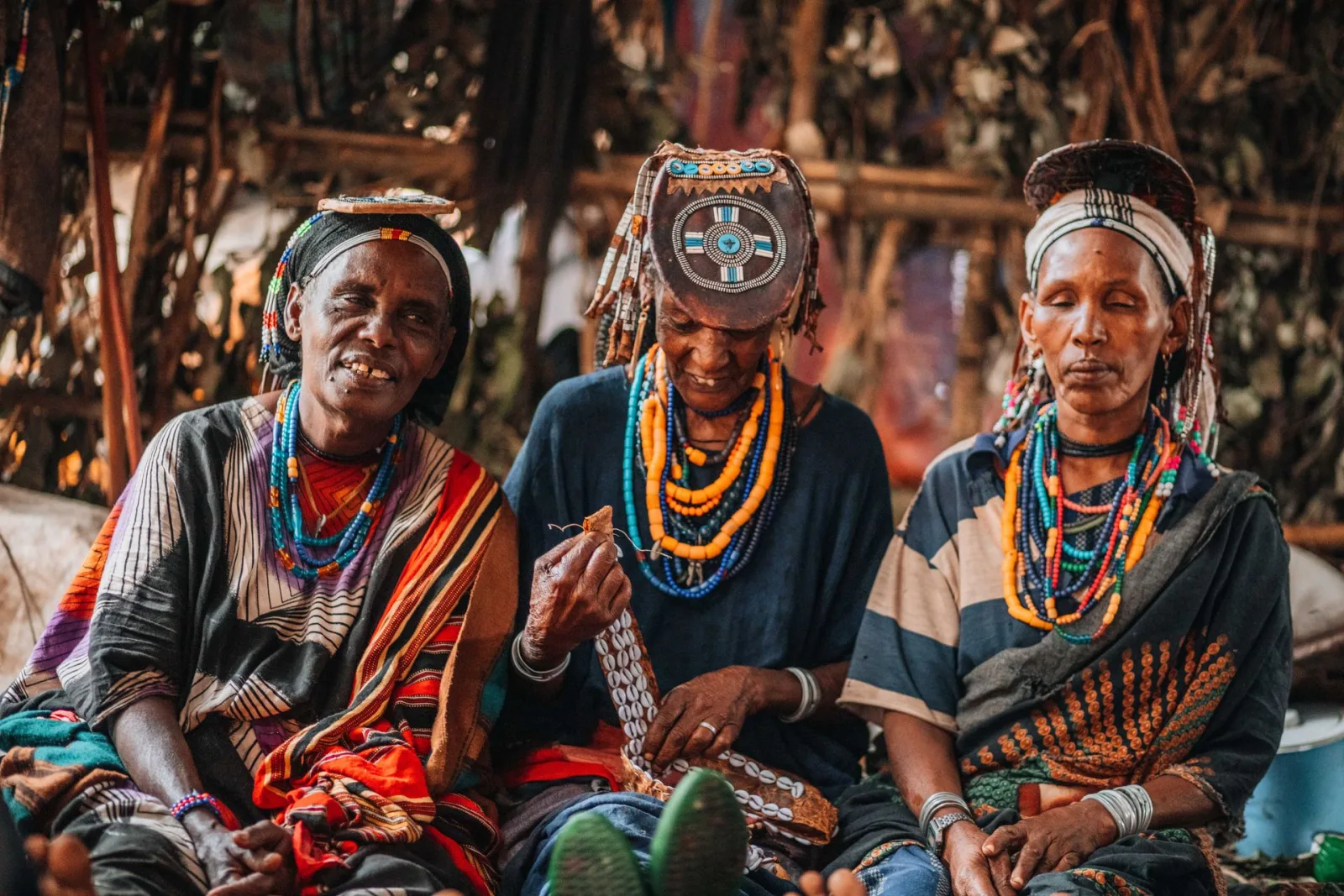
The Omo Valley, a UNESCO World Heritage site in southern Ethiopia, is a living museum of human diversity. Home to over a dozen distinct indigenous tribes, including the Mursi, Hamer, Karo, and Konso, the region offers an unparalleled glimpse into traditional ways of life that have remained largely unchanged for centuries. From intricate body painting and scarification to vibrant weekly markets and ancient rituals, the Omo Valley is a destination that challenges and expands your understanding of human culture.
For Indian travelers, particularly photographers, anthropologists, and cultural enthusiasts, the Omo Valley is a bucket-list destination. However, it requires careful planning, cultural sensitivity, and a spirit of adventure. This focused guide complements our broader Ethiopia Travel Guide by detailing the specific logistics, ethical considerations, and routing required for a respectful and rewarding southern circuit expedition.
Prominent Tribes & Cultural Highlights
Understanding the diverse communities you will encounter on your journey.
Famous for the women's tradition of wearing large clay or wooden lip plates. The Mursi are semi-nomadic agro-pastoralists living near the Mago National Park. Their striking appearance and intricate body scarification make them a focal point for cultural visitors.
Known for their elaborate hairstyles coated in ochre and butter, and their fierce, proud demeanor. The Hamer are famous for the "Ukuli Bula" (bull jumping) ceremony, a rite of passage for young men to prove their bravery and transition to adulthood.
Masters of body painting. The Karo use locally found chalk, rock, and iron ore to create intricate, temporary designs on their skin and faces for ceremonies and dances. They live along the banks of the Omo River and are skilled fishermen and farmers.
Held every Tuesday, this is the largest and most vibrant market in the southern Omo Valley. It is a melting pot where the Ari, Banna, Hamer, and Karo tribes gather to trade livestock, grains, and pottery. It offers incredible photographic opportunities and cultural immersion.
Logistics & Routing for the Omo Valley
How to navigate the southern circuit efficiently and safely.
- Flying vs. Driving: Driving from Addis Ababa to Jinka or Arba Minch takes 10–12 hours on roads that can be rough, especially during the rainy season. We highly recommend taking a 1-hour domestic flight from Addis Ababa to Arba Minch or Jinka to maximize your time and comfort.
- 4x4 Vehicle Mandatory: If driving, a robust 4x4 vehicle with a high-clearance and an experienced local driver is non-negotiable. The terrain is unforgiving, and breakdowns in remote areas can cause significant delays.
- Accommodation: Lodges in the Omo Valley range from basic but clean guesthouses to comfortable eco-lodges (e.g., in Jinka or near the river). Do not expect luxury; hot water and reliable Wi-Fi are rare.
- Guides: A licensed local guide who speaks the tribal languages (or has a trusted translator) is essential. They facilitate respectful interactions, explain cultural nuances, and negotiate photography permissions.
Photography & Cultural Ethics
Crucial guidelines for Indian travelers to ensure respectful and responsible engagement.
Golden Rule: The people of the Omo Valley are not exhibits in a zoo; they are hosts sharing their culture. Respect, consent, and fair compensation are mandatory.
A regional photography permit is legally required and will be checked at police checkpoints. Beyond the official permit, always ask for individual permission before taking a portrait. A simple gesture, a smile, and pointing to your camera, guided by your local translator, goes a long way.
Photography has become a source of income for many tribes. It is standard and expected to offer a small tip (e.g., 5–10 ETB per person) after taking a photo. Your guide will help establish a fair, pre-agreed rate to avoid aggressive bargaining or disappointment. Never take a photo and walk away without compensating the subject.
Do not treat children as mere photo opportunities; engage with their parents first. Avoid giving out sweets, pens, or money directly to children, as this encourages begging and disrupts local social structures. If you wish to contribute, donate school supplies or funds through a reputable local school or NGO with your guide's assistance.
Experience the Omo Valley responsibly. Our curated cultural tours include licensed local guides, 4x4 transport, and pre-arranged lodge stays to ensure a seamless and ethical journey.
View Ethiopia Cultural Tour Packages →
Frequently Asked Questions — Omo Valley Travel
Quick answers to common logistical and cultural questions from Indian travelers.
1Is the Omo Valley safe for Indian tourists?
Yes, the Omo Valley is generally safe for tourists. However, the roads can be rough, and the region is remote. It is highly recommended to travel with a licensed local guide and a 4x4 vehicle arranged through a reputable tour operator.
2What is the best time to visit the Omo Valley from India?
The best time is during the dry seasons: June to August or December to February. These months offer passable road conditions and clearer skies for photography and travel.
3Do I need a permit to take photos in the Omo Valley?
Yes. While not always strictly checked at every village, carrying a regional photography permit is mandatory. Furthermore, it is ethical and expected to ask for permission and offer a small, agreed-upon tip before photographing any individual.
4Can Indian vegetarians find food in the Omo Valley?
Options are limited compared to Addis Ababa. Basic meals like injera with lentil (misir) or chickpea (shiro) stew are usually available at lodges. However, travelers should inform their tour operator in advance to ensure the cook is prepared with adequate vegetarian supplies.
5How do I get to the Omo Valley from Addis Ababa?
You can drive (a 10-12 hour journey on a mix of paved and rough roads) or take a domestic flight from Addis Ababa to Arba Minch or Jinka (approx. 1 hour), which is highly recommended to save time and avoid road fatigue.
Note: The Omo Valley is a dynamic, living region. Cultural practices and accessibility can change. Always rely on your licensed local guide for real-time advice on village access, market days, and respectful interaction protocols.