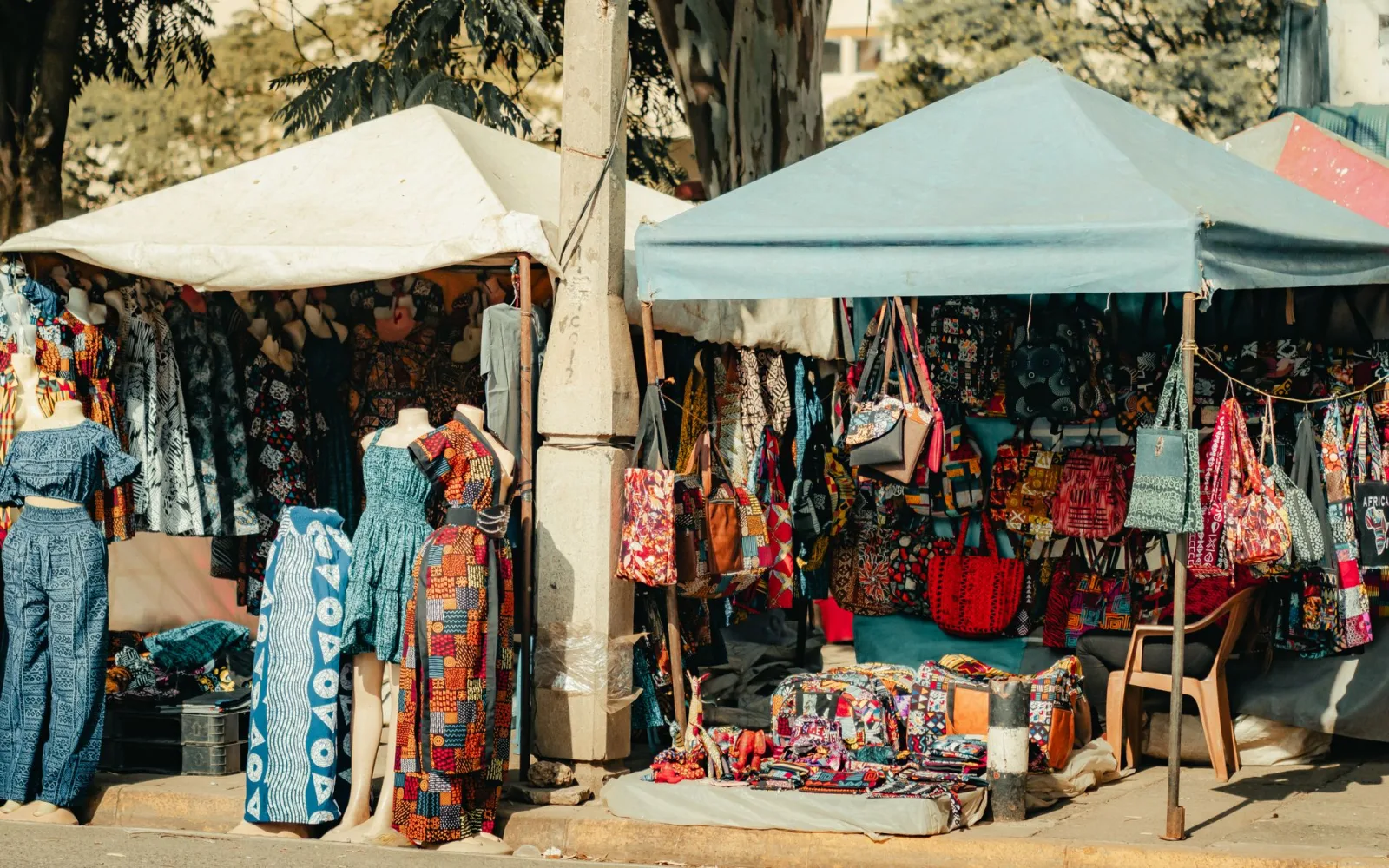
Handcrafted Kisii soapstone animal carvings and colorful Maasai beadwork displayed at a local market in Kenya

Kenya Shopping & Markets Guide
for Indian Travelers

Discover the best souvenirs, from authentic Maasai beadwork to premium coffee, along with essential bargaining and payment tips for 2026.

Updated for 2026 Travelers
Written by Vishal Narayan — Africa Travel Specialist
Reviewed by Veena Rathore · Africa Travel Reviewer
Last updated after reviewing:
  • Maasai Market daily location schedule and operating hours 2026
  • Kenya wildlife export restrictions on ivory and specific hardwoods
  • Strict 2013+ USD bill acceptance rules at Kenyan curio shops and banks

Last updated: April 2026

Top Shopping Destinations in Kenya
From vibrant open-air flea markets to upscale artisan galleries, here is where Indian travelers should go to find authentic Kenyan goods.

The Maasai Market

Kenya’s most famous roving flea market. It moves to a different location in Nairobi every day of the week, making it a dynamic and authentic shopping experience.

  • Best for: Maasai shukas (blankets), beadwork, wooden carvings, and souvenirs.
  • Typical Locations: Village Market (Fridays), The Junction Mall/Ngong Road (Saturdays), High Court/Museum Hill (Sundays).
  • Tip: Confirm the location with your hotel or safari guide on the day of your visit. Go early to avoid the midday heat and crowds.

Kazuri Beads Factory

Located in the leafy Karen suburb of Nairobi, this social enterprise employs local women to create beautiful, hand-painted ceramic beads and jewelry.

  • Best for: High-quality, unique jewelry and home decor.
  • Experience: Take a free guided tour to see the pottery and painting process from start to finish.
  • Tip: Prices are fixed, but your purchase directly supports the livelihoods of the artisans.

Mombasa Old Town

If your Kenya itinerary includes the coast, the narrow, winding alleys of Mombasa’s Old Town are a treasure trove of Swahili and Arab-influenced crafts.

  • Best for: Intricate wooden door carvings, kofia (traditional caps), spices, and brassware.
  • Tip: Hire a local guide to navigate the alleys, explain the history of the architecture, and help you negotiate fair prices with vendors.

Planning Note: For a complete financial breakdown of your trip, including a budget for souvenirs, refer to our Kenya Trip Cost from India guide.

Top Souvenirs to Bring Back to India
Authentic, high-quality, and easy-to-pack items that capture the essence of Kenya.

Kisii Soapstone Carvings

Hand-carved in western Kenya, these smooth, intricately detailed sculptures of animals, chess sets, and bowls are iconic Kenyan souvenirs. They are relatively heavy, so pack them carefully in your checked luggage.

Kenyan Coffee & Tea

Kenya produces some of the world's best Arabica coffee and black tea. Buy roasted beans or loose-leaf tea from reputable shops like Java House, Zucchini Greengrocers, or the duty-free shop at JKIA to ensure freshness and avoid customs issues with raw agricultural products.

Maasai Beadwork & Shukas

The vibrant red and blue checkered Maasai shuka (blanket) is both a practical safari accessory and a beautiful cultural item. Intricate, colorful beadwork necklaces and bracelets make excellent, lightweight gifts for friends and family back in India.

Pro Tip: For more culinary gifts, check out our Kenya Food Guide for recommendations on buying macadamia nuts and local spices.

Bargaining Etiquette & Payment Tips
How to navigate transactions smoothly and fairly in Kenyan markets.

The Art of Bargaining

  • Start at 50%: Vendors often quote a "tourist price." Politely counter with half the asking price and negotiate towards a middle ground.
  • Keep it friendly: Bargaining is a social interaction, not a confrontation. Smile, use basic Swahili greetings ("Jambo", "Asante"), and be respectful.
  • The "Walk Away": If the price isn't right, politely say "Asante sana" (thank you very much) and walk away. Often, the vendor will call you back with a better offer.
  • Fixed Prices: Do not attempt to bargain in shopping malls, supermarkets, or upscale artisan galleries like Kazuri Beads.

Payment Rules for Indians

  • Cash is King: Small vendors and market stalls operate strictly on cash. Carry Kenyan Shillings (KES) in small denominations (50, 100, 200, 500 notes) for easier transactions.
  • USD Rule: If you bring USD to exchange, ensure the bills are printed in 2013 or later, crisp, and unmarked. Older or torn notes are routinely rejected by Kenyan banks and exchange bureaus.
  • No INR/UPI: Indian Rupees and UPI are not accepted anywhere in Kenya.
  • Credit Cards: Accepted at major malls, galleries, and hotels, but often incur a 3–5% surcharge. Not useful at open-air markets.

Planning a comprehensive trip? Our Kenya tour packages include guided market visits and seamless logistics, so you can focus on finding the perfect souvenirs.

Frequently Asked Questions — Kenya Shopping
Quick, honest answers to the most common Kenya shopping questions from Indian travellers
1What are the best souvenirs to buy in Kenya?
Top souvenirs include authentic Maasai beadwork, Kisii soapstone carvings, premium Kenyan coffee and tea, macadamia nuts, and traditional Kiondo (sisal) bags. These are widely available, culturally significant, and easy to pack.
2Is bargaining expected at markets in Kenya?
Yes, bargaining is a standard and expected part of the shopping culture at open-air markets like the Maasai Market and curio shops. Start by offering 50% of the asking price and negotiate politely. Fixed-price malls and galleries do not allow bargaining.
3Can I pay with Indian Rupees or UPI in Kenyan markets?
No. Indian Rupees and UPI are not accepted. You must use Kenyan Shillings (KES) in cash. Many vendors also accept M-Pesa (local mobile money) or credit cards, but cash is king for small purchases and better bargaining power. Carry crisp USD notes (printed after 2013) to exchange locally.
4Where can I find the Maasai Market in Nairobi?
The Maasai Market is a roving market that changes location daily. Common locations include Village Market (Fridays), The Junction Mall in Ngong Road (Saturdays), and High Court/Museum Hill (Sundays). Always check the current week’s schedule with your hotel or guide.

Note: Kenyan customs regulations strictly prohibit the export of ivory, rhino horn, and certain protected hardwoods. Always verify that wooden carvings are made from legal, sustainable sources and ask the vendor for a certificate of origin if purchasing high-value items.

About This Kenya Shopping Guide

This Kenya shopping and markets guide provides practical, culturally respectful advice for Indian travelers looking to bring home authentic souvenirs in 2026. Researched, regularly updated, and trusted by group tour planners.

Expert Curated Content

Every recommendation — from market locations to bargaining etiquette — is verified by travel professionals with extensive on-ground East African experience.

Regularly Updated Information

Kenya market schedules, payment protocols, and customs export rules are reviewed and refreshed to reflect current 2026 conditions.

Trusted by Indian Travelers

Used by group tour organizers and independent travelers from India researching Kenyan souvenirs, safe shopping practices, and local market logistics.

Complete Kenya Resource

One guide covering top markets, best souvenirs, bargaining tips, and payment rules — all with India-specific context and 2026 accuracy.

More Travel Guides

Explore Other Destinations

Plan Your Kenya Safari & Shopping Tour

Fill out the enquiry form below and our travel experts will help you plan your Kenya tour — including guided market visits, lodge stays, and seamless logistics.

Get assistance with Nairobi city tours, Maasai Market visits, and complete Kenya safari packages tailored to your interests.

Enquire About This Package