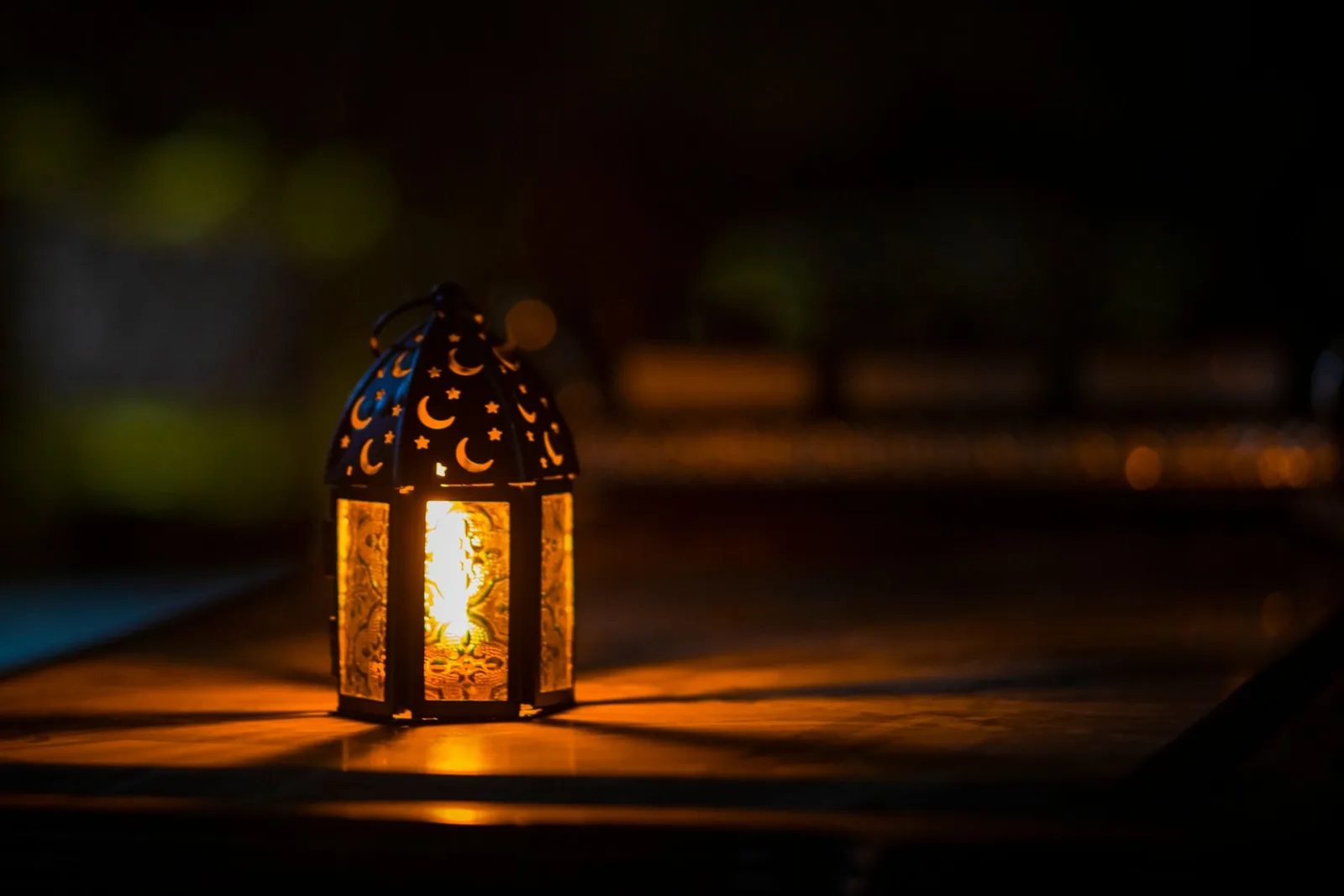
Ramadan is the holiest month in the Islamic calendar, observed by fasting from dawn to sunset. For Indian travelers, who are often familiar with diverse religious landscapes, navigating Morocco during this time can be a deeply rewarding cultural experience. While the pace of life slows during the day, the nights come alive with festive Iftar meals, traditional music, and vibrant night markets. With a little preparation and cultural sensitivity, your Moroccan adventure during Ramadan can be seamless and unforgettable.
What to Expect During Ramadan in Morocco
How the holy month impacts daily life, business hours, and tourist logistics.
Adjusted Opening Hours
Business hours shift significantly. Museums, palaces, and major attractions typically close earlier (around 3:00 PM or 4:00 PM) to allow staff to prepare for Iftar. Banks and government offices operate on reduced hours, usually 9:00 AM to 3:00 PM.
Quieter Days, Lively Nights
Daytime in the medinas is unusually quiet and relaxed. However, after sunset, the atmosphere transforms. Streets fill with people, shops reopen, and special night markets (like the expanded food stalls in Marrakech’s Jemaa el-Fnaa) operate late into the night.
Transport & Tours
Public transport (trains and buses) runs on normal schedules, though they may be more crowded just before Iftar. Private tour operators and guides continue to work but will schedule breaks for their own Iftar. Flexibility and advance communication with your guide are key.
Dining & Vegetarian Options During Ramadan
How to manage meals and dietary needs while respecting local customs.
While local eateries and street food stalls close during daylight hours, the tourism infrastructure remains functional. Here is how Indian travelers can navigate dining:
Tourist Riads & Hotels: Most boutique riads and international hotels continue to serve breakfast and lunch to guests discreetly. Inform your riad of your vegetarian or dietary needs upon booking.
Iftar Feasts: Many restaurants offer special Iftar menus. This is a fantastic opportunity for vegetarians to try traditional dishes like harira (hearty lentil and tomato soup), dates, fresh juices, and vegetable chebakia (sesame cookies).
Supermarkets: Large supermarkets (Marjane, Carrefour) remain open during the day and are excellent for buying bottled water, snacks, and fruits for your room.
Discretion is Key: If you must eat or drink during the day, do so inside your hotel, riad, or a designated tourist restaurant, away from public view.
Simple, respectful practices to ensure a harmonious experience for both you and the locals.
Respectful Behavior
No Public Consumption: Avoid eating, drinking (including water), chewing gum, or smoking in public spaces, streets, or public transport during daylight hours. This is not just a custom; it can be legally enforced in some areas.
Dress Modestly: Ramadan is a time of heightened spiritual reflection. Dressing conservatively (covering shoulders, chest, and knees) is especially important and shows deep respect for the local culture.
Be Patient: Service in cafes or shops may be slower than usual as staff are fasting. A polite and patient demeanor is greatly appreciated.
Greetings: Learn to say "Ramadan Mubarak" (Blessed Ramadan) or "Ramadan Karim" (Generous Ramadan). Locals warmly appreciate the gesture.
Photography Etiquette
Be extra cautious when photographing people during Ramadan. Many are fasting and may not wish to be photographed while eating or praying.
Always ask for explicit permission before taking photos of individuals, especially in the medinas or near mosques.
During the call to prayer (Adhan), it is respectful to pause conversations and avoid taking photos of worshippers.
Experiencing Iftar & Moroccan Nightlife
Why the nights during Ramadan are a magical time to explore Morocco.
Once the sunset cannon fires or the Adhan calls the faithful to break their fast, Morocco transforms. For travelers, this is a unique cultural highlight:
Iftar in the Medina: Join the communal spirit by booking an Iftar experience at a traditional riad or restaurant. Sharing dates, harira, and shebakia is a memorable way to connect with Moroccan hospitality.
Night Markets: Squares like Jemaa el-Fnaa in Marrakech expand with special Ramadan food stalls, offering a safe, vibrant, and delicious atmosphere for evening strolls.
Cultural Events: Look out for special Gnawa music performances, traditional storytelling, and evening cultural festivals that are uniquely scheduled during this month.
Frequently Asked Questions — Ramadan in Morocco
Quick answers to common logistical and cultural questions from Indian tourists.
1Is it safe to travel to Morocco during Ramadan?
Yes, Morocco is very safe during Ramadan. In fact, many travelers find the atmosphere more peaceful and culturally rich. However, you must respect local customs, such as avoiding eating, drinking, or smoking in public during daylight hours.
2Can Indian tourists find vegetarian food during Ramadan in Morocco?
Absolutely. Vegetarian options like harira (lentil soup), fresh bread, dates, and fruit juices are abundant, especially during Iftar (the meal to break the fast). Most tourist-focused riads and restaurants remain open and accommodate dietary requests discreetly.
3Do tourist attractions and shops close during Ramadan?
Opening hours are adjusted. Museums, palaces, and major attractions may close earlier (around 3:00 PM or 4:00 PM). Shops and souks typically close during the day and reopen vibrantly after Iftar, staying open late into the night.
4What are the 2026 Ramadan dates in Morocco?
In 2026, Ramadan in Morocco is expected to begin around mid-February and conclude in mid-March. Exact dates depend on the sighting of the moon and are officially announced by the Moroccan Ministry of Islamic Affairs.
Want to experience Morocco's rich culture with expert guidance? Our customized Ramadan-friendly itineraries ensure respectful, seamless, and unforgettable travel.
Note: Ramadan dates shift annually based on the lunar calendar. Business hours, transport schedules, and local regulations can vary by city and year. Always verify current conditions and official moon-sighting announcements closer to your travel date. For broader trip planning, refer to our Morocco Travel Guide.
About This Ramadan Travel Guide
This Morocco Ramadan guide is researched and updated for 2026, providing Indian travelers with practical, culturally aware advice to navigate the holy month respectfully and confidently.
India-Specific Insights
Tailored advice on vegetarian Iftar options, cultural etiquette familiar to Indian travelers, and practical tips for managing dietary needs discreetly.
Verified Local Logistics
Accurate, on-the-ground information regarding adjusted attraction hours, supermarket availability, and official tourism guidelines during the holy month.
2026 Updated Data
Regularly reviewed to reflect current expected Ramadan dates, transport adjustments, and cultural norms in major Moroccan cities.
Fill out the enquiry form below and our travel experts will help you plan your Morocco tour — including Ramadan-friendly riads, adjusted itineraries, and cultural guidance.
Get a customized, culturally aware Morocco itinerary and instant quote for your adventure.