A Taste of Uganda: Hearty, Starchy, and Surprisingly Familiar
What Indian travelers need to know about dining in the Pearl of Africa.
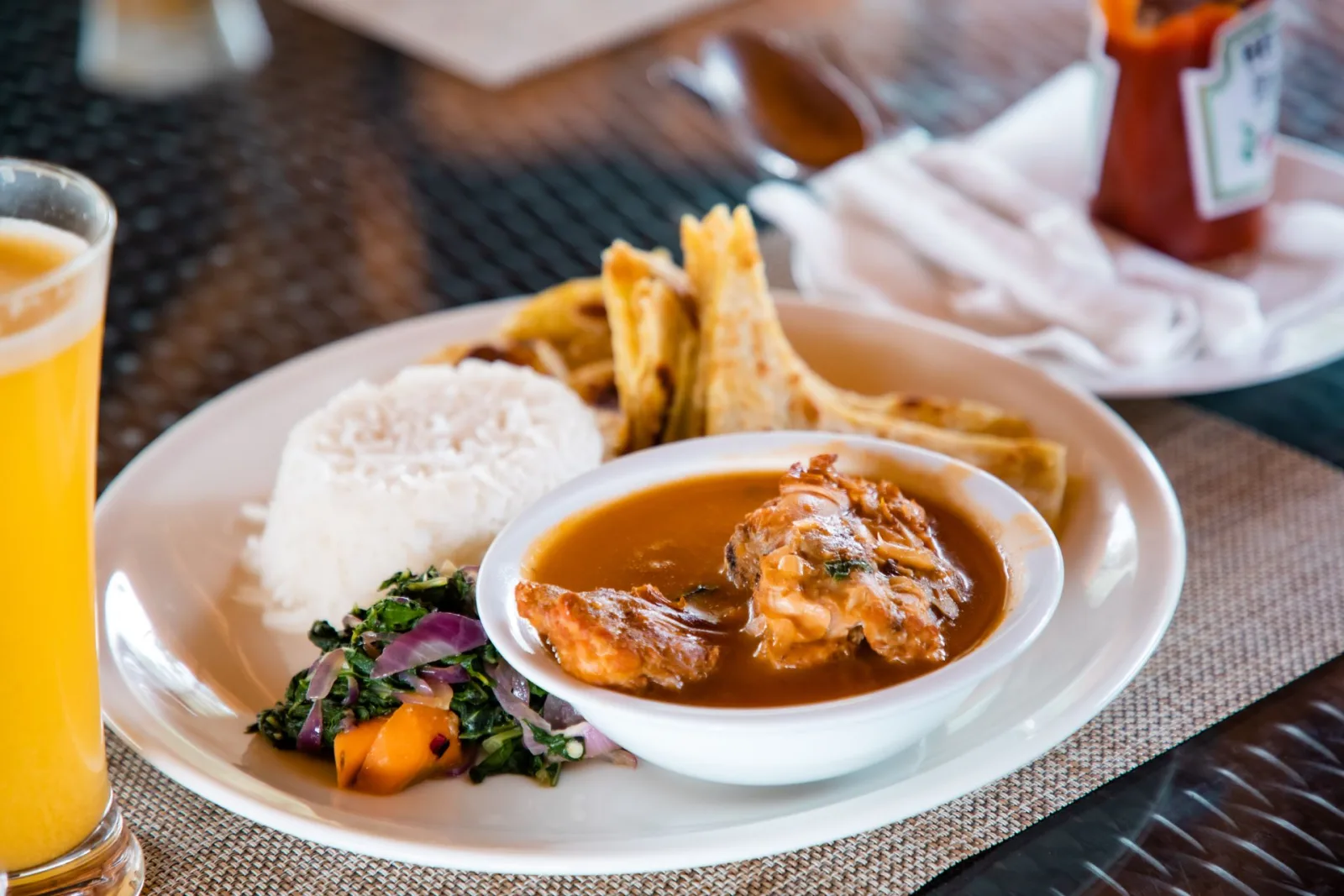
Ugandan cuisine is heavily rooted in agriculture, relying on starchy staples, fresh vegetables, and rich groundnut (peanut) sauces. For Indian travelers, the food landscape is surprisingly comforting. Thanks to a historic Indian-Ugandan community that has influenced the country's culinary scene for over a century, you will find familiar flavors like chapati, samosas, and spicy stews alongside traditional Ugandan dishes.
Whether you are eating at a roadside stall in Kampala or dining at a luxury safari lodge in Bwindi, understanding the local food culture will greatly enhance your Uganda safari itinerary. For a complete breakdown of meals included in your trip, refer to our Uganda trip cost guide.
Must-Try Ugandan Dishes
The culinary staples that define the Ugandan diet.
Do not let the name fool you; this has nothing to do with watches. The Rolex is Uganda's ultimate street food — a soft, flaky chapati rolled with a fried omelette, cabbage, tomatoes, and onions. It is cheap, filling, and delicious. Vegetarian tip: Ask for it "without egg" to get a vegan chapati roll.
Matoke consists of green cooking bananas that are peeled, wrapped in banana leaves, and steamed until soft. It is usually mashed and served with a rich groundnut (peanut) sauce, bean stew, or meat. It is naturally vegetarian, gluten-free, and a comforting staple across the country.
Luwombo is a traditional royal dish where meat, chicken, or mushrooms are marinated, wrapped in banana leaves, and steamed to perfection. The food is almost always accompanied by Groundnut Sauce, a rich, savory peanut gravy that pairs beautifully with rice or posho (maize porridge).
Uganda's fertile soil produces incredible fruit. Look out for exceptionally sweet pineapples, creamy avocados, massive jackfruits, and fresh passion fruit juice. Fruit is widely available at local markets and is a safe, healthy snack when peeled by your lodge staff.
Vegetarian & Vegan Dining in Uganda
Reassuring news for Indian travelers with plant-based diets.
One of the biggest concerns for Indian travelers is food. Rest assured, Uganda is highly accommodating for vegetarians. The traditional diet is heavily plant-based, and meat is often treated as a side dish or luxury rather than the center of every plate.
- Posho (Ugali): A stiff maize porridge, similar to Indian makki ki roti or polenta, served with bean or vegetable stews.
- Cassava & Sweet Potatoes: Boiled or fried, these are common side dishes that are naturally vegan.
- Beans & Peas: Stewed with onions and tomatoes, often served as the primary protein source in rural areas.
- Chapati: Ugandan chapatis are flaky, soft, and vegan. They are eaten with almost every meal.
Mid-range and luxury safari lodges in Queen Elizabeth and Bwindi are highly experienced with international dietary requirements.
- Buffets always feature extensive vegetarian, vegan, and gluten-free options.
- Chefs can easily prepare Indian-style dal, vegetable curries, and rice upon request.
- Crucial Tip: Inform your tour operator at least 7 days before your trip so lodges can source specific ingredients like lentils, paneer, or specific spices.
Indian Restaurants in Kampala & Jinja
Where to find authentic dal, roti, and thalis when you crave a taste of home.
Uganda has a deep historical connection with the Indian subcontinent. As a result, Kampala and Jinja boast a vibrant Indian-Ugandan community and excellent Indian restaurants.
- Kamukya & Ntinda (Kampala): These neighborhoods are the heart of the Indian-Ugandan community. You will find authentic Gujarati, South Indian, and North Indian vegetarian thalis, dosas, and chaat here.
- Downtown Kampala: Several historic Indian-owned restaurants in the city center serve excellent meat and vegetarian curries, biryanis, and fresh naan.
- Jinja Town Center: Thanks to the historical Indian presence in Jinja, you can easily find local eateries serving simple, homestyle Indian vegetarian meals and fresh chapatis.
- Supermarkets: Carrefour and Capital Shoppers in Kampala stock Indian brands of lentils, spices, atta (flour), and snacks, allowing you to buy supplies for your lodge if you are on a self-drive trip.
Safe Dining & Hygiene Tips for Indians
How to enjoy the local food without upsetting your stomach.
- Tap Water: Never drink tap water in Uganda. Always consume sealed bottled water.
- Ice Cubes: Avoid ice in drinks at local bars or street stalls. Upscale lodges and restaurants use purified water for ice, but it is safer to ask first.
- Hot Drinks: Tea and coffee are safe as the water is boiled. Ugandan coffee is world-class; try it black or with milk.
- Rolex Stalls: The Rolex is generally safe because the chapati and eggs are cooked at high heat. Ensure the vendor uses clean oil and fresh vegetables.
- Raw Salads: Avoid raw salads and unpeeled fruits at local street vendors, as they may have been washed in tap water.
- Fruit Rule: Only eat fruits that you can peel yourself (bananas, oranges, mangoes, avocados).
Tipping Culture: Tipping 5–10% in restaurants is appreciated if a service charge is not already included. For your safari guide and lodge staff, refer to the tipping guidelines in our Uganda trip cost guide.
Is it easy for vegetarians to eat in Uganda? Yes. Ugandan staples like Matoke, posho, beans, and chapati are naturally vegetarian. Kampala also has excellent Indian restaurants serving authentic thalis and dosas.
What is the Rolex? The Rolex is Uganda's famous street food — a soft chapati rolled with a fried omelette, cabbage, and tomatoes. Vegetarians can order it without the egg.
Is tap water safe? No. Always drink sealed bottled water and avoid ice cubes in drinks from street vendors or local bars.
Uganda Food & Dining FAQs
Quick answers to dietary and restaurant questions from Indian travelers.
1Is it easy for vegetarian Indians to find food in Uganda?
Yes, absolutely. Ugandan cuisine relies heavily on plant-based staples like Matoke (steamed green bananas), sweet potatoes, cassava, beans, and posho (maize porridge). Additionally, Kampala and Jinja have a significant Indian-Ugandan community, meaning authentic vegetarian Indian thalis, dosas, and chapatis are widely available.
2What is the famous Ugandan street food "Rolex"?
The Rolex is Uganda's most popular street food. It consists of a soft, flaky chapati rolled with a fried omelette, cabbage, tomatoes, and onions. It is cheap, delicious, and a must-try. Strict vegetarians can ask for it without the egg (just the chapati and vegetables).
3Is tap water safe to drink in Uganda?
No, tap water is not safe for tourists to drink in Uganda. Always stick to sealed bottled water, which is widely available at all lodges, supermarkets, and restaurants. Avoid ice cubes in drinks unless you are certain they were made from purified water.
4How much does a meal cost in Uganda?
A local street food meal like a Rolex costs around UGX 3,000–5,000 (₹70–₹110). A meal at a local Ugandan restaurant costs UGX 15,000–30,000 (₹330–₹660), while a mid-range restaurant in Kampala will cost UGX 40,000–80,000 (₹880–₹1,750) per person. Most safari lodges include all meals in your package.
5Do safari lodges in Uganda accommodate Indian dietary requirements?
Yes, mid-range and luxury safari lodges in Uganda are highly accustomed to international tourists and easily accommodate vegetarian, vegan, and Jain dietary requirements. It is highly recommended to inform your tour operator or the lodge at least a week in advance so they can source the right ingredients.
Planning a Uganda Safari with specific dietary needs? Let our experts ensure your lodges are fully prepared.
Plan Your Uganda Safari →
Disclaimer: Food hygiene standards can vary, especially at street stalls. The advice provided is based on general traveler experiences. Always use your best judgment, stick to bottled water, and consult your lodge staff for the safest dining recommendations in any given area.