Shopping in Uganda: Authentic Crafts & Cultural Heritage
From UNESCO-recognized bark cloth to world-class coffee, here is what to bring home.
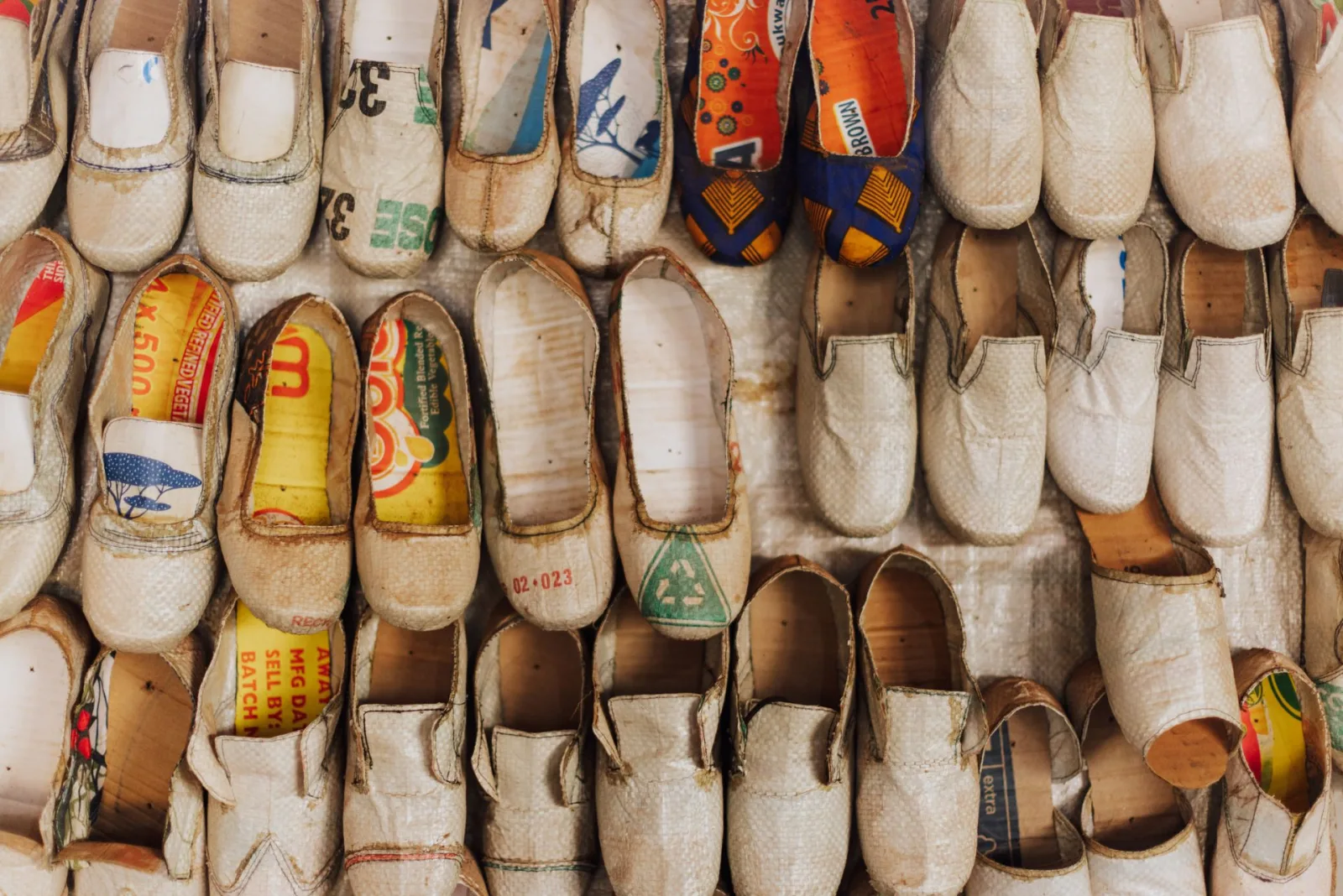
Uganda offers a rich tapestry of handcrafted souvenirs that reflect its deep cultural roots and incredible biodiversity. For Indian travelers accustomed to vibrant bazaars, Kampala’s markets will feel both familiar and entirely unique. Whether you are hunting for authentic art in chaotic local markets or picking up fixed-price gifts at upscale craft shops, understanding the local shopping landscape is a great way to connect with the community.
Most visitors do their primary shopping in Kampala at the start or end of their Uganda safari itinerary. For a complete breakdown of flights, visas, and total trip costs, refer to our comprehensive Uganda Travel Guide.
Famous Markets & Shopping Hubs in Kampala
Where to go for authentic local experiences vs. stress-free tourist shopping.
Kampala’s largest, oldest, and most chaotic market. It is an overwhelming sensory experience where locals buy everything from fresh produce to second-hand clothing.
- Best for: Authentic cultural immersion, buying local fabrics, and fresh produce.
- Tip for Indians: Keep your valuables tightly secured, go with a local guide, and be prepared to bargain aggressively. It is not recommended for those uncomfortable with extreme crowds.
For a stress-free, highly secure shopping experience, head to the Women's Craft Market (near the Sheraton Hotel) or Kazuri Beads.
- Best for: High-quality wood carvings, bark cloth, Agaseke peace baskets, and handmade ceramic jewelry.
- Tip: These venues offer fixed prices (no bargaining required). It is the safest and most reliable place for tourists to buy authentic souvenirs. Check out our Kampala city guide for more location details.
If you need familiar international brands, supermarkets, or a comfortable, air-conditioned environment, Kampala’s major malls are excellent.
- Best for: Supermarket shopping (Carrefour, Shoprite), buying packaged Ugandan coffee, and familiar international clothing brands.
- Tip: These malls also house curated craft kiosks where you can buy high-end souvenirs at fixed, transparent prices.
Top Ugandan Souvenirs to Bring Home
Unique, culturally significant, and highly valued gifts for family and friends.
Uganda produces world-class Arabica (from the Rwenzori mountains) and Robusta coffee. Buying freshly roasted beans or ground coffee directly from local brands like Good African Coffee is a must. Ugandan black tea is also excellent and highly affordable.
Bark cloth is a traditional, eco-friendly fabric made by harvesting and beating the inner bark of the Mutuba tree. It has a rich, terracotta color and a textured feel. The craft is recognized by UNESCO as an Intangible Cultural Heritage. You can buy it by the meter or as finished garments and table runners.
These beautifully woven, lidded baskets are traditionally made from sweetgrass and banana leaves. Originally used to store grain or keep secrets, they are now a symbol of peace and reconciliation in the Great Lakes region. They make stunning, lightweight souvenirs.
Ugandan artisans carve incredible sculptures from local hardwoods. Look for detailed gorilla and elephant figurines, tribal masks, and chess sets. For art lovers, vibrant acrylic paintings and batiks depicting Ugandan wildlife and village life are widely available at craft markets.
Shopping & Bargaining Tips for Indian Travelers
How to navigate markets, handle currency, and avoid common tourist pitfalls.
- Local Currency: Ugandan Shilling (UGX). This is the preferred currency for local markets and street vendors.
- USD Cash: High-end craft shops, lodges, and airlines often accept USD. If paying in USD, notes must be crisp and printed after 2013.
- Indian Rupee (INR): Not accepted anywhere. Do not bring INR for shopping.
- Cards: Visa/Mastercard are accepted at major malls, supermarkets, and upscale craft galleries. Cash is king for street markets.
- Where to Bargain: Owino Market, street vendors, and independent craft stalls. Bargaining is expected and part of the social interaction.
- Where NOT to Bargain: Supermarkets, modern malls, the Women's Craft Market, and Kazuri Beads. Prices here are fixed.
- How to Bargain: Smile, be polite, and start by offering 50% of the initial asking price. Settle somewhere in the middle. Never get aggressive; keep it friendly.
- Export Rules: Do not buy ivory, animal skins, or protected wood. Always ask for a receipt if you are buying expensive art or antiques that may require customs clearance at Entebbe Airport.
Budget Tip: Allocating ₹10,000 – ₹20,000 in your overall Uganda trip budget for souvenirs and tips will ensure you can bring home wonderful gifts without stress.
What are the best souvenirs to buy in Uganda? World-class Ugandan coffee, traditional UNESCO-recognized bark cloth, intricately woven Agaseke peace baskets, and hand-carved wooden wildlife sculptures.
Where is the safest place to shop in Kampala? The Women's Craft Market (near the Sheraton Hotel), Kazuri Beads, and upscale malls like Acacia Mall offer fixed prices, high-quality authentic crafts, and a secure environment for tourists.
Is bargaining expected in Uganda? Yes, at local markets like Owino. However, bargaining is not practiced at fixed-price craft shops, galleries, or modern shopping malls.
Uganda Shopping & Markets FAQs
Quick answers to practical shopping questions from Indian travelers.
1What are the best souvenirs to buy in Uganda?
The best Ugandan souvenirs include world-class Arabica and Robusta coffee, traditional bark cloth (a UNESCO intangible heritage), intricately woven Agaseke peace baskets, hand-carved wooden gorilla and elephant sculptures, and high-quality vanilla beans.
2Is bargaining expected in Kampala markets?
Yes, bargaining is highly expected and part of the culture at local markets like Owino Market. However, at fixed-price venues like the Women's Craft Market, Kazuri Beads, or modern shopping malls like Acacia Mall, prices are firm and bargaining is not practiced.
3Can I pay with USD or Indian Rupees at Ugandan markets?
Indian Rupees (INR) are not accepted anywhere in Uganda. Ugandan Shillings (UGX) are preferred for local markets and street vendors. High-end craft shops and lodges often accept crisp USD bills (printed after 2013), but you will get better change if you pay in local currency.
4Where is the safest place for tourists to shop in Kampala?
For a safe, stress-free shopping experience with high-quality, authentic crafts, visit the Women's Craft Market (near the Sheraton Hotel), Kazuri Beads, or the craft shops in upscale malls like Acacia Mall and Garden City. These venues offer fixed prices and are highly secure for tourists.
5What is Ugandan bark cloth?
Bark cloth is a traditional, eco-friendly fabric made by harvesting the inner bark of the Mutuba tree. It is beaten into a soft, terracotta-colored textile. The craft is so significant that it is recognized by UNESCO as an Intangible Cultural Heritage of Humanity.
Planning a Uganda Safari? Let our experts help you navigate the best local experiences and cultural stops.
Plan Your Uganda Safari →
Disclaimer: Market conditions, vendor locations, and prices can fluctuate. The shopping advice provided is based on general traveler experiences. Always verify export regulations for wooden or agricultural products before departing from Entebbe International Airport.