Vietnam regional climate variations and typhoon season impacts for 2026
Tet (Lunar New Year) 2026 dates and their effect on domestic transport and business closures
Updated flight fare trends from India to Vietnam across peak and off-peak seasons
Fact-checked April 2026
Last updated: April 2026
Vietnam Climate Overview
Understanding the diverse weather patterns across this elongated S-shaped country.
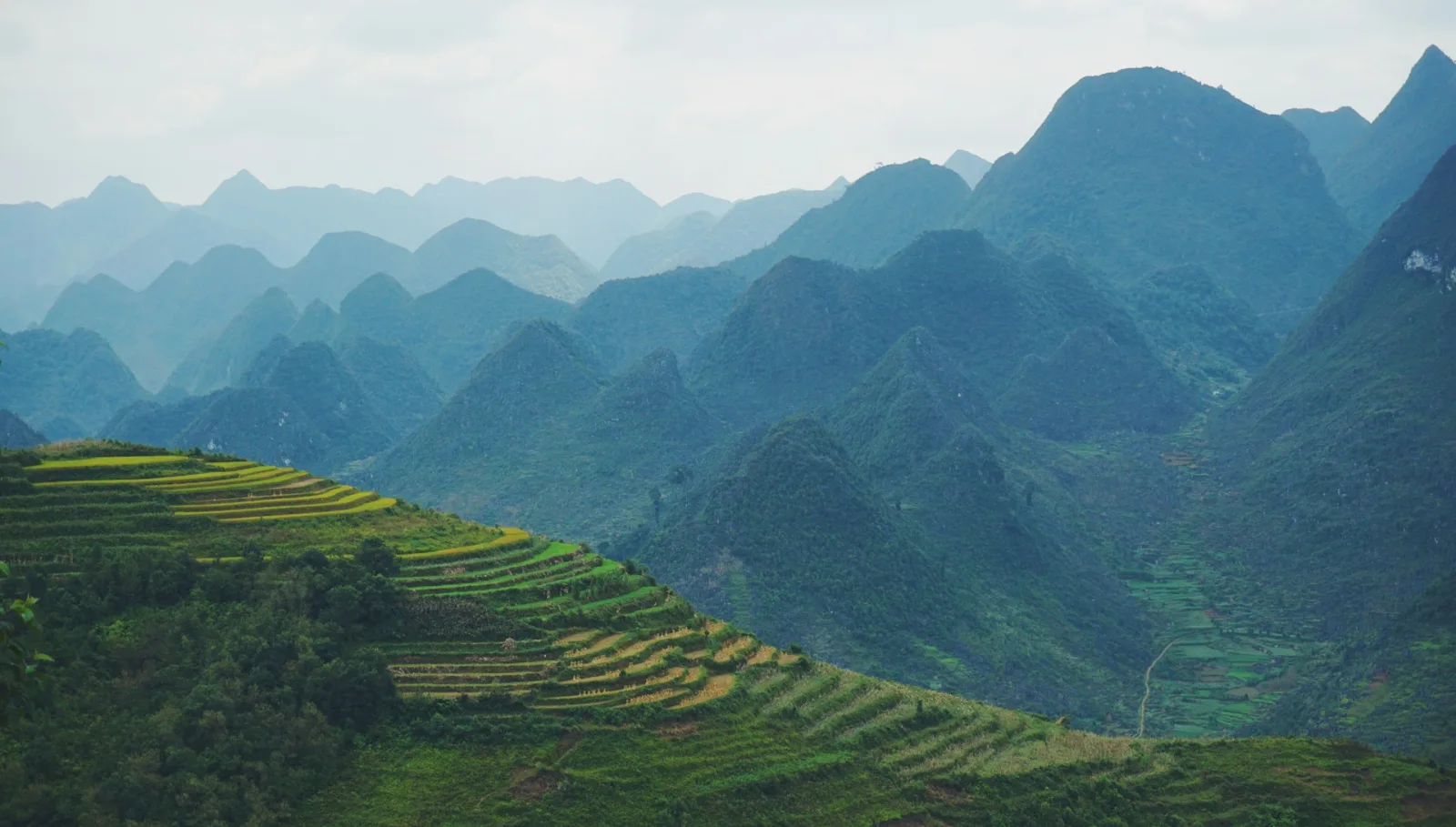
Vietnam's climate is as diverse as its landscape. Because the country stretches over 1,600 kilometers from north to south, it experiences distinct regional weather patterns rather than a single national season. Timing your trip correctly is crucial to avoid regional monsoons and typhoons, ensuring you get the most out of your itinerary.
For a complete destination overview including detailed itineraries and travel logistics, refer to our comprehensive Vietnam travel guide.
North Vietnam (Hanoi, Ha Long Bay, Sapa)
Four distinct seasons with cool winters and hot, humid summers.
Weather Patterns
Winter (Nov – Mar): Cool and dry. Temperatures range from 10°C to 20°C. Hanoi can feel chilly, and Sapa can drop near freezing. This is the peak tourist season.
Summer (May – Aug): Hot, humid, and rainy. Temperatures frequently exceed 35°C with high humidity. Heavy downpours are common in the afternoons.
Spring/Autumn (Apr, Sep – Oct): Pleasant and mild. October is widely considered the best month to visit the North, with clear skies and comfortable temperatures.
Best Time: October to December, or March to April.
Central Vietnam (Hoi An, Da Nang, Hue)
A long dry season perfect for beaches, followed by a risky typhoon season.
Weather Patterns
Dry Season (Jan – Aug): Hot and sunny. Temperatures climb steadily, peaking in June and July (35°C+). Ideal for Da Nang beaches and Hoi An lantern-lit evenings.
Rainy Season (Sep – Dec): The central coast is highly susceptible to typhoons and monsoon rains. October and November often see severe flooding, particularly in Hoi An's ancient town.
Best Time: February to May, or August (before the heavy rains begin).
South Vietnam (Ho Chi Minh City, Mekong Delta, Phu Quoc)
Tropical climate with only two seasons: dry and rainy.
Weather Patterns
Dry Season (Dec – Apr): Hot and sunny. Temperatures consistently hover around 30°C–35°C. This is the best time for beach resorts in Phu Quoc and exploring the Mekong Delta.
Rainy Season (May – Nov): Humid with frequent, short, heavy downpours usually occurring in the late afternoon. It rarely rains all day, so sightseeing is still very possible.
Best Time: December to April.
Month-by-Month Guide for Indian Travelers
Aligning Vietnam's seasons with Indian holidays and travel budgets.
Season
Months
Weather & Vibe
Indian Travel Context
Peak Season
Oct – Mar
Cool, dry, pleasant nationwide
Aligns with Diwali and winter holidays. Highest demand; book flights and budget for peak fares.
Shoulder
Apr, Sep
Warming up or tail-end of rain
Good balance of decent weather and lower hotel rates. Great for budget travelers.
Off-Peak
May – Aug
Hot, humid, daily downpours
Coincides with Indian summer school holidays. Cheapest flights, but expect heat and rain.
Regardless of when you travel, ensure your Vietnam e-Visa is applied for at least two weeks before your departure date, especially during peak holiday rushes.
Festivals & Public Holidays
How major Vietnamese holidays impact your travel plans.
Tet (Lunar New Year)
Tet is the most important holiday in Vietnam, usually falling in late January or early February. While the festive atmosphere is vibrant, many shops, museums, and restaurants close for several days. Domestic transport is fully booked months in advance by locals traveling home. If you plan to visit during Tet, ensure your tours and transfers are pre-arranged.
Mid-Autumn Festival
Held on the 15th day of the 8th lunar month (usually September), this festival is especially magical in Hanoi and Hoi An. Children carry colorful lanterns, and streets are filled with lion dances and mooncake vendors. It is a fantastic cultural experience for families.
Quick answers to help you choose the perfect dates for your trip.
1What is the absolute best month to visit Vietnam from India?
October and November are widely considered the best months. The weather is pleasant across the entire country, with minimal rain in the North, Central, and South regions, making it ideal for a comprehensive multi-city itinerary.
2Is the Vietnam monsoon season a dealbreaker for Indian tourists?
Not necessarily. Because Vietnam is long, the monsoon affects regions at different times. If you visit the South (Ho Chi Minh City) during its rainy season (May-October), you will typically experience short, heavy afternoon downpours rather than all-day rain, leaving plenty of time for sightseeing.
3When is the cheapest time to fly from India to Vietnam?
The cheapest time to fly is during the off-peak summer and monsoon months, from May to August. While you may encounter heat and rain, flight fares and hotel rates can be significantly lower than during the peak winter season.
4Does it snow in Northern Vietnam?
Snow is extremely rare in Vietnam. However, in the northern mountainous region of Sapa, temperatures can drop near freezing in December and January, occasionally leading to frost or light snow flurries on the highest peaks.
5How does Tet (Lunar New Year) affect travel in Vietnam?
Tet usually falls in late January or early February. While it is a fascinating cultural experience, many businesses, museums, and shops close for several days. Domestic transport is fully booked by locals traveling home. It is best to avoid arriving in major cities during the first three days of Tet unless you have pre-arranged tours.
Ready to experience Vietnam's diverse landscapes at the perfect time? Let our experts craft your ideal itinerary.
Note: Weather patterns can vary due to global climate shifts. Always check a reliable 14-day forecast before packing, and consider travel insurance that covers weather-related itinerary changes.