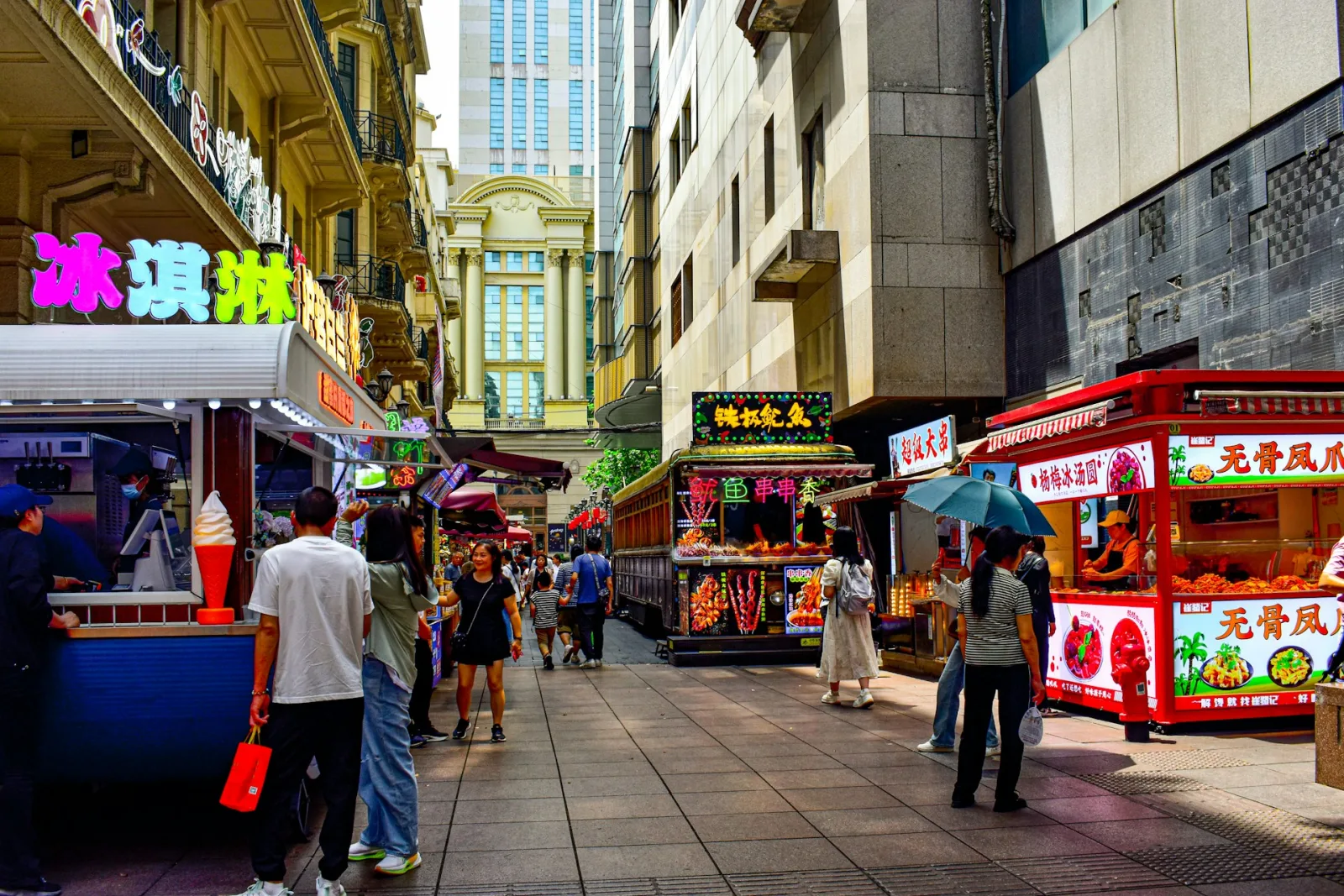
Vibrant Chinese street food stall with steaming woks, colorful skewers, and vendors preparing fresh snacks at night market

China Street Food Guide
for Indian Travelers 2026

Safe eating tips, hygiene rules, must-try snacks, Alipay setup & vegetarian options for confident street food exploration in China.

Written by Nisha Chaudhary — Asia Travel Specialist
Reviewed by Namrata Sethi · Asia Travel Reviewer
Last updated after reviewing:
  • Chinese National Food Safety Bureau street vendor hygiene compliance updates (Jan 2026)
  • Alipay foreign card transaction limits at street food vendors (Mar 2026)
  • Beijing/Shanghai night market operating hours & tourist access rules (Feb 2026)

Updated: April 2026

Street Food in China: A Practical Guide for Indian Travelers
Navigate China\'s vibrant street food scene safely — with hygiene tips, vegetarian options, Alipay payment setup, and city-wise recommendations for 2026.

China\'s street food culture is legendary — affordable, diverse, and deeply regional. For Indian travelers, exploring street stalls offers authentic flavors and cultural immersion. However, navigating hygiene standards, language barriers, and payment systems requires preparation. This guide provides actionable strategies for Indian tourists: safe eating rules, vegetarian-friendly snacks, Alipay setup, and city-wise street food hotspots.

Key Update 2026: Chinese National Food Safety Bureau has increased hygiene compliance checks at tourist-area street vendors. Alipay now supports direct international Visa/Mastercard linkage with improved transaction limits for small vendor payments.

← Back to China Food & Cuisine Guide for complete dining recommendations and restaurant reviews.

Street Food Safety Rules for Indian Travelers

Hygiene Checklist

  • Choose busy stalls: High turnover = fresher ingredients, less risk of spoilage
  • Watch food being cooked: Prefer stalls where you see food prepared fresh in front of you
  • Avoid raw garnishes: Skip raw vegetables, herbs, or sauces that may have been washed in untreated water
  • Use hand sanitizer: Carry alcohol-based sanitizer; wash hands before eating
  • Drink bottled water only: Avoid ice cubes or tap water rinses; sealed bottles are safest
  • Prefer Alipay vendors: Established vendors accepting digital payment are generally more regulated
  • Start simple: Begin with familiar flavors (fried dough, candied fruit) before exploring complex dishes

What to Avoid

  • Pre-cut fruit: May have been washed in untreated water; prefer whole fruit you peel yourself
  • Uncooked seafood: Raw oysters, sashimi-style preparations carry higher risk for travelers
  • Street dairy: Unpasteurized milk products; stick to sealed packaged items
  • Isolated stalls: Avoid vendors in quiet alleys or rural areas with low tourist traffic
  • Overly cheap deals: Extremely low prices may indicate questionable ingredient quality
  • Unfamiliar spices: If sensitive to spice, request "Bu la" (no spice) or try mild options first
Must-Try Street Foods for Indian Travelers

Beginner-Friendly Snacks

  • Jianbing (煎饼): Savory crepe with egg, scallions, crispy wonton strip. Breakfast staple. ¥8–¥15 (₹90–₹170). Request "Bu yao rou" (no meat) for vegetarian version.
  • Tanghulu (糖葫芦): Candied hawthorn berries on skewers. Sweet, crunchy, naturally vegetarian. ¥8–¥12 (₹90–₹140). Great starter snack.
  • Persimmon Cakes: Sweet fried dough with persimmon filling. Naturally vegetarian. ¥8–¥12 (₹90–₹140). Popular in Xi\'an Muslim Quarter.
  • Steamed Buns (Baozi): Vegetable-filled versions available. ¥5–¥10 (₹57–₹115). Verify filling is vegetable, not pork.
  • Malatang (麻辣烫): DIY spicy broth bowls. Choose vegetables, tofu, noodles; avoid meat options. ¥20–¥40 (₹230–₹460). Highly customizable.

Pro Tip: Start with Tanghulu or Jianbing — familiar textures, low spice, widely available. Gradually explore more complex dishes as you gain confidence.

See complete vegetarian dining guide →

Vegetarian Street Food Options in China

Tip: Carry a translation card specifying "Qing zhen / Su shi, no meat stock, no lard" to avoid hidden animal fats in seemingly vegetarian street food.

Safe Vegetarian Street Snacks

  • Tanghulu: Candied fruit — naturally vegetarian, no hidden ingredients
  • Persimmon Cakes: Sweet fried dough — verify no lard in batter
  • Vegetable Jianbing: Request "Bu yao rou, bu yao dan" (no meat, no egg) for vegan version
  • Steamed Vegetable Buns: Confirm filling is vegetable, not pork/seafood
  • Malatang (Vegetable Bowl): Choose tofu, mushrooms, vegetables; request mushroom broth
  • Roasted Sweet Potatoes: Sold from carts in winter; naturally vegetarian

Translation Card: Show "Wǒ shì sùshí zhě. Qǐng bùyào fàng ròu, ròutāng, zhūyóu huò hǎixiān. Xièxiè." to vendors for clarity.

Street Food Budget Guidance

  • Basic Snacks (Tanghulu, Baozi): ¥5–¥15 (₹57–₹170) per item
  • Hearty Items (Jianbing, Malatang): ¥15–¥40 (₹170–₹460) per serving
  • Full Street Food Meal: ¥30–¥80 (₹345–₹920) for 2–3 items
  • Daily Street Food Budget: ₹500–₹1,500 for adventurous eaters
  • Payment: Most vendors accept Alipay; carry ¥200–¥500 cash backup
Alipay Setup for Street Food Payments

Payment Setup Checklist

  • Pre-Travel: Download Alipay, link international Visa/Mastercard, enable cross-border transactions via Indian bank app
  • Real-Name Verification: Upload passport photo page within Alipay — mandatory for foreign card linkage
  • Test Payment: Make small test transaction (¥10) before departure to confirm card works
  • Transaction Limits: ~¥2,500–¥6,000 per payment without local Chinese bank binding
  • Fees: Alipay charges 3% on transactions above ¥200; Indian banks may add 1–3% cross-border fees
  • Cash Backup: Carry ¥200–¥500 for small vendors or network outages

Using Alipay at Street Stalls

  • Scanning vendor QR: Open Alipay → "Scan" → point camera at vendor QR → confirm amount → authenticate
  • Vendor scans your code: Tap "Pay/Receive" → show payment barcode → vendor scans with their device
  • Offline mode: Some transactions work with limited connectivity, but internet is required for most payments
  • Receipts: Digital receipts auto-save in Alipay; request printed receipt if needed for customs
  • Troubleshooting: If payment fails, try splitting into smaller amounts or use cash backup
Best Cities for Street Food Exploration

Top Street Food Destinations

  • Beijing — Wangfujing Snack Street: Tourist-friendly, English signage, vegetarian options available
  • Xi\'an — Muslim Quarter: Vibrant night market, vegetarian biangbiang noodles, persimmon cakes
  • Chengdu — Jinli Ancient Street: Sichuan-style snacks, request "Bu la" for mild spice
  • Shanghai — Yuyuan Bazaar: Upscale street food, vegetarian dumplings, Alipay widely accepted
  • Guangzhou — Beijing Road: Cantonese dim sum street versions, vegetarian-friendly options

Pro Tip: Visit street food areas during evening hours (6–9 PM) for widest variety and freshest preparations.

Planning a food-focused China trip? Our specialists coordinate street food tours, vegetarian meal planning, and Alipay setup assistance.

Get China Food Tour Package →
Frequently Asked Questions — China Street Food for Indians
1Is Chinese street food safe for Indian tourists?
Generally yes, if you follow basic hygiene rules: choose busy stalls with high turnover, eat food cooked fresh in front of you, avoid raw garnishes, and use Alipay/WeChat Pay at established vendors. Bottled or boiled water only. Jianbing (savory crepes) and Tanghulu (candied fruit) are excellent starter options for Indian travelers.
2Can vegetarians eat street food in China?
Yes, with caution. Many street snacks like Tanghulu (candied fruit), Jianbing (request no meat/egg), steamed buns (vegetable filling), and persimmon cakes are vegetarian-friendly. Always carry a Mandarin translation card specifying "Su shi, no meat stock" as many seemingly vegetarian items use pork fat or meat broth.
3What are must-try street foods in China for Indian travelers?
Jianbing (savory crepe with egg), Tanghulu (candied hawthorn), Roujiamo (Chinese burger — request vegetarian version), Shengjianbao (pan-fried soup dumplings), Malatang (DIY spicy broth bowl — customize ingredients). Start with familiar flavors and gradually explore.
4How do I pay for street food in China as an Indian traveler?
Alipay is widely accepted at street vendors. Link your international Visa/Mastercard before arrival and enable cross-border transactions. Most vendors display QR codes — open Alipay, tap "Scan", point camera, confirm payment. Carry ¥200–¥500 cash backup for small vendors or network outages.
5Which cities have the best street food for Indian tourists?
Beijing (Wangfujing Snack Street), Xi\'an (Muslim Quarter), Chengdu (Jinli Ancient Street), Shanghai (Yuyuan Bazaar), and Guangzhou (Beijing Road). These areas have high tourist traffic, English signage, and vegetarian-friendly options. Avoid isolated street stalls in rural areas.
6What hygiene rules should Indian travelers follow for Chinese street food?
Choose stalls with long queues (high turnover), watch food being cooked fresh, avoid raw vegetables/garnishes, use hand sanitizer before eating, drink only bottled/boiled water, and prefer vendors who accept Alipay (more established). If in doubt, skip it.

Disclaimer: Street food hygiene standards, vendor operating hours, and menu offerings may vary by location and season. Food safety regulations and Alipay transaction policies are subject to change. Always verify current conditions via official channels before travel. Destination To Plan provides guidance only; actual dining experiences depend on real-time vendor conditions and ingredient availability.

Need a China Food Tour Itinerary?

Fill out the enquiry form below and our China specialists will design a food-focused itinerary with street food tours, vegetarian meal planning, and Alipay setup assistance.

Get personalised street food routing for Beijing, Xi'an, Chengdu, Shanghai, or Guangzhou — with hygiene tips, payment setup, and L-visa guidance.
Enquire About This Package