
Fiji police tourist assistance updates for Indian travelers (2026)
Nadi International Airport security screening procedure changes
Updated health advisories for Indian tourists visiting Fiji islands 2026
Fact-checked April 2026
Last updated: April 2026
General Safety in Fiji for Indian Travelers
Understanding Fiji's safety landscape and practical precautions for a worry-free holiday.
Good News: Fiji is generally very safe for Indian tourists. Resort areas, Nadi, and major tourist islands are well-monitored with low violent crime rates against tourists.
Crime Prevention Tips
Secure valuables: Use hotel safes for passports, excess cash, and electronics. Carry only daily spending money.
Avoid isolated areas at night: Stick to well-lit, populated areas after dark, especially in Nadi and Suva.
Use registered transport: Always use registered taxis or resort shuttles. Avoid unlicensed vehicles.
Be cautious with belongings: Keep bags closed and in front of you in crowded markets or ferry terminals.
Respect local customs: Dress modestly when visiting villages. Ask permission before photographing people or sacred sites.
Area-Specific Safety Notes
Nadi: Generally safe during daylight. Exercise normal caution in town center after dark.
Port Denarau: Secure resort area with 24/7 security. Very safe for families and solo travelers.
Coral Coast: Resort areas are secure. Use resort shuttles for evening travel to nearby towns.
Mamanuca/Yasawa Islands: Remote islands are very safe. Follow resort safety briefings for water activities.
Suva: Capital city requires standard urban precautions. Avoid walking alone in isolated areas after dark.
Health & Medical Safety for Indian Travelers
Essential health precautions, medical facilities, and travel insurance guidance for Fiji.
Pre-Travel Health Preparation
Travel insurance: Mandatory. Ensure coverage includes medical evacuation, as remote islands may require air ambulance transfers.
Vaccinations: No mandatory vaccines for Fiji from India. Routine vaccines (MMR, tetanus) should be up to date.
Prescription medications: Carry sufficient supply in original packaging with doctor's prescription. Fiji customs may require documentation.
Basic medical kit: Pack antiseptic, bandages, anti-diarrheal, pain relievers, and motion sickness tablets for island transfers.
Dengue prevention: Rare but possible in wet season (Nov–Mar). Use mosquito repellent with DEET or picaridin.
Medical Facilities in Fiji
Nadi: Nadi Hospital (public), private clinics with English-speaking doctors. Adequate for minor issues.
Suva: Colonial War Memorial Hospital (main public hospital), private specialists available.
Resort areas: Most resorts have first-aid trained staff and can arrange doctor visits for minor issues.
Remote islands: Limited medical facilities. Serious cases require evacuation to Nadi or Suva via air ambulance.
Pharmacies: Available in Nadi, Suva, and Lautoka. Carry essential medications as specific brands may not be available.
Water Safety: Tap water is safe to drink in Nadi, Suva, and major resorts. On remote islands, use bottled water provided by your resort.
Emergency Contacts for Indian Travelers in Fiji
Save these critical numbers before your trip for quick access in emergencies.
Essential Emergency Numbers
Police/Ambulance/Fire: 911 (toll-free, 24/7)
Tourist Police: +679 672 2525 (specialized assistance for visitors)
Indian High Commission, Suva: +679 331 4400 / 331 4401
Indian High Commission Emergency: +679 992 6000 (24/7 for Indian nationals)
Nadi Hospital: +679 666 6444
Colonial War Memorial Hospital (Suva): +679 331 5333
Fiji Airways Emergency: +679 672 2777 (flight disruptions, medical evacuations)
Pro Tip: Save these numbers in your phone AND write them on a card kept with your passport copy.
Register with MADAD: Before travel, register your itinerary with India's MADAD portal (madad.gov.in) for consular assistance and emergency alerts.
Transport Safety Tips for Indian Travelers
Safe travel practices for taxis, ferries, and domestic flights in Fiji.
Taxi & Road Safety
Use registered taxis only: Look for official taxi licenses and meters. Avoid unlicensed vehicles offering rides outside airports or resorts.
Agree on fares upfront: For non-metered trips, confirm the fare before departure. Typical Nadi Airport to Coral Coast: FJD 40–70.
Seat belts: Mandatory for driver and front passengers. Request seat belts for rear passengers when available.
Driving orientation: Fiji drives on the left (same as India). International Driving Permit required for car rentals.
Road conditions: Main roads are generally good. Rural roads may be narrow and winding — drive cautiously.
Ferry & Island Transfer Safety
Book with licensed operators: Use South Sea Cruises, Yasawa Express, or resort-arranged transfers only.
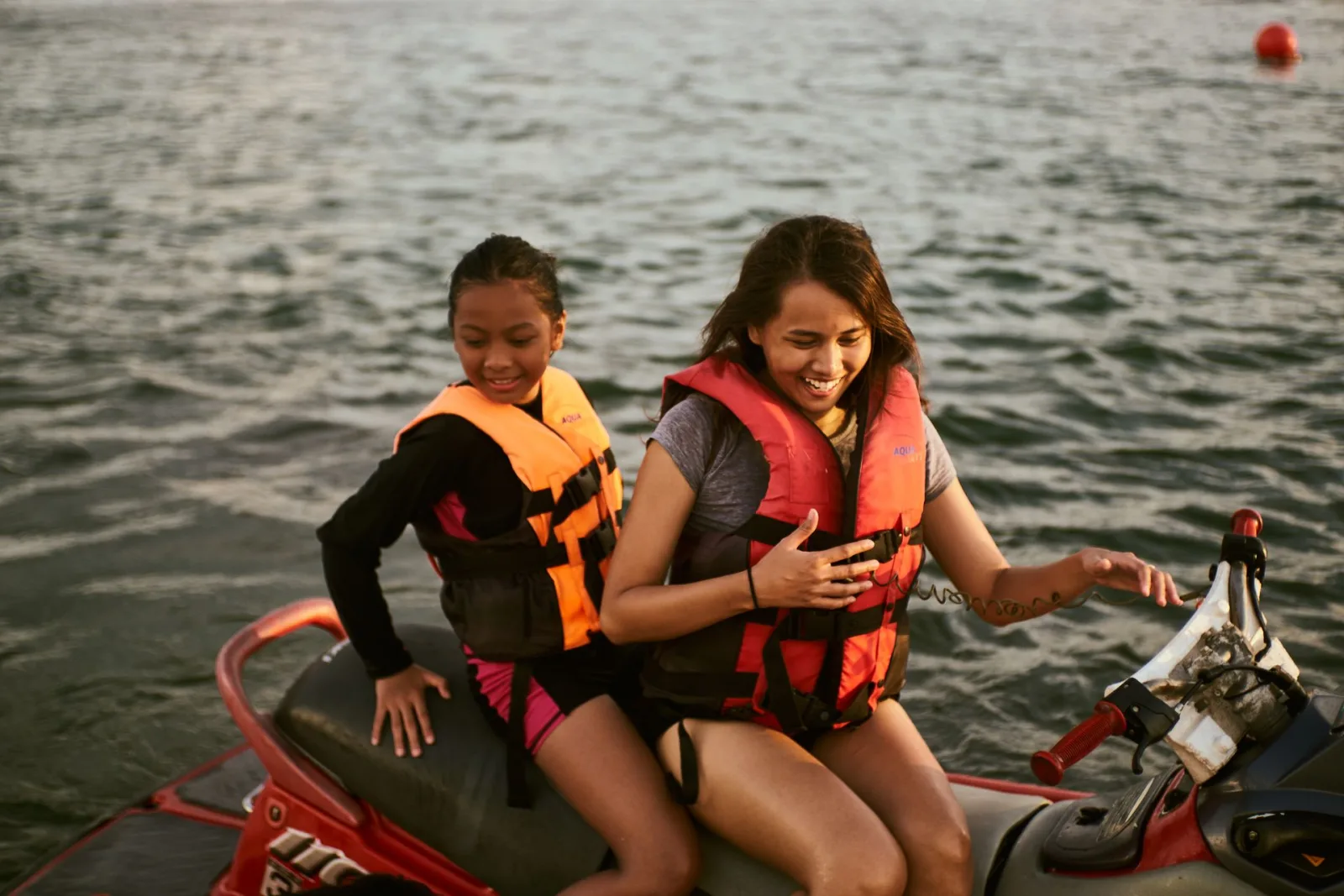
Life jackets: Always wear provided life jackets during ferry transfers, especially with children.
Weather awareness: Ferries may be delayed or cancelled in rough weather. Build flexibility into island-hopping itineraries.
Seasickness preparation: Take motion sickness tablets 30 minutes before ferry departures if prone to seasickness.
Secure belongings: Keep valuables in waterproof bags during open-deck ferry transfers.
Weather & Natural Hazard Safety
Understanding Fiji's tropical climate and preparing for seasonal weather events.
Cyclone Season Preparedness (Nov–Mar)
Monitor forecasts: Check Fiji Meteorological Service (met.gov.fj) daily during cyclone season.
Follow resort protocols: Most resorts have cyclone emergency plans. Attend safety briefings upon arrival.
Travel insurance: Ensure your policy covers weather-related disruptions, cancellations, and evacuations.
Flexible itineraries: Build buffer days into island-hopping plans during November–March.
Emergency kit: Keep flashlight, batteries, water, and basic medications accessible during your stay.
Sun Safety: Fiji's tropical sun is intense year-round. Use reef-safe sunscreen (SPF 30+), wear hats and sunglasses, and seek shade during peak UV hours (10 AM–3 PM).
Is Fiji safe for Indian tourists? Yes. Fiji is generally very safe for Indian tourists. Resort areas, Nadi, and major tourist islands are well-monitored with low violent crime rates against tourists.
Emergency numbers? Police/Ambulance/Fire: 911, Tourist Police: +679 672 2525, Indian High Commission Suva: +679 331 4400 (emergency: +679 992 6000).
Health risks? Minimal. Tap water safe in major towns. Carry travel insurance with medical coverage. Use mosquito repellent in wet season.
Transport safety? Use registered taxis only. Book ferries with licensed operators. Build flexibility into island-hopping plans during cyclone season.
Frequently Asked Questions — Fiji Safety for Indians
Quick answers to common safety questions about Fiji travel from India.
1Is Fiji safe for Indian tourists?
Yes. Fiji is generally very safe for Indian tourists. Resort areas, Nadi, and major tourist islands are well-monitored with low violent crime rates against tourists. Standard precautions apply: secure valuables, use registered transport, and avoid isolated areas at night.
2What emergency numbers should Indian travelers save in Fiji?
Save: Police/Ambulance/Fire: 911 (toll-free), Tourist Police: +679 672 2525, Indian High Commission Suva: +679 331 4400 / 331 4401 (emergency: +679 992 6000). Also save your resort's contact number for quick assistance.
3Are there health risks for Indians visiting Fiji?
Fiji has minimal health risks for Indian travelers. Tap water is safe in major towns and resorts. Carry comprehensive travel insurance with medical coverage. Dengue fever is rare but possible in wet season — use mosquito repellent with DEET or picaridin.
4Is it safe to walk alone in Nadi or Suva?
Central Nadi and Suva are generally safe during daylight hours for tourists. Avoid walking alone in isolated areas after dark. Use registered taxis or resort shuttles for evening travel. Most Indian travelers report comfortable, safe experiences in Fiji's main tourist areas.
5Should I carry my passport while exploring Fiji?
No. Keep your original passport in the hotel safe. Carry a photocopy or digital photo of your passport page for identification purposes. Original passports are only needed for immigration procedures and hotel check-in.
6Is Fiji safe for solo female Indian travelers?
Yes. Fiji is generally safe for solo female Indian travelers. Resort areas are secure, locals are welcoming, and English is widely spoken. Standard precautions apply: avoid isolated areas at night, use registered transport, and inform your resort of solo travel plans.
Planning a safe Fiji trip? Our experts assist with travel insurance recommendations, emergency contact preparation, and resort safety briefings.