Ancient Aksum obelisks and the rock-hewn churches of Lalibela representing Ethiopia's rich history and UNESCO heritage

Ethiopia History & Heritage Guide

Explore the cradle of humankind, ancient kingdoms, and 9 UNESCO World Heritage Sites. A deep dive into Ethiopia's past for Indian travelers in 2026.

Written by Vishal Narayan — Africa Travel Specialist
Reviewed by Veena Rathore · Africa Travel Reviewer
Last updated after reviewing:
  • 2026 accessibility updates and guide mandates for the 9 Ethiopian UNESCO World Heritage Sites
  • Current preservation status and visitor protocols for the Aksum stelae field and Church of Our Lady Mary of Zion
  • Latest archaeological findings and museum display updates regarding the "Lucy" (Dinkinesh) fossil in Addis Ababa
Ethiopia: The Cradle of Humankind
A journey through three millennia of unbroken history, ancient kingdoms, and living traditions.

For Indian travelers with a deep appreciation for ancient civilizations, Ethiopia offers a profoundly rewarding experience. Unlike much of Africa, Ethiopia was never colonized, allowing its ancient traditions, unique script, and distinct calendar to survive intact into the modern era. From the dawn of humanity in the Awash Valley to the medieval rock-hewn churches of Lalibela, the country is a living museum.

This focused guide complements our broader Ethiopia Travel Guide by diving deep into the historical and cultural milestones that make this destination truly unique. To see how these sites fit into your travel plans, review our 7-Day Ethiopia Itinerary.

Ethiopia's 9 UNESCO World Heritage Sites
The most concentrated collection of historical and natural wonders on the African continent.

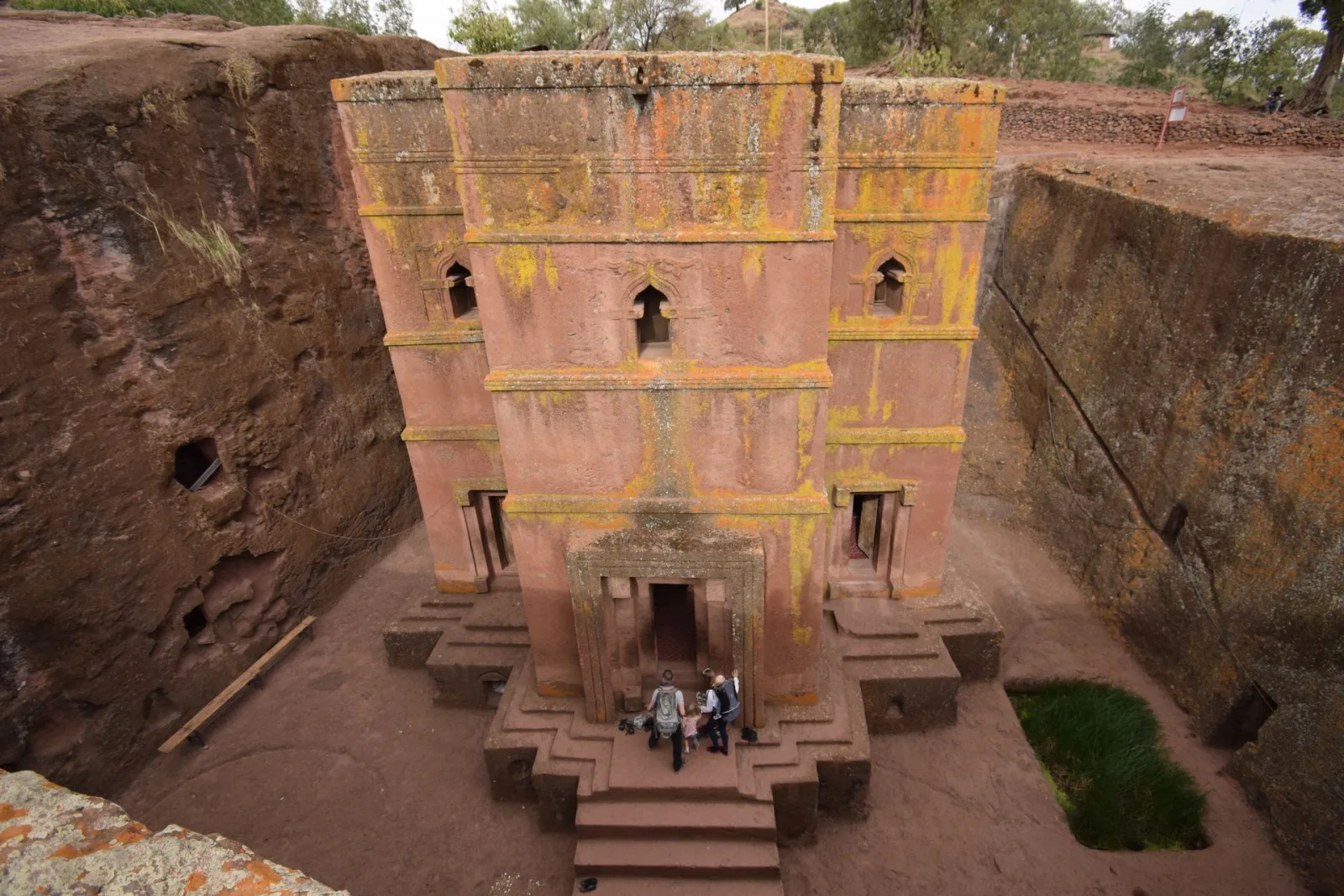
Rock-Hewn Churches of Lalibela

Carved downwards from solid volcanic rock in the 12th century, these 11 monolithic churches are an architectural miracle and an active place of Orthodox pilgrimage. Explore our Lalibela City Guide.
Fasil Ghebbi, Gondar

A 17th-century fortified royal enclosure featuring castles, palaces, and churches that blend Portuguese, Indian, and local Axumite architectural styles. Explore our Gondar City Guide.

Aksum (Axum)

The ruins of the ancient capital of the Aksumite Empire, featuring massive, intricately carved granite obelisks (stelae) and the claimed resting place of the Ark of the Covenant.

Harar Jugol

A fortified historic Muslim city featuring 82 mosques, 102 shrines, and a unique maze of 368 narrow alleyways. Recognized as the fourth holiest city in Islam. Explore our Harar City Guide.

Milestones in Ancient History
Discover the archaeological and historical marvels that put Ethiopia on the global map.
  • Lucy (Dinkinesh): Discovered in the Awash Valley in 1974, this 3.2-million-year-old Australopithecus afarensis skeleton is one of the most complete and famous early human ancestors ever found. The original fossils are securely displayed at the National Museum of Ethiopia in Addis Ababa.
  • The Kingdom of Aksum: A major naval and trading power between the 1st and 7th centuries AD, Aksum was one of the four great powers of the ancient world, alongside Rome, Persia, and China. It was the first major empire to convert to Christianity in the 4th century.
  • The Battle of Adwa (1896): The decisive victory of Ethiopian forces over the Italian army, ensuring Ethiopia remained the only African nation to successfully resist European colonization, a source of immense pride and a symbol of Pan-Africanism.
  • The Ark of the Covenant: According to the national epic, the Kebra Nagast, the original Ark was brought to Aksum by Menelik I, son of King Solomon and the Queen of Sheba. It is believed to be housed in a small chapel in Aksum, guarded by a single monk.
Unique Cultural Heritage
Living traditions that have remained untouched by outside influence for millennia.

The Ge'ez Script & Calendar

Ethiopia is the only African country with its own indigenous script, Ge'ez (Fidel), which has been in continuous use for over 2,000 years. Additionally, the country uses the Ge'ez calendar, which has 13 months and is roughly 7 to 8 years behind the Gregorian calendar, inspiring the tourism slogan "13 months of sunshine."

Orthodox Christian Traditions

The Ethiopian Orthodox Tewahedo Church is one of the oldest Christian churches in the world. Its traditions include vibrant, chanting liturgies, the use of ancient prayer staffs, intricate processional umbrellas, and the sacred Tabot (a replica of the Ark of the Covenant) carried during festivals like Timkat.

Want to walk through history with expert guidance? Our curated Ethiopia heritage packages include licensed historical guides, skip-the-line museum access, and seamless domestic logistics.

View Ethiopia Heritage Tour Packages →
Frequently Asked Questions — Ethiopia History & Heritage
Quick answers to common historical and cultural questions from Indian travelers.
1How many UNESCO World Heritage Sites are in Ethiopia?
Ethiopia boasts 9 UNESCO World Heritage Sites, the most of any country in Africa. These include the Rock-Hewn Churches of Lalibela, Fasil Ghebbi in Gondar, the ancient city of Aksum, and the Simien Mountains National Park.
2Who was "Lucy" and where can I see her in Ethiopia?
"Lucy" (locally known as Dinkinesh) is a 3.2-million-year-old Australopithecus afarensis fossil, one of the most famous early human ancestors. Her original remains are housed in a dedicated, climate-controlled vault at the National Museum of Ethiopia in Addis Ababa.
3Is the Ark of the Covenant really in Ethiopia?
According to Ethiopian Orthodox tradition, the original Ark of the Covenant is housed in the Chapel of the Tablet adjacent to the Church of Our Lady Mary of Zion in Aksum. It is guarded by a single monk and is not open to public viewing, though the church itself can be visited.
4How does the Ethiopian calendar differ from the Gregorian calendar?
Ethiopia uses the Ge'ez calendar, which has 13 months (twelve 30-day months and one 5- or 6-day month). It is approximately 7 to 8 years behind the Gregorian calendar, giving rise to the tourism slogan "13 months of sunshine."
5Do I need a guide to visit historical sites in Ethiopia?
Yes, a licensed local guide is mandatory at major sites like the Lalibela church complex and Fasil Ghebbi in Gondar. This is strictly enforced by the Ministry of Tourism to protect the heritage sites and provide essential historical context.

Note: When visiting active religious sites like the churches of Lalibela or Aksum, strict dress codes apply. Both men and women must cover their shoulders and knees, and women are required to cover their hair. Remove shoes before entering church compounds as a sign of respect.


More Travel Guides

Explore Other Destinations

Plan Your Ethiopia History & Heritage Tour

Fill out the enquiry form below and our travel experts will help you plan your Ethiopia tour, focusing on UNESCO sites, ancient history, and licensed cultural guides.

Get assistance with e-Visa, domestic flights to historical cities, and complete Ethiopia packages tailored to your interests.

Enquire About This Package